
Time Periods
Paleolithic
Mesolithic
Neolithic
Chalcolithic
Bronze Age
Iron Age
Classical Period
Post-Classical Period
Early Modern Period
Industrial Period
Contemporary Period
Time Periods
Paleolithic
Mesolithic
Neolithic
Chalcolithic
Bronze Age
Iron Age
Classical Period
Post-Classical Period
Early Modern Period
Industrial Period
Contemporary Period
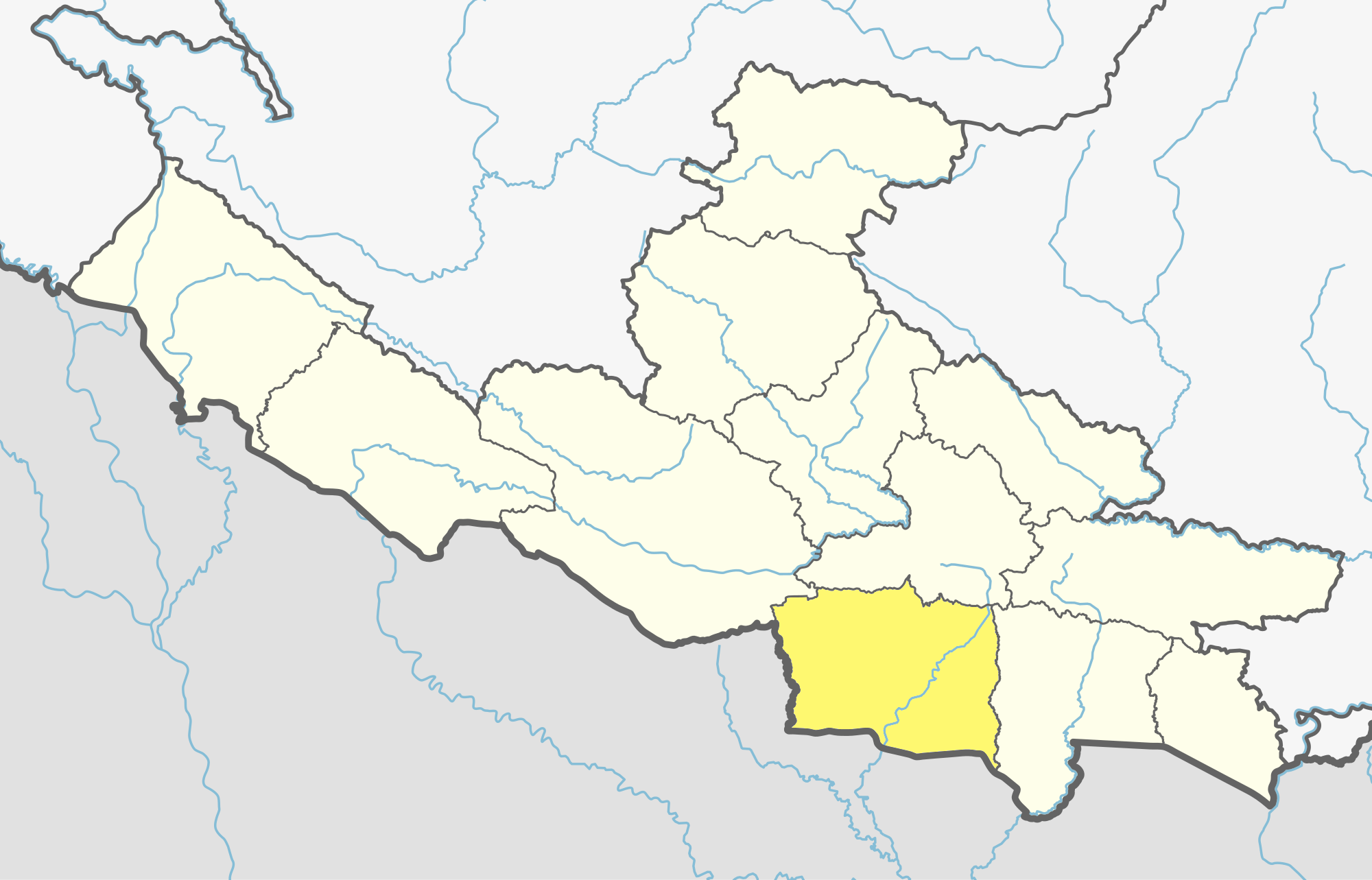
Location
About
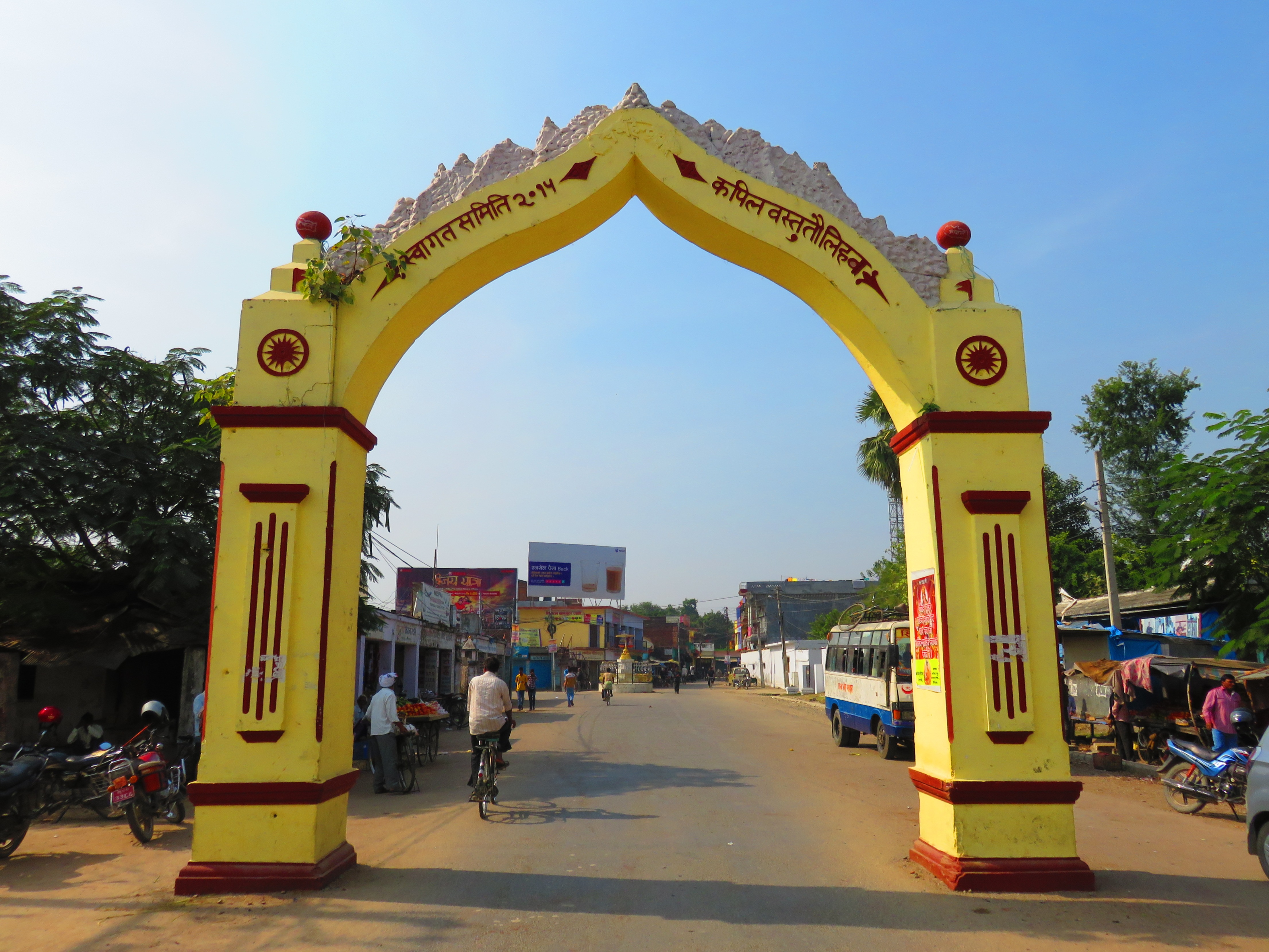
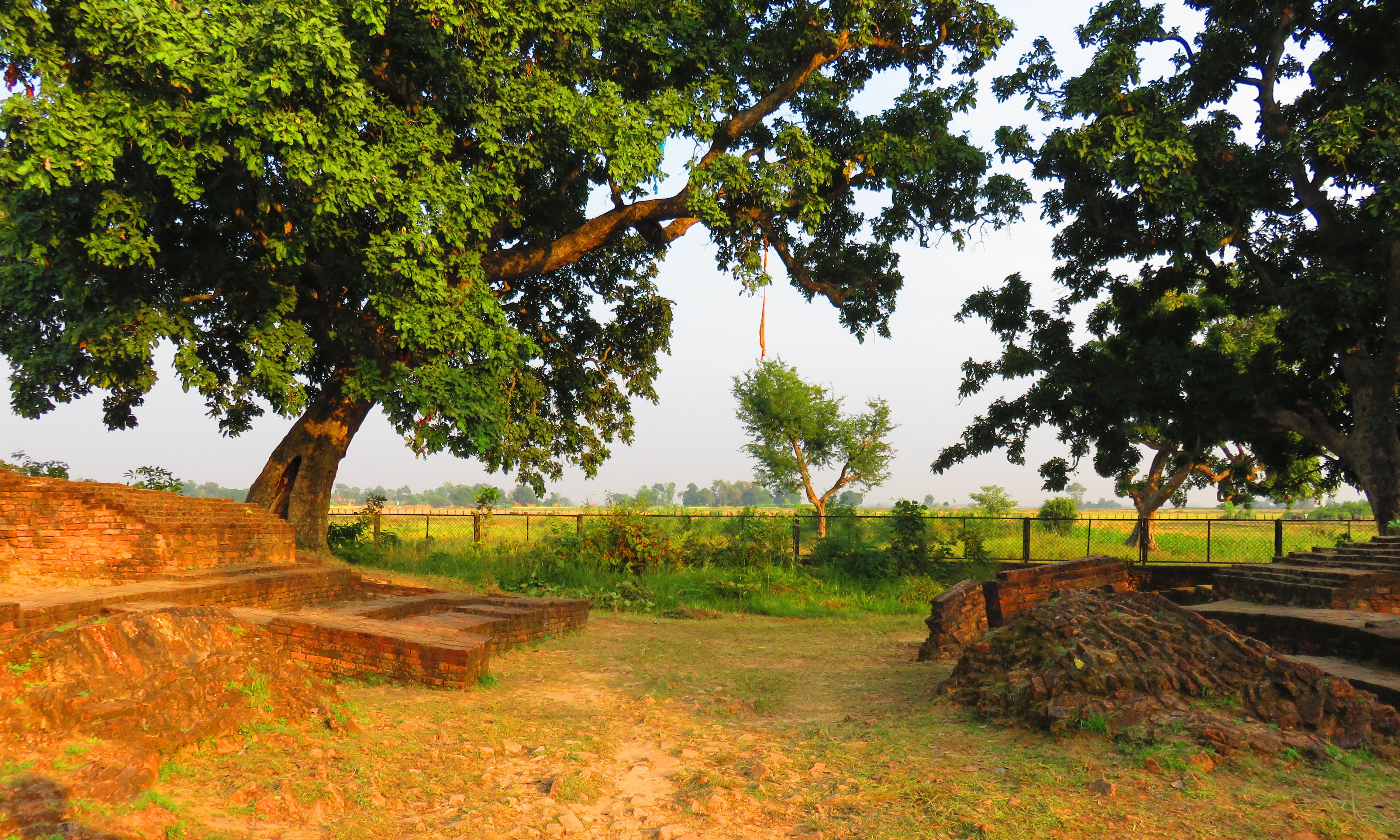
Kapilvastu, known today as Kapilvastu Municipality in Nepal, is an archaeological site of significant historical importance as it is believed to be the ancient city of Kapilavastu, the capital of the Shakya kingdom. This site is notably associated with the early life of Prince Siddhartha Gautama, who later became the Buddha. The city likely featured domestic and habitation structures such as palaces, as it served as a royal residence. Kapilvastu holds cultural and religious significance, linked to the beginnings of Buddhism. The site's importance is underscored by its connection to the story of the Buddha's renunciation and its potential as a focal point for understanding ancient urban life in the region.
Gallery
Explore photographs of ancient structures, artifacts, and archaeological excavations at Kapilvastu Municipality
Archaeological Features
Explore the unique architectural and cultural elements found at this historical site
Domestic and Habitation Structures
Historical Timeline
Journey through time and discover key events in this site's archaeological history
Plan Your Visit
Details
- Country
- Nepal
- Source
- Wikipedia
More Sites in Nepal
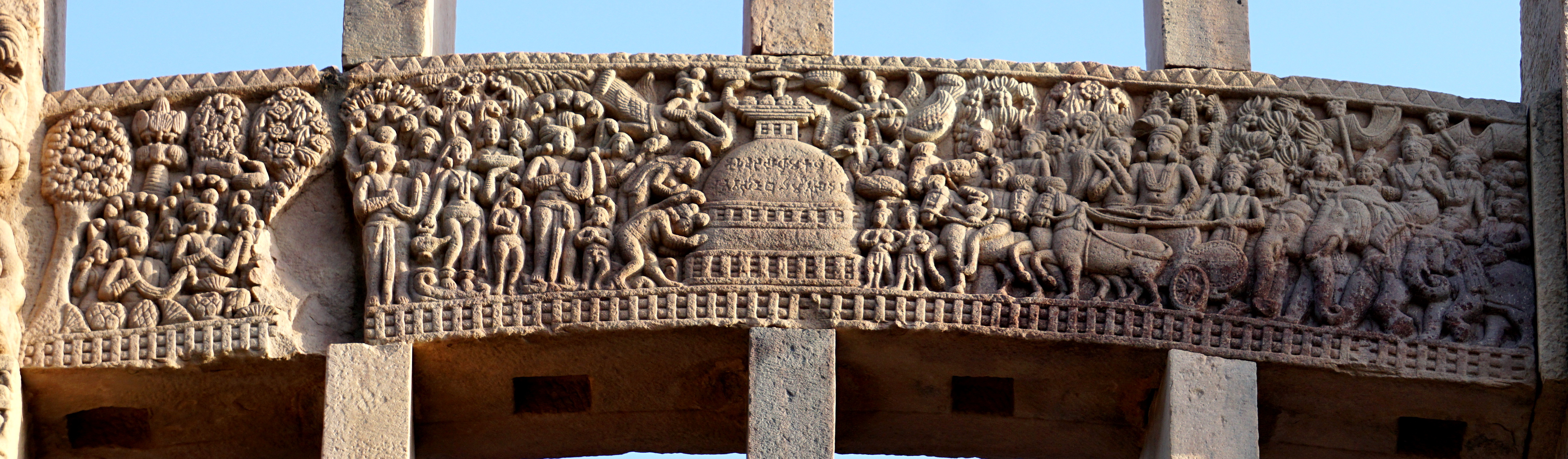
Ramagrama stupa
Intact Buddhist stupa with Buddha relics
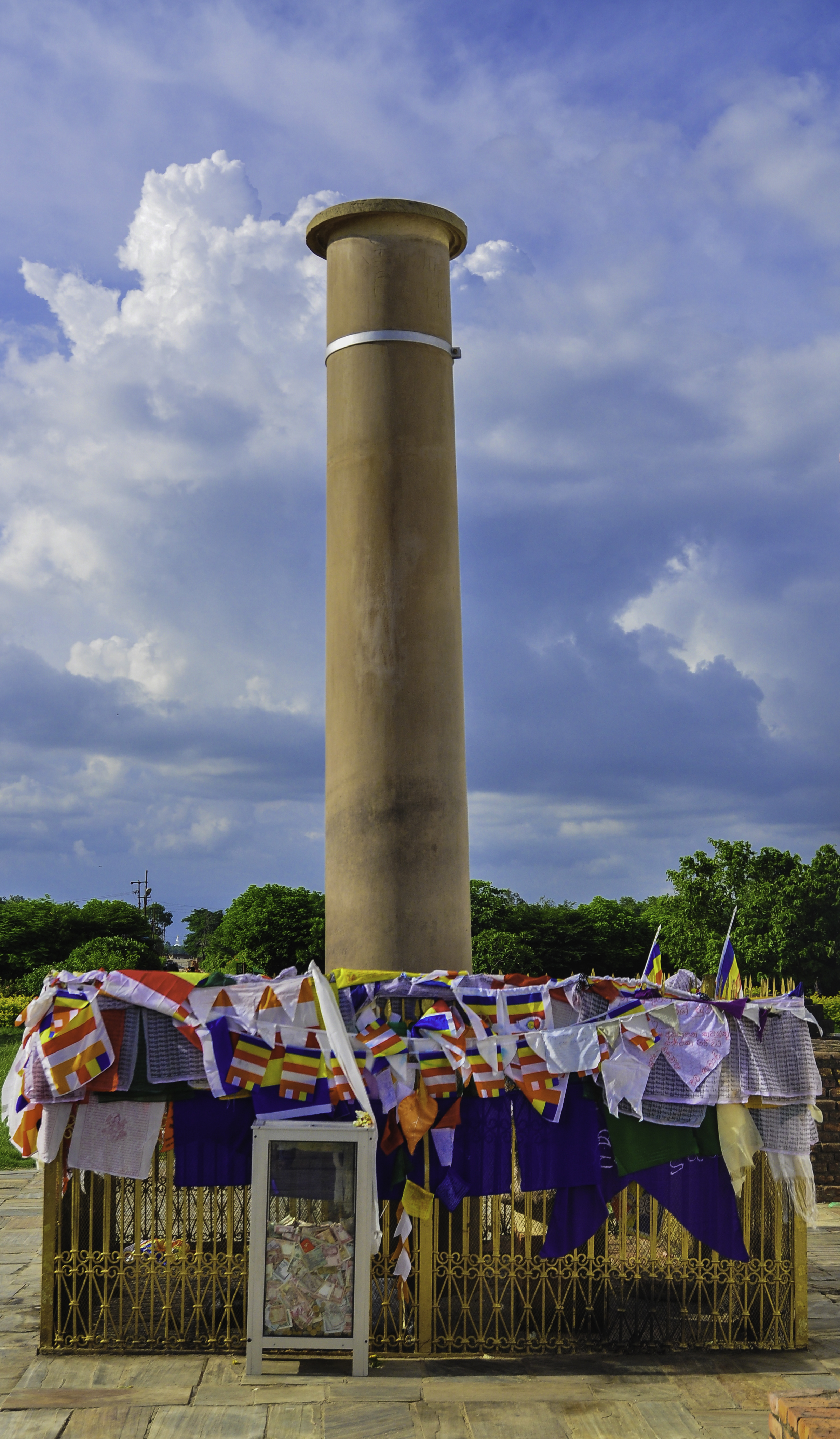
Maya Devi Temple, Lumbini
Ancient temple at Buddha's birthplace, Lumbini.
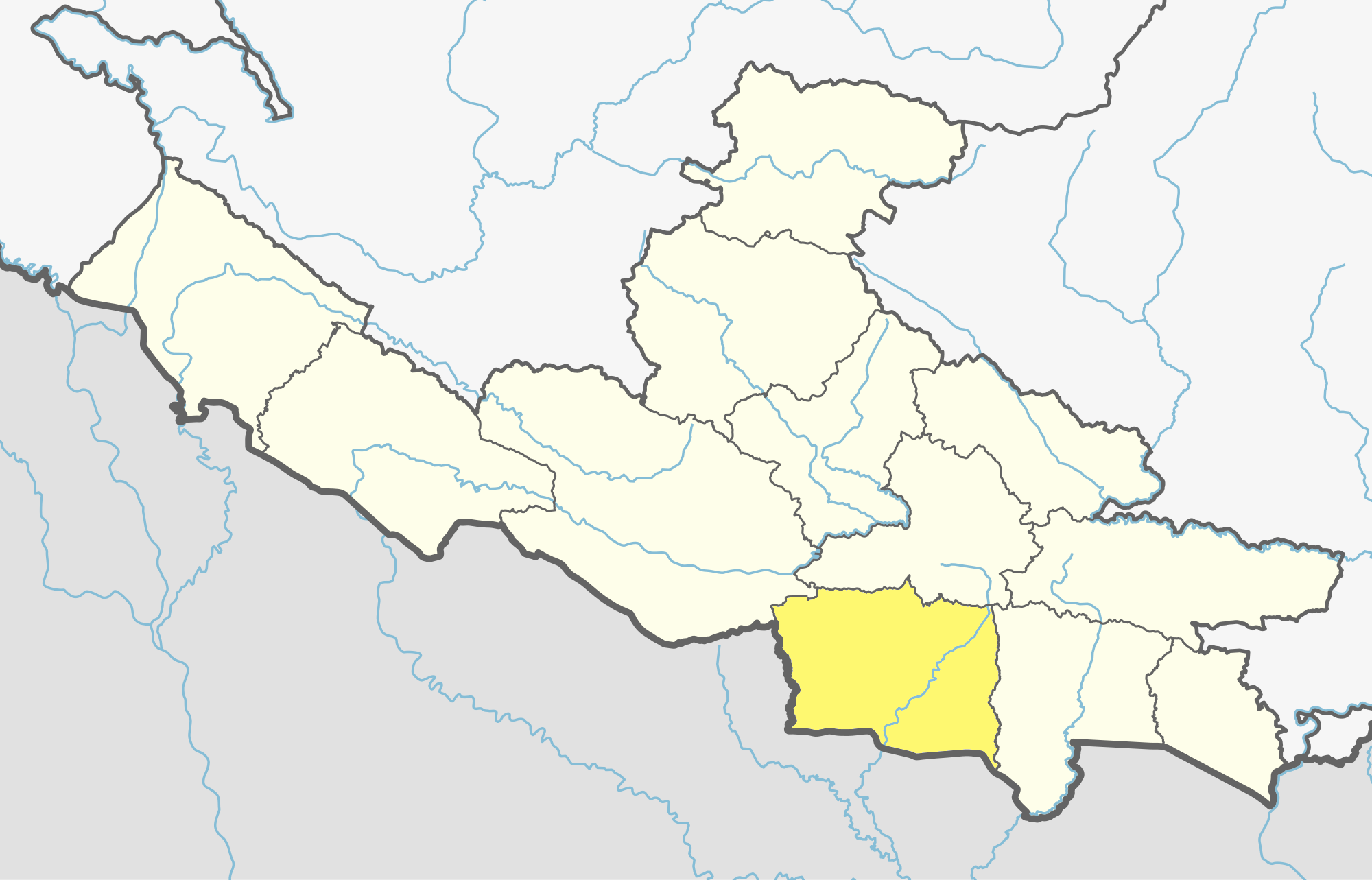
Nigalihawa
Ancient birthplace of Konagamana Buddha
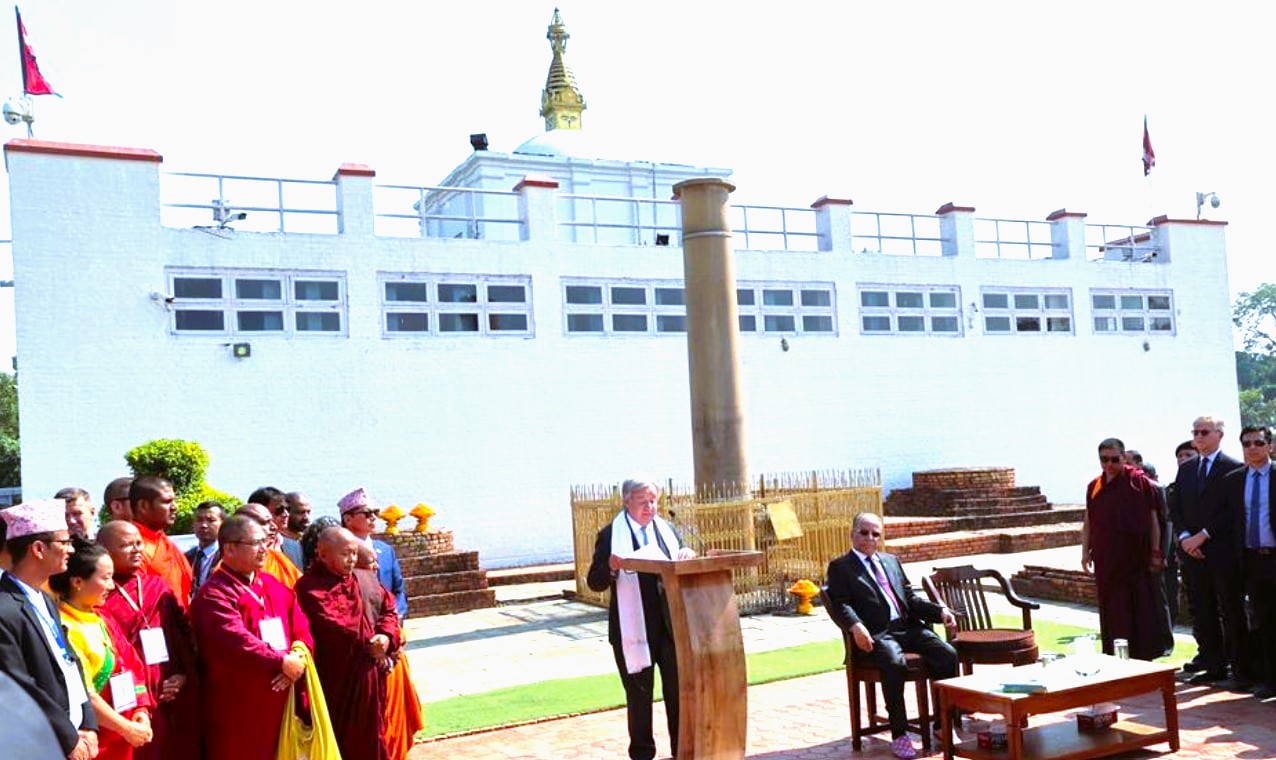
Lumbini
Ancient Buddhist pilgrimage site in Nepal
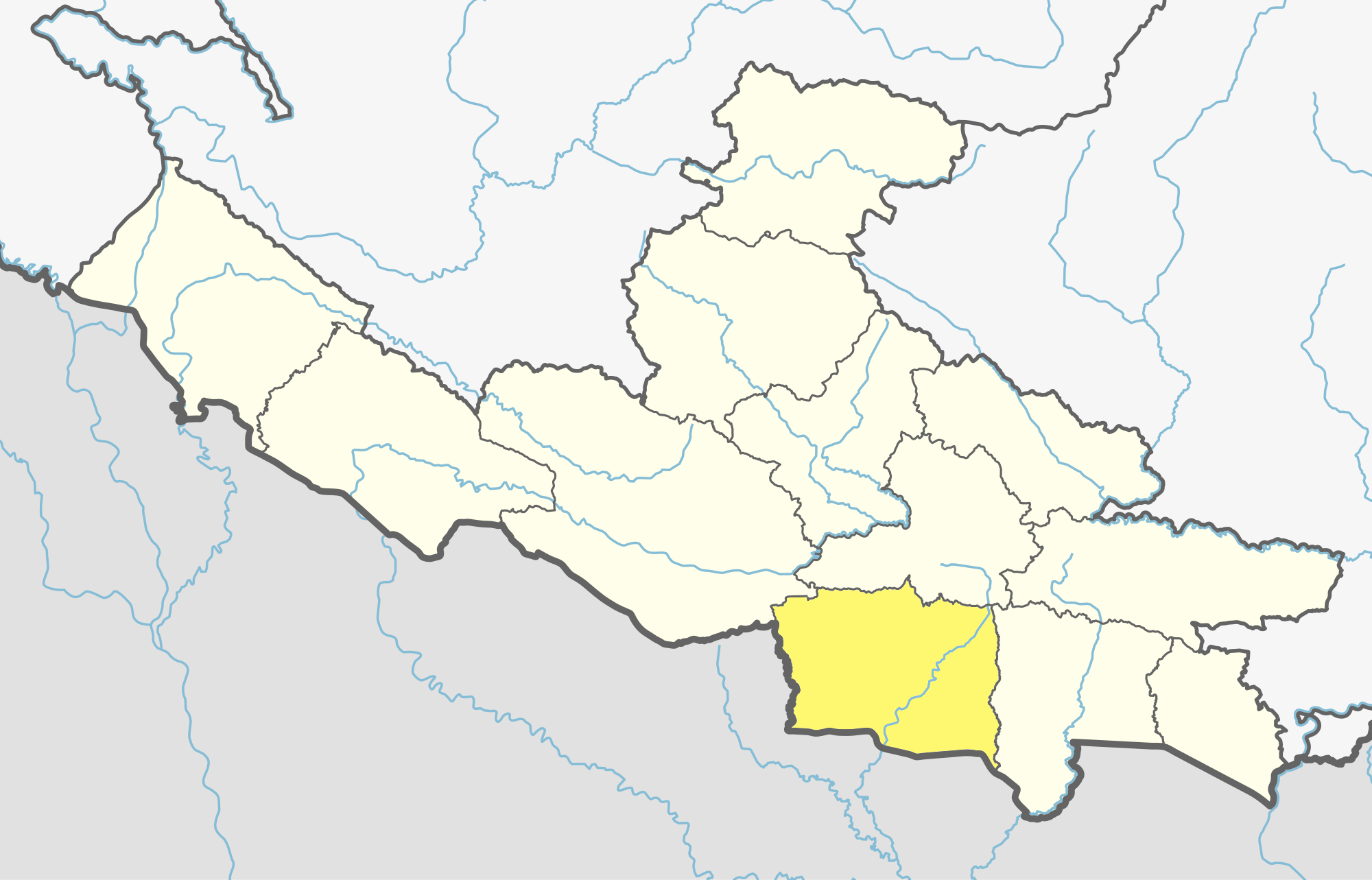
Tilaurakot
Fortified ancient city with monumental gateways
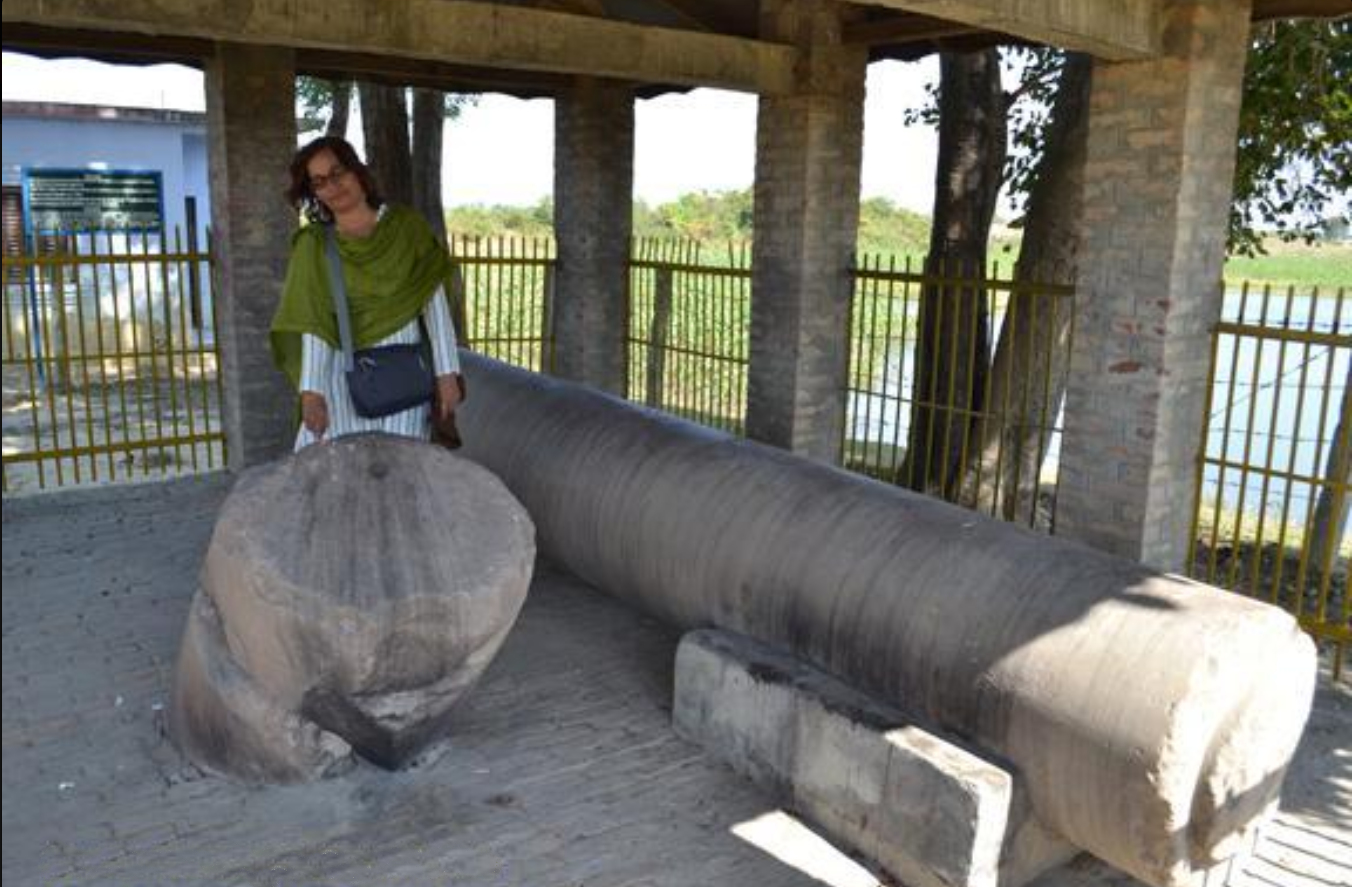
Nigali Sagar
Ashokan pillar with ancient inscriptions