Explore the Map
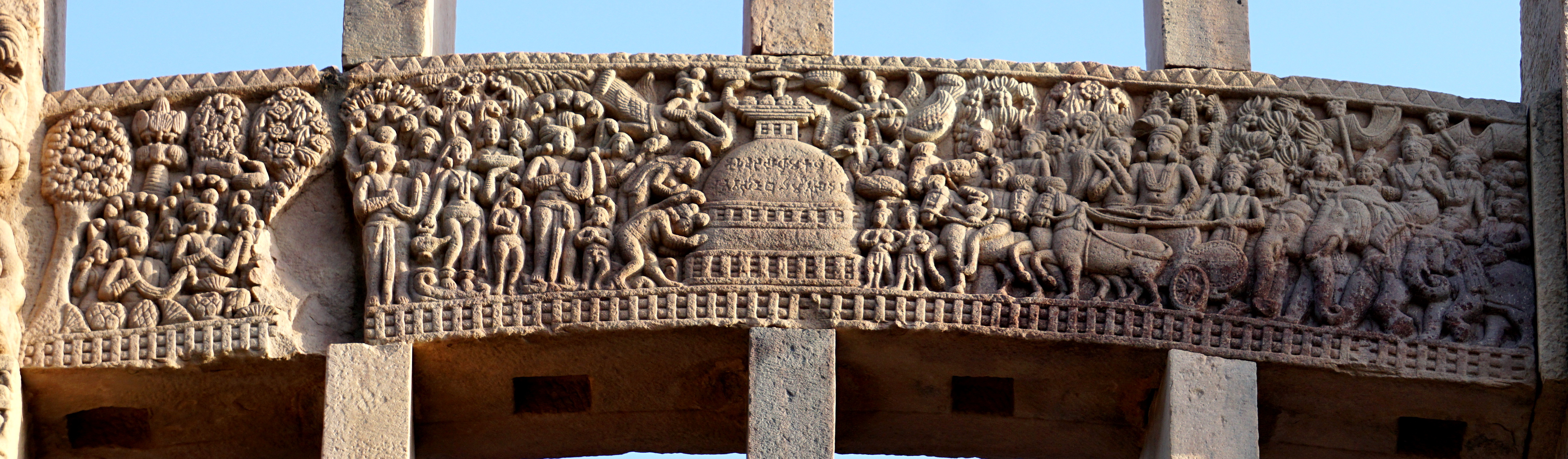
Ramagrama stupa
27.4978° N, 83.6811° E
About
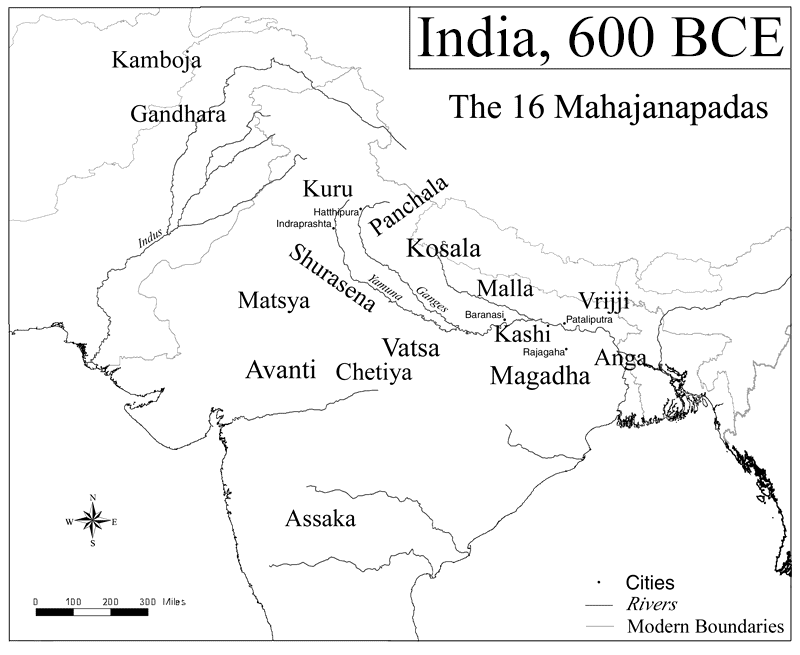
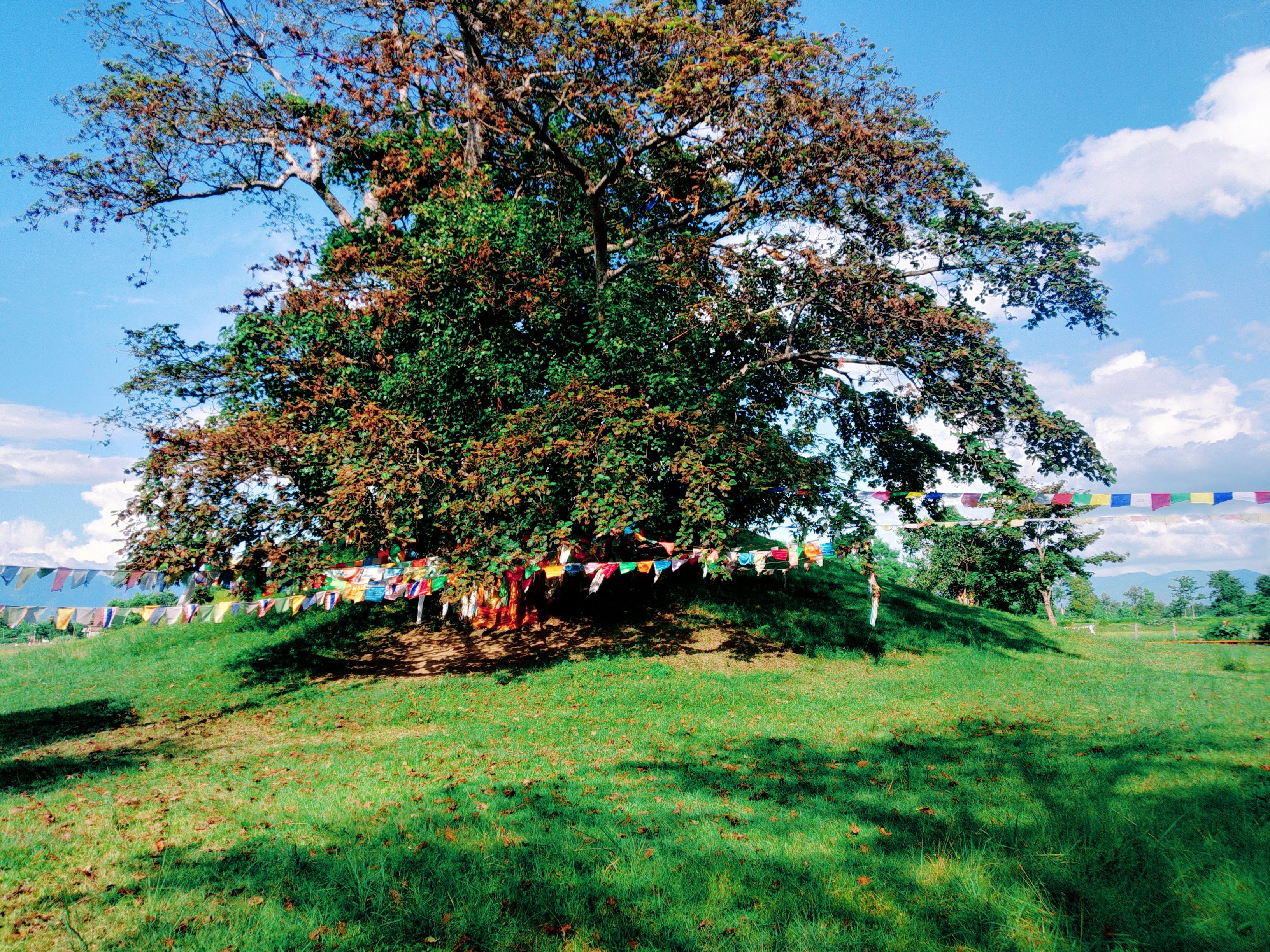
The Ramagrama Stupa in Nepal is a significant archaeological site and one of the original Buddhist stupas that contain relics of Gautama Buddha. Constructed between the Mauryan and Gupta periods, this stupa is unique as it remains intact since its original construction. According to legend and historical texts, it is protected by Nagas and was left undisturbed by Emperor Ashoka who aimed to redistribute Buddha's relics across his empire. Archaeological surveys have revealed a buried Kushan monastery beneath the site. As a revered pilgrimage location, it holds immense cultural and religious importance, attracting Buddhists from around the world. The stupa is recognized on the UNESCO World Heritage Tentative List, highlighting its global significance.
Gallery
Explore photographs of ancient structures, artifacts, and archaeological excavations
Historical Timeline
Journey through time and discover key events in this site's history
Buddha's Relics Distribution
c. 5th century BCE
Ramagrama Stupa Construction
c. 400 BCE
Ashoka's Redistribution Plan
c. 3rd century BCE
Archaeological Features
Unique architectural and cultural elements found at this historical site
Religious and Ritual Structures
Frequently Asked Questions
Plan Your Visit
Tours, travel arrangements, and practical information
More Sites in Nepal
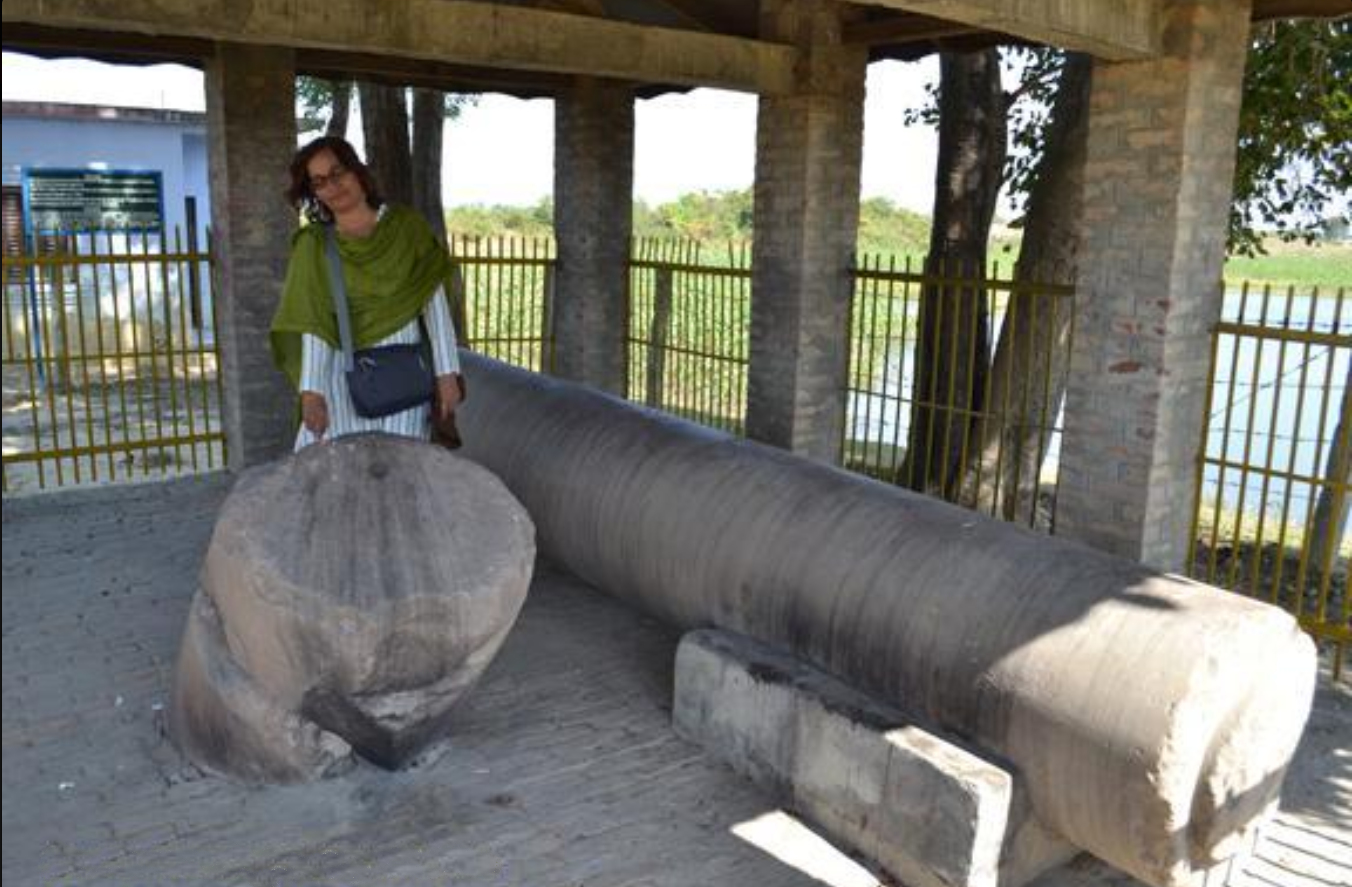
Nigali Sagar
Ashokan pillar with ancient inscriptions
Tilaurakot
Fortified ancient city with monumental gateways
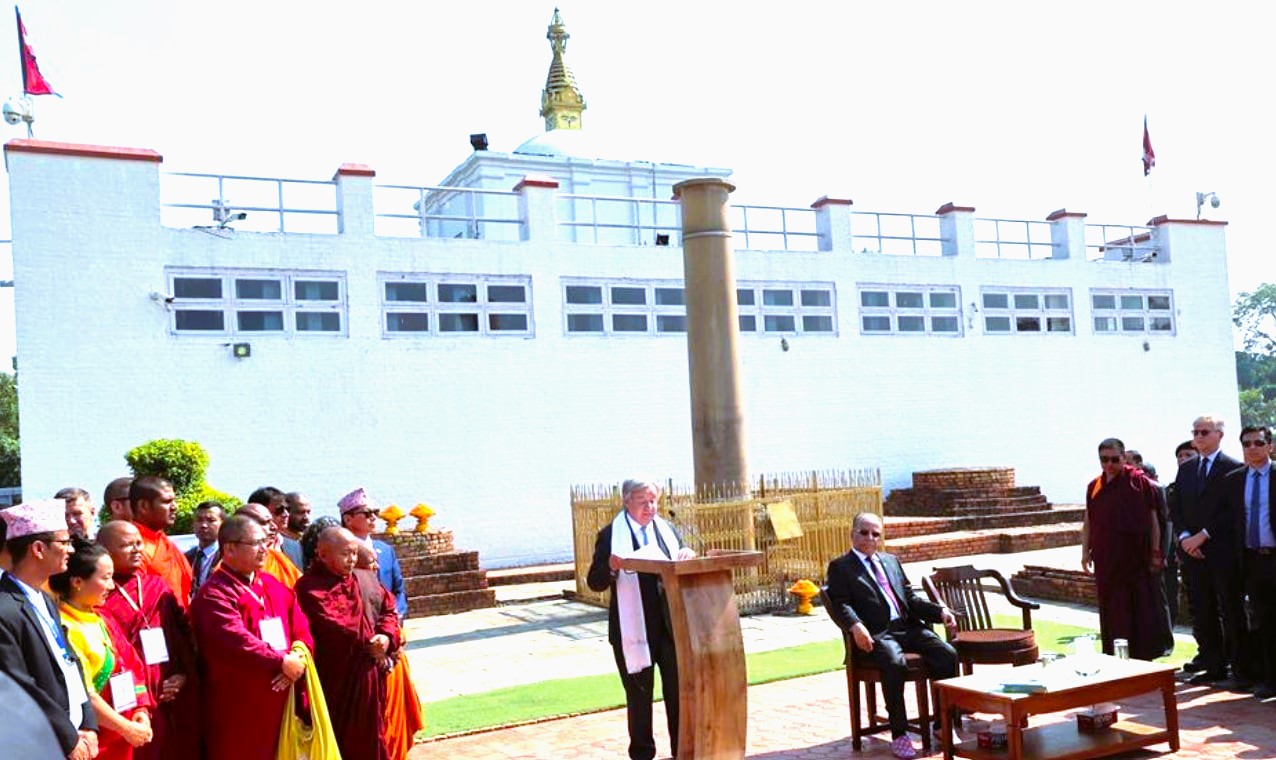
Lumbini
Ancient Buddhist pilgrimage site in Nepal
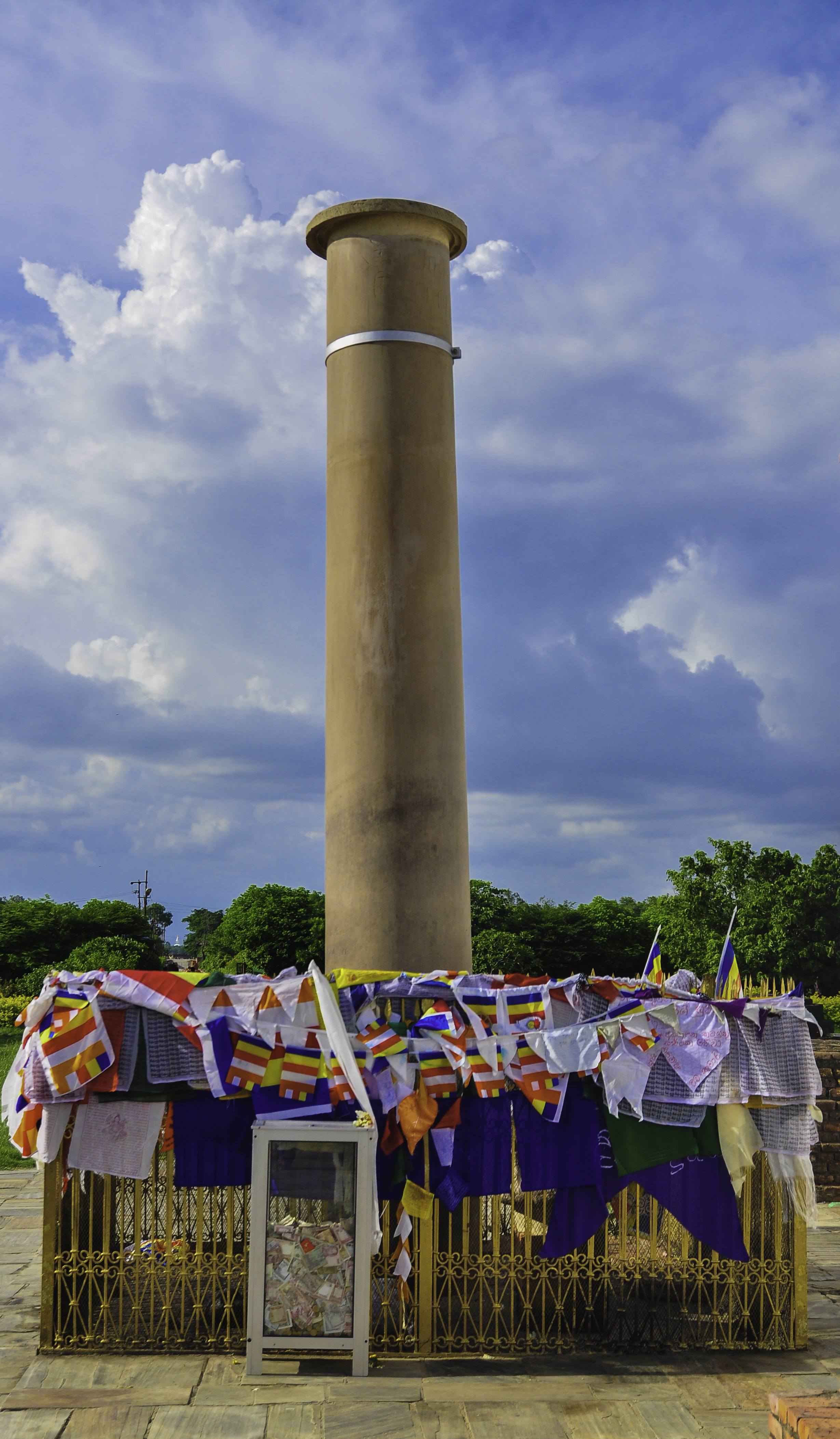
Maya Devi Temple, Lumbini
Ancient temple at Buddha's birthplace, Lumbini.
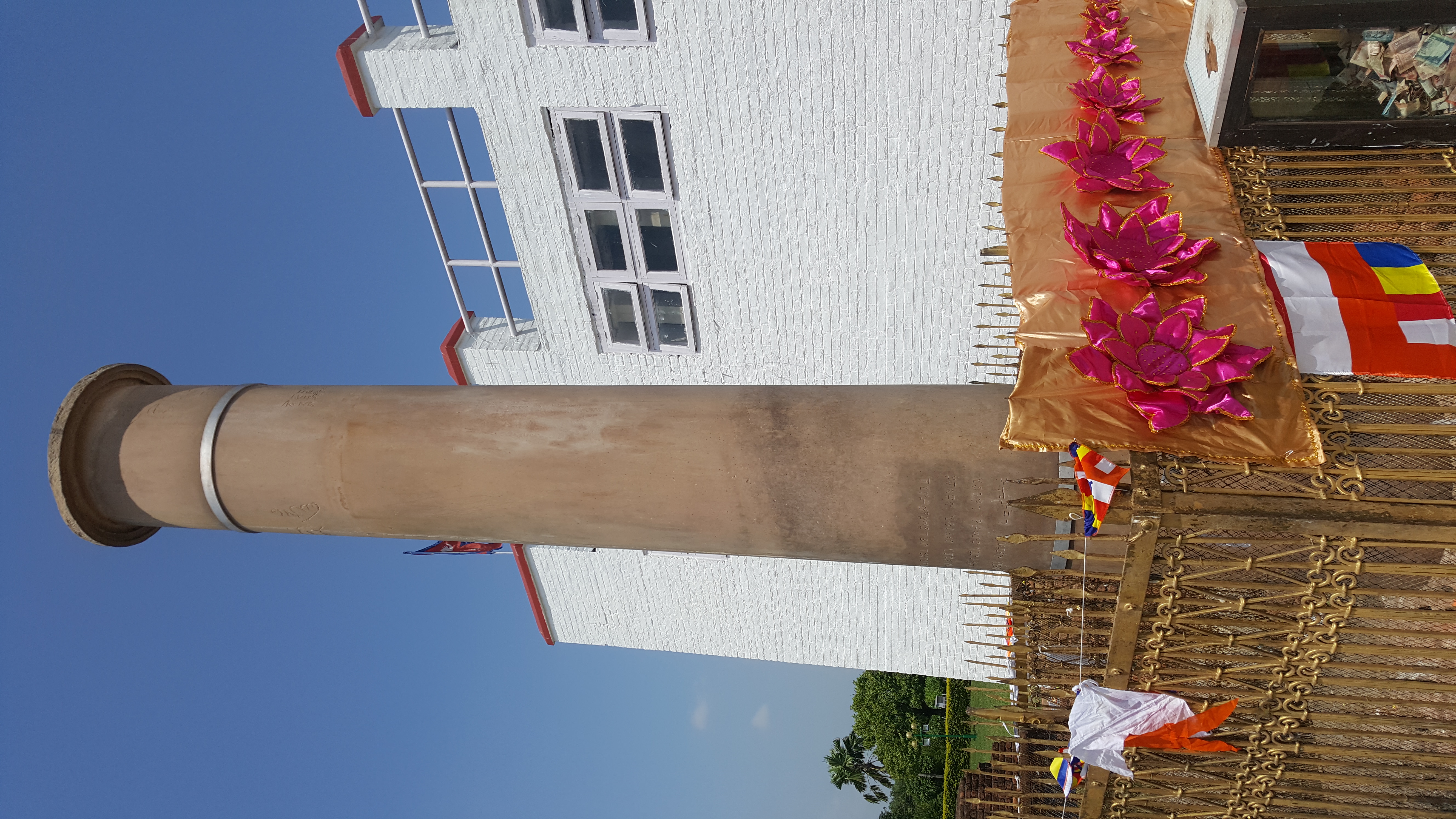
Lumbini pillar inscription
Ashokan pillar with Brahmi inscription
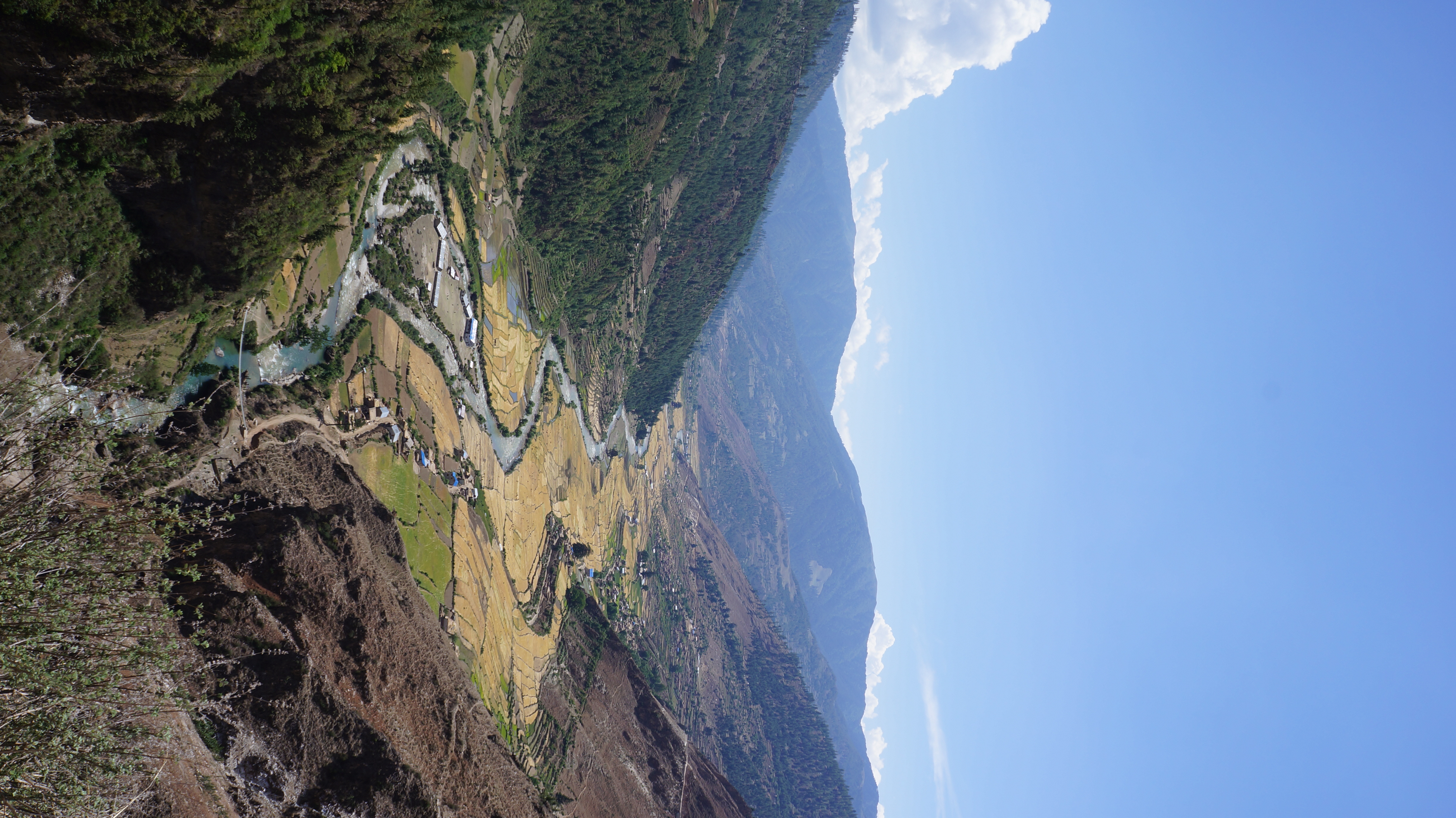
Sinja Valley
Ancient Khasa capital with significant water system