
Explore the Map
Lumbini pillar inscription
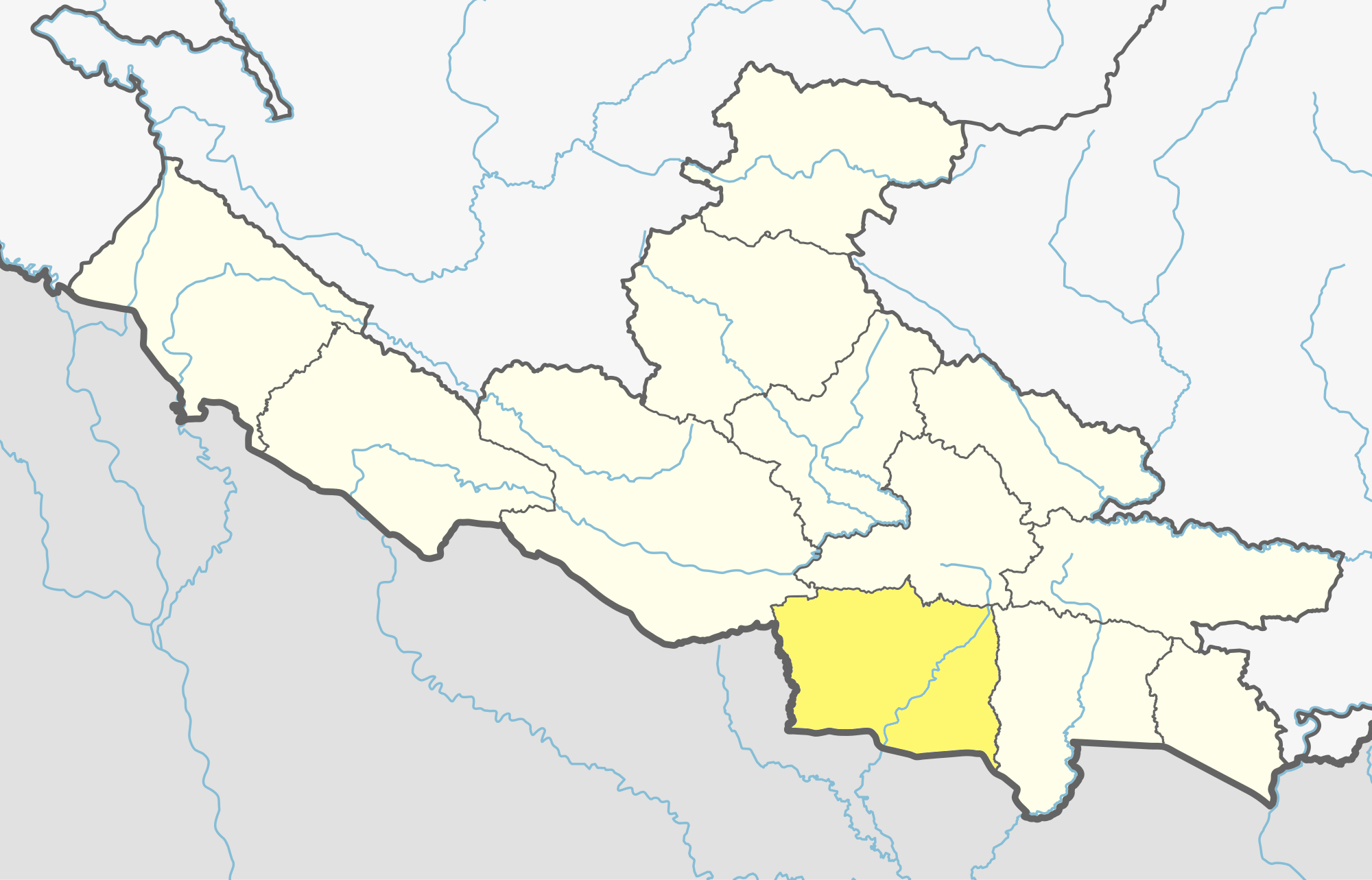
27.4697° N, 83.2756° E
About
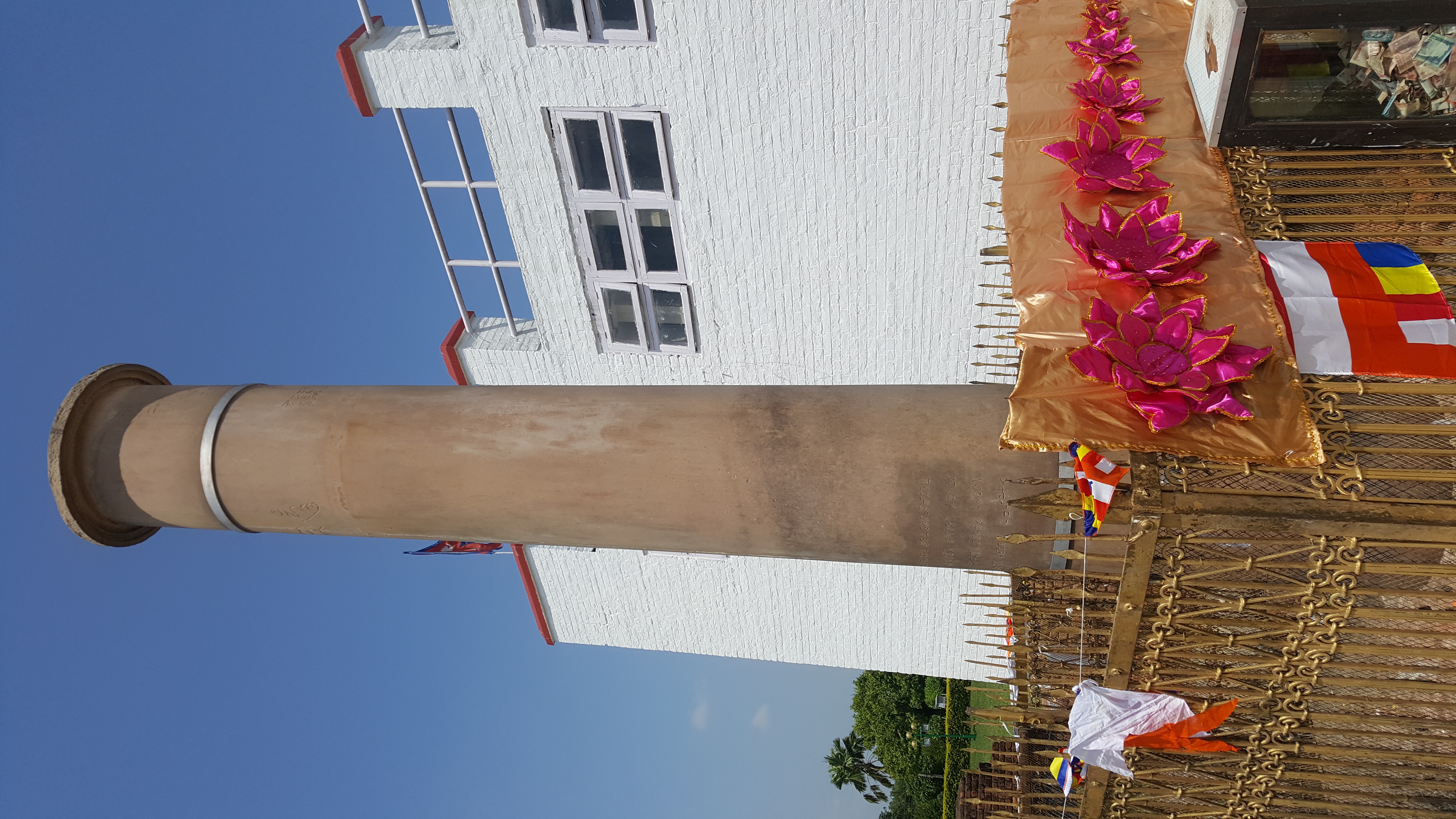
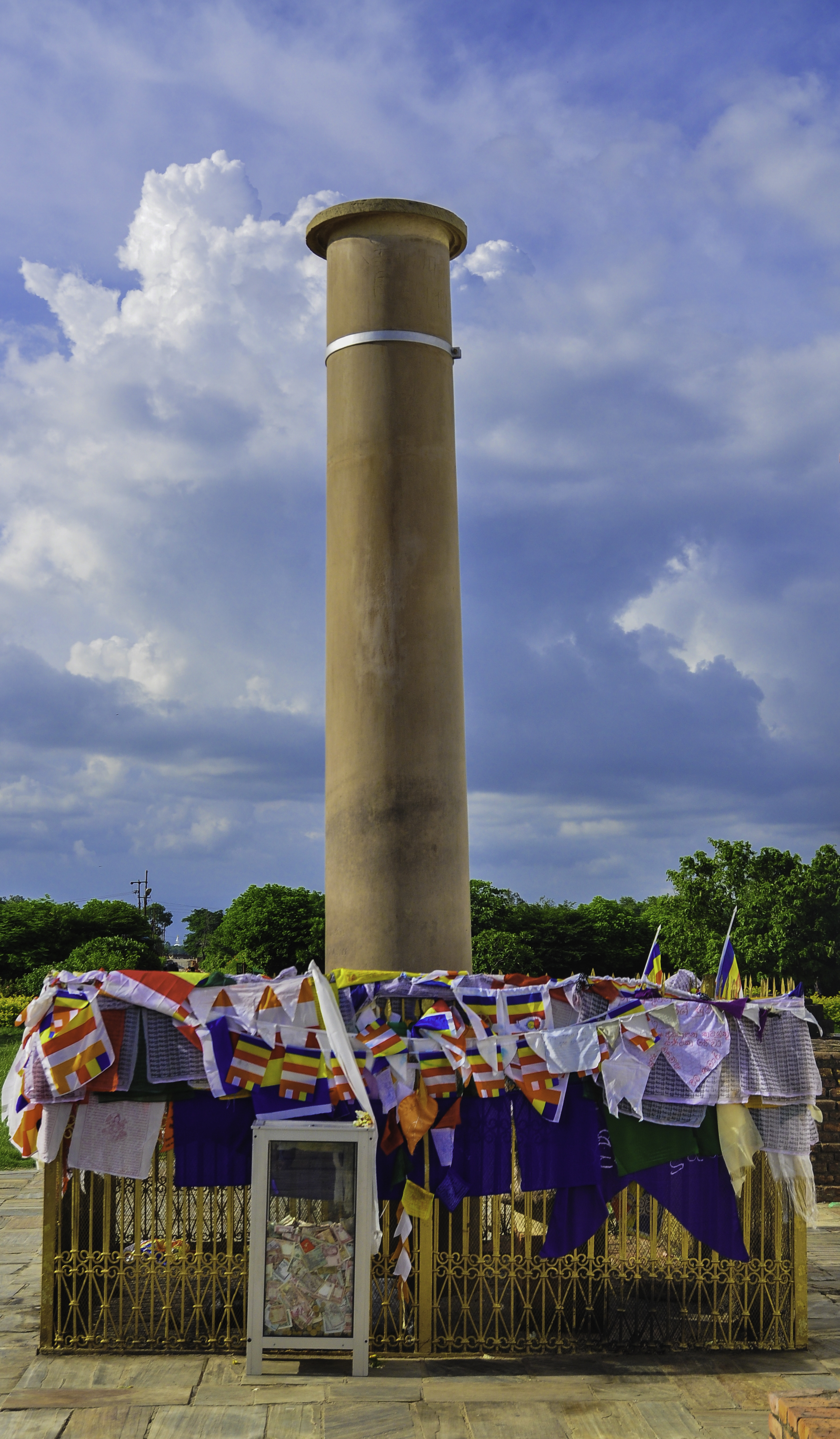
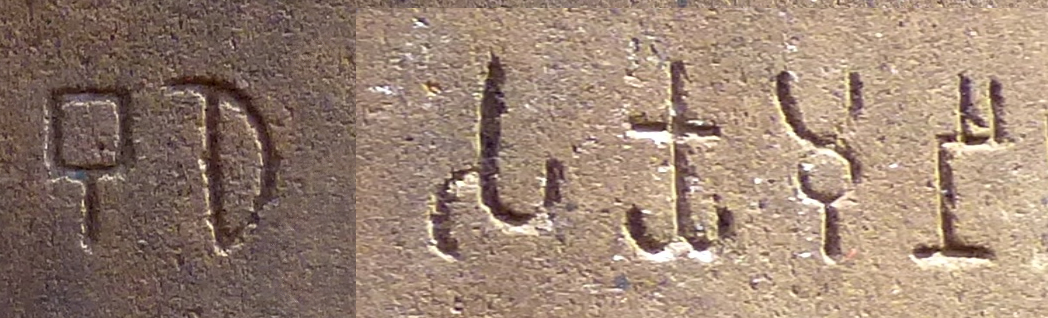
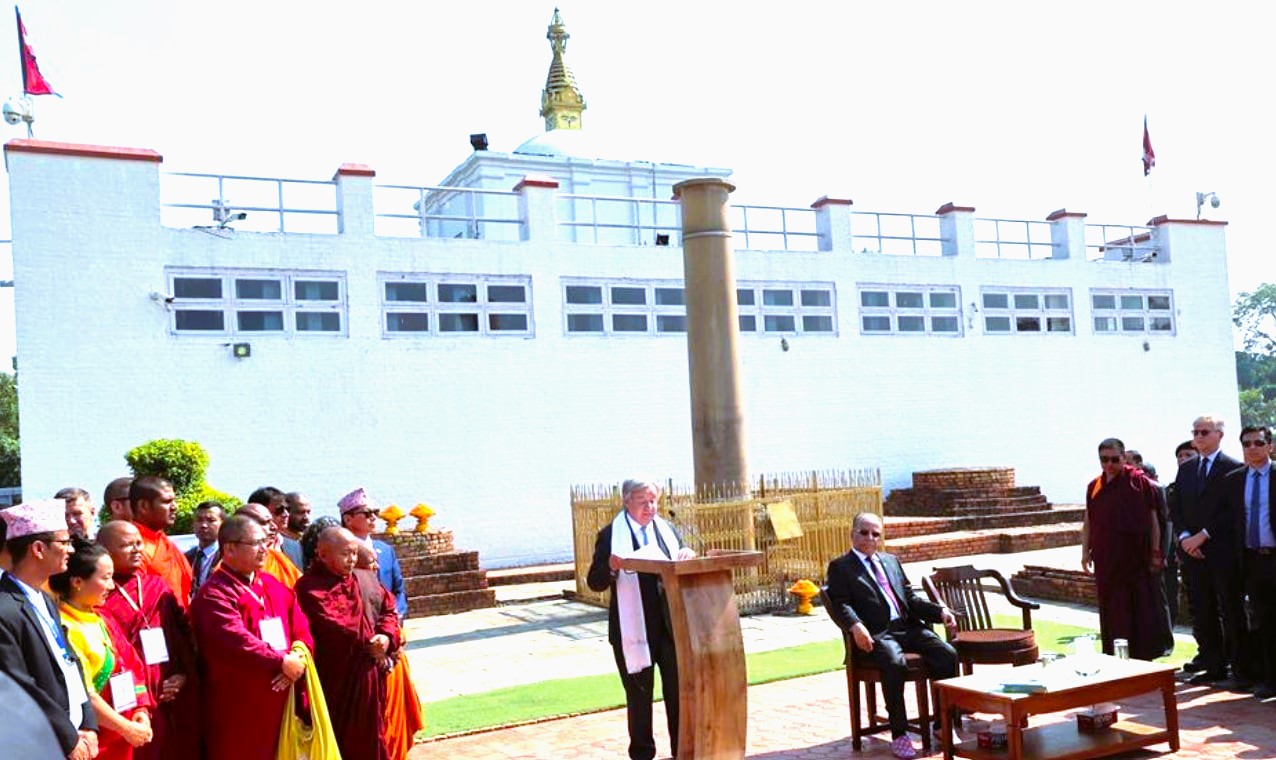
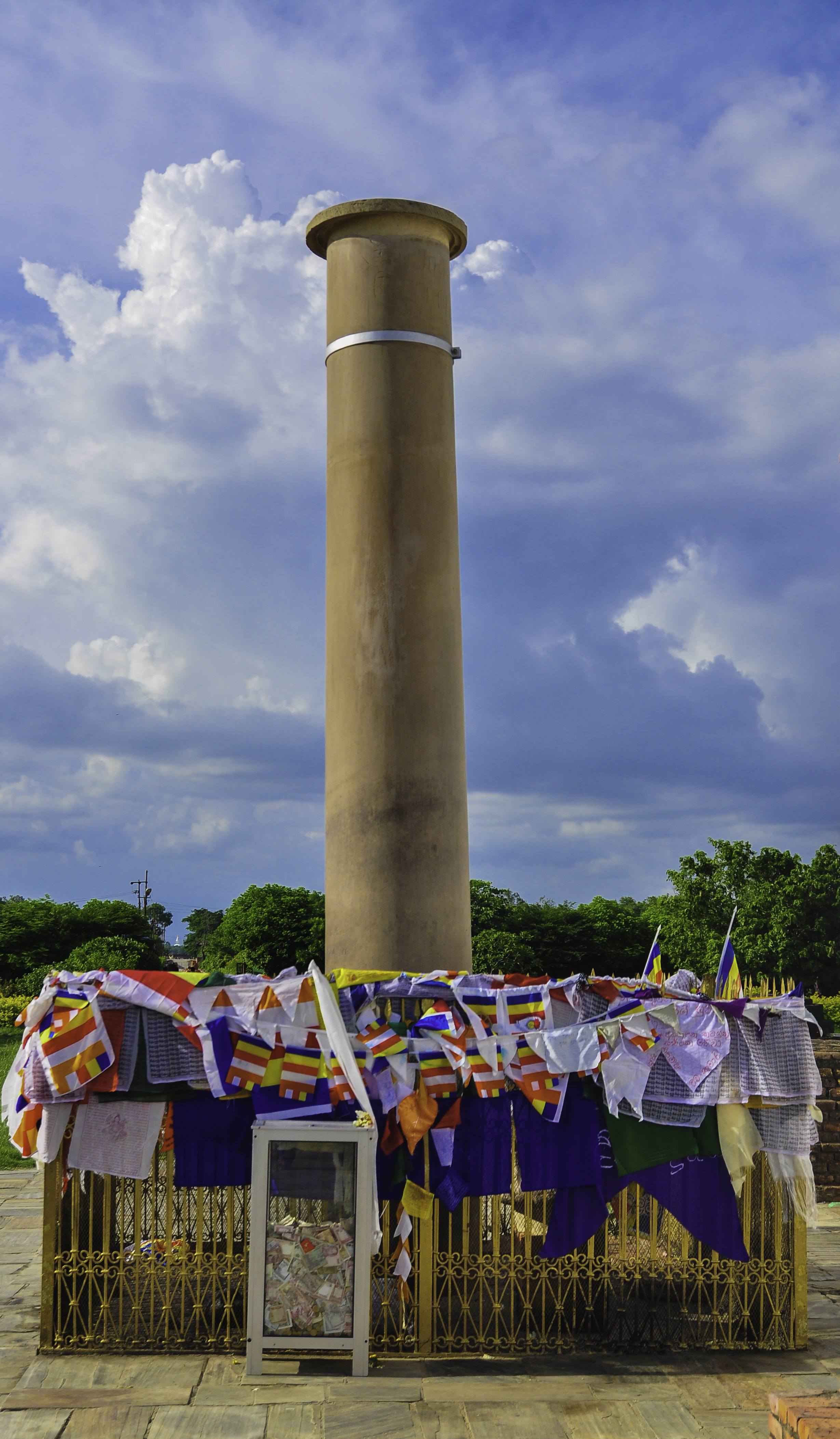
The Lumbini pillar inscription, an ancient artifact discovered in Lumbini, Nepal, is a significant archaeological feature linked to Emperor Ashoka of the Maurya Empire. The inscription, etched in the Brahmi script, commemorates Ashoka's visit to the birthplace of Gautama Buddha in the 3rd century BCE. The pillar not only marks the sacred site but also provides evidence of Ashoka's efforts to promote Buddhism. While the inscription is categorized among the Minor Pillar Edicts, it deviates by being in the past tense and ordinary third person, indicating it might have been a later addition to commemorate Ashoka's visit. The pillar, once broken and later re-erected, stands as a testament to the historical and religious significance of Lumbini, attracting pilgrims and scholars alike.
Gallery
Explore photographs of ancient structures, artifacts, and archaeological excavations
Historical Timeline
Journey through time and discover key events in this site's history
Pillar erection
circa 249 BCE
Ashoka's visit to Lumbini
circa 249 BCE
Archaeological Features
Unique architectural and cultural elements found at this historical site
Artistic and Decorative Features
Plan Your Visit
Tours, travel arrangements, and practical information


More Sites in Nepal
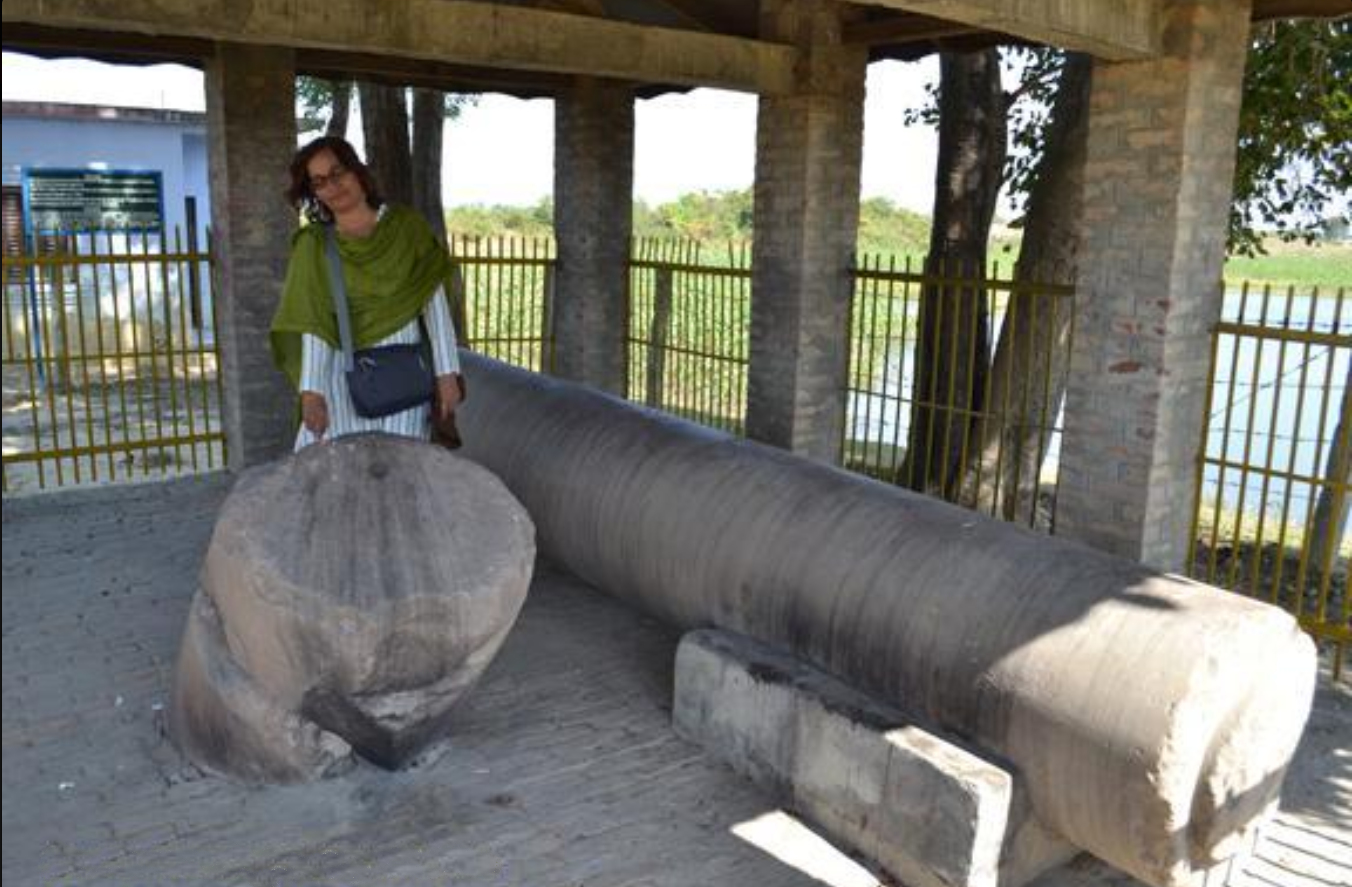
Nigali Sagar
Ashokan pillar with ancient inscriptions
Tilaurakot
Fortified ancient city with monumental gateways
Lumbini
Ancient Buddhist pilgrimage site in Nepal
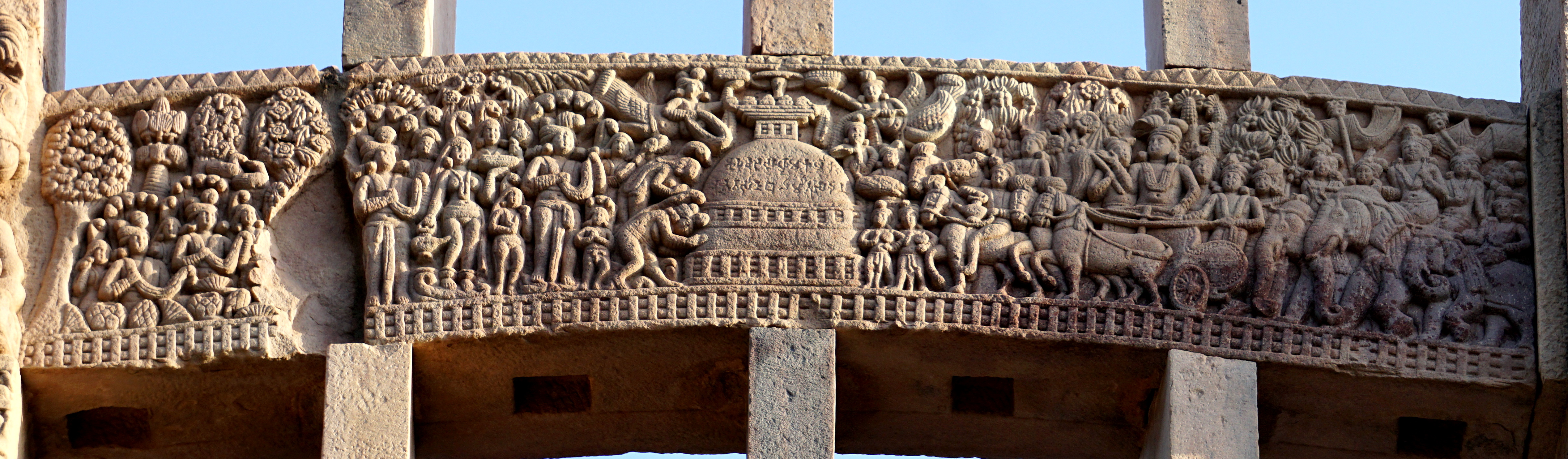
Ramagrama stupa
Intact Buddhist stupa with Buddha relics
Maya Devi Temple, Lumbini
Ancient temple at Buddha's birthplace, Lumbini.
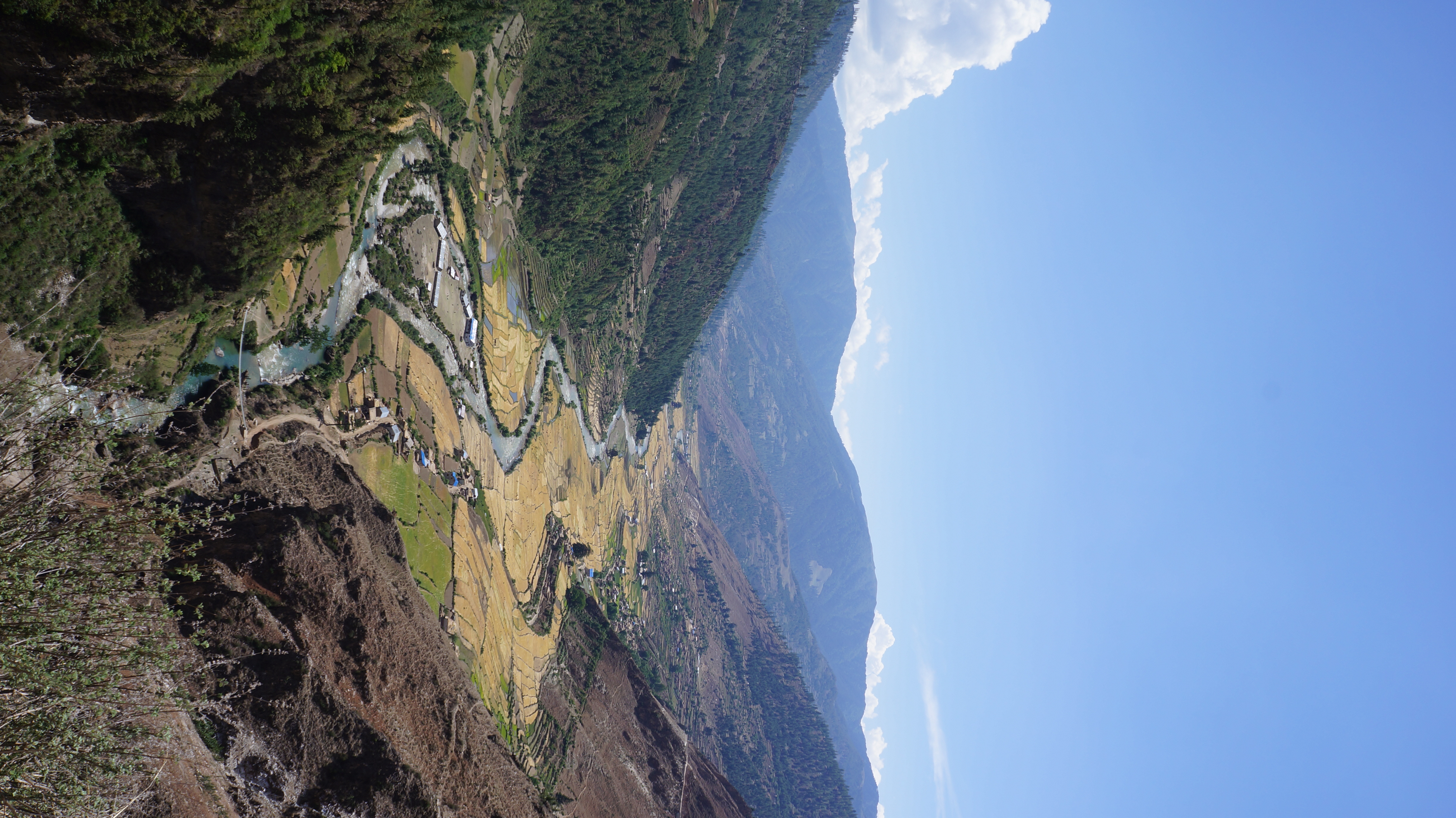
Sinja Valley
Ancient Khasa capital with significant water system