
Explore the Map
Ohrid
41.1169° N, 20.8017° E
About
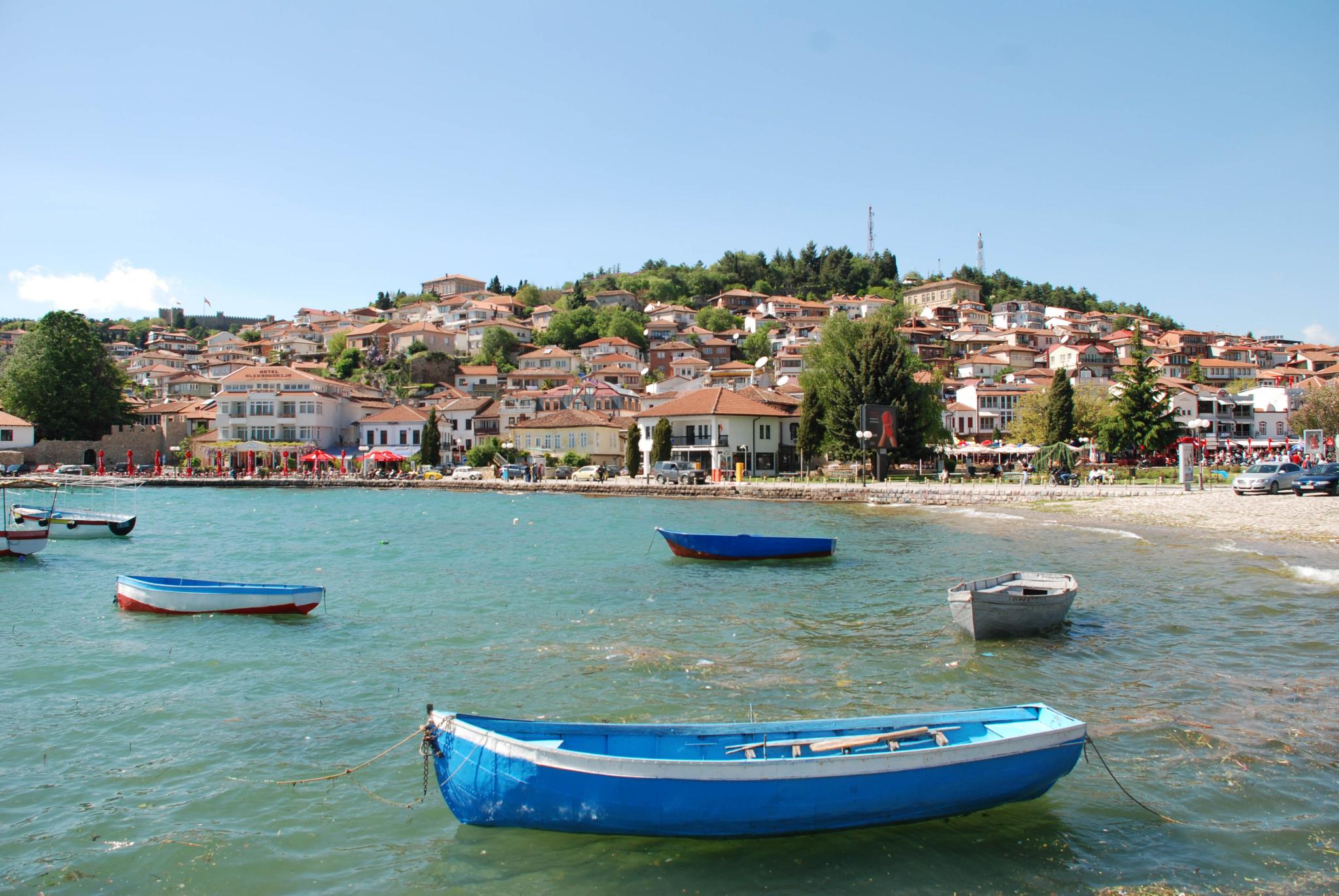
Ohrid (Macedonian: Охрид [ˈɔxrit] ) is a city in North Macedonia and is the seat of the Ohrid Municipality. It is the largest city on Lake Ohrid and the eighth-largest city in the country, with the municipality recording a population of over 42,000 inhabitants as of 2002. Ohrid is known for once having 365 churches, one for each day of the year, and has been referred to as the "Jerusalem of the Balkans". The city is rich in picturesque houses and monuments, and tourism is predominant. It is located southwest of Skopje, west of Resen and Bitola. In 1979 and in 1980, respectively, Ohrid and Lake Ohrid were accepted as Cultural and Natural World Heritage Sites by UNESCO. Ohrid is one of only 28 sites that are part of UNESCO's World Heritage that are Cultural as well as Natural sites.
Gallery
Explore photographs of ancient structures, artifacts, and archaeological excavations
Plan Your Visit
Tours, travel arrangements, and practical information
More Sites in North Macedonia
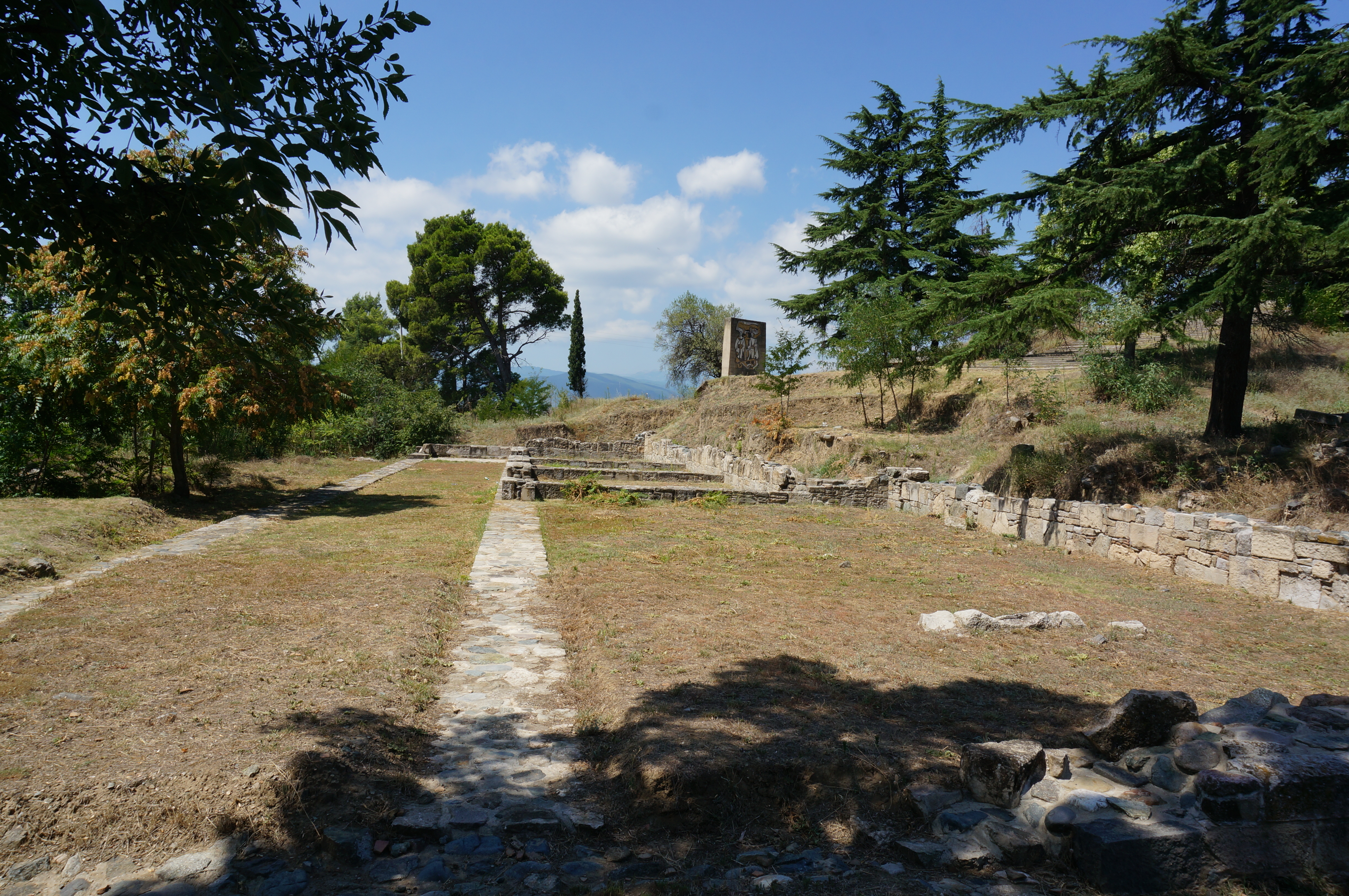
Vardarski Rid
Early Antiquity town with monumental stoa.
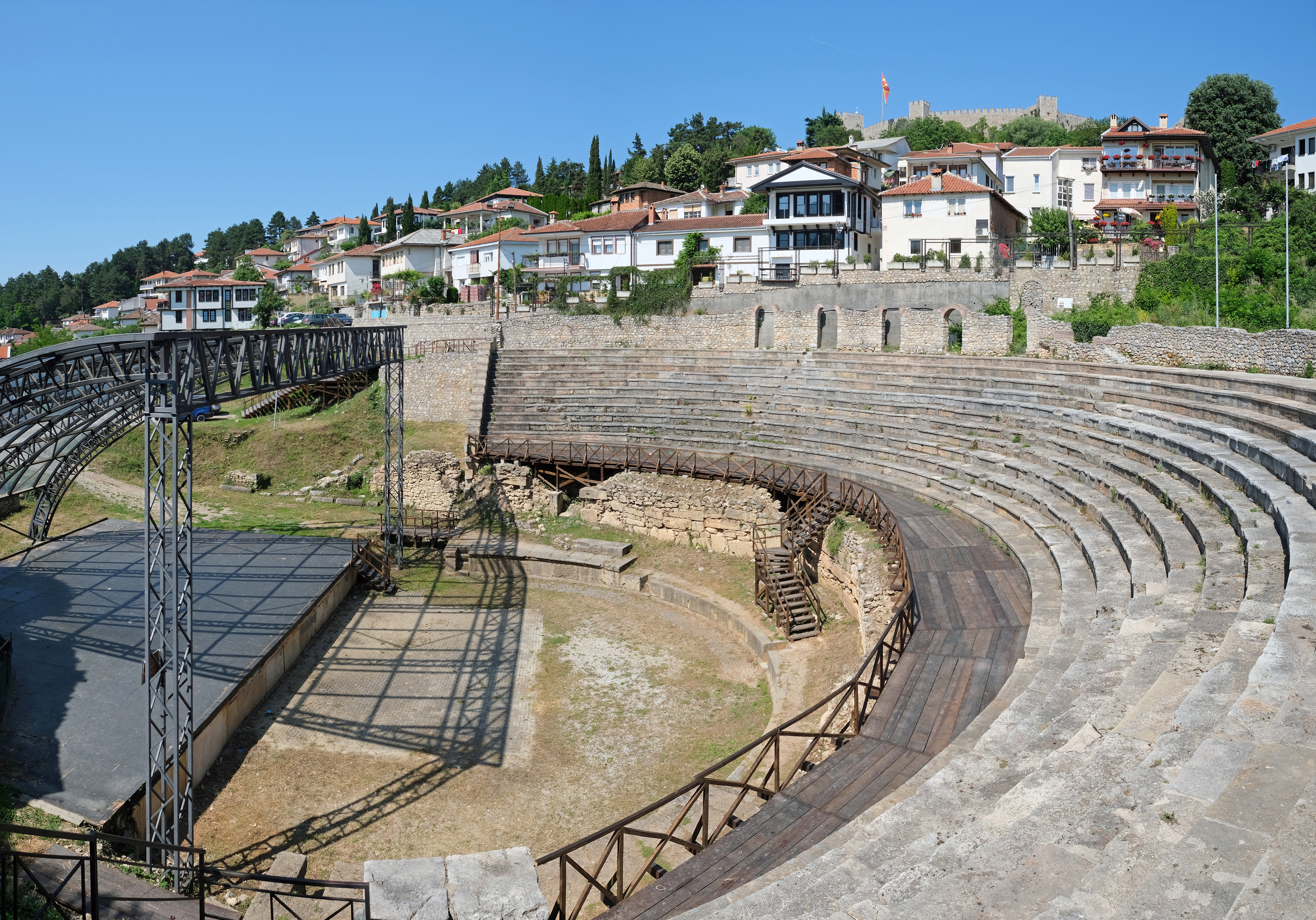
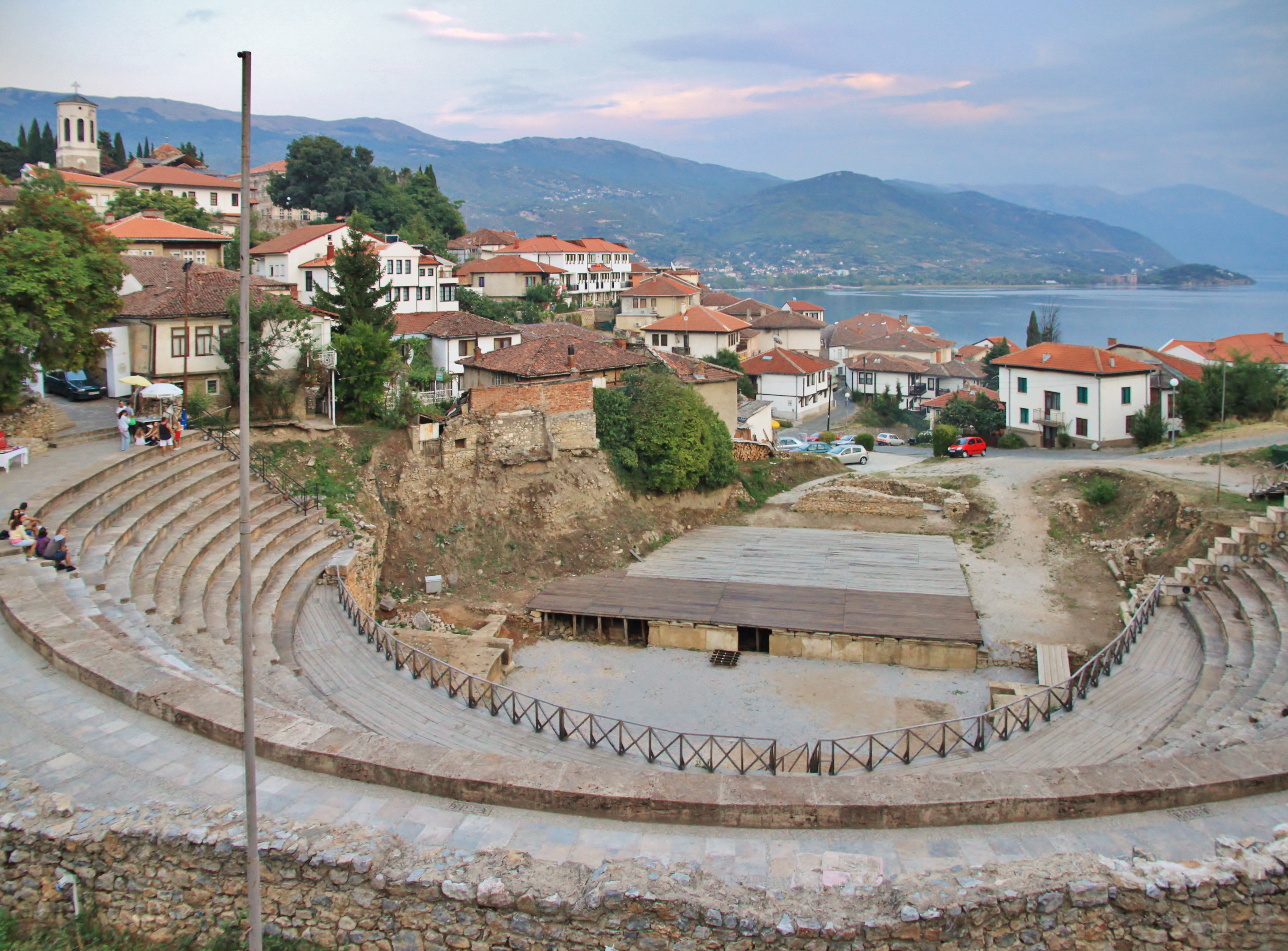
Ancient Theatre of Ohrid
Hellenistic theatre with Roman modifications.
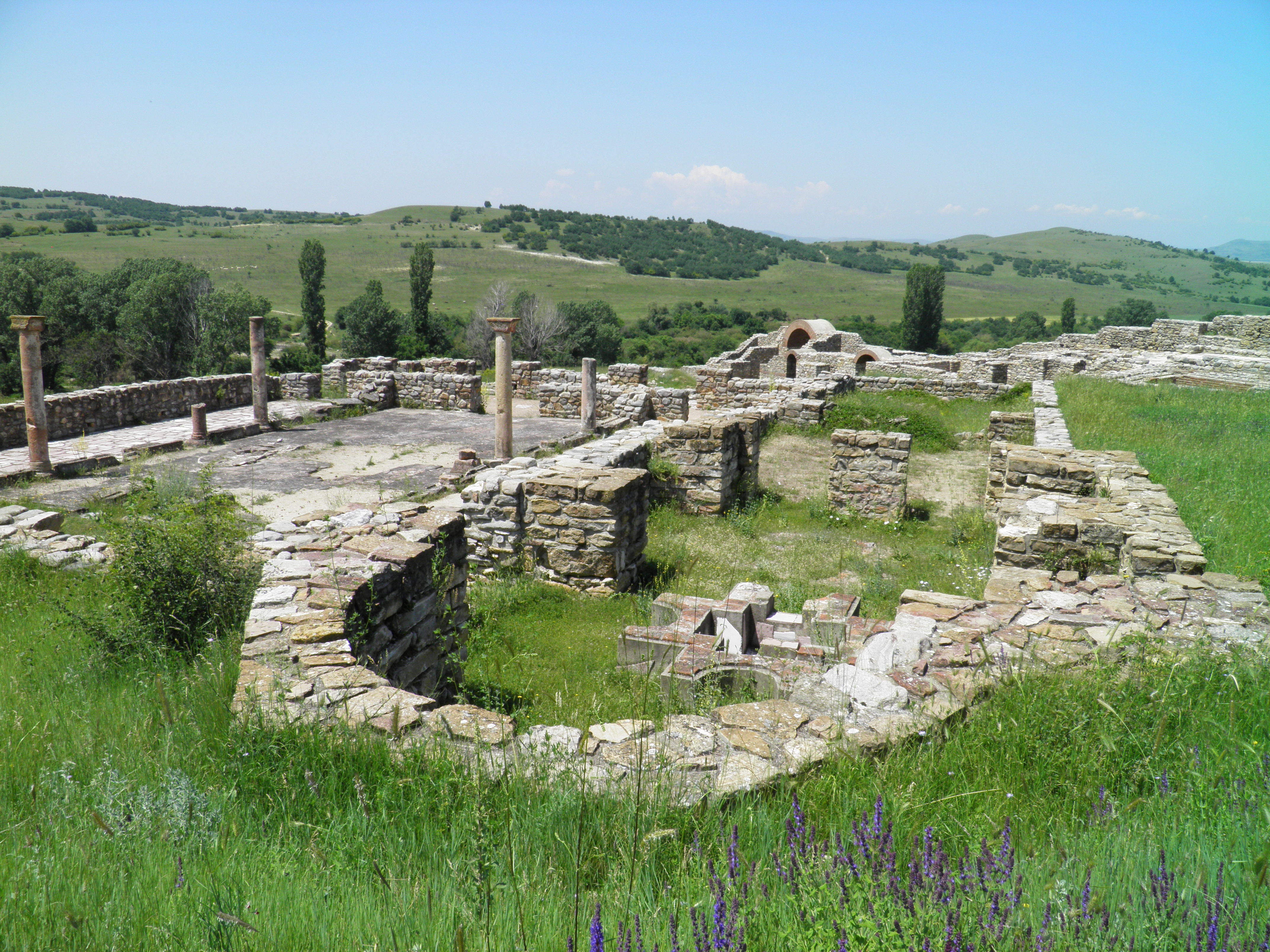
Bargala
Ancient fortified city with basilicas
Tumba Madžari
Neolithic settlement in the Skopje valley, North Macedonia
Trebeništa
Iron Age necropolis, 7th century BCE in North Macedonia
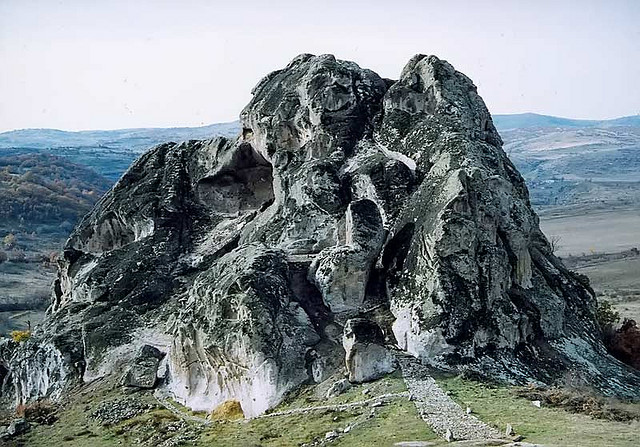
Cocev Kamen
Volcanic-origin hilltop cave with prehistoric art