Time Periods
Paleolithic
Mesolithic
Neolithic
Chalcolithic
Bronze Age
Iron Age
Classical Period
Post-Classical Period
Early Modern Period
Industrial Period
Contemporary Period
Time Periods
Paleolithic
Mesolithic
Neolithic
Chalcolithic
Bronze Age
Iron Age
Classical Period
Post-Classical Period
Early Modern Period
Industrial Period
Contemporary Period
Location
About
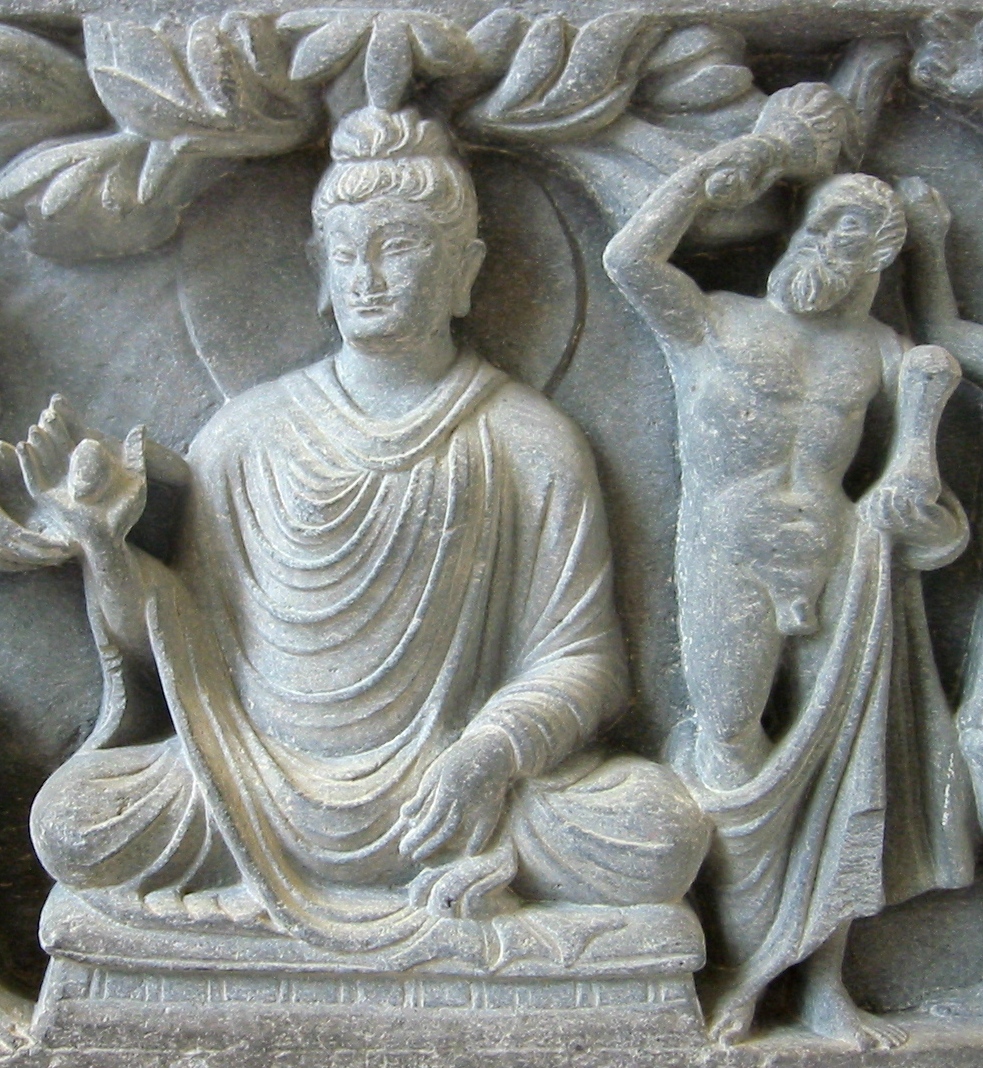
Gandhara (IAST: Gandhāra) was an ancient Indo-Aryan civilization centred in present-day north-west Pakistan and north-east Afghanistan. The core of the region of Gandhara was the Peshawar and Swat valleys extending as far east as the Pothohar Plateau in Punjab, though the cultural influence of Greater Gandhara extended westwards into the Kabul valley in Afghanistan, and northwards up to the Karakoram range. The region was a central location for the spread of Buddhism to Central Asia and East Asia with many Chinese Buddhist pilgrims visiting the region. Gāndhārī, an Indo-Aryan language written in the Kharosthi script, acted as the lingua franca of the region and through Buddhism, the language spread as far as China based on Gandhāran Buddhist texts. Famed for its unique Gandharan style of art, the region attained its height from the 1st century to the 5th century CE under the Kushan Empire which had their capital at Puruṣapura, ushering the period known as Pax Kushana. The history of Gandhara originates with the Gandhara grave culture, characterized by a distinctive burial practice. During the Vedic period Gandhara gained recognition as one of the sixteen Mahajanapadas, or 'great realms', within South Asia playing a role in the Kurukshetra War. In the 6th century BCE, King Pukkusāti governed the region and was most notable for defeating the Kingdom of Avanti though Gandhara eventually succumbed as a tributary to the Achaemenids. During the Wars of Alexander the Great, the region was split into two factions with Taxiles, the king of Taxila, allying with Alexander the Great, while the Western Gandharan tribes, exemplified by the Aśvaka around the Swat valley, resisted. Following the Macedonian downfall, Gandhara became part of the Mauryan Empire with Chandragupta Maurya receiving an education in Taxila under Chanakya and later assumed control with his support. Subsequently, Gandhara was successively annexed by the Indo-Greeks, Indo-Scythians, and Indo-Parthians though a regional Gandharan kingdom, known as the Apracharajas, retained governance during this period until the ascent of the Kushan Empire. The zenith of Gandhara's cultural and political influence transpired during Kushan rule, before succumbing to devastation during the Hunnic Invasions. However, the region experienced a resurgence under the Turk Shahis and Hindu Shahis.
Gallery
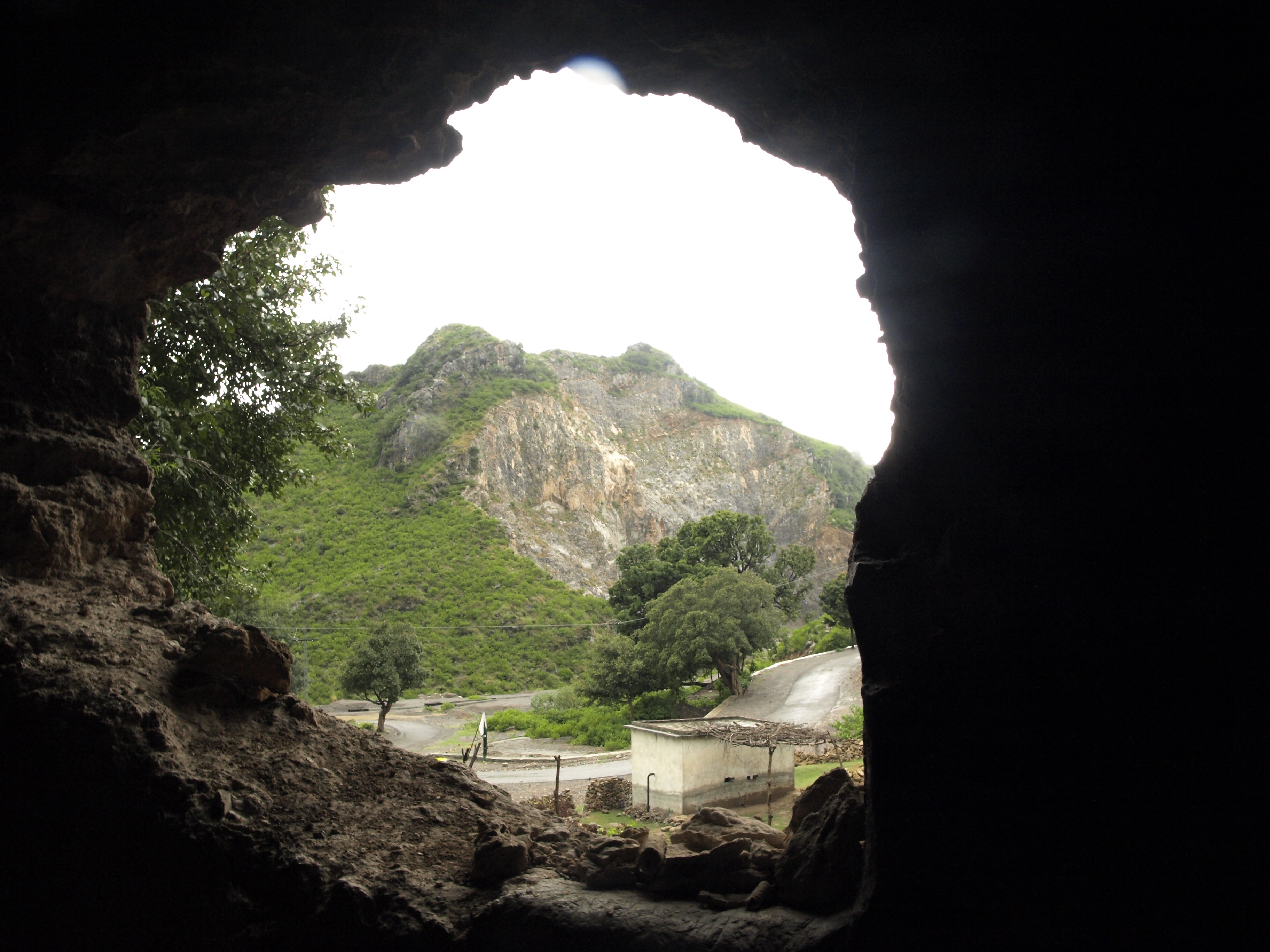
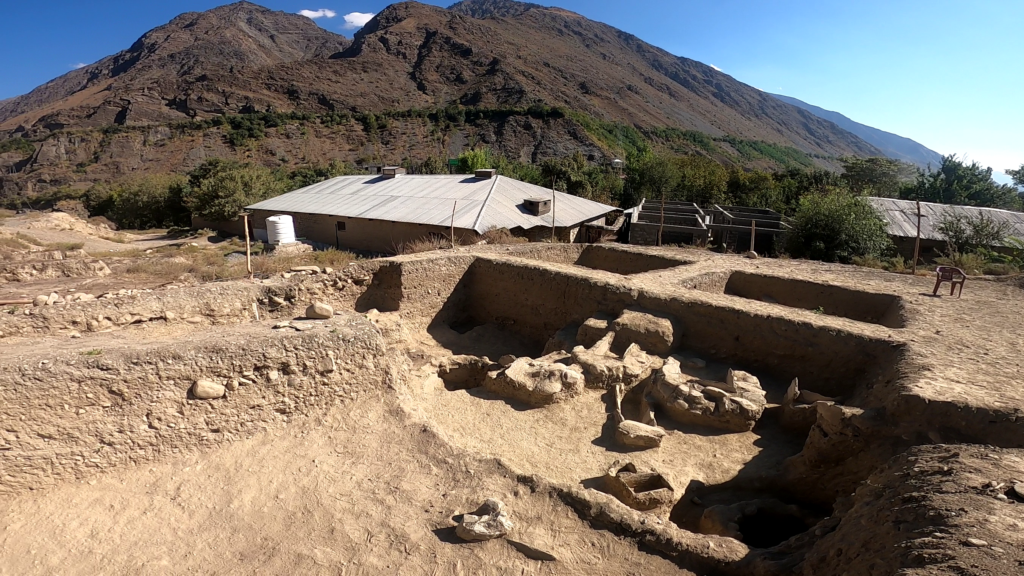
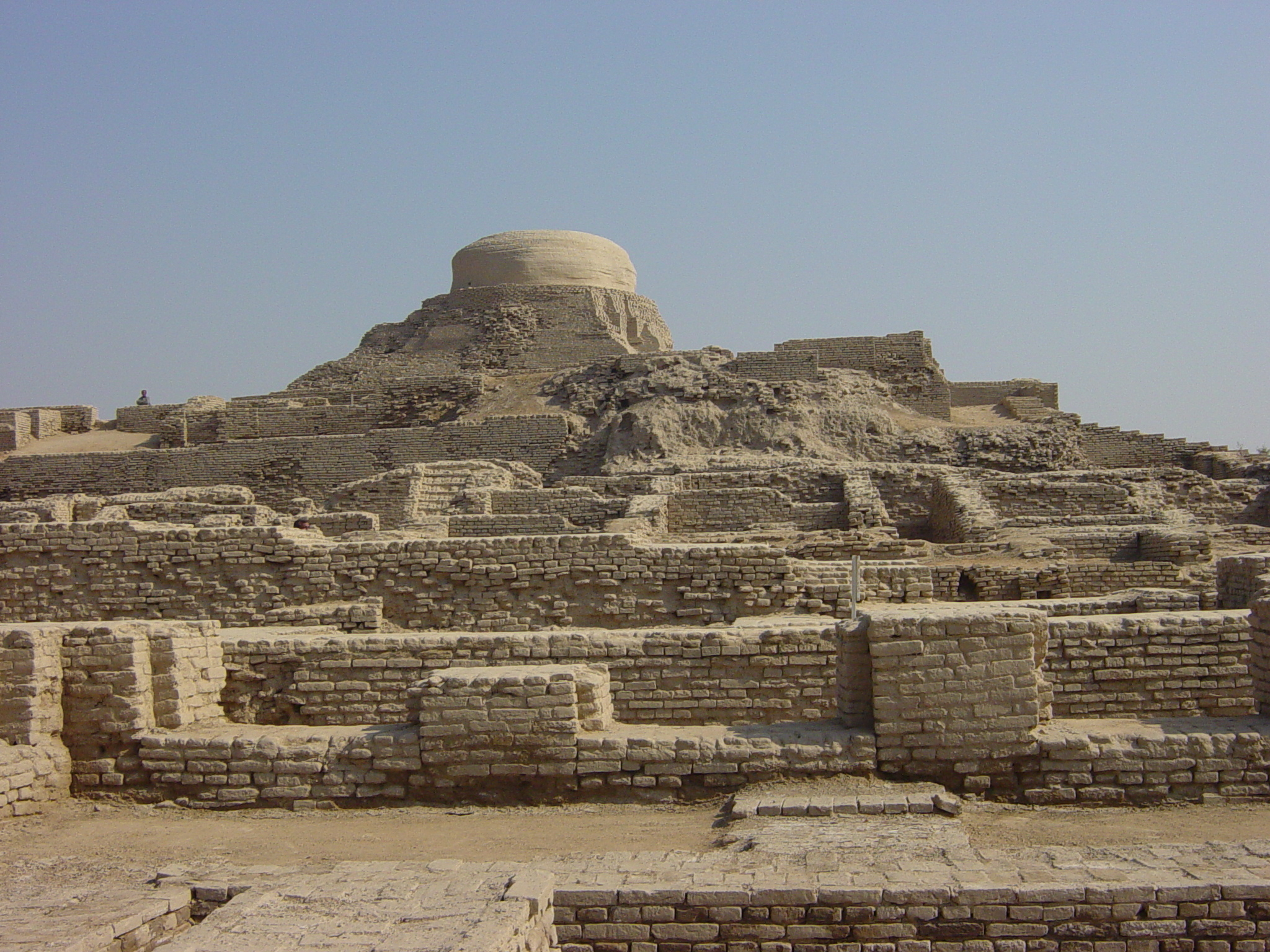
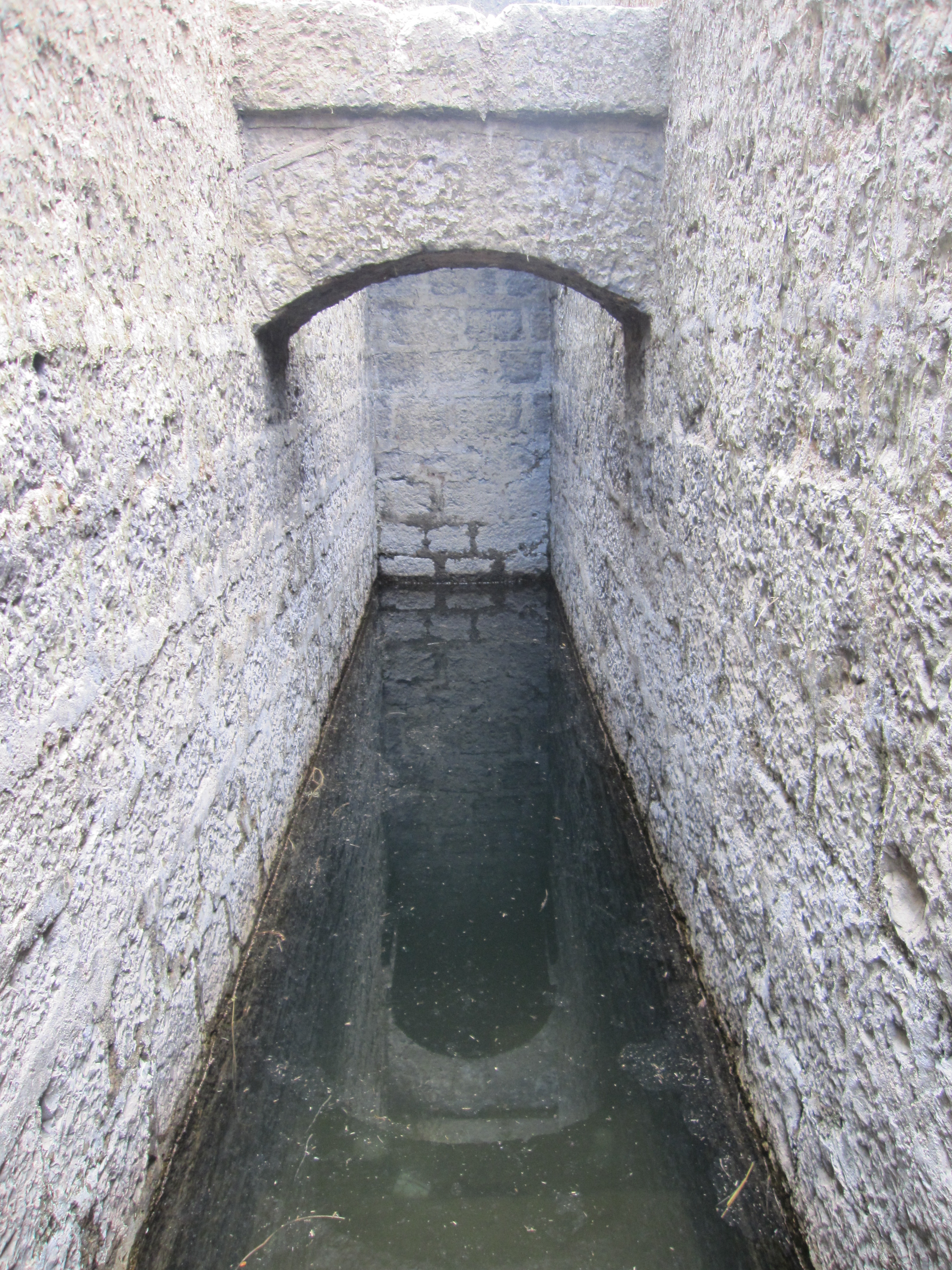
Explore photographs of ancient structures, artifacts, and archaeological excavations at Gandhara
Plan Your Visit
Details
- Country
- Pakistan
- Source
- Wikipedia