Explore the Map
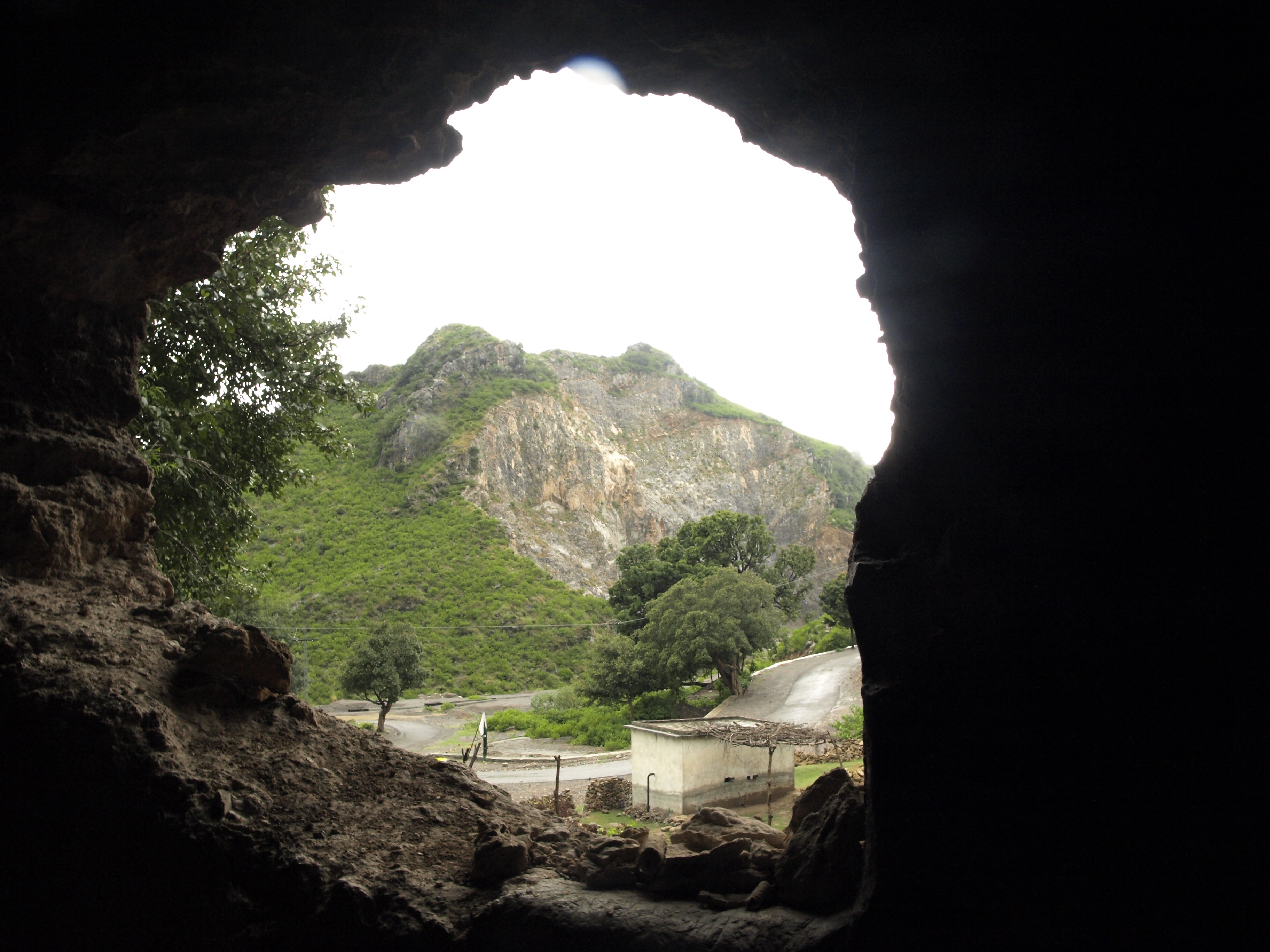
Shah Allah Ditta caves
33.7220° N, 72.9150° E
About
The Shah Allah Ditta caves, nestled in the Margalla Hills of Islamabad, Pakistan, are a significant archaeological site with a history spanning over 2,400 years. These caves, initially used by Buddhist monks for meditation, feature intricate murals and carvings of Buddha that date back to the Middle Iron Age. Over time, they have served as a spiritual retreat for Hindu sadhus and later for Muslim ascetics during the Mughal period. The site's location on a historic route between Kabul and Taxila highlights its importance as a cultural and religious waypoint. Efforts to preserve this site reflect its ongoing historical and cultural significance, marking it as a pivotal location for understanding the region's rich past.
Gallery
Explore photographs of ancient structures, artifacts, and archaeological excavations
Historical Timeline
Journey through time and discover key events in this site's history
Buddhist Monks Use Caves
400 BCE
Hindu Sadhus Use Caves
8th century CE
Muslim Ascetics Use Caves
16th century CE
Archaeological Features
Unique architectural and cultural elements found at this historical site
Artistic and Decorative Features
Domestic and Habitation Structures
Plan Your Visit
Tours, travel arrangements, and practical information
More Sites in Pakistan
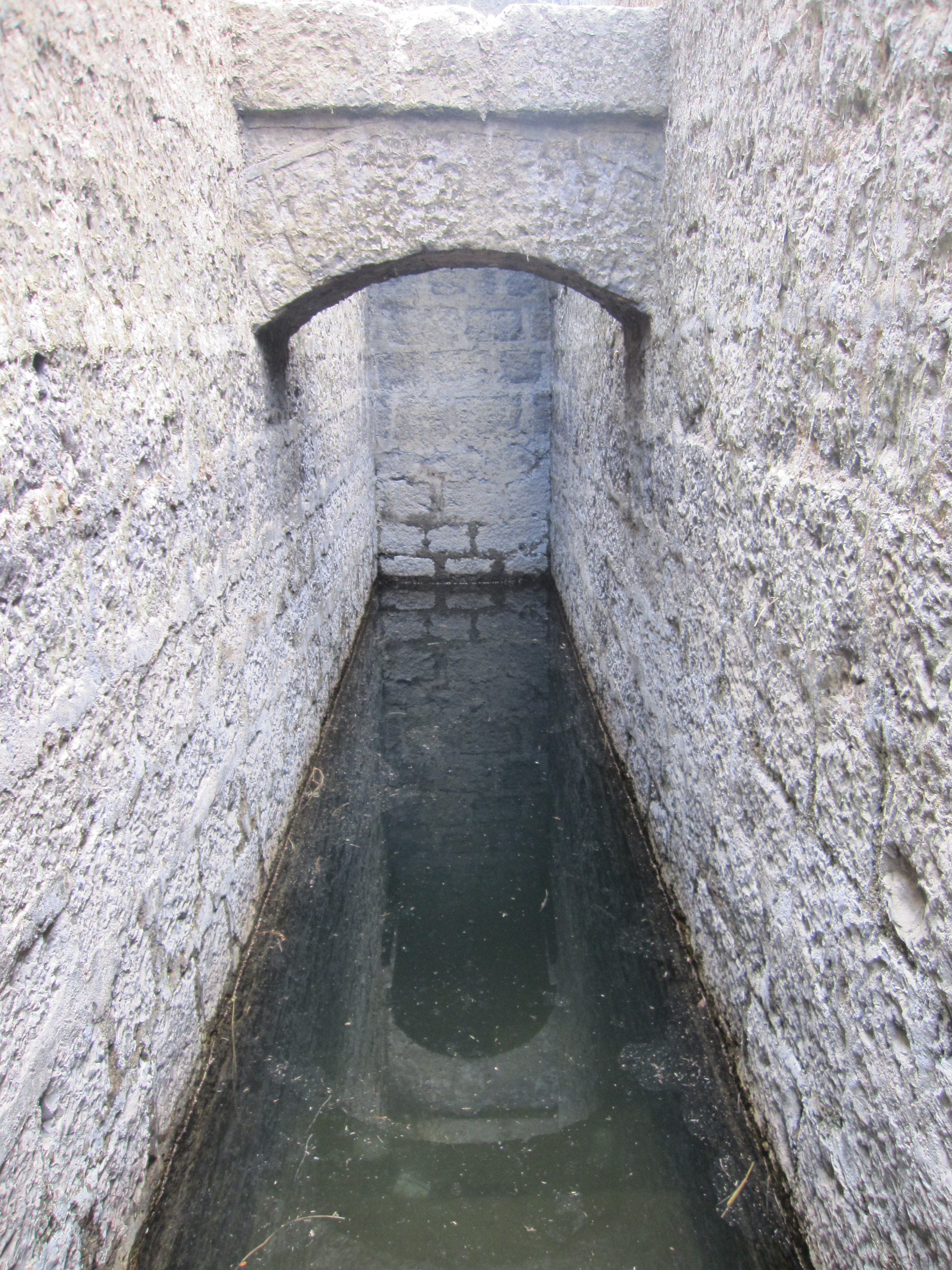
Losar Baoli
Stepwell with dressed bricks and water supply.
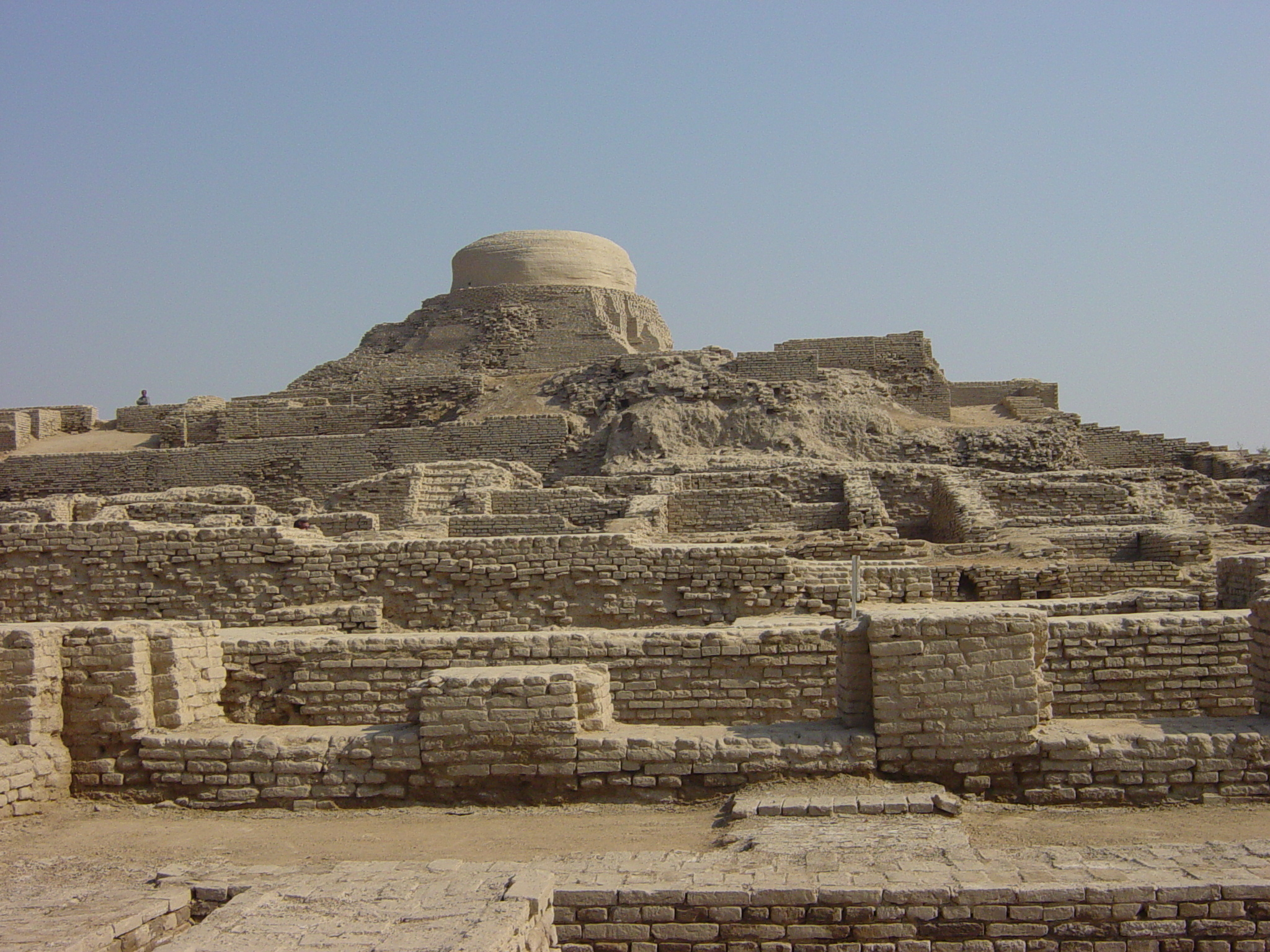
Mohenjo-daro
Ancient Indus Valley city with sophisticated infrastructure
Archaeological Ruins at Moenjodaro
<p>The ruins of the huge city of Moenjodaro – built entirely of unbaked brick in the 3rd millennium B.C. – lie in the Indus valley. The…
Taxila
<p>From the ancient Neolithic tumulus of Saraikala to the ramparts of Sirkap (2nd century B.C.) and the city of Sirsukh (1st century A.D.), Taxila…
Buddhist Ruins of Takht-i-Bahi and Neighbouring City Remains at Sahr-i-Bahlol
<p>The Buddhist monastic complex of Takht-i-Bahi (Throne of Origins) was founded in the early 1st century. Owing to its location on the crest of a high…
Historical Monuments at Makli, Thatta
<p>The capital of three successive dynasties and later ruled by the Mughal emperors of Delhi, Thatta was constantly embellished from the 14th to the 18th…