Explore the Map
Cerro Sechín
-9.4763° N, -78.2567° E
About
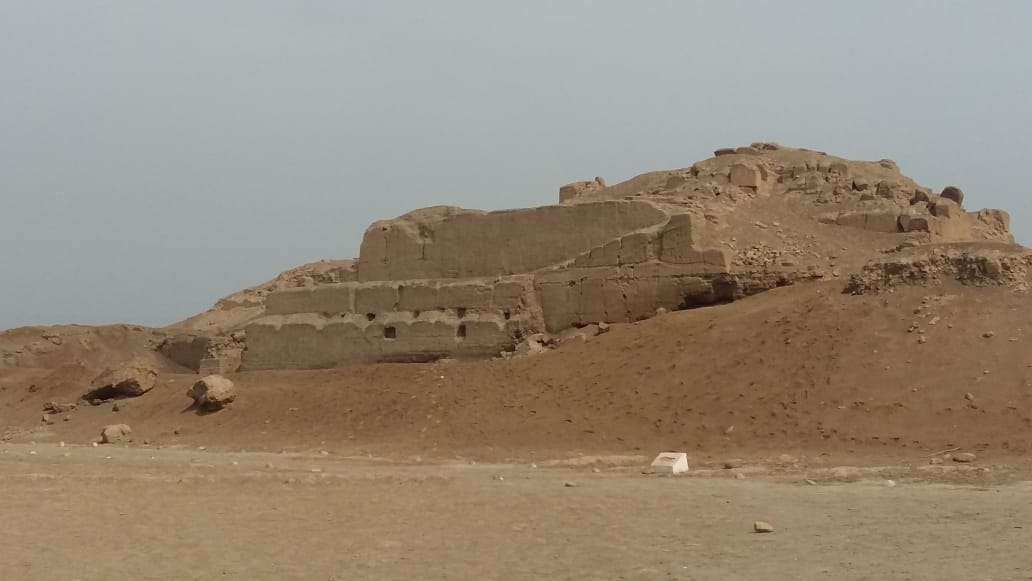
Cerro Sechín (also Sechín de las Estelas) is an archaeological site in Casma Province of Ancash Region in northern Peru. Dating to 1600 BC, the site was discovered by Peruvian archaeologists Julio C. Tello and Toribio Mejía Xesspe on July 1, 1937. Tello believed it was the capital of an entire culture, now known as the Casma/Sechin culture or Sechin complex. Notable features include megalithic architecture with carved figures in bas-relief, which graphically dramatize human sacrifices. Cerro Sechín is situated within the Sechin Alto Complex, as are Sechin Bajo, and Taukachi-Konkan. There is a small on-site museum. The slabs at Cerro Sechin may represent the central Andes' oldest known monumental sculpture.
Historical Timeline
Journey through time and discover key events in this site's history
Discovery of Cerro Sechín
1 July 1937
End of primary use
c. 1500 BC
Site occupation date
c. 1600 BC
Sechín Bajo modern excavations
1990 (excavations begin); 2008 (deeper layer found)
Completed before 2000 BC
before 2000 BC
Clay building phases
2400–2300 BC
Sechin Bajo circular plaza (Late Archaic)
c. 3500 BC
Archaeological Features
Unique architectural and cultural elements found at this historical site
Storage Structures
Public and Civic Structures
Industrial and Craft Structures
Religious and Ritual Structures
Artistic and Decorative Features
Domestic and Habitation Structures
Frequently Asked Questions
Plan Your Visit
Tours, travel arrangements, and practical information
More Sites in Peru
Tinyaq
Inca period storehouses on a mountain
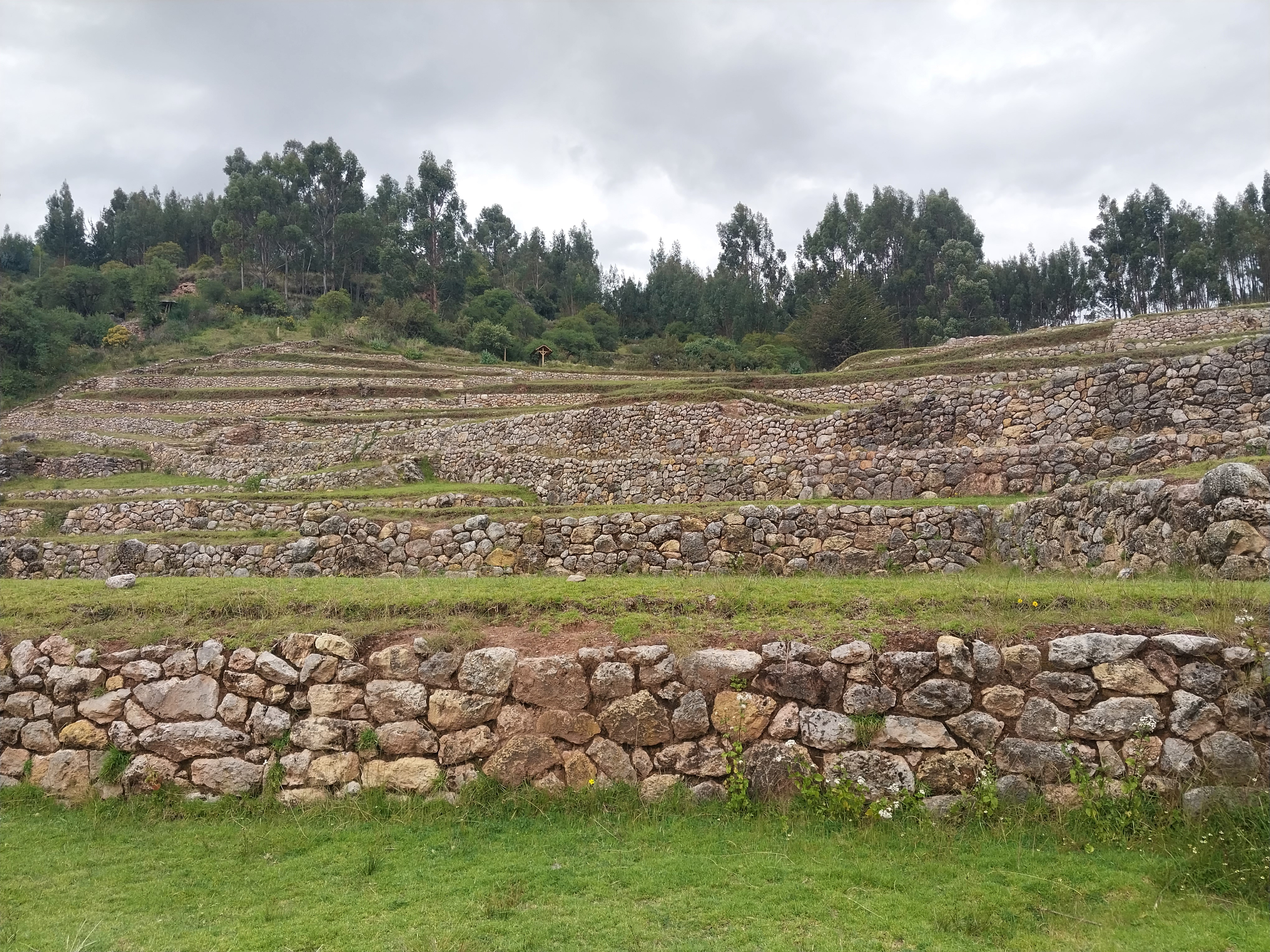
Inkilltambo
Ancient Peruvian site with cultivated terrain.
Machu Pirqa
Ancient Chachapoyas wall in Peru.
Taqrachullu
Rocky confluence site with cultural heritage.
La Centinela
Adobe pyramids in Chincha Valley, Peru.
Tunanmarca
Hilltop archaeological site with ancient structures