Explore the Map
Huayna Picchu
-13.1575° N, -72.5472° E
About
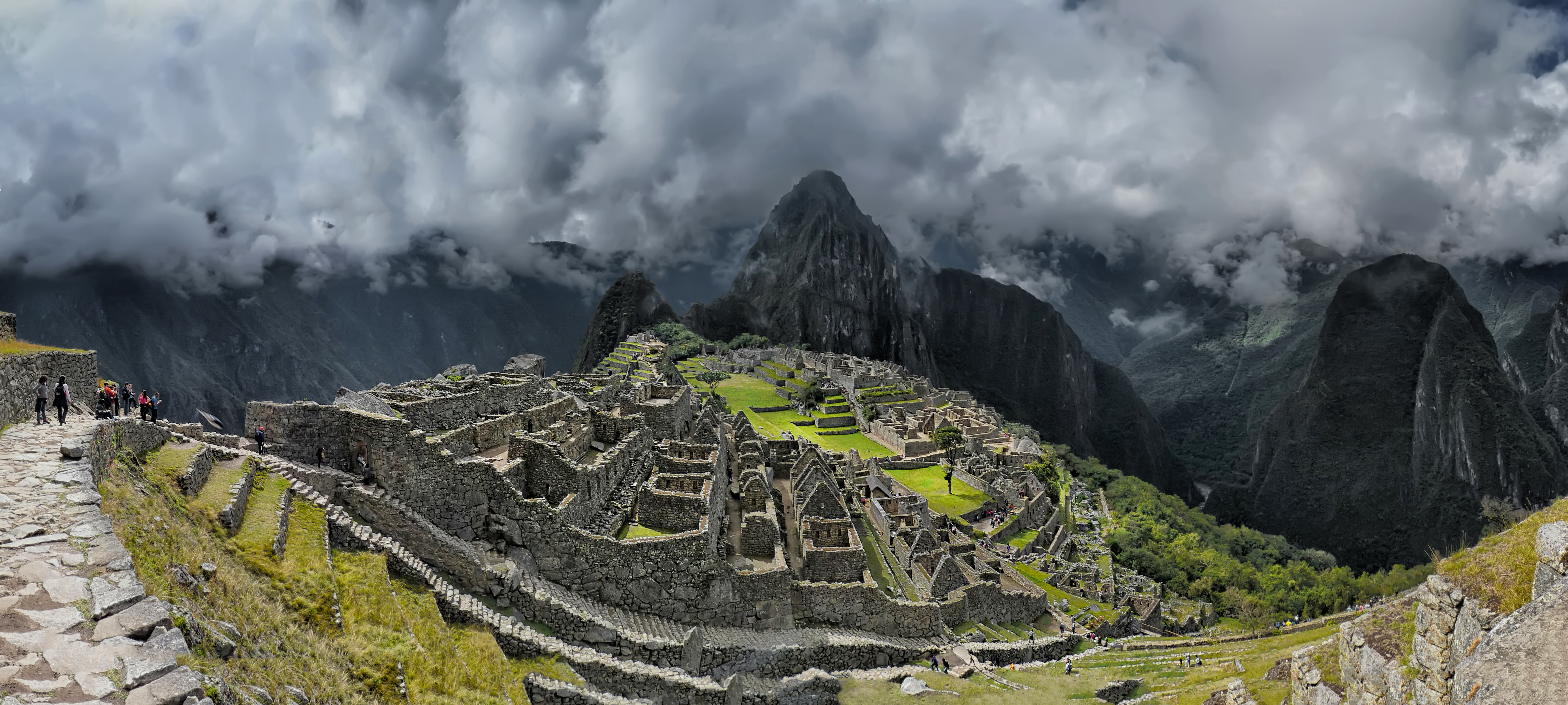
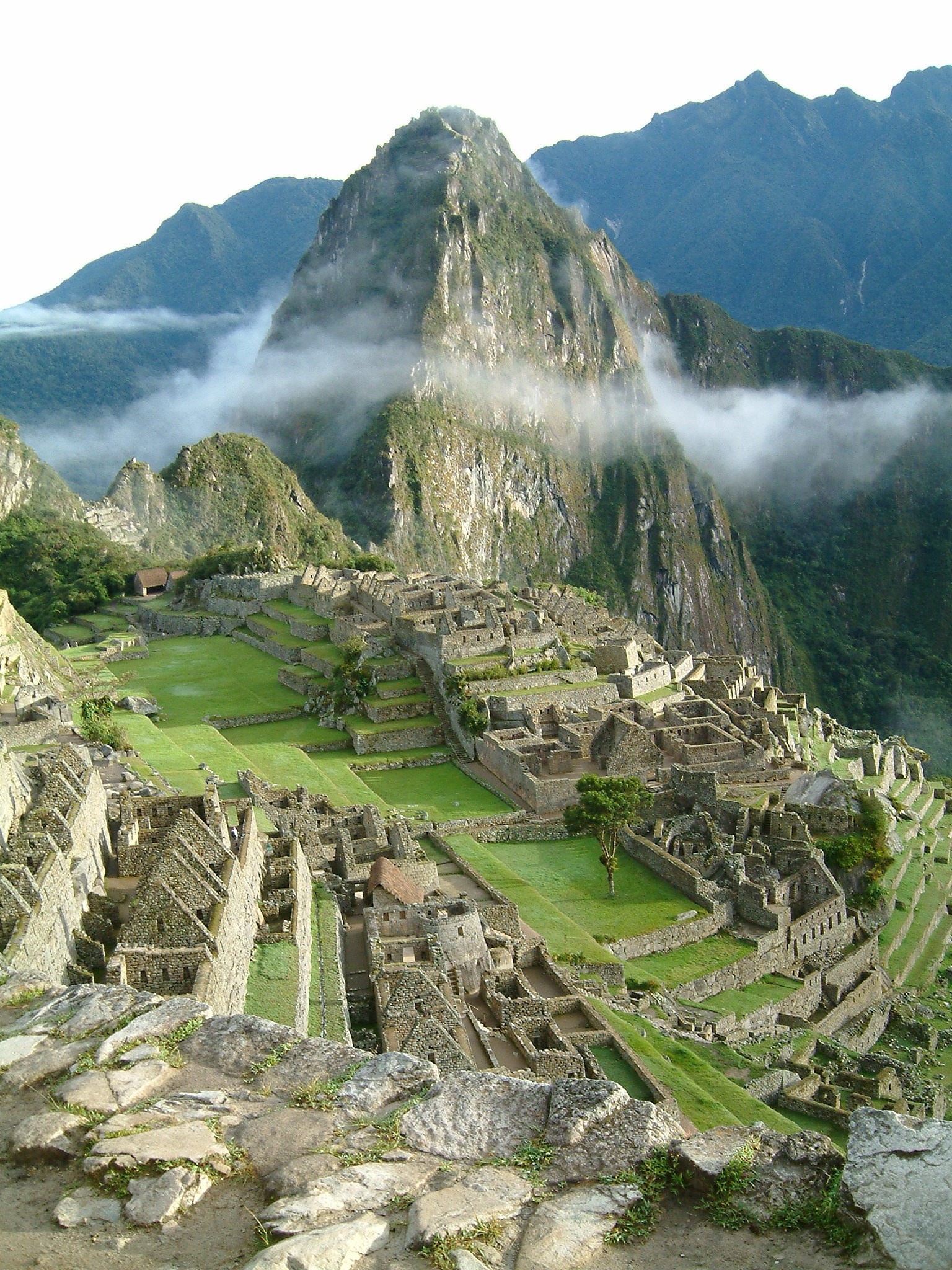
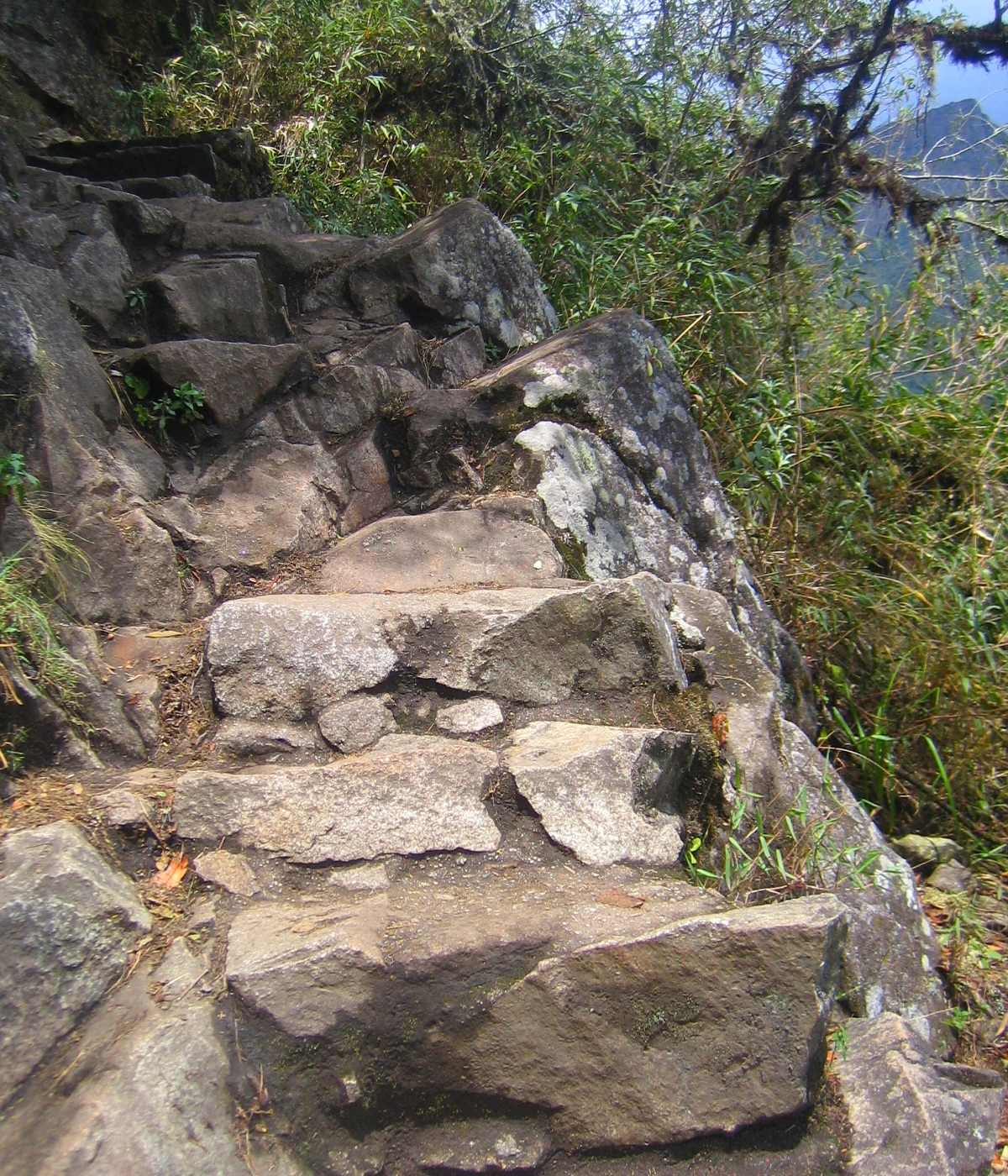
Huayna Picchu is a prominent mountain in Peru, rising over the famous archaeological site of Machu Picchu. It features a steep and challenging trail constructed by the Incas, leading to the summit where temples and terraces were built. The mountain was historically significant as the residence for the high priest and local virgins, with a daily ritual to greet the new day. Significant structures include the Temple of the Moon and the Great Cavern, both showcasing fine masonry and believed to have elite or funerary uses. The site highlights the Incas' architectural prowess and their integration of natural landscapes with constructed features. It remains an important destination for both its historical significance and its breathtaking views.
Gallery
Explore photographs of ancient structures, artifacts, and archaeological excavations
Historical Timeline
Journey through time and discover key events in this site's history
Inca Construction
1400s CE
Archaeological Features
Unique architectural and cultural elements found at this historical site
Burial and Funerary Structures
Religious and Ritual Structures
Agricultural and Land Use Features
Frequently Asked Questions
Plan Your Visit
Tours, travel arrangements, and practical information
More Sites in Peru
Tunanmarca
Hilltop archaeological site with ancient structures
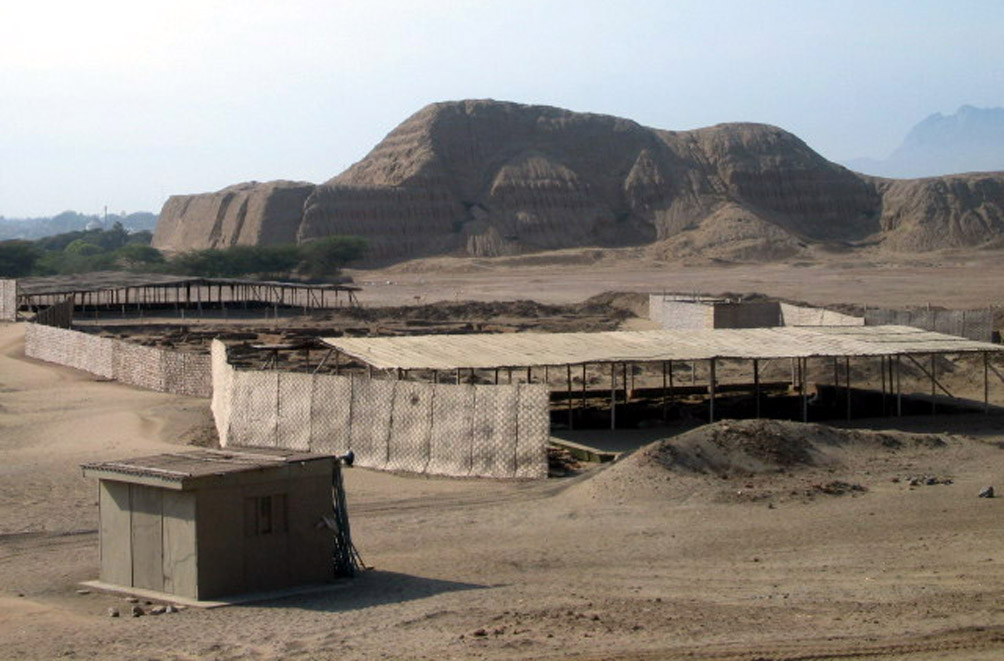
Huaca del Sol
Largest pre-Columbian adobe pyramid in Peru
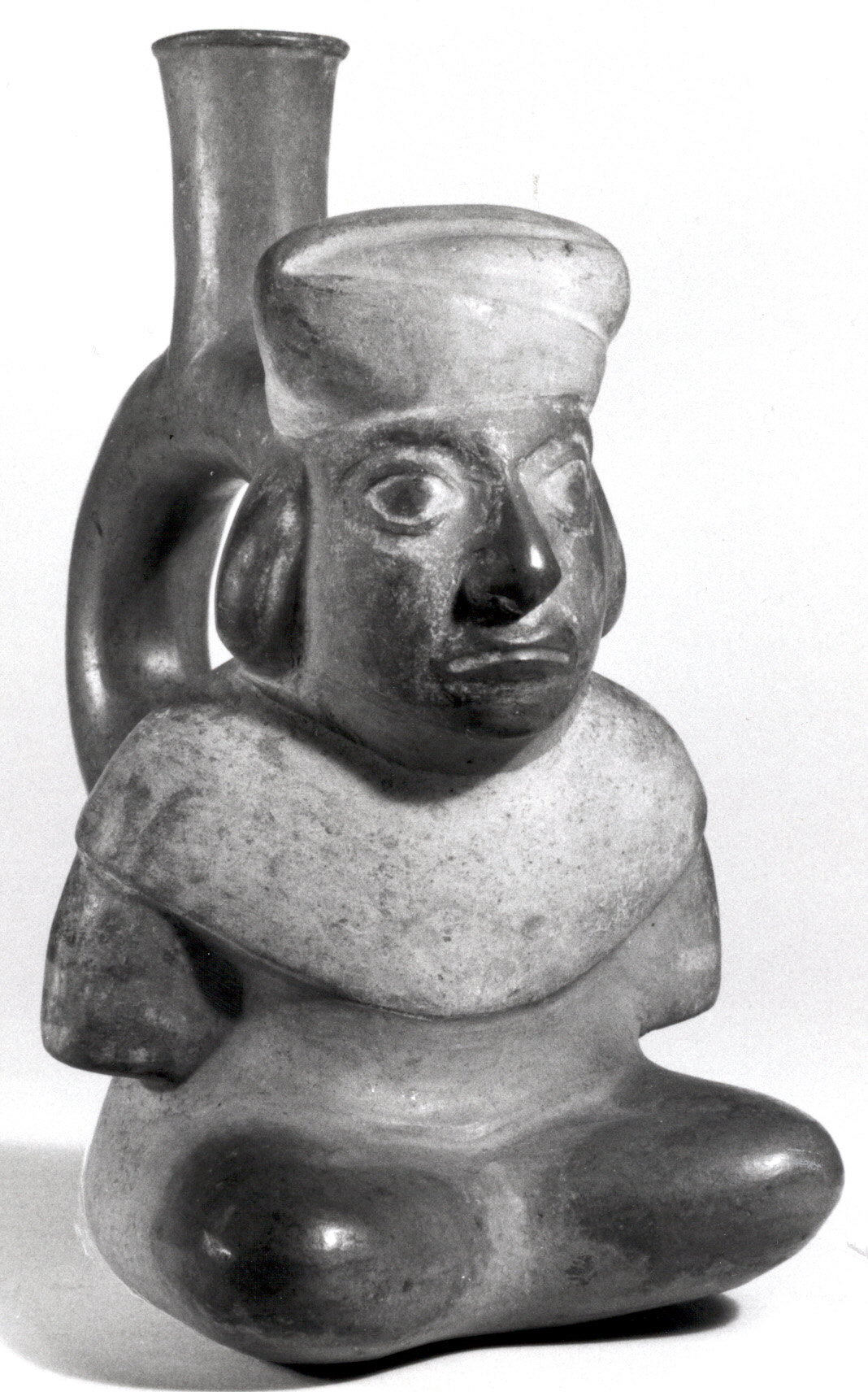
Taqrachullu
Rocky confluence site with cultural heritage.
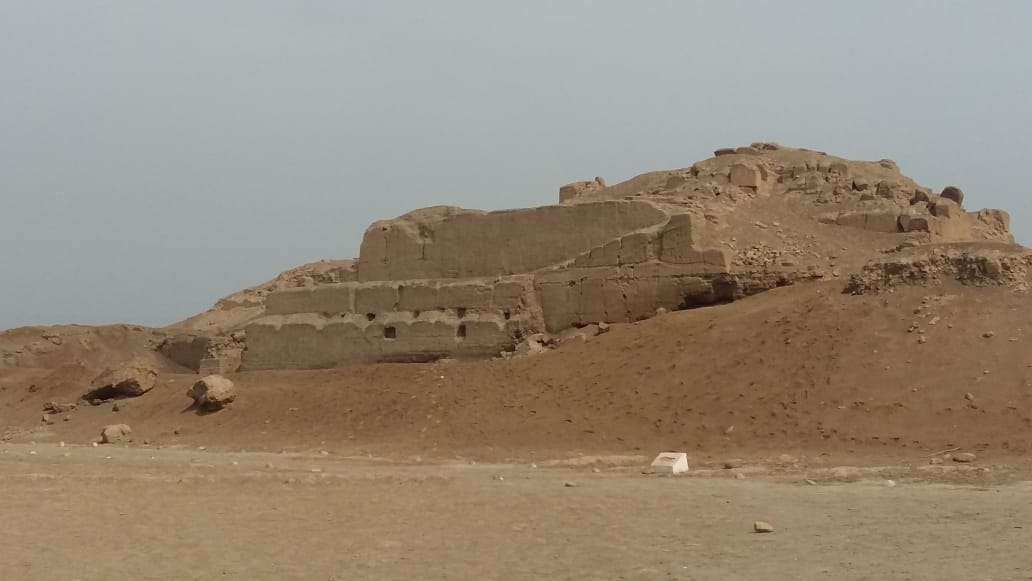
La Centinela
Adobe pyramids in Chincha Valley, Peru.
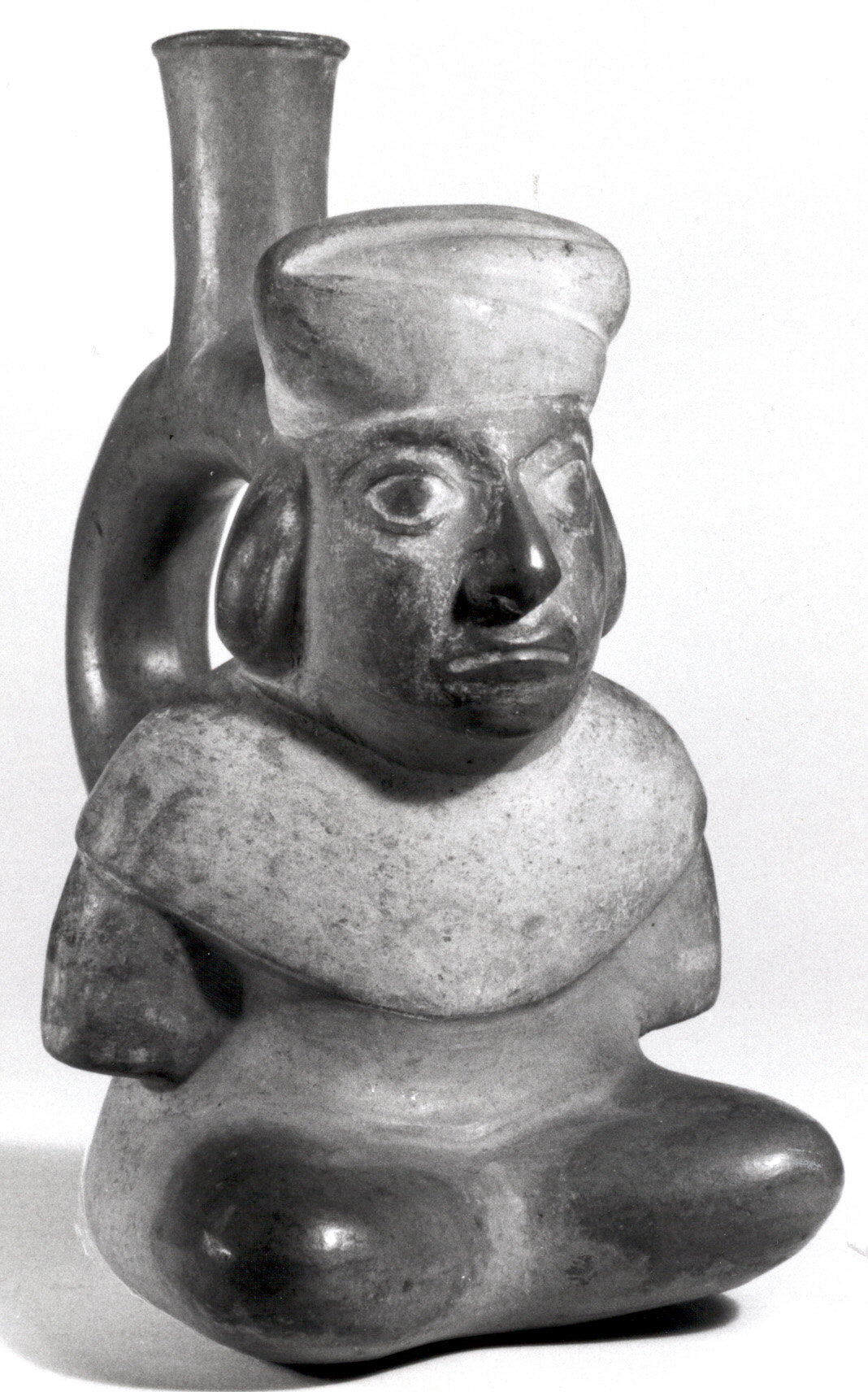
Tinyaq
Inca period storehouses on a mountain
Tikra
Circular buildings and burial towers in Peru