Explore the Map
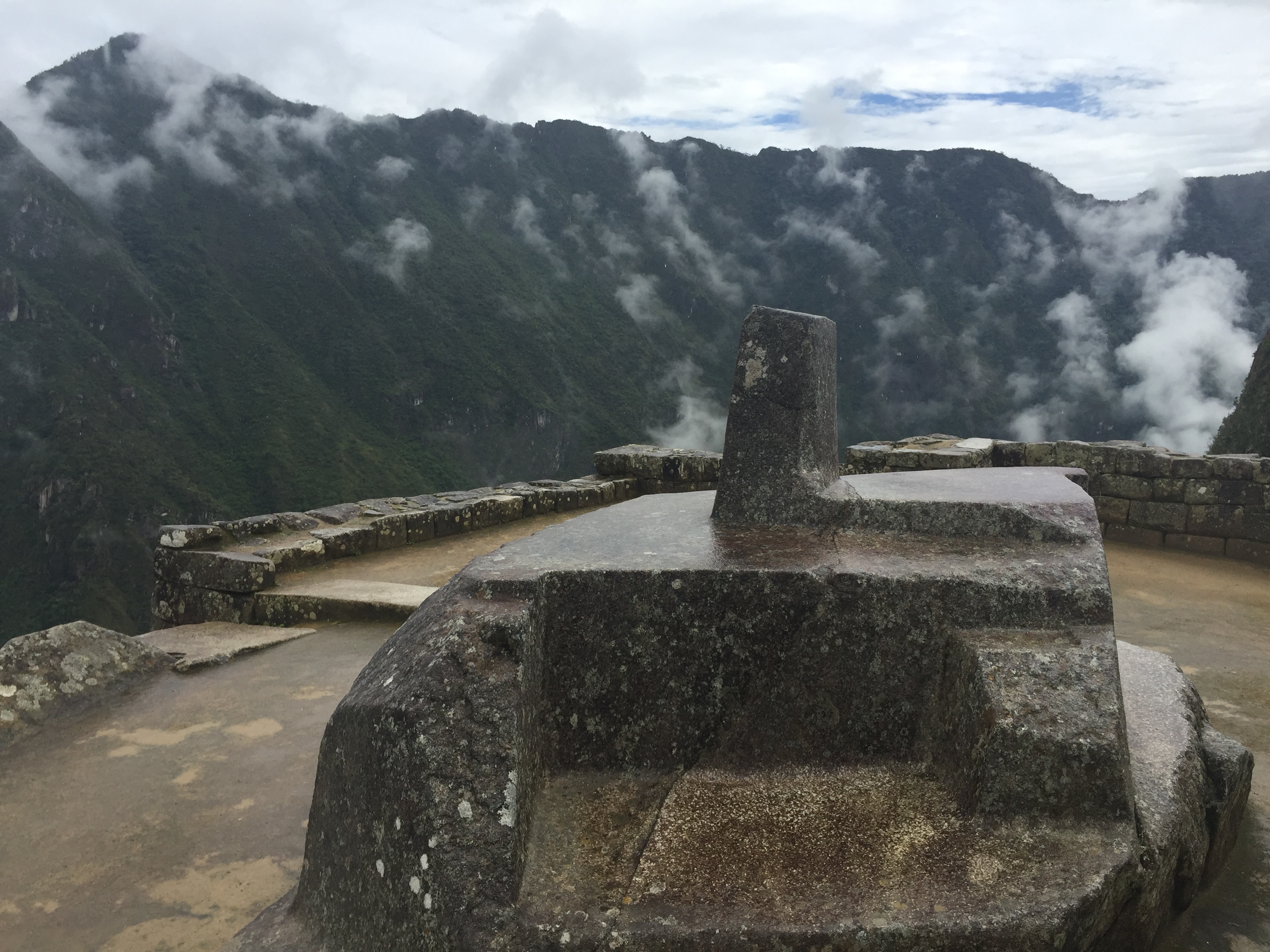
Intihuatana, Urubamba
-13.1651° N, -72.5455° E
About
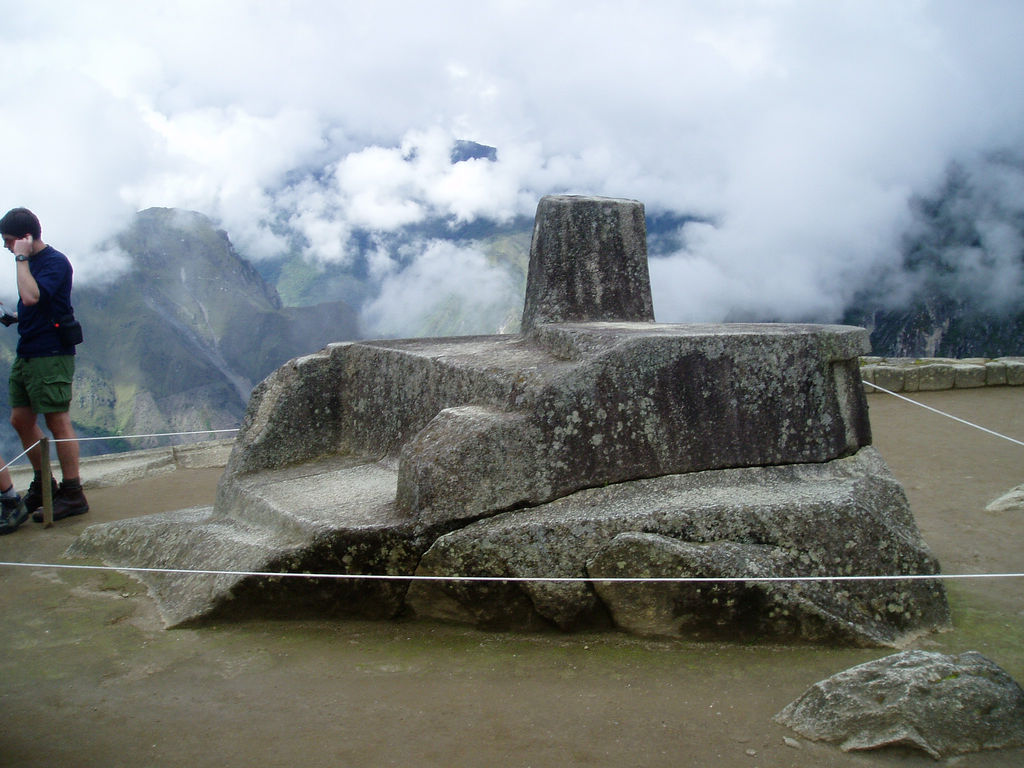
The Intihuatana stone at Machu Picchu is a significant archaeological feature with notable religious and astronomical associations. Carved directly into the mountain's bedrock, it features complex surfaces, planes, and angles, with an upright stone column tilting 13 degrees northward. Historically, it was possibly used as a sundial, aligning with the sun's position during the solstices and equinoxes. The Inca believed it held the sun in place along its annual path, making it both a timekeeping device and a religious artifact. Intihuatana's intact discovery by Bingham in 1911 suggests it escaped the Spanish destruction of Incan religious symbols due to its hidden location. Its dual role in religious and astronomical functions highlights its importance in Incan society.
Gallery
Explore photographs of ancient structures, artifacts, and archaeological excavations
Historical Timeline
Journey through time and discover key events in this site's history
Construction of Machu Picchu
1450 CE
Destruction of Intihuatana
16th century CE
Archaeological Features
Unique architectural and cultural elements found at this historical site
Religious and Ritual Structures
Astronomical and Timekeeping Structures
Frequently Asked Questions
Plan Your Visit
Tours, travel arrangements, and practical information
More Sites in Peru
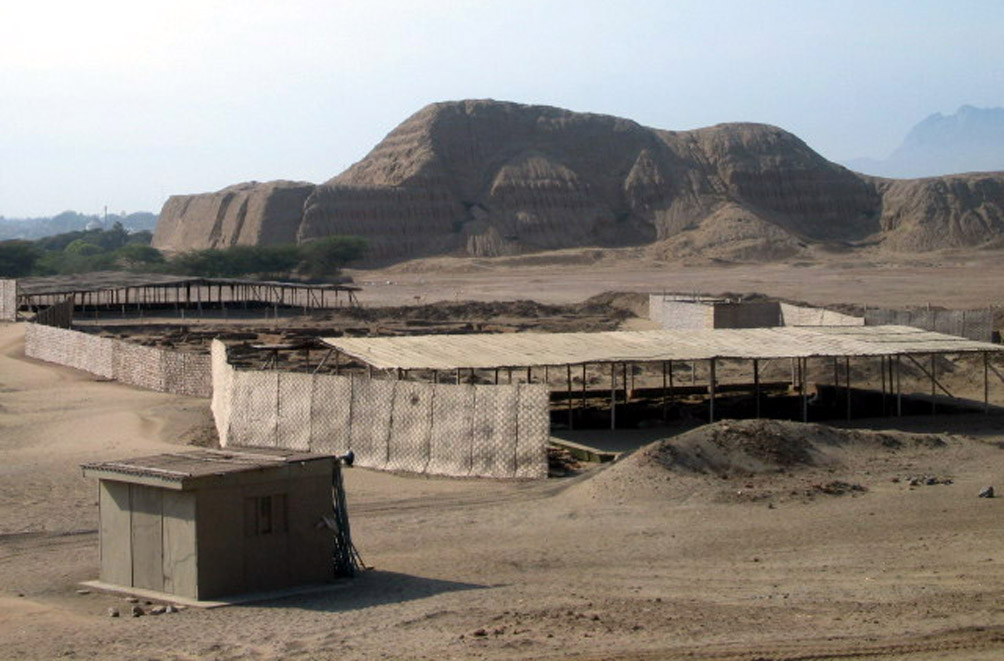
Huaca del Sol
Largest pre-Columbian adobe pyramid in Peru
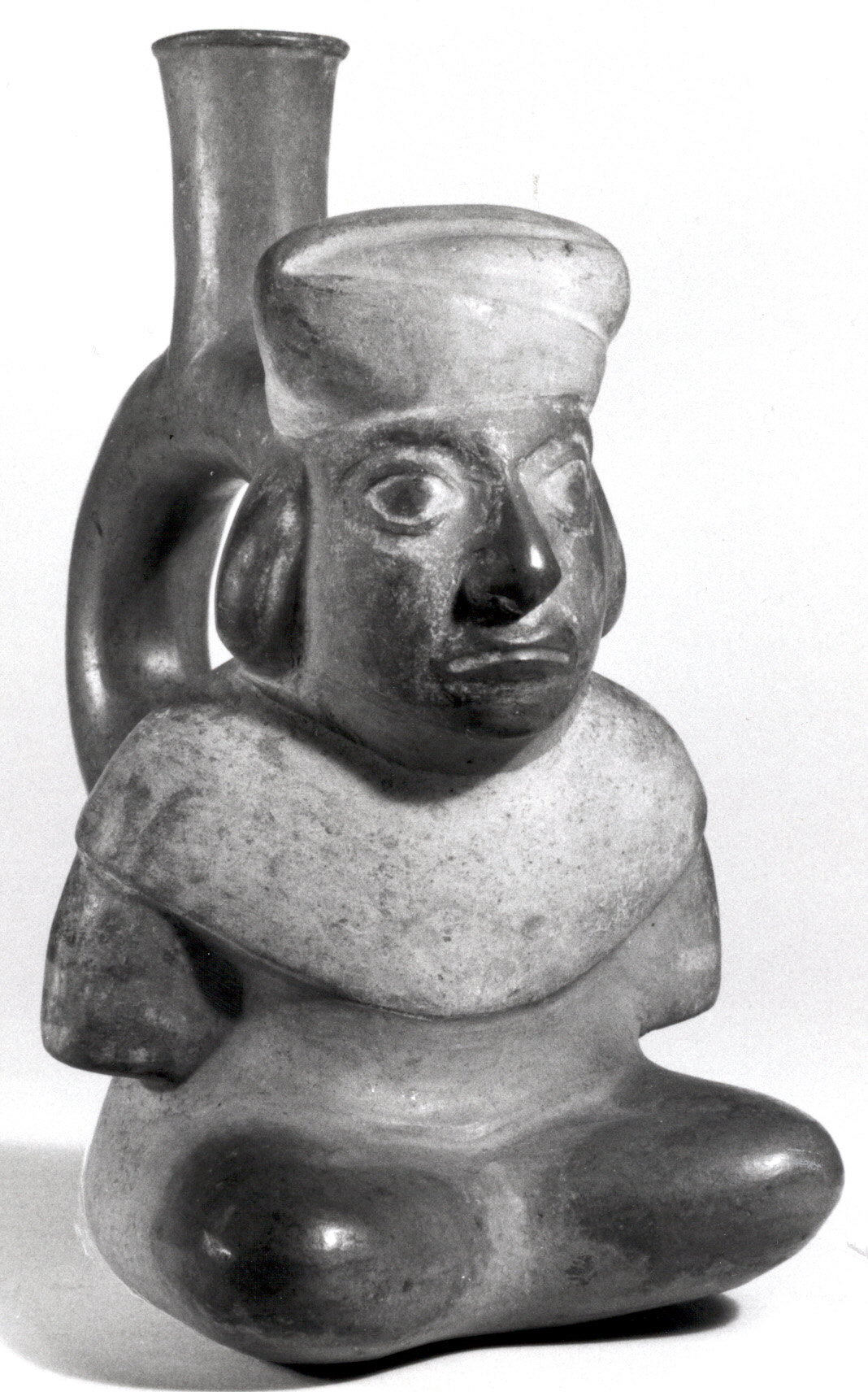
Taqrachullu
Rocky confluence site with cultural heritage.
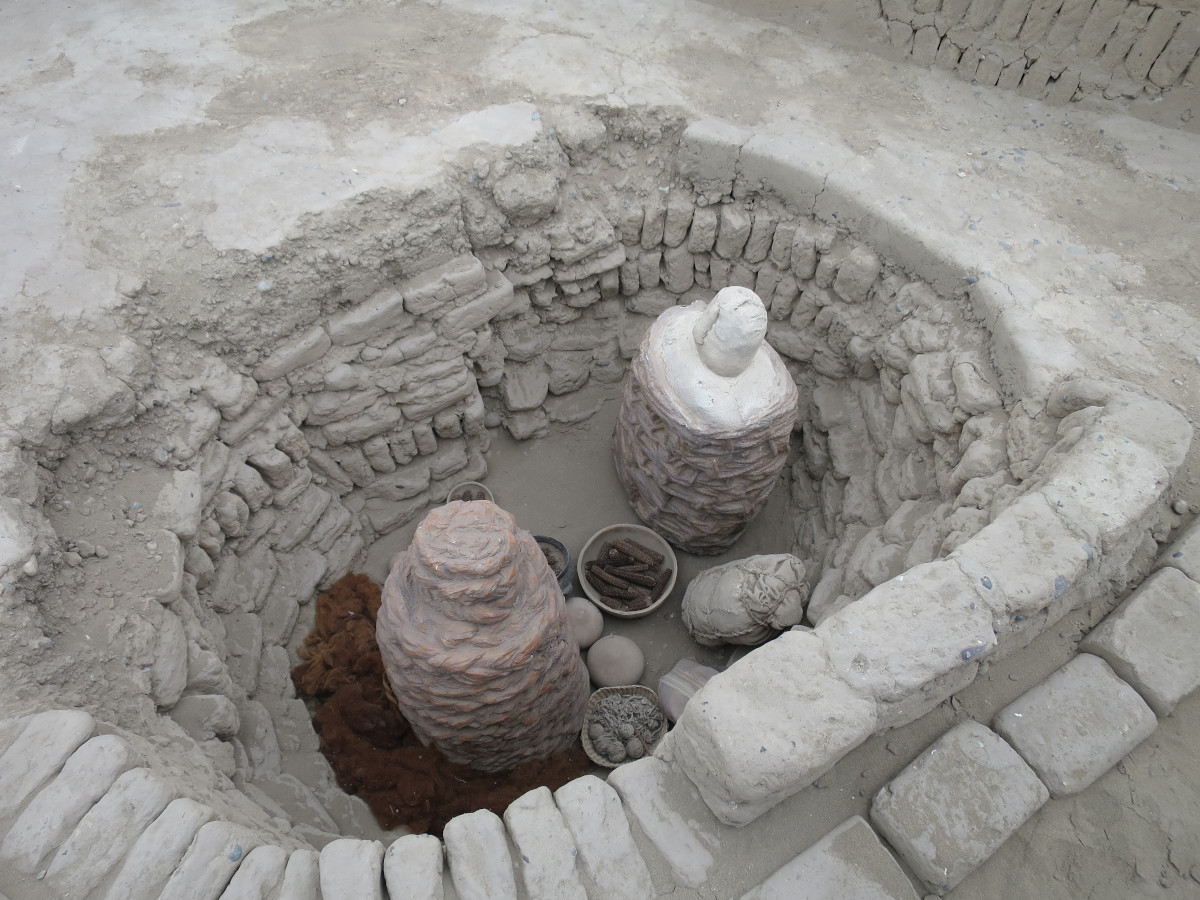
Huaca Pucllana
Adobe pyramid with ceremonial and administrative areas
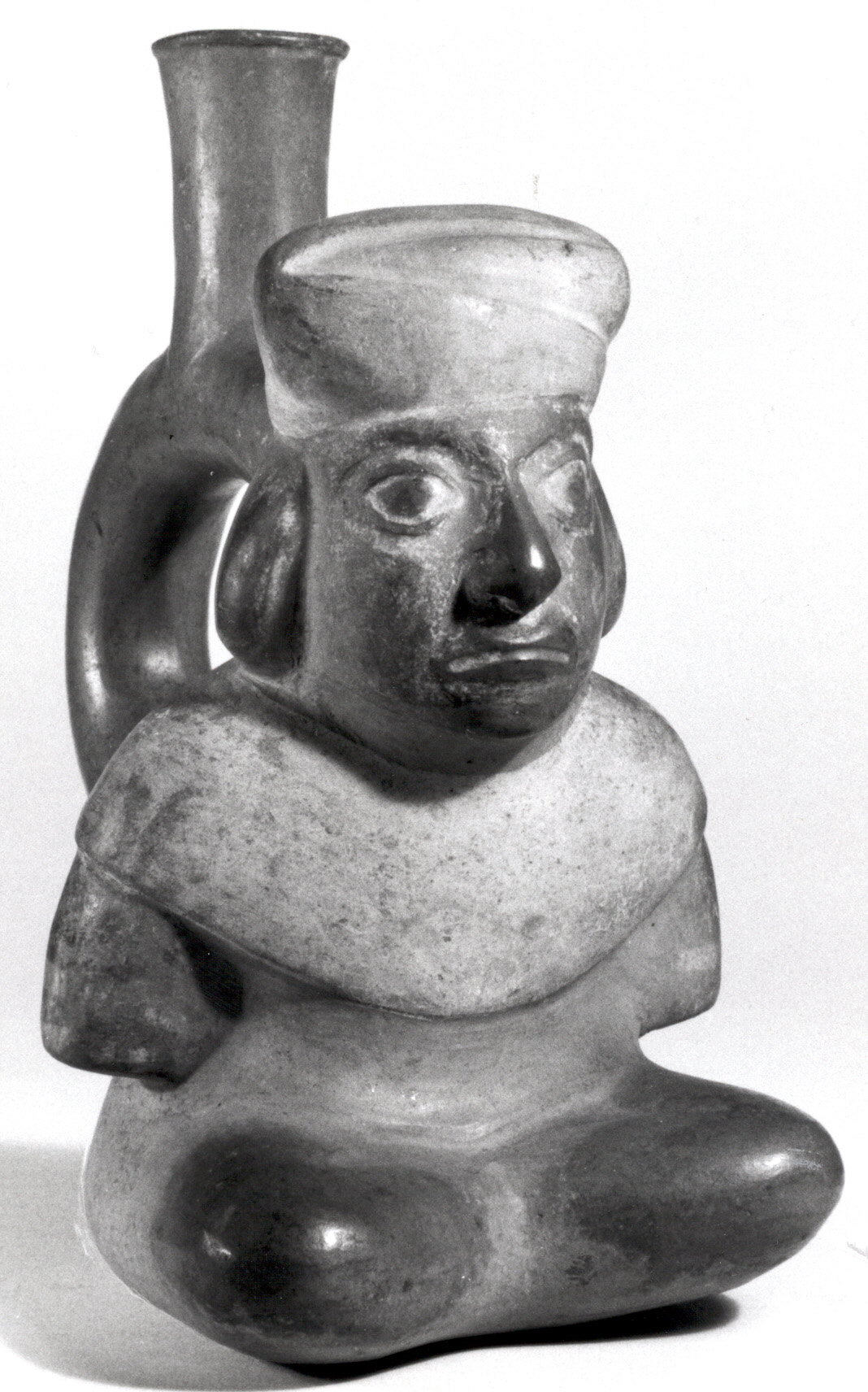
Tikra
Circular buildings and burial towers in Peru
Tunanmarca
Hilltop archaeological site with ancient structures
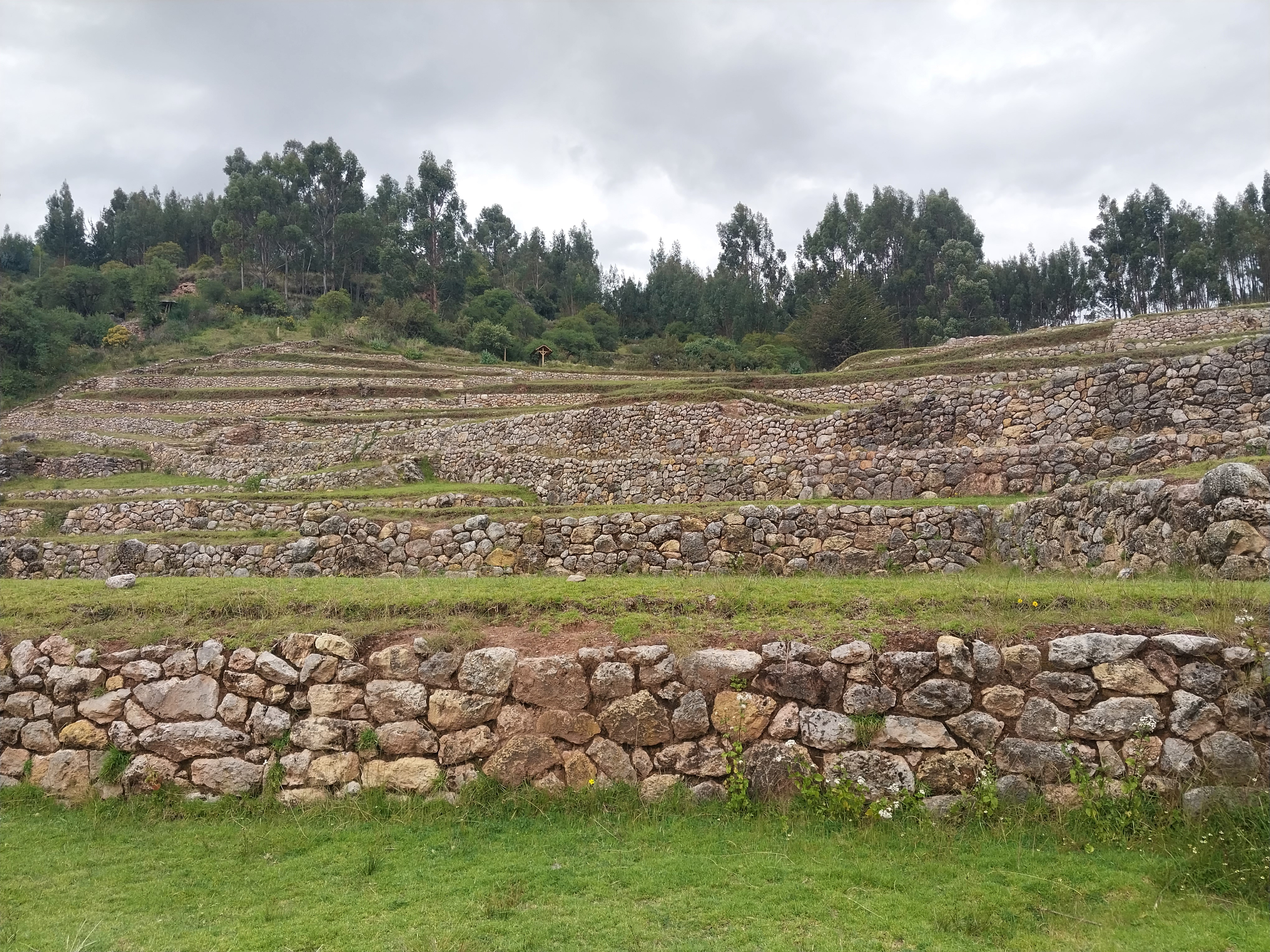
Inkilltambo
Ancient Peruvian site with cultivated terrain.