Explore the Map
Mameria
-12.7718° N, -71.8470° E
About
Mameria, located in the high-elevation jungle of southeast Peru, is a significant archaeological site known for its pre-Columbian Incan stone ruins. These ruins represent ancient coca plantations, which were crucial for the Incas in the highlands. The Machiguenga people, indigenous to the area, named it Mameria due to the absence of fish in the river. The site highlights the agricultural ingenuity of the Incas, who established frontier settlements to supply coca leaves, a valuable commodity in their culture. The site's remote location and challenging access have preserved these ancient structures, offering insights into Incan agricultural practices and their adaptation to diverse environments. Mameria's significance lies in its role as a forgotten frontier settlement, reflecting the Incas' expansive reach before the Spanish Conquest.
Historical Timeline
Journey through time and discover key events in this site's history
Incan coca plantation
1300 CE, 1400 CE
Archaeological Features
Unique architectural and cultural elements found at this historical site
Agricultural and Land Use Features
Frequently Asked Questions
Plan Your Visit
Tours, travel arrangements, and practical information


More Sites in Peru
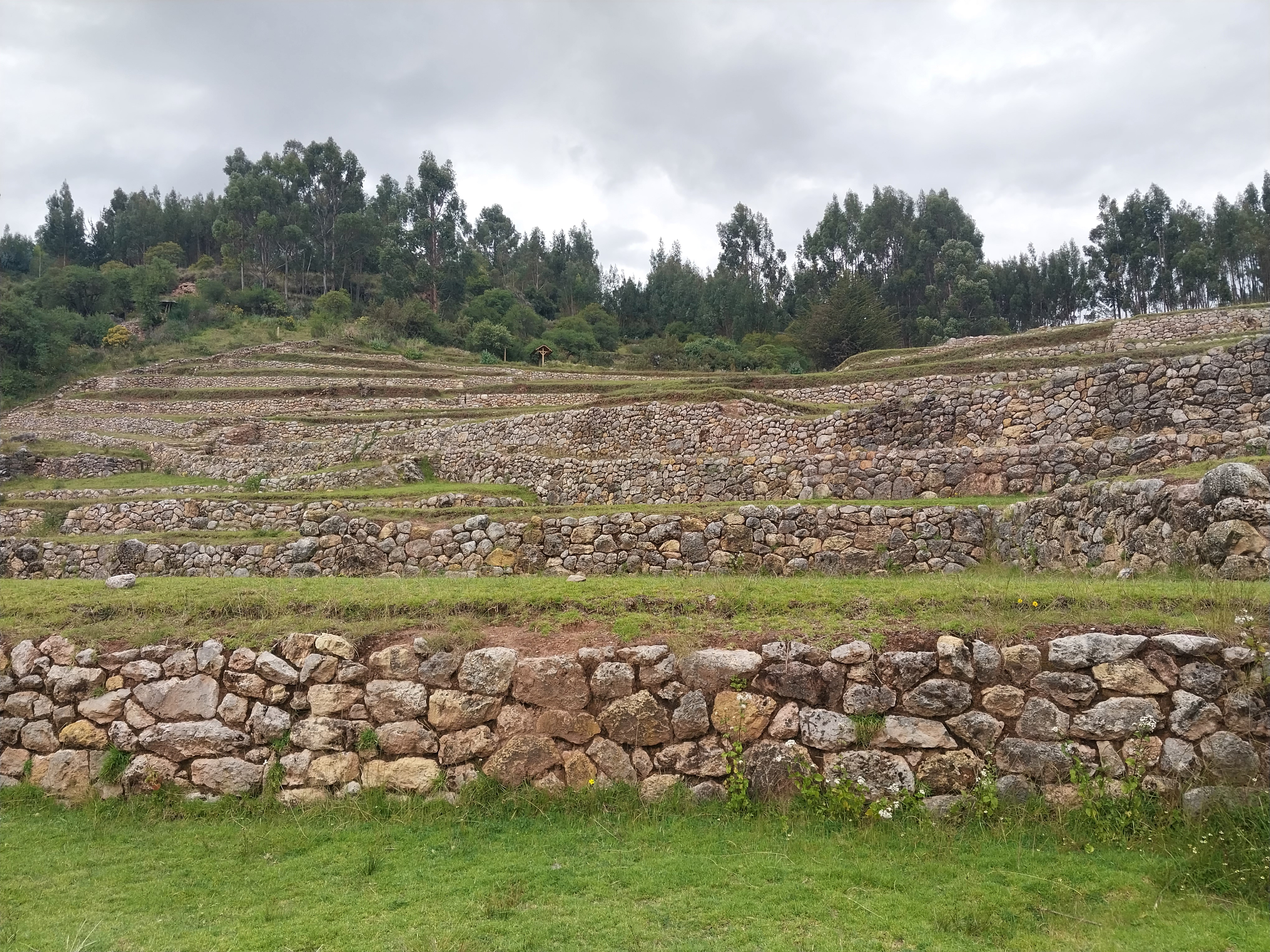
Inkilltambo
Ancient Peruvian site with cultivated terrain.
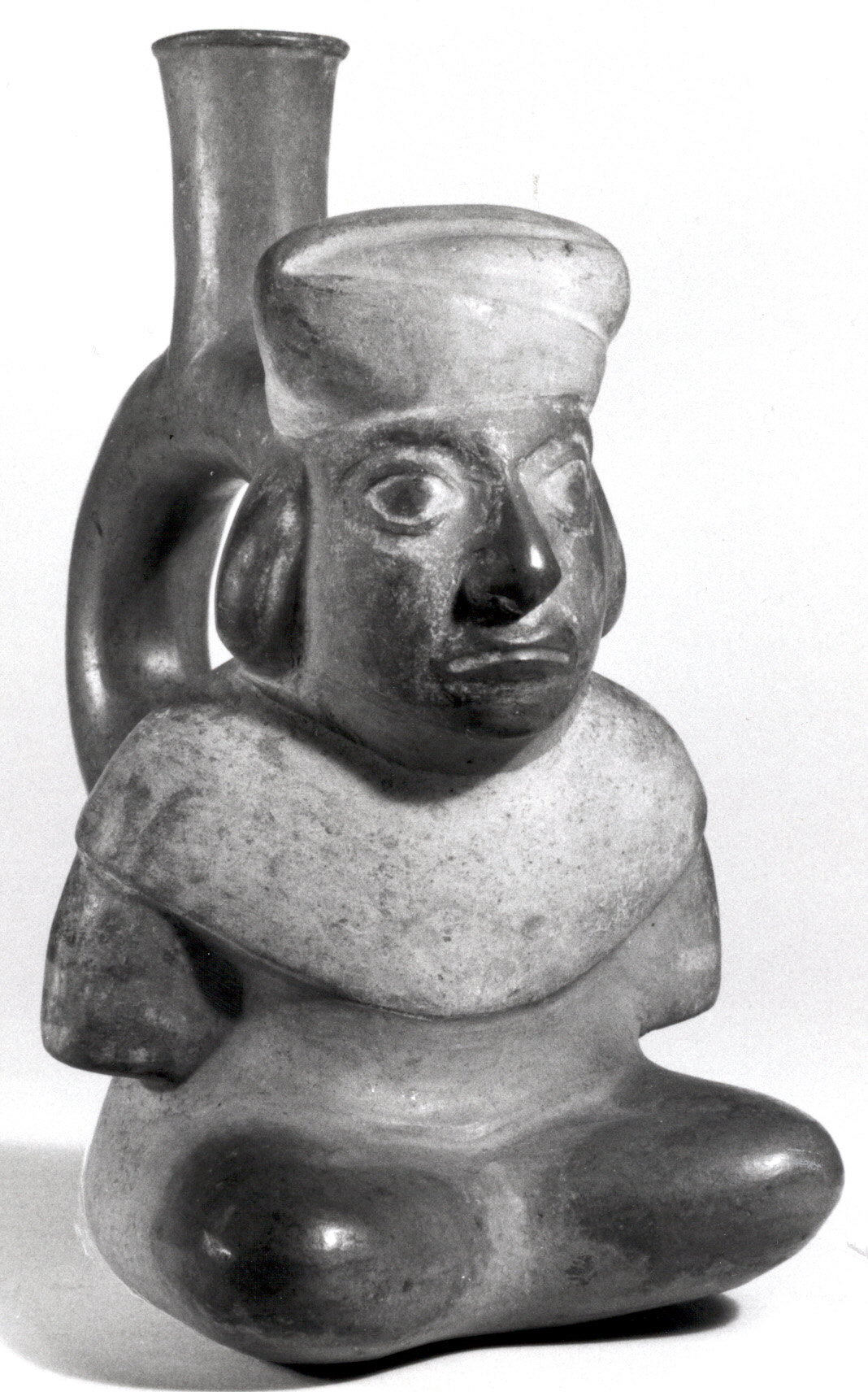
Taqrachullu
Rocky confluence site with cultural heritage.
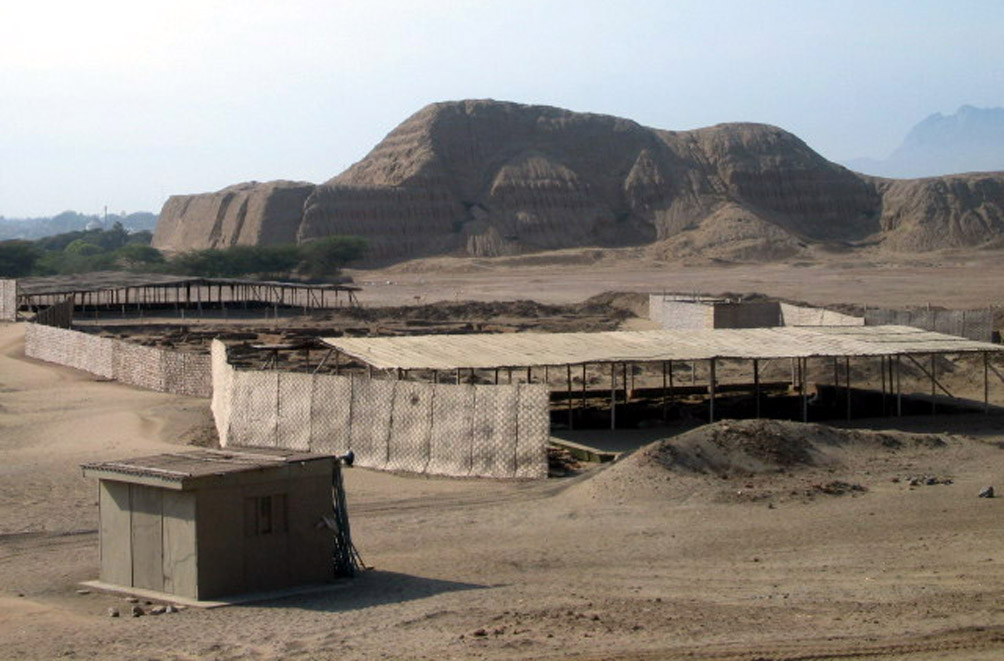
Huaca del Sol
Largest pre-Columbian adobe pyramid in Peru
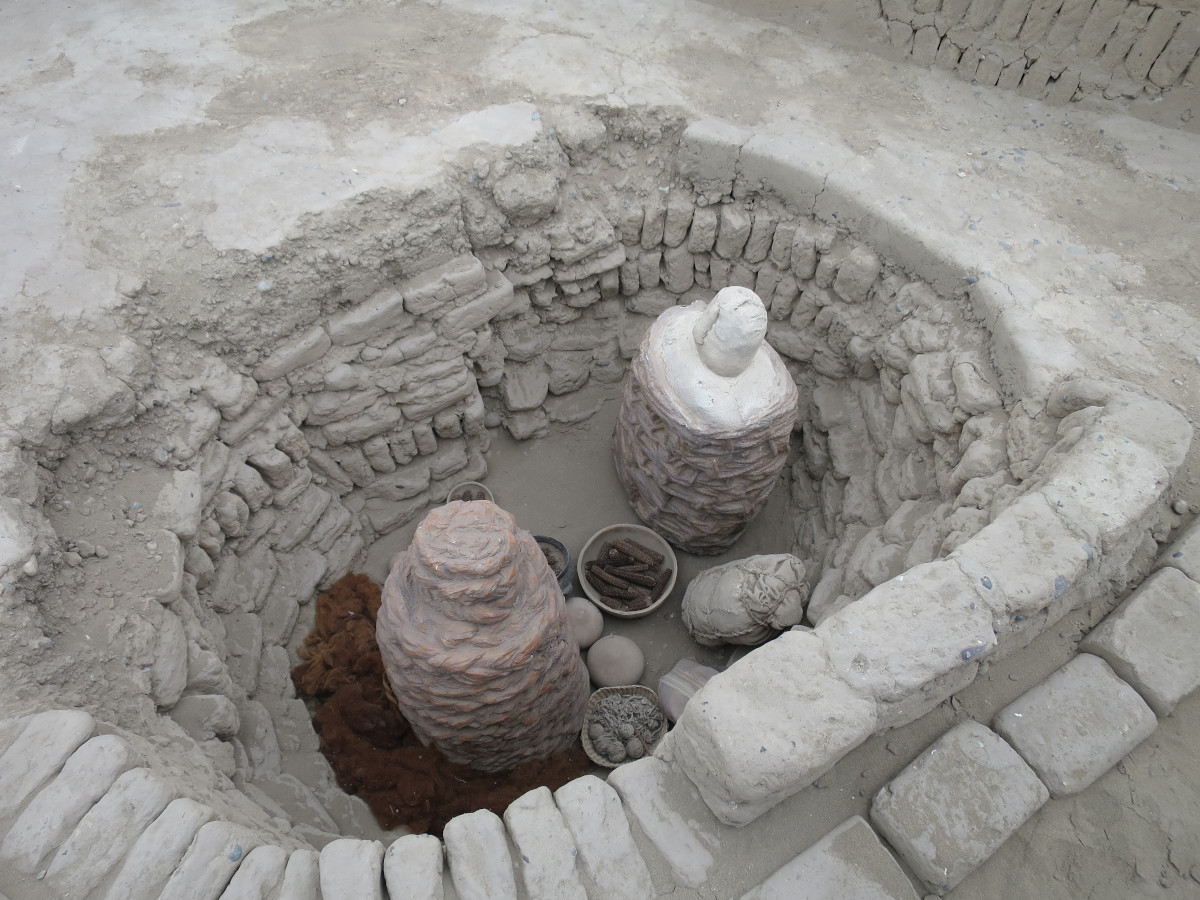
Huaca Pucllana
Adobe pyramid with ceremonial and administrative areas
Tikra
Circular buildings and burial towers in Peru
Machu Pirqa
Ancient Chachapoyas wall in Peru.