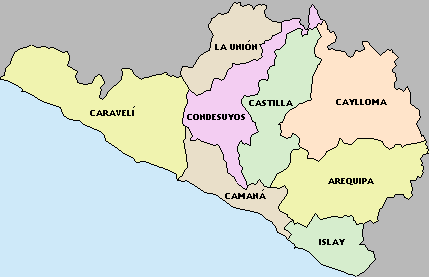
Explore the Map
Marpa, Peru
-15.2494° N, -72.9889° E
About
Marpa, located in the Cotahuasi Canyon of southern Peru, is a significant archaeological site that reveals aspects of pre-Hispanic life in the Andes. The site includes the remnants of a town that once thrived in the highlands, with evidence of agricultural innovation through the use of terraces. The strategic location of Marpa along an ancient road underscores its importance in regional trade and communication. This road, initially constructed by the Wari culture between 500 CE and 900 CE, was later utilized and potentially expanded by the Incas. The presence of ancient tombs suggests complex social and religious practices. Despite the lack of extensive excavation, Marpa remains an important testament to the cultural and historical dynamics of the Andean region.
Gallery
Explore photographs of ancient structures, artifacts, and archaeological excavations
Historical Timeline
Journey through time and discover key events in this site's history
Inca Road Usage
500 CE - 1000 CE
Wari Road Construction
500 CE - 900 CE
Archaeological Features
Unique architectural and cultural elements found at this historical site
Burial and Funerary Structures
Agricultural and Land Use Features
Domestic and Habitation Structures
Transportation and Communication Structures
Frequently Asked Questions
Plan Your Visit
Tours, travel arrangements, and practical information
More Sites in Peru
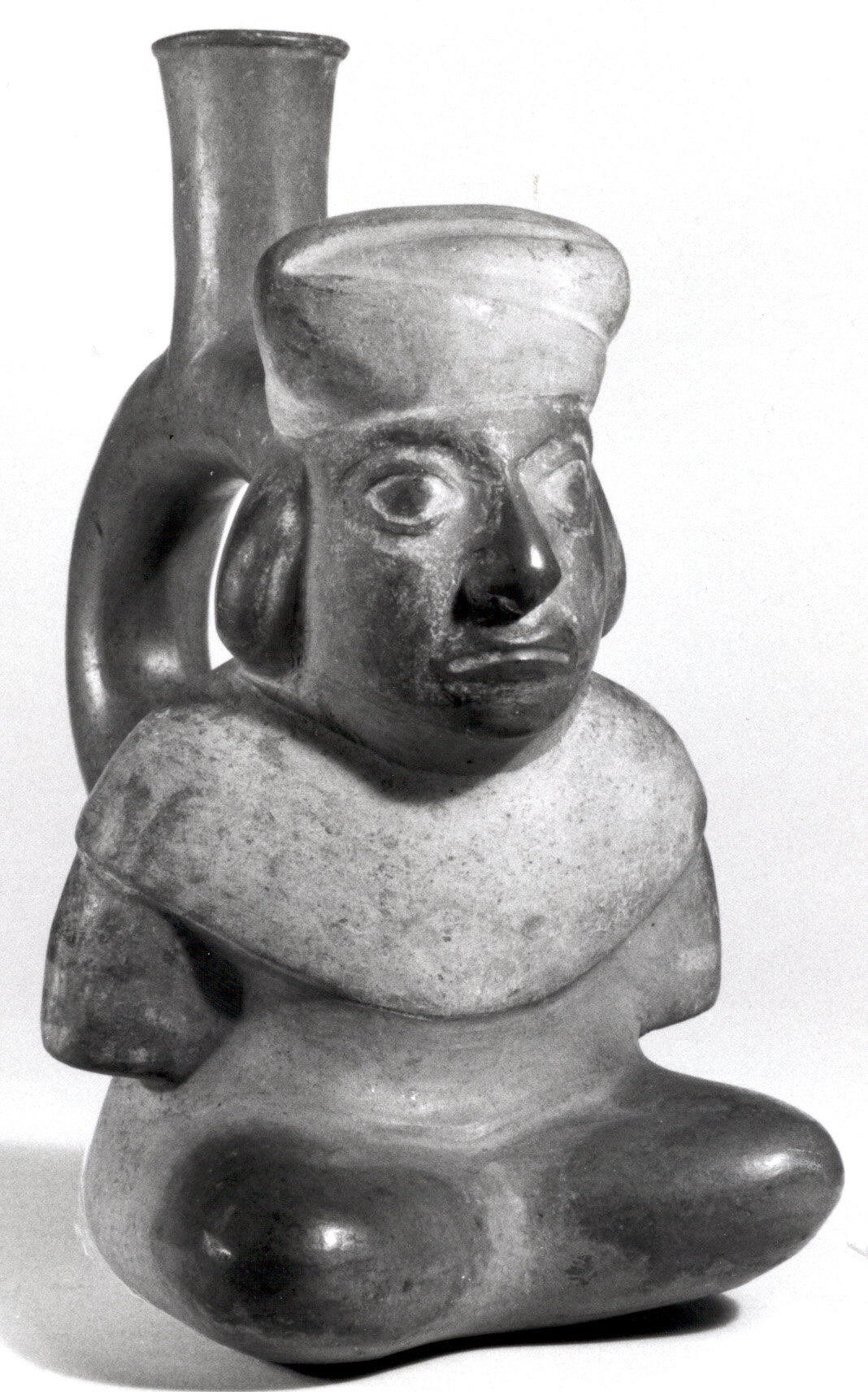
Markapukyu
Peruvian high-altitude archaeological site.
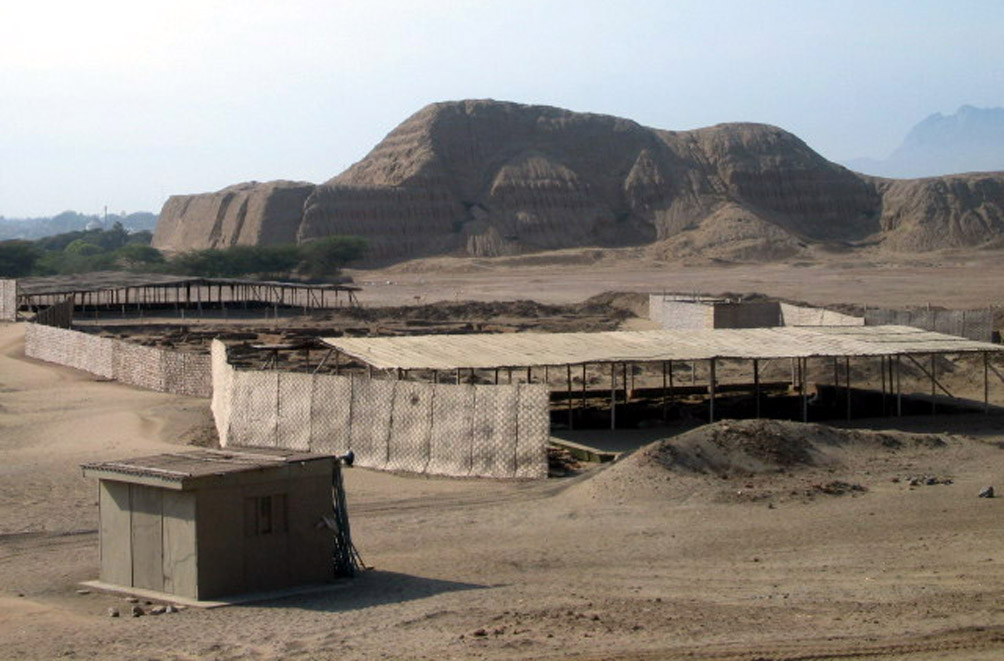
Huaca del Sol
Largest pre-Columbian adobe pyramid in Peru
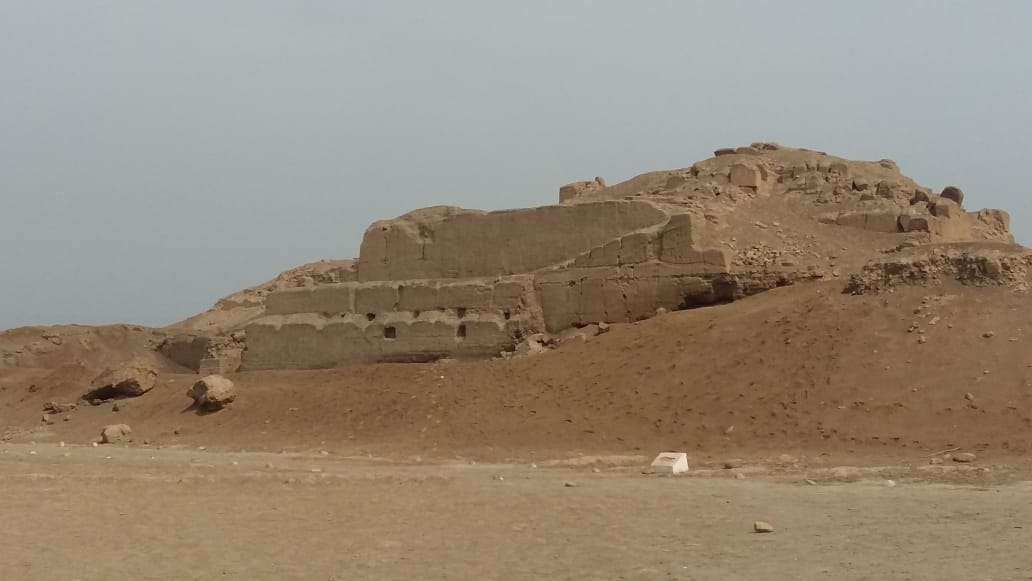
La Centinela
Adobe pyramids in Chincha Valley, Peru.
Taqrachullu
Rocky confluence site with cultural heritage.
Tinyaq
Inca period storehouses on a mountain
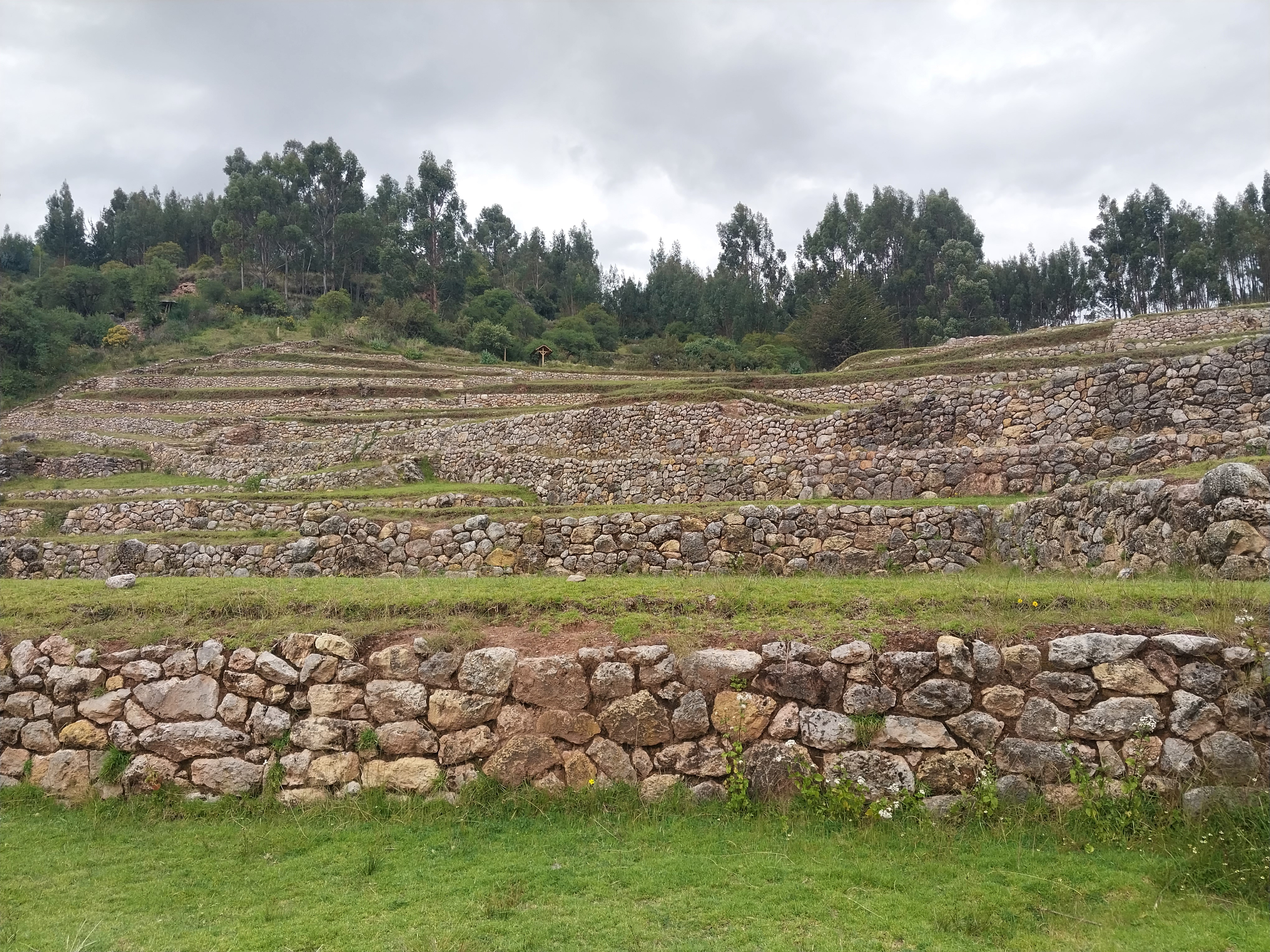
Inkilltambo
Ancient Peruvian site with cultivated terrain.