
Explore the Map
Pikimachay
-13.0408° N, -74.2242° E
About
Piki Mach'ay is an archaeological site located in the Ayacucho Valley of Peru, notable for its modified cave structures. The site contains evidence of human activity dating back to the Upper Paleolithic period, with a conservative estimate of occupation around 12,000 years BCE. The site is rich in artifacts such as unifacial chipped tools and bone remains of ancient fauna like horses and camelids. Agricultural developments are evident from the remains of domesticated plants like gourds and quinoa, dating back to the Neolithic period, around 3,000 years BCE. The presence of guinea pig and llama bones suggests early domestication practices. Piki Mach'ay is a vital site for understanding the early human occupation and agricultural evolution in the Peruvian Andes.
Historical Timeline
Journey through time and discover key events in this site's history
Upper Paleolithic human presence
22,200 BCE
Domestication and agriculture
5,000 BCE
Neolithic cultivation evidence
3,000 BCE
Archaeological Features
Unique architectural and cultural elements found at this historical site
Animal Husbandry Features
Agricultural and Land Use Features
Domestic and Habitation Structures
Environmental and Natural Features
Frequently Asked Questions
Plan Your Visit
Tours, travel arrangements, and practical information
More Sites in Peru
Buena Vista, Peru
Ancient temple complex with observatory in Peru
Paraccra (archaeological site)
Mountainous site with towers and houses.
Kuntuyuq
Mountain site with rock paintings
Markapukyu
Peruvian high-altitude archaeological site.
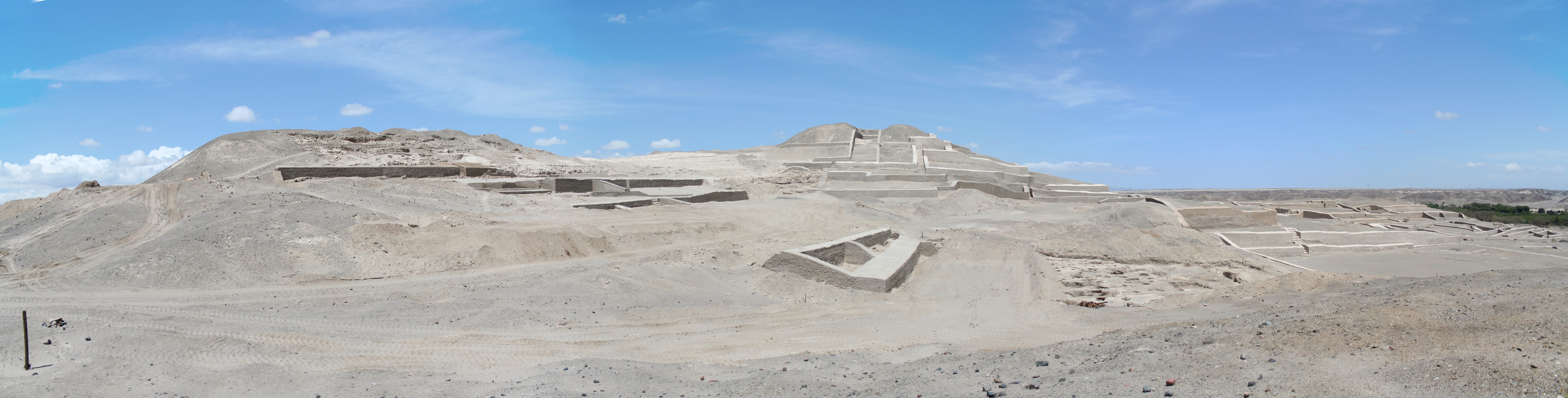
Cahuachi
Nasca ceremonial center with adobe mounds
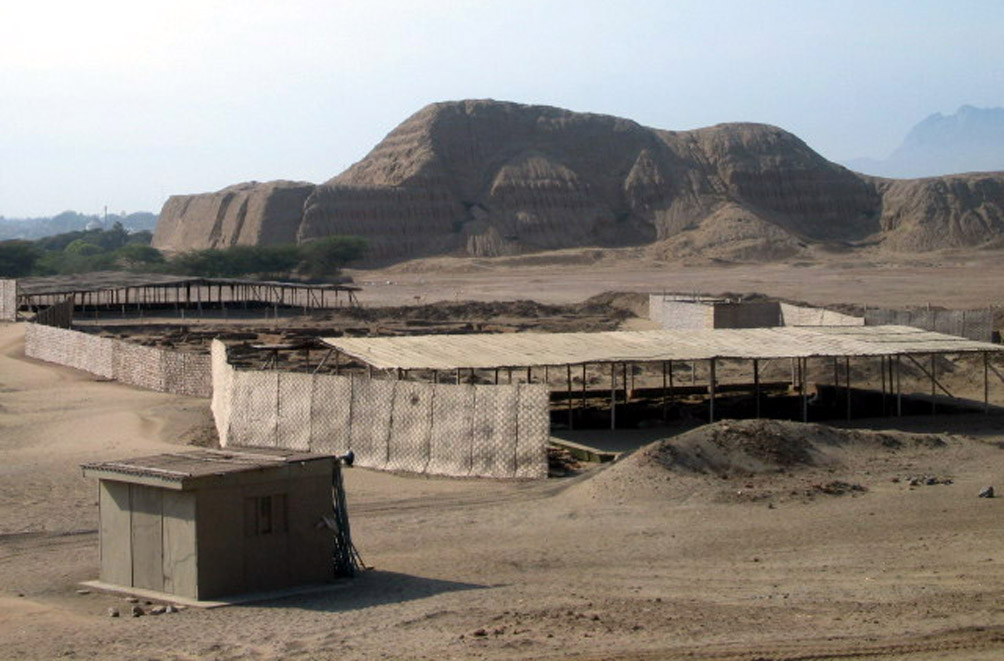
Huaca del Sol
Largest pre-Columbian adobe pyramid in Peru