Explore the Map
Pumamarka, Urubamba
-13.2286° N, -72.2339° E
About
Pumamarka, an archaeological site situated in the Cusco Region of Peru, is a notable example of a village establishment from the Late Post-Classical Period, around the 15th century CE. Located at the confluence of the Patakancha and Yuraqmayu rivers, this site reflects the integration of its natural setting with cultural development. The name 'Pumamarka,' meaning 'Puma Village,' signifies the site's cultural and linguistic heritage rooted in Aymara and Quechua languages. Pumamarka is characterized by its domestic and habitation structures, particularly its village layout, which offers insights into the social and economic organization of its inhabitants. As an archaeological site, Pumamarka contributes valuable knowledge to the understanding of pre-Columbian societies in the Andes, highlighting their adaptive strategies and cultural expressions in a unique geographical landscape.
Historical Timeline
Journey through time and discover key events in this site's history
Puma Village Establishment
1400 CE
Archaeological Features
Unique architectural and cultural elements found at this historical site
Domestic and Habitation Structures
Frequently Asked Questions
Plan Your Visit
Tours, travel arrangements, and practical information


More Sites in Peru
Tinyaq
Inca period storehouses on a mountain
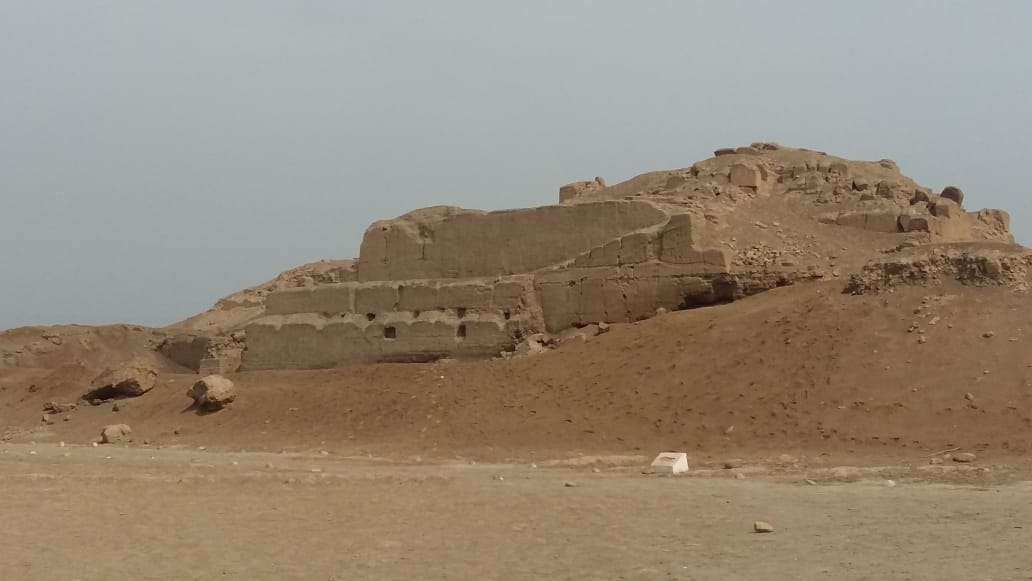
La Centinela
Adobe pyramids in Chincha Valley, Peru.
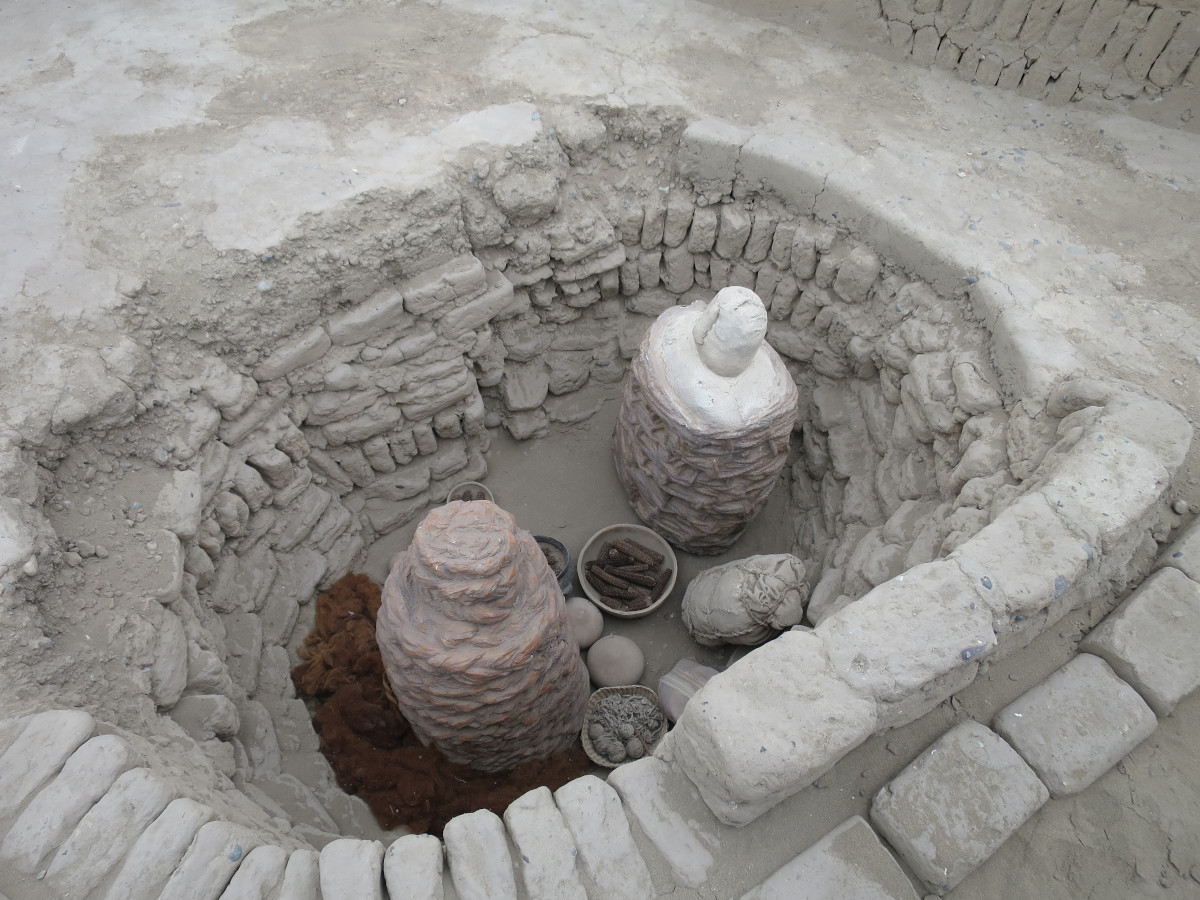
Huaca Pucllana
Adobe pyramid with ceremonial and administrative areas
Taqrachullu
Rocky confluence site with cultural heritage.
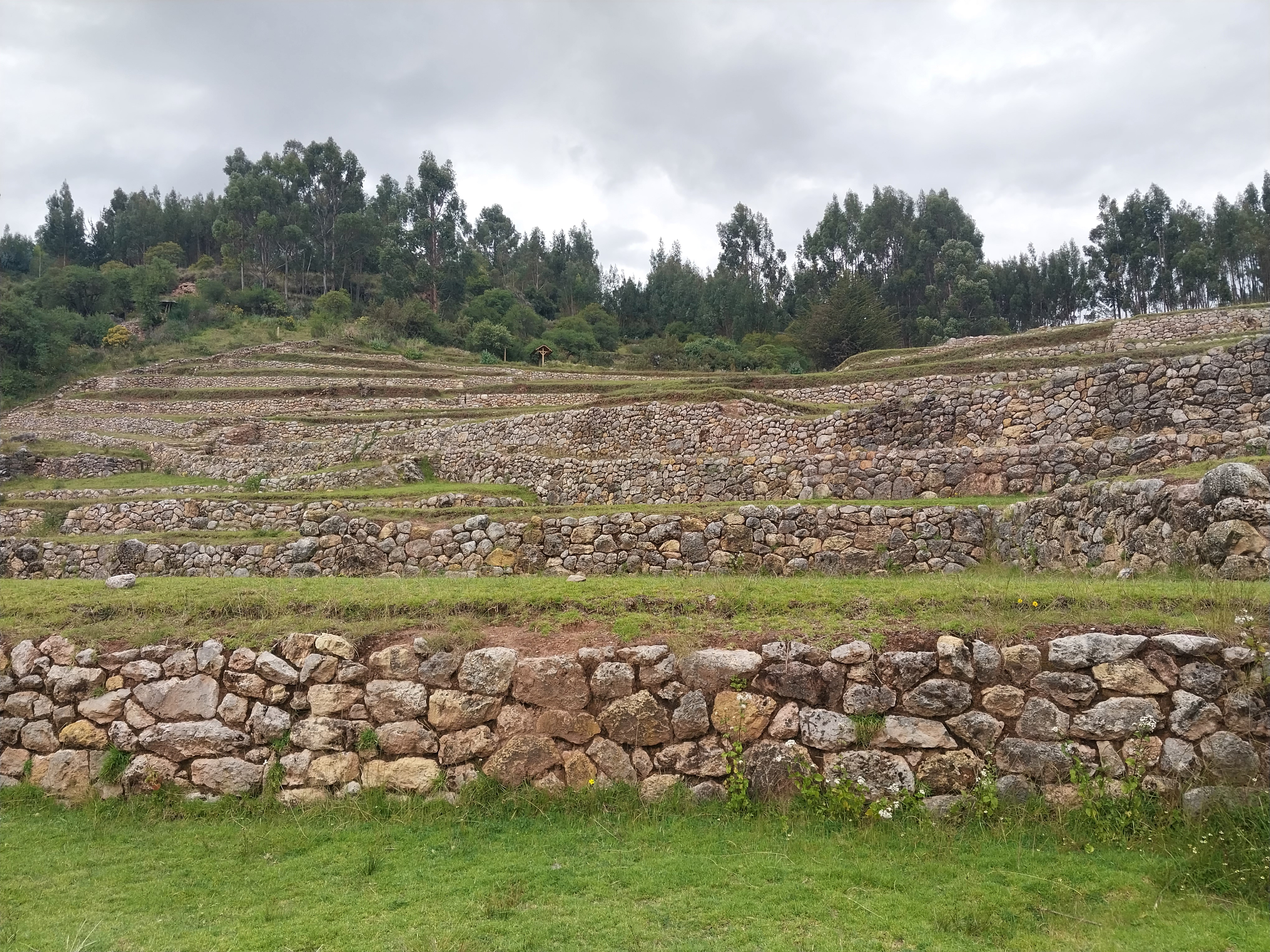
Inkilltambo
Ancient Peruvian site with cultivated terrain.
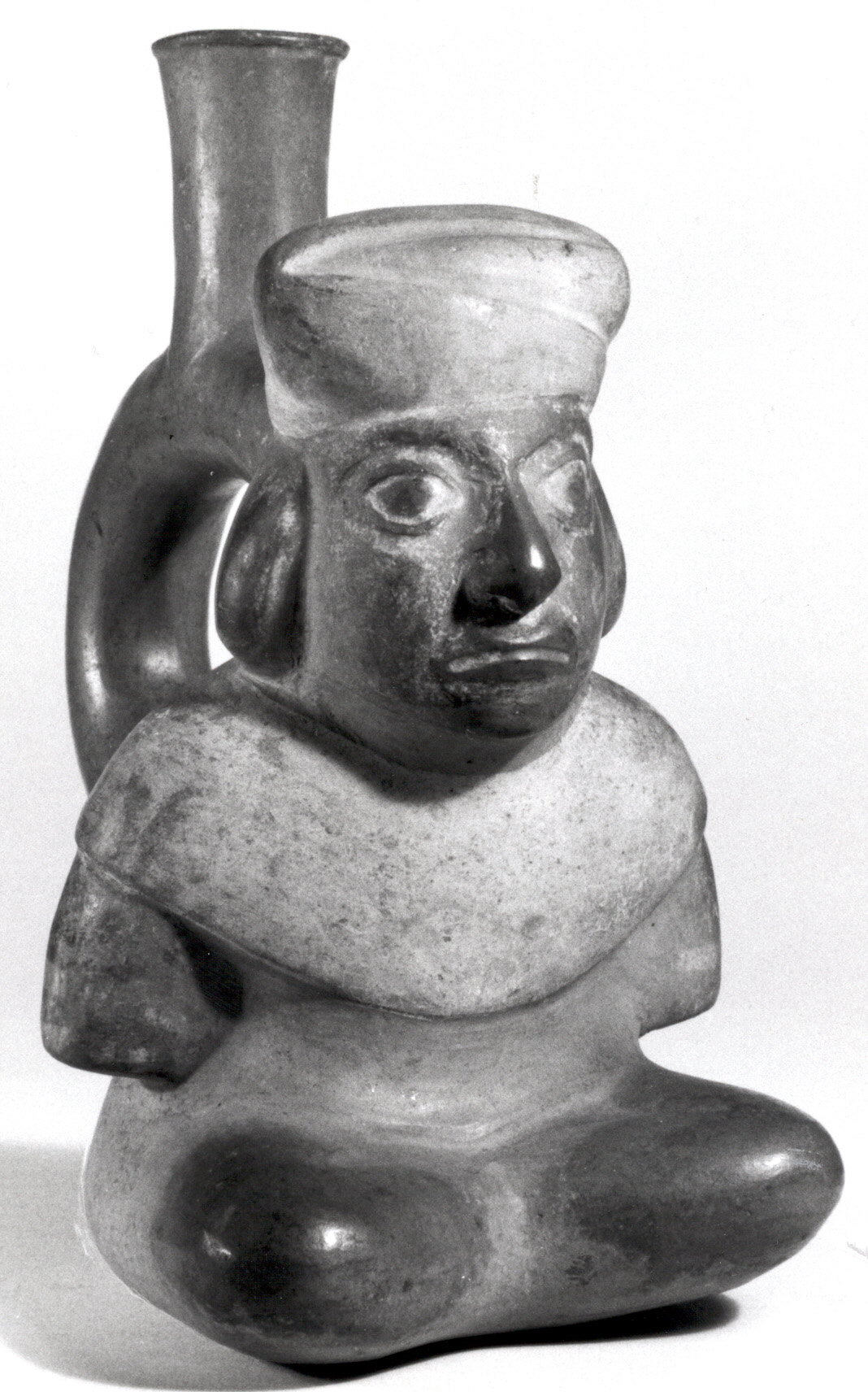
Tunanmarca
Hilltop archaeological site with ancient structures