Explore the Map
Pumaq Hirka
-9.4866° N, -76.8310° E
About
The Castillo de Gorioj, also known as Tucumachay, is an archaeological site located in the Huánuco Region of Peru at an elevation of approximately 3,696 meters. As its name suggests, it is associated with the imagery of a cougar and is described as a mountain cave. The site is reflective of the region's rich cultural history and the intersection of natural geography with human habitation. Its designation as a 'cave' suggests its significance in understanding the domestic or habitation practices of past societies, potentially dating back to the Upper Paleolithic period. Despite limited detailed historical records from the text, Tucumachay's association with Quechua culture highlights its potential role in broader sociocultural and linguistic studies. Further exploration could yield insights into early human occupation and adaptation strategies in the Andean highlands.
Archaeological Features
Unique architectural and cultural elements found at this historical site
Domestic and Habitation Structures
Frequently Asked Questions
Plan Your Visit
Tours, travel arrangements, and practical information
More Sites in Peru
Buena Vista, Peru
Ancient temple complex with observatory in Peru
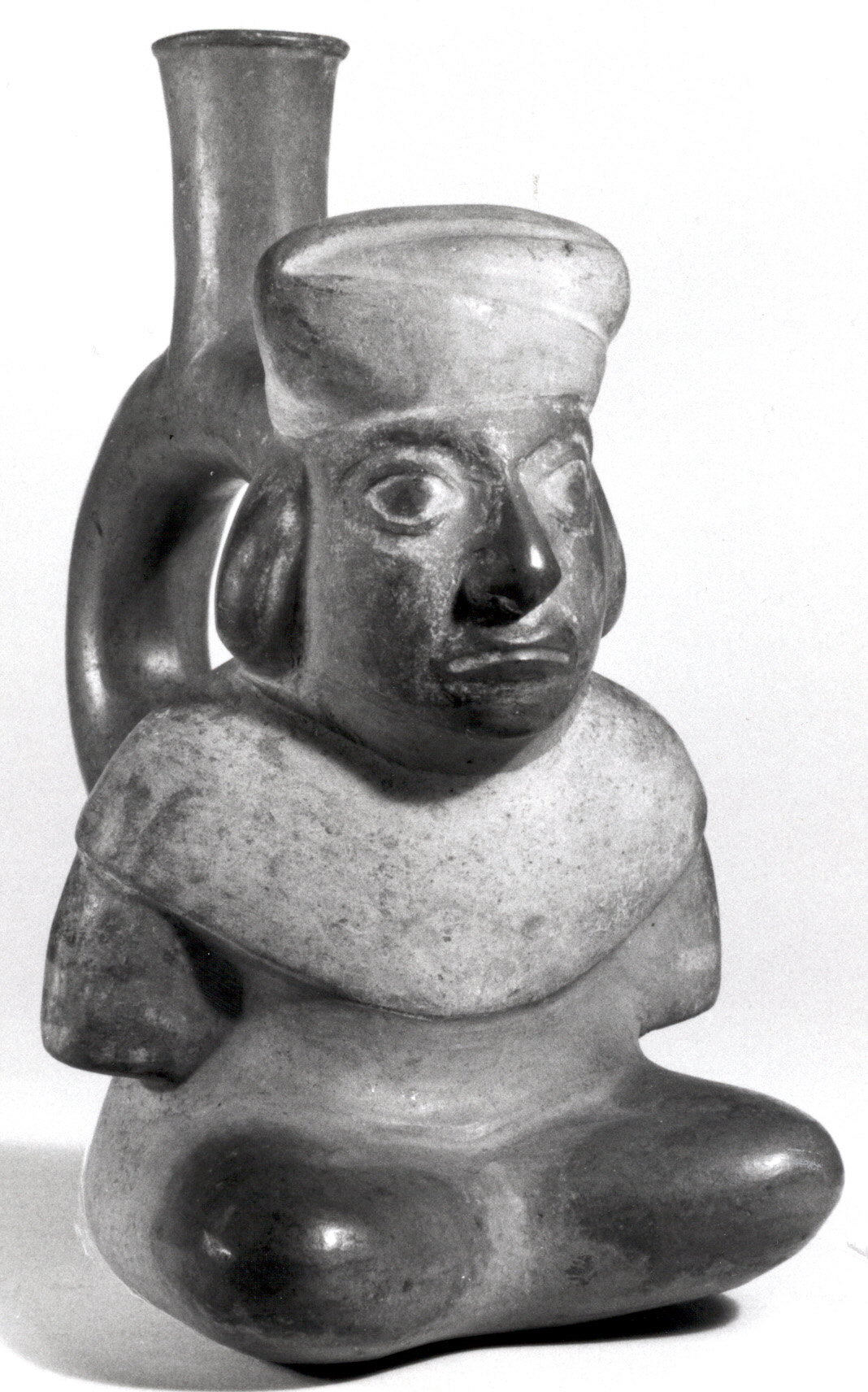
Kuntuyuq
Mountain site with rock paintings
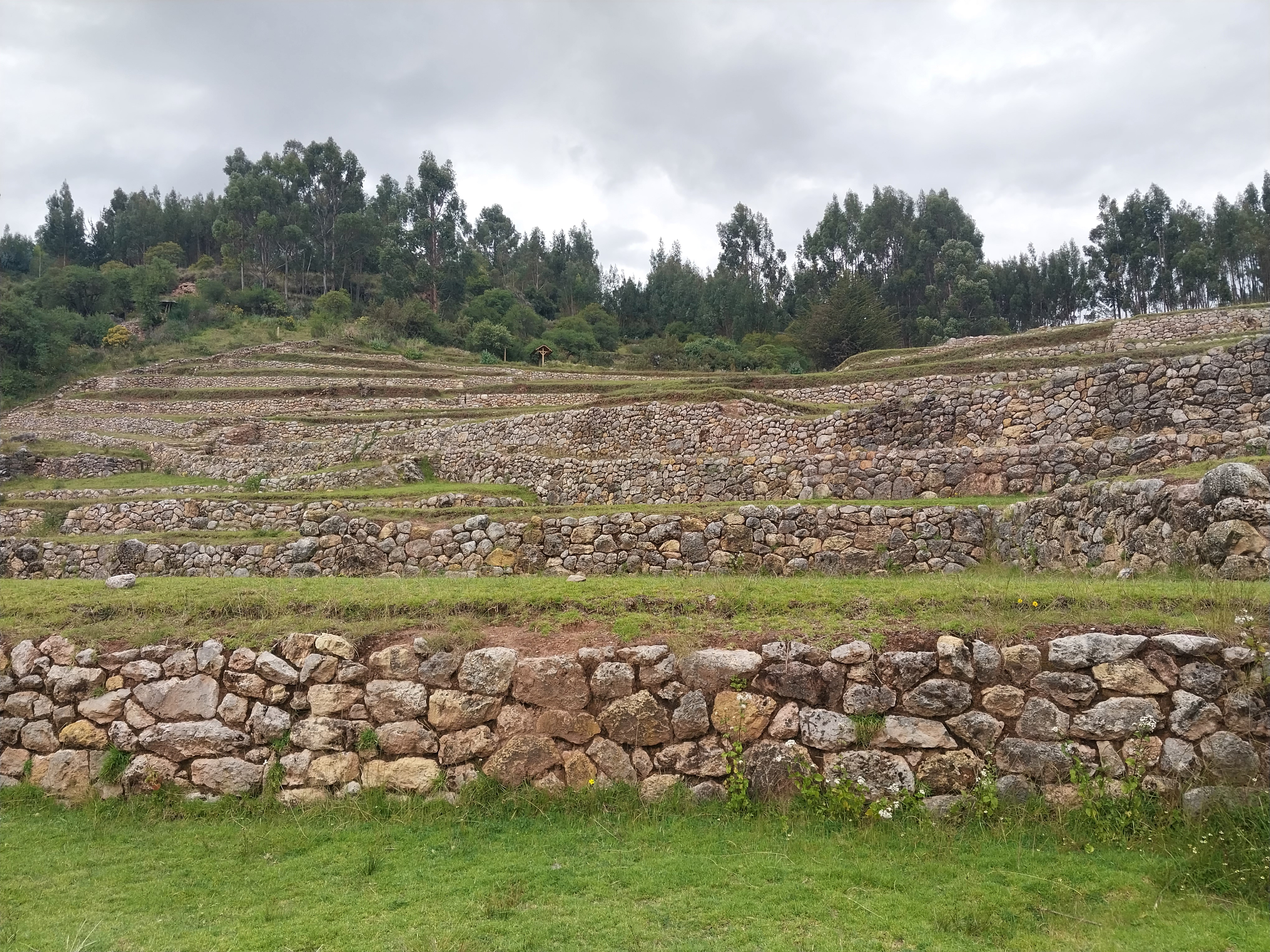
Inkilltambo
Ancient Peruvian site with cultivated terrain.
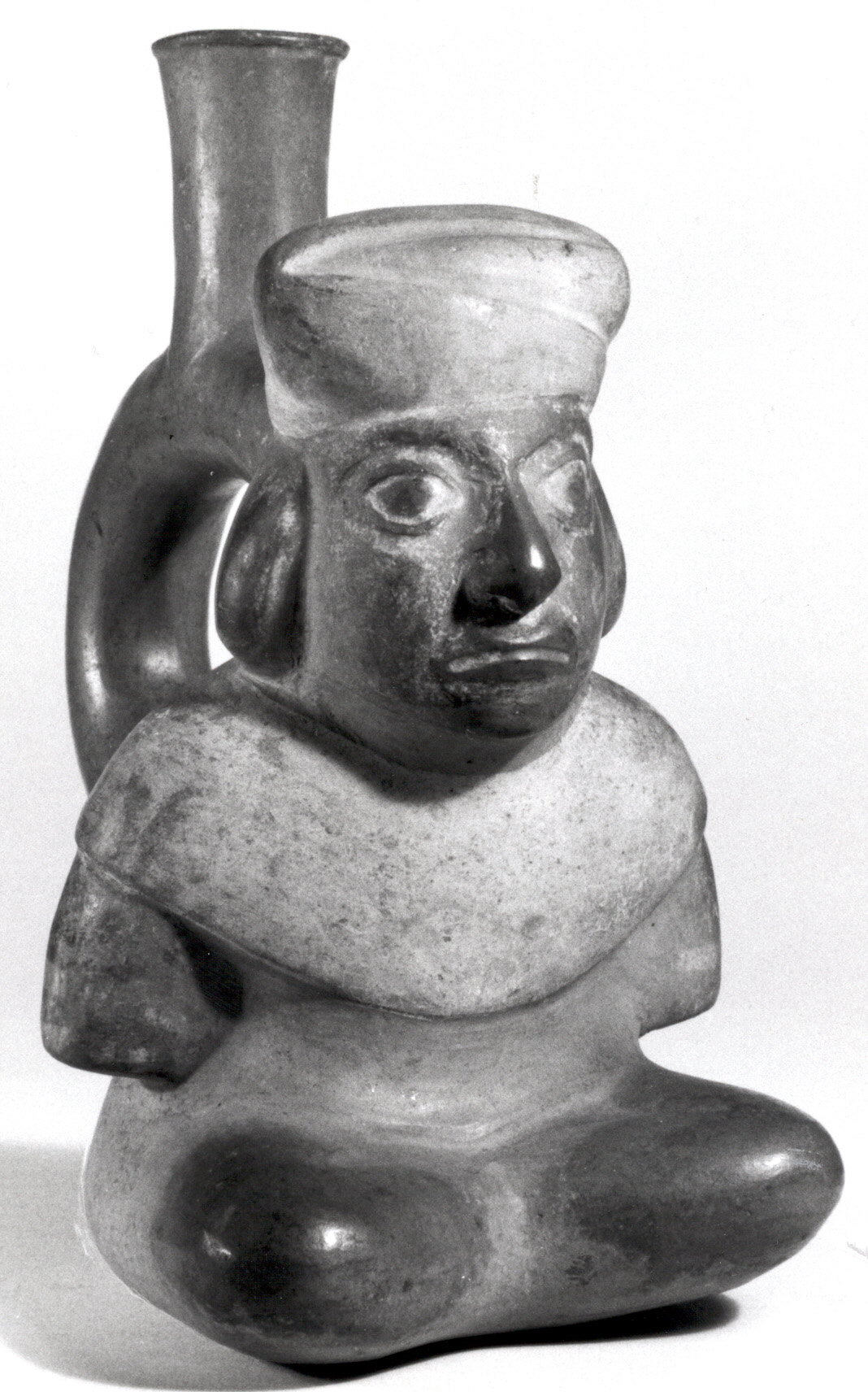
Tunanmarca
Hilltop archaeological site with ancient structures
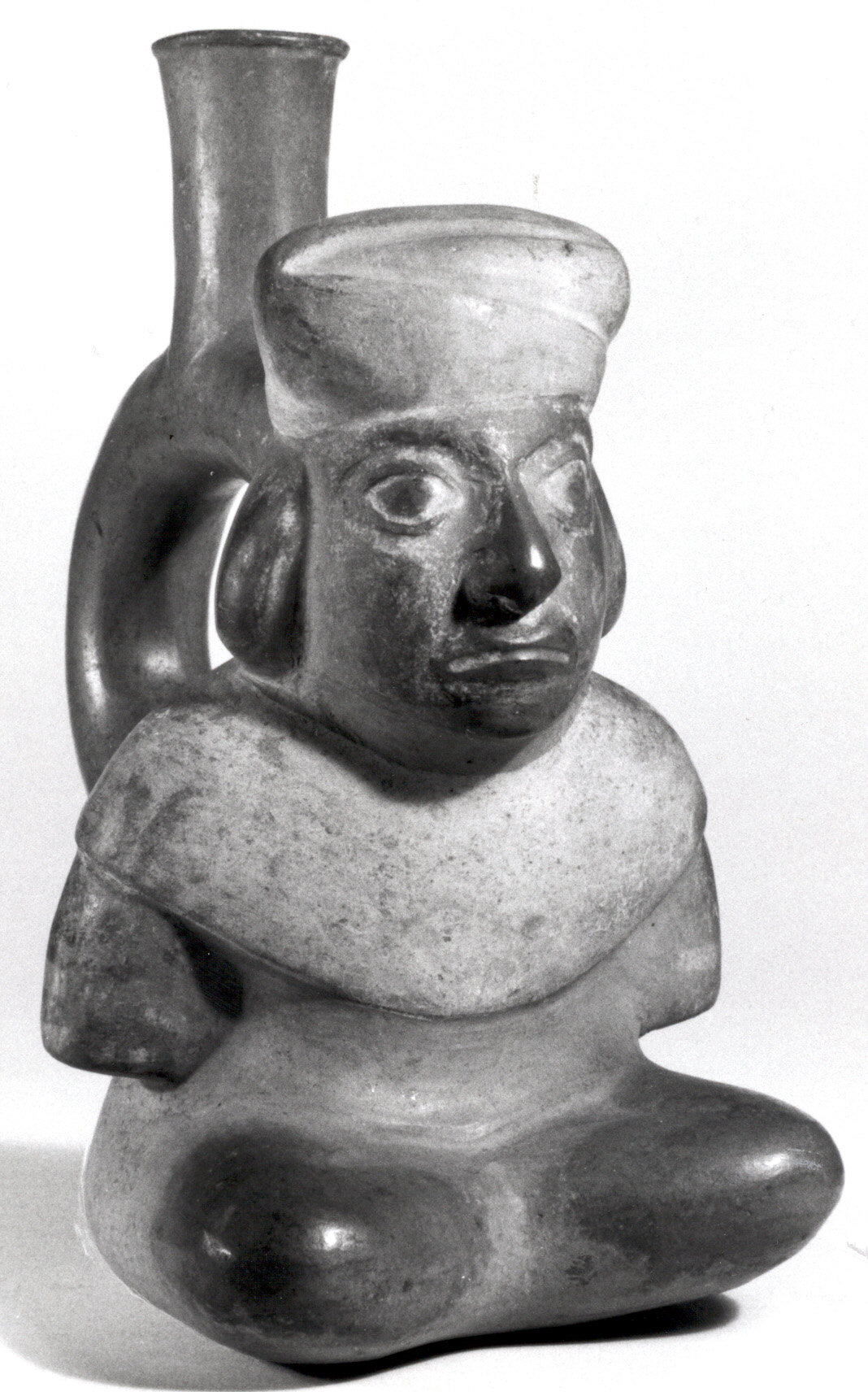
Machu Pirqa
Ancient Chachapoyas wall in Peru.
Paraccra (archaeological site)
Mountainous site with towers and houses.