
Explore the Map
Qillqatani
-16.9494° N, -69.8894° E
About
Qillqatani is an important archaeological site located in the Puno Region of Peru, known for its significant rock art panels and historical habitation patterns. The site has been systematically excavated, revealing 36 cultural strata. Initially inhabited as a seasonal campsite by hunter-gatherers around 7500 BP, the site was predominantly used for hunting camelids and some deer. By 3660 BP, it saw a shift to a more permanent settlement as camelid-herders established long-term habitation, constructing houses and engaging in trade, particularly for Chenopodium from lower altitudes. Qillqatani offers valuable insights into the transition from hunter-gatherer to pastoralist lifestyles in the Lake Titicaca basin, highlighting changes in habitation practices and subsistence strategies over millennia.
Historical Timeline
Journey through time and discover key events in this site's history
Pastoralist occupation begins
1660 BCE
Hunter-gatherer occupation
7500 BP
Archaeological Features
Unique architectural and cultural elements found at this historical site
Artistic and Decorative Features
Domestic and Habitation Structures
Plan Your Visit
Tours, travel arrangements, and practical information
More Sites in Peru
Paraccra (archaeological site)
Mountainous site with towers and houses.
Buena Vista, Peru
Ancient temple complex with observatory in Peru
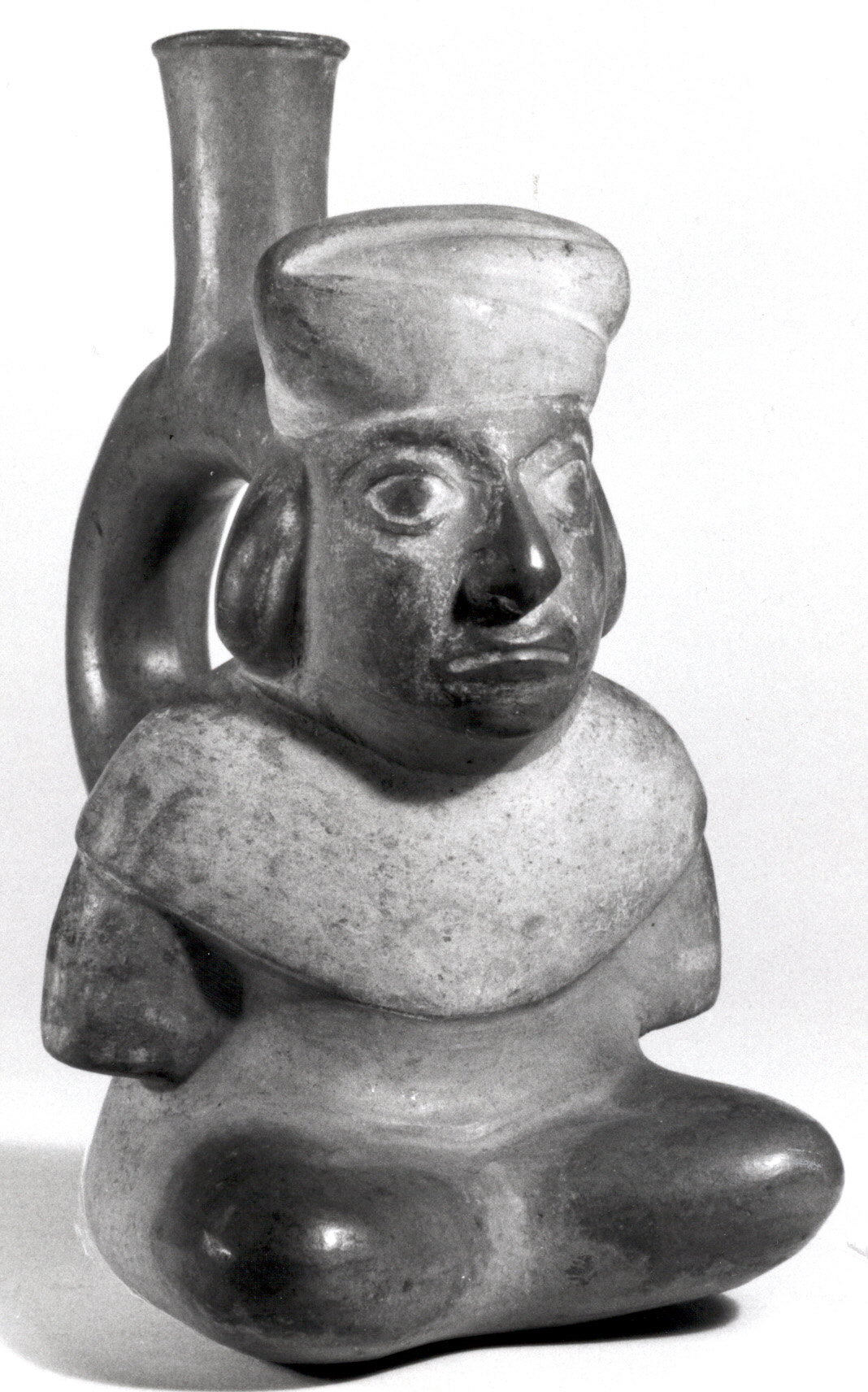
Kuntuyuq
Mountain site with rock paintings
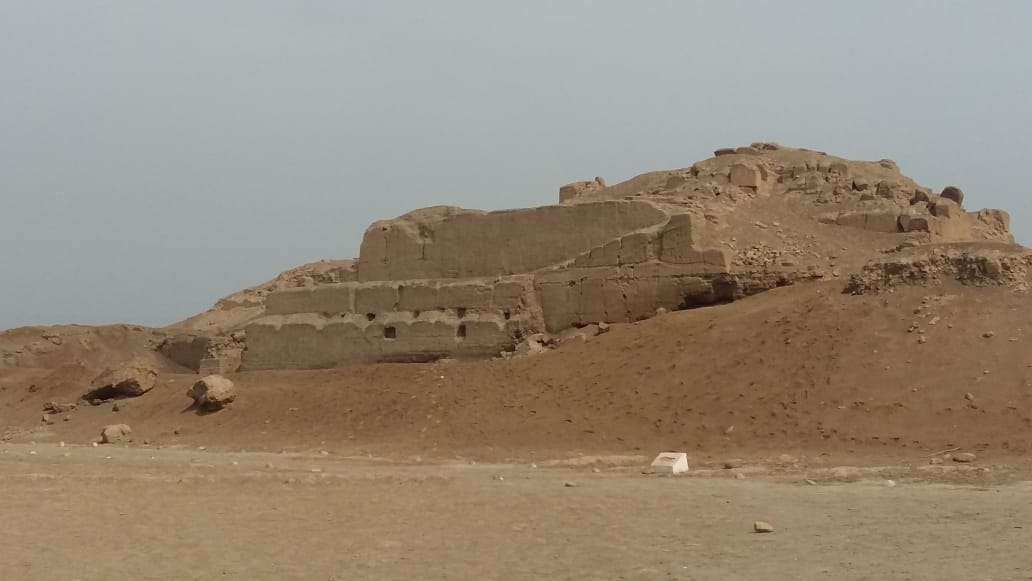
La Centinela
Adobe pyramids in Chincha Valley, Peru.
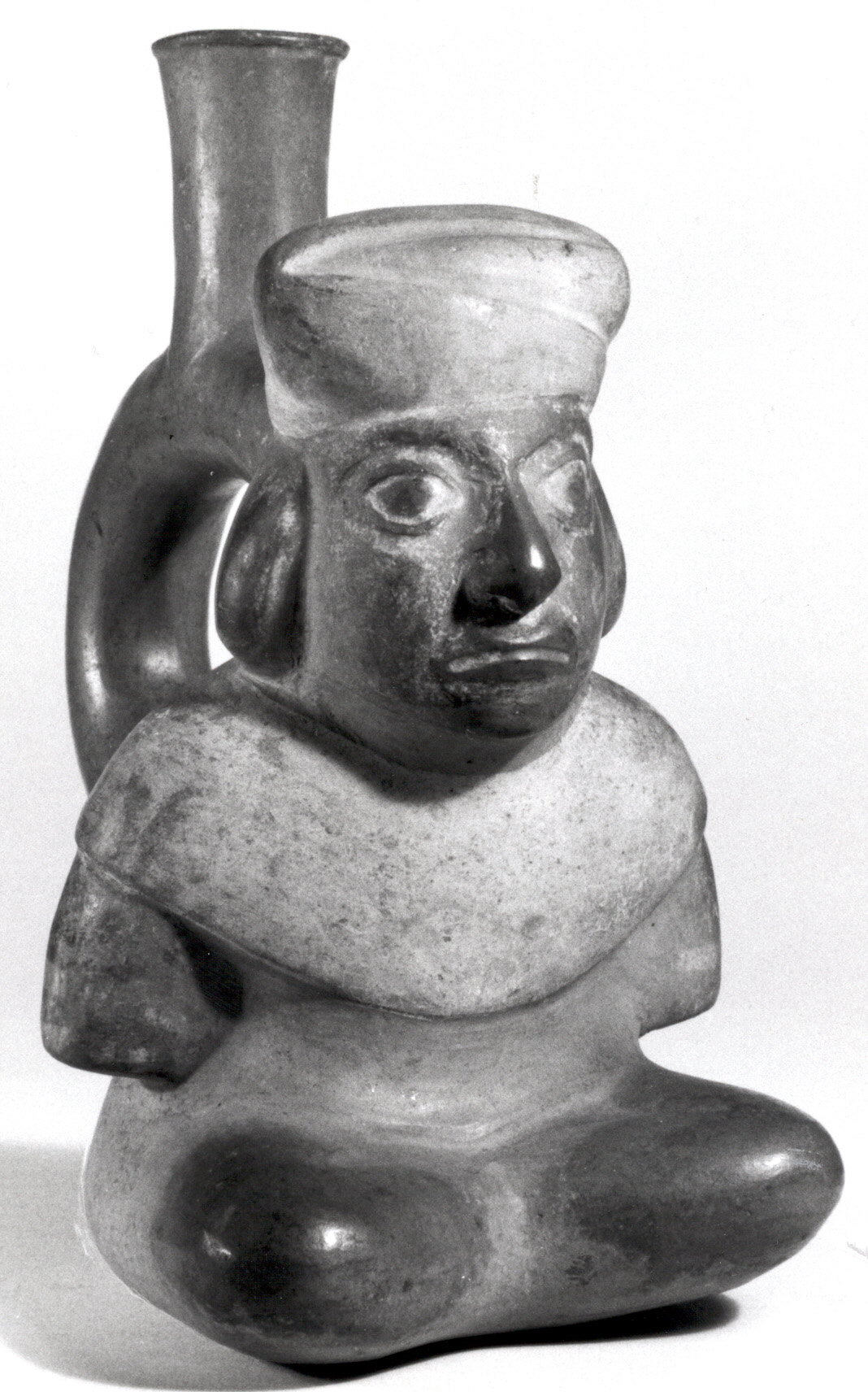
Tunanmarca
Hilltop archaeological site with ancient structures
Markapukyu
Peruvian high-altitude archaeological site.