Explore the Map
Soro Mik'aya Patjxa
-16.2339° N, -69.7250° E
About
Soro Mik'aya Patjxa is a significant archaeological site situated in the Ilave Basin, Peru, west of Lake Titicaca. This high-altitude site was primarily occupied by hunter-gatherers over a period of more than a millennium, starting around 6800 BCE. The site features a single cultural layer and includes 13 excavated pits. Over 80,000 artifacts, including flaked lithics, bones, ground stones, and intrusive ceramic sherds, have been recovered. The presence of human remains, with evidence of intentional cranial modification, suggests permanent high-altitude habitation. Dietary analysis indicates reliance on hunting large mammals and plant consumption. The genome sequencing of an individual from the site reveals genetic links to modern Andean populations and Siberian affinity. Soro Mik'aya Patjxa provides crucial insights into early human adaptation and survival in challenging environments.
Historical Timeline
Journey through time and discover key events in this site's history
Early Neolithic occupation
6800 BCE
Archaeological Features
Unique architectural and cultural elements found at this historical site
Burial and Funerary Structures
Agricultural and Land Use Features
Plan Your Visit
Tours, travel arrangements, and practical information


More Sites in Peru
Kuntuyuq
Mountain site with rock paintings
Buena Vista, Peru
Ancient temple complex with observatory in Peru
Paraccra (archaeological site)
Mountainous site with towers and houses.
Tinyaq
Inca period storehouses on a mountain
Markapukyu
Peruvian high-altitude archaeological site.
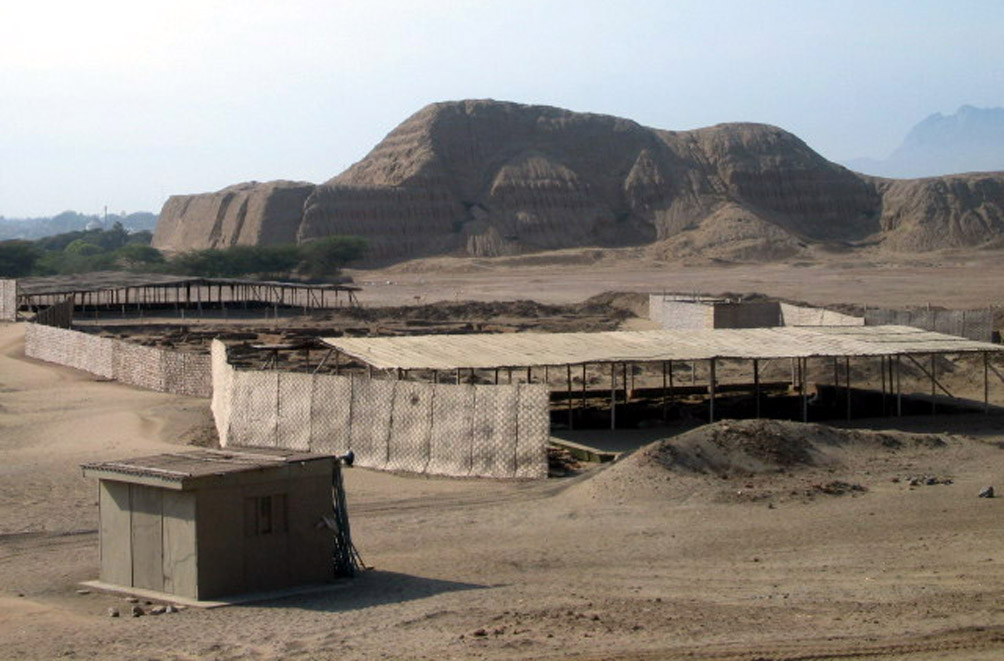
Huaca del Sol
Largest pre-Columbian adobe pyramid in Peru