
Explore the Map
Sacsayhuamán
-13.5078° N, -71.9822° E
About
Sacsayhuamán ( SACK-sy-wuh-mən; Spanish pronunciation: [saksajwaˈman]) or Saksaywaman (from Quechua Saksay waman pukara, pronounced [ˈsaksaj ˈwaman], lit. 'fortress of the royal falcon or hawk') is a citadel on the northern outskirts of the city of Cusco, Peru, the historic capital of the Inca Empire. The site is at an altitude of 3,701 metres (12,142 ft). The complex was built by the Incas in the 15th century, particularly under Sapa Inca Pachacuti and his successors. Dry stone walls constructed of huge stones were built on the site, with the workers carefully cutting the boulders to fit them together tightly without mortar. In 1983, Cusco and Sacsayhuamán together were designated as sites on the UNESCO World Heritage List, for international recognition and protection. The archeological site is now a tourist destination.
Historical Timeline
Journey through time and discover key events in this site's history
Earliest occupation
c. 900 CE
Imperial Inca construction
15th century
European chronicler account
1553
UNESCO World Heritage designation
1983
Archaeological Features
Unique architectural and cultural elements found at this historical site
Storage Structures
Defensive Structures
Military Installations
Miscellaneous Features
Public and Civic Structures
Religious and Ritual Structures
Agricultural and Land Use Features
Domestic and Habitation Structures
Frequently Asked Questions
Plan Your Visit
Tours, travel arrangements, and practical information


More Sites in Peru
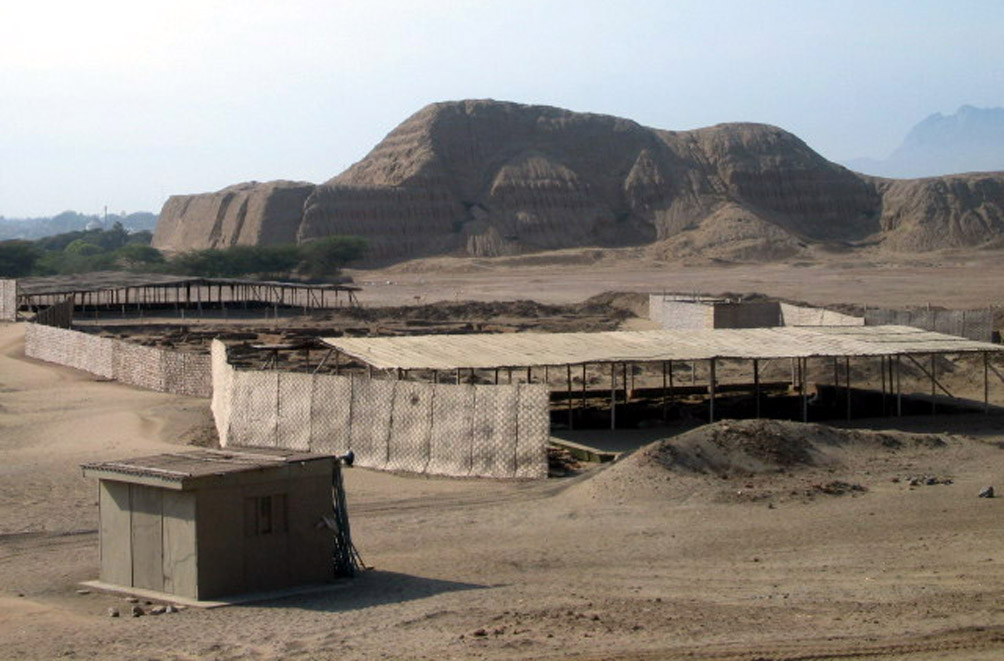
Huaca del Sol
Largest pre-Columbian adobe pyramid in Peru
Tunanmarca
Hilltop archaeological site with ancient structures
Tikra
Circular buildings and burial towers in Peru
Markapukyu
Peruvian high-altitude archaeological site.
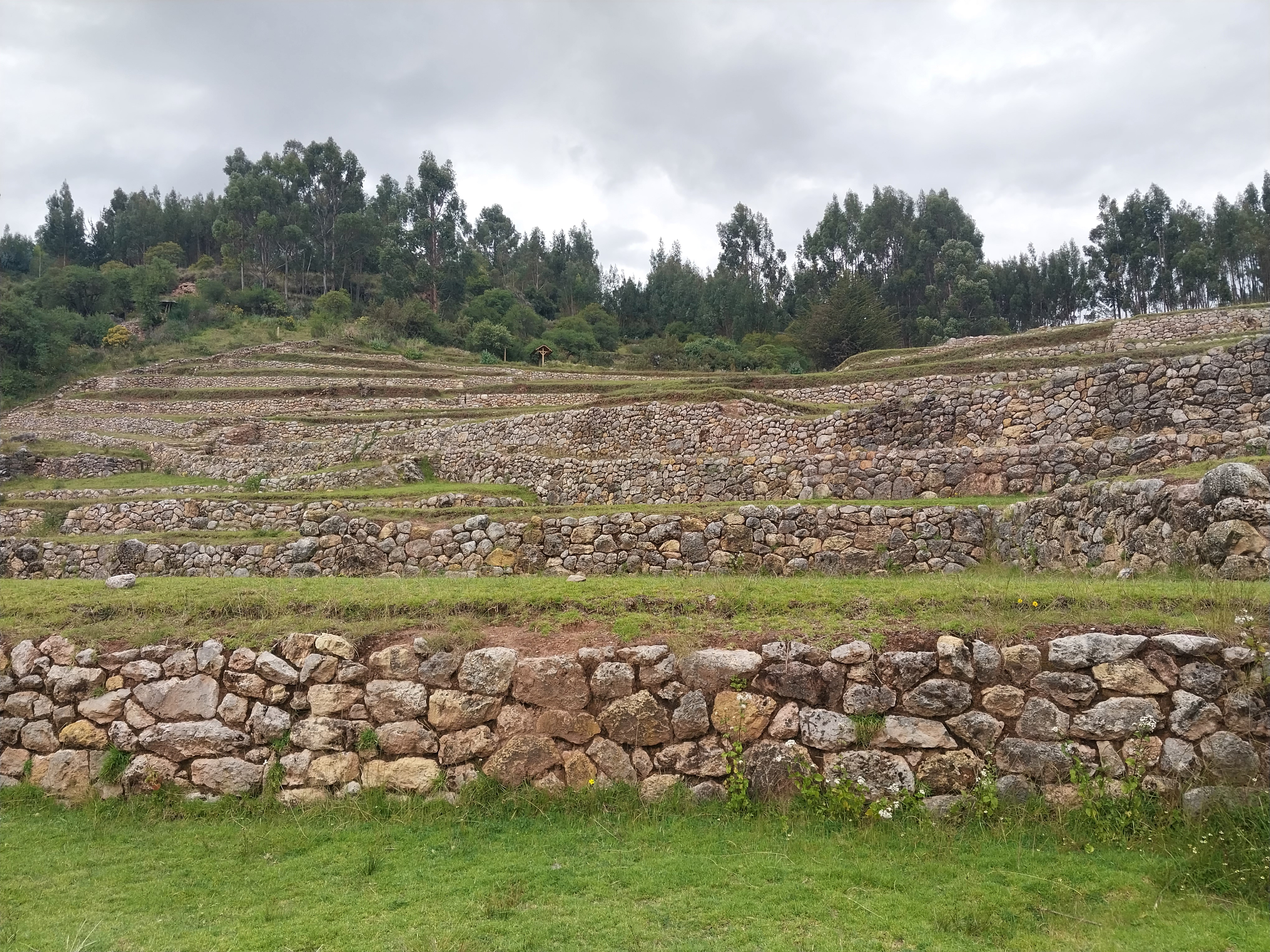
Inkilltambo
Ancient Peruvian site with cultivated terrain.
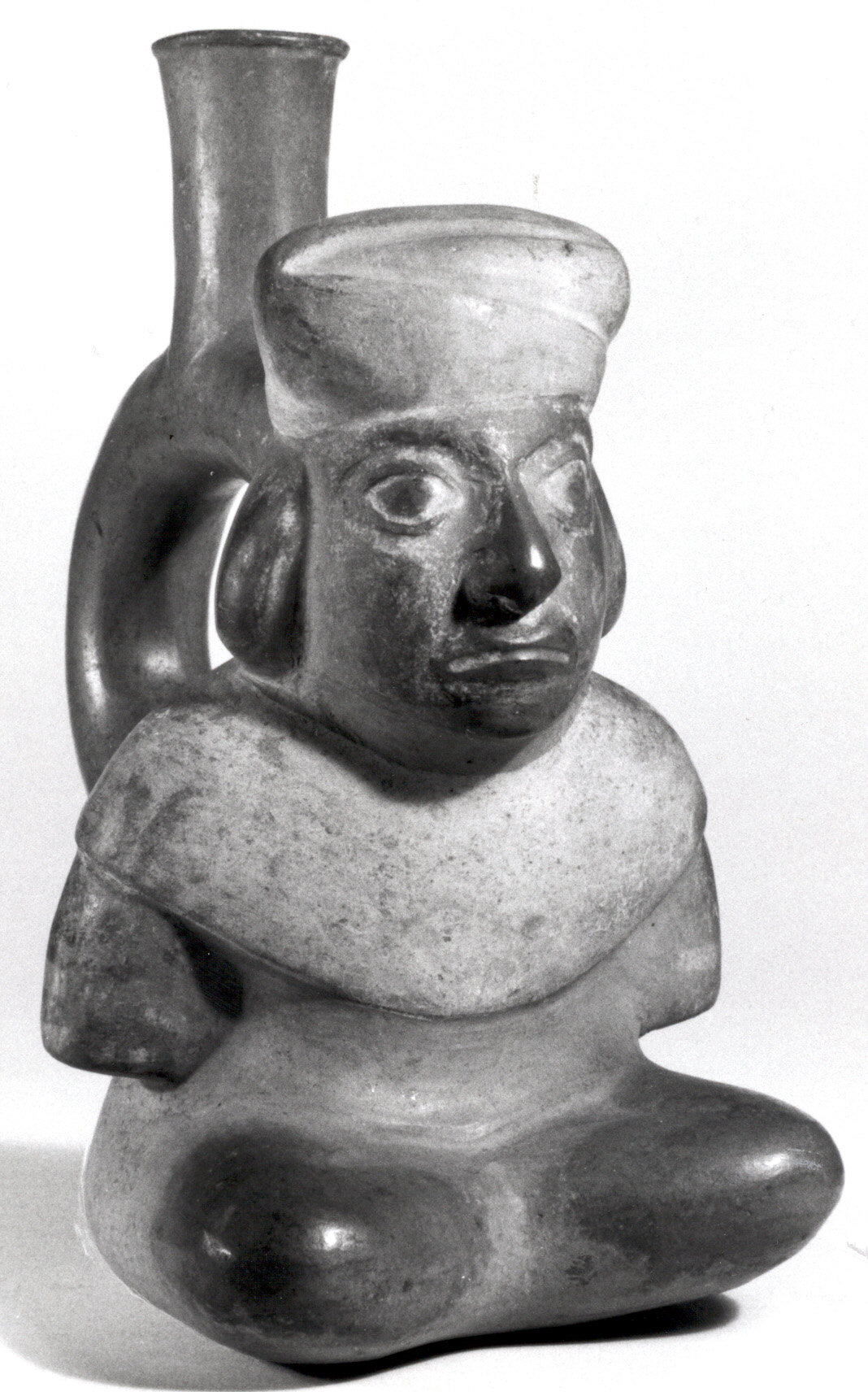
Machu Pirqa
Ancient Chachapoyas wall in Peru.