
Explore the Map
Toquepala Caves
-17.3044° N, -70.7181° E
About
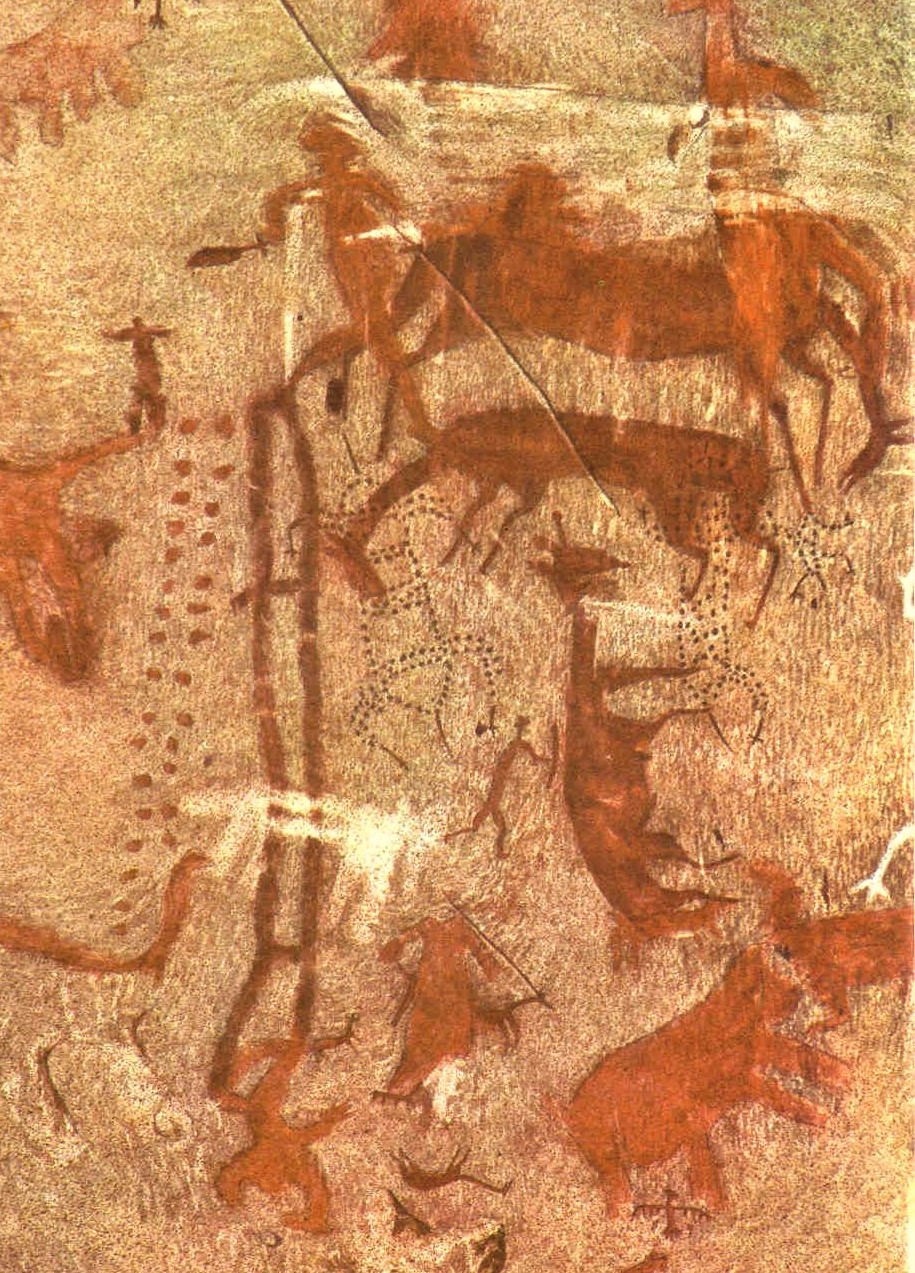
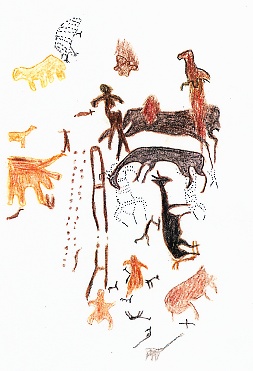
The Toquepala Caves, located in the southern Andes of Peru, are significant archaeological sites known for their Paleolithic rock paintings. Situated at an elevation of 2,200 to 2,800 meters, these caves were seasonally occupied by gatherer-hunters around 7,650 BCE. The most famous cave, Abrigo del Diablo, contains over 50 rock paintings depicting scenes of human figures engaging in guanaco hunting, using tools such as axes and spears. The paintings, primarily using red hematite pigment, reflect the artistic and cultural practices of the Upper Paleolithic period. These caves provide valuable insight into early human habitation and artistic expression in the region, showcasing the interaction between prehistoric communities and their environment.
Gallery
Explore photographs of ancient structures, artifacts, and archaeological excavations
Historical Timeline
Journey through time and discover key events in this site's history
Paleolithic rock art creation
7,650 BCE
Seasonal occupation by gatherer-hunters
7,650 BCE
Archaeological Features
Unique architectural and cultural elements found at this historical site
Artistic and Decorative Features
Domestic and Habitation Structures
Environmental and Natural Features
Frequently Asked Questions
Plan Your Visit
Tours, travel arrangements, and practical information
More Sites in Peru
Buena Vista, Peru
Ancient temple complex with observatory in Peru
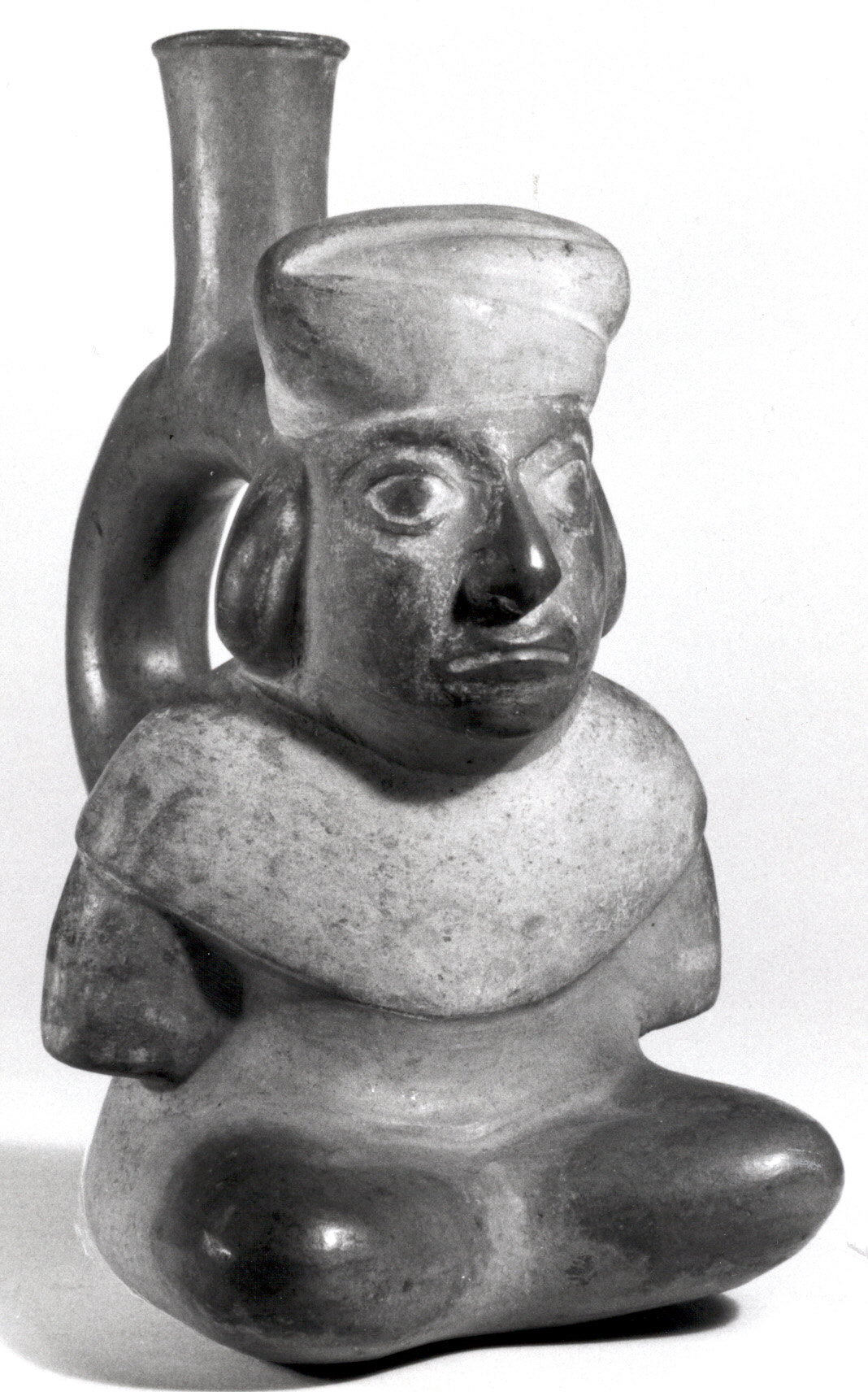
Markapukyu
Peruvian high-altitude archaeological site.
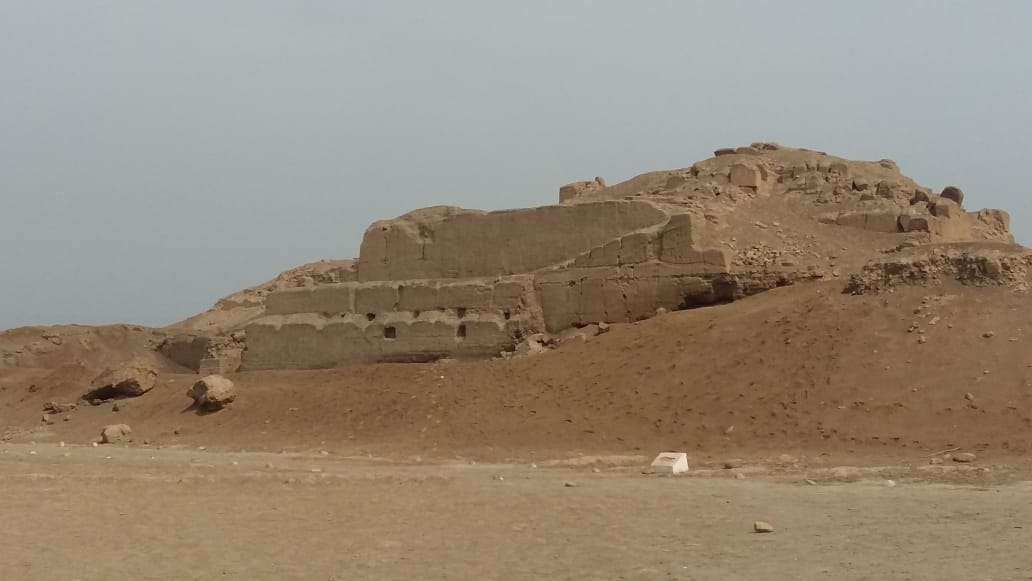
Taqrachullu
Rocky confluence site with cultural heritage.
La Centinela
Adobe pyramids in Chincha Valley, Peru.
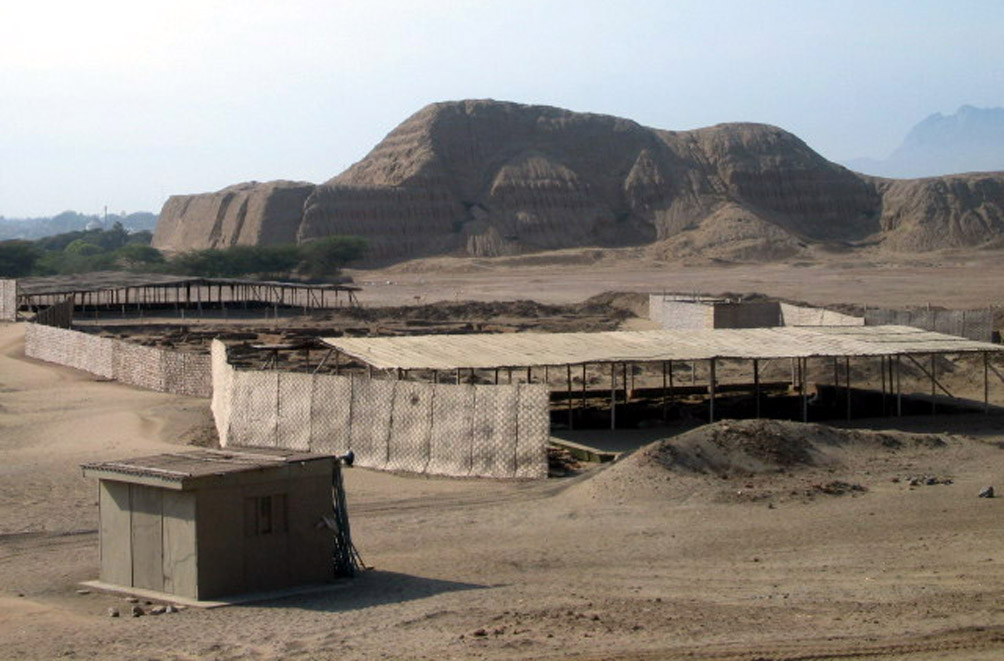
Huaca del Sol
Largest pre-Columbian adobe pyramid in Peru
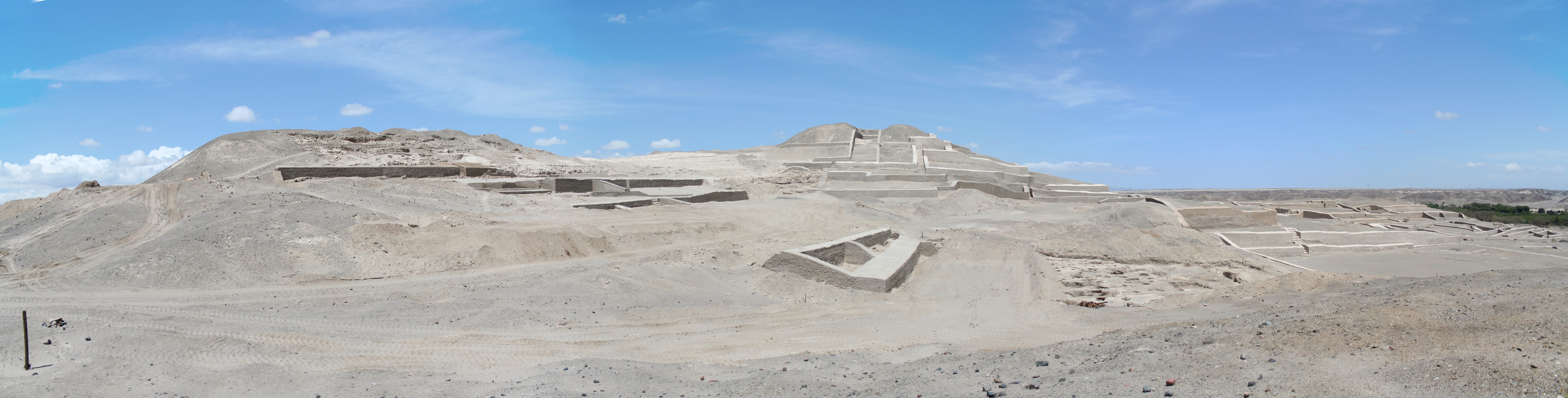
Cahuachi
Nasca ceremonial center with adobe mounds