
Time Periods
Paleolithic
Mesolithic
Neolithic
Chalcolithic
Bronze Age
Iron Age
Classical Period
Post-Classical Period
Early Modern Period
Industrial Period
Contemporary Period
Time Periods
Paleolithic
Mesolithic
Neolithic
Chalcolithic
Bronze Age
Iron Age
Classical Period
Post-Classical Period
Early Modern Period
Industrial Period
Contemporary Period
Location
About
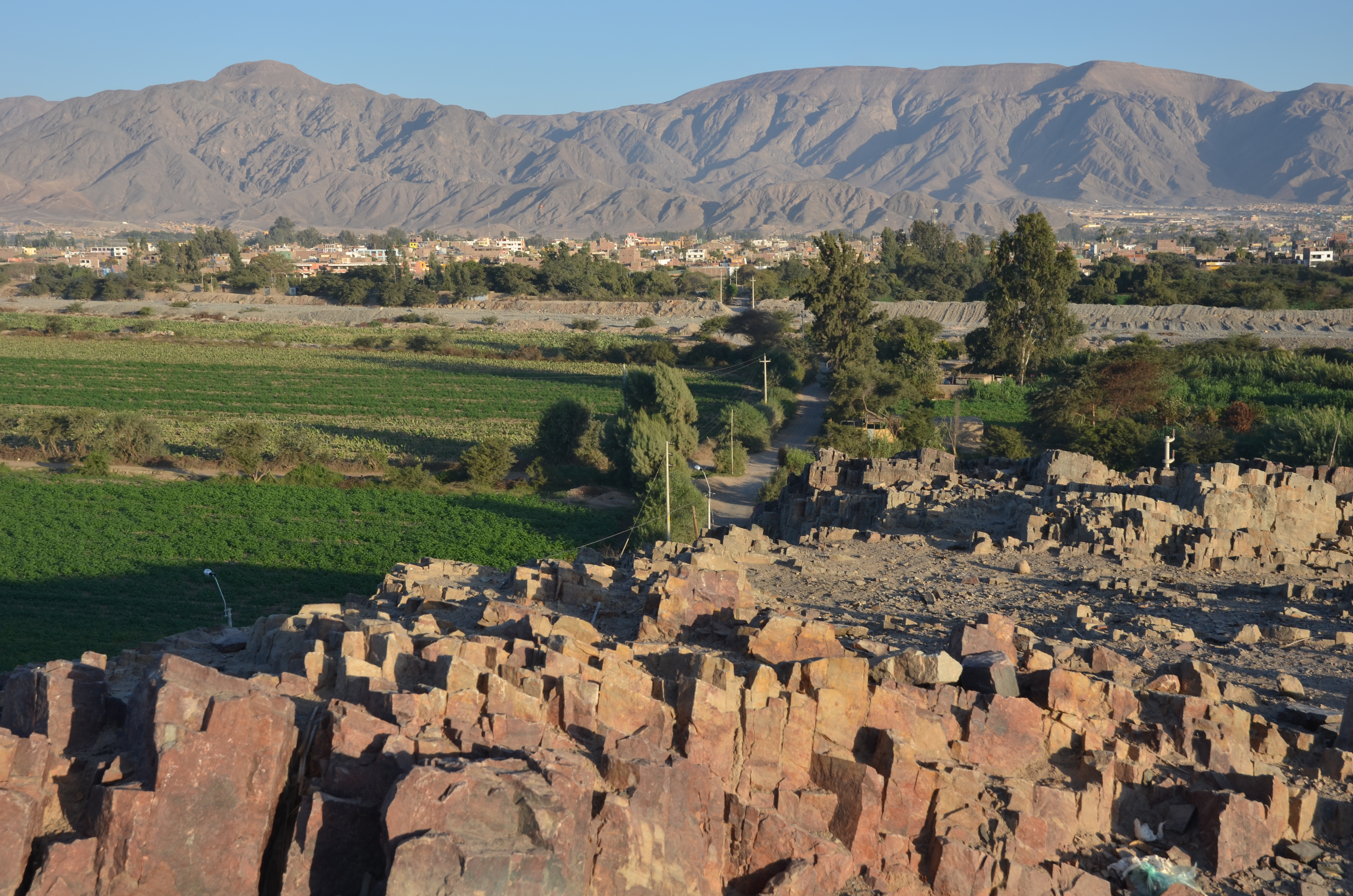
Nazca (; sometimes spelled Nasca; Quechua: Naska) is a city and system of valleys on the southern coast of Peru. The city of Nazca is the largest in the Nazca Province. The name is derived from the Nazca culture, which flourished in the area between 100 BC and AD 800. This culture was responsible for the Nazca Lines and the ceremonial city of Cahuachi. They also constructed additional underground aqueducts, named puquios, in a regional system that still functions today. The first puquios are believed to have been built by the preceding Paracas culture. Nazca is the capital of the Nazca Province located in the Ica District of the Ica Region of Peru.
Gallery
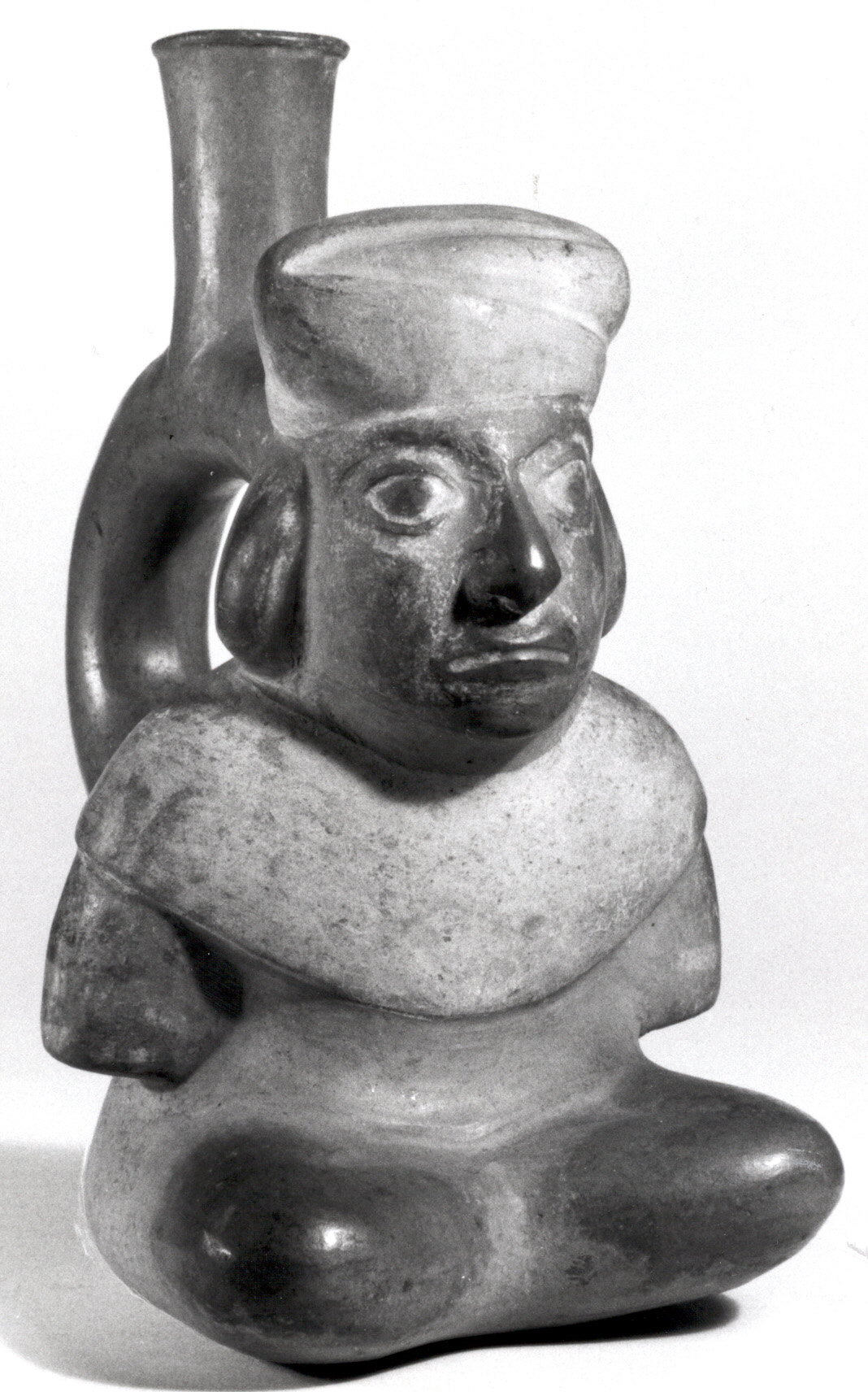
Explore photographs of ancient structures, artifacts, and archaeological excavations at Nazca
Plan Your Visit
Details
- Country
- Peru
- Source
- Wikipedia
More Sites in Peru
Molloko
Archaeological site near Acora, Peru
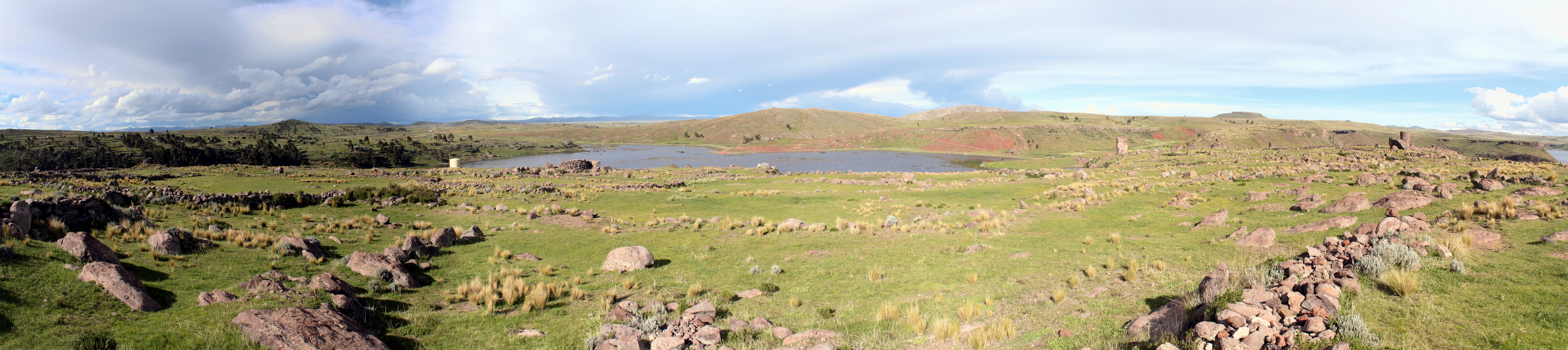
Sillustani
Pre-Inca tombs with chullpa towers
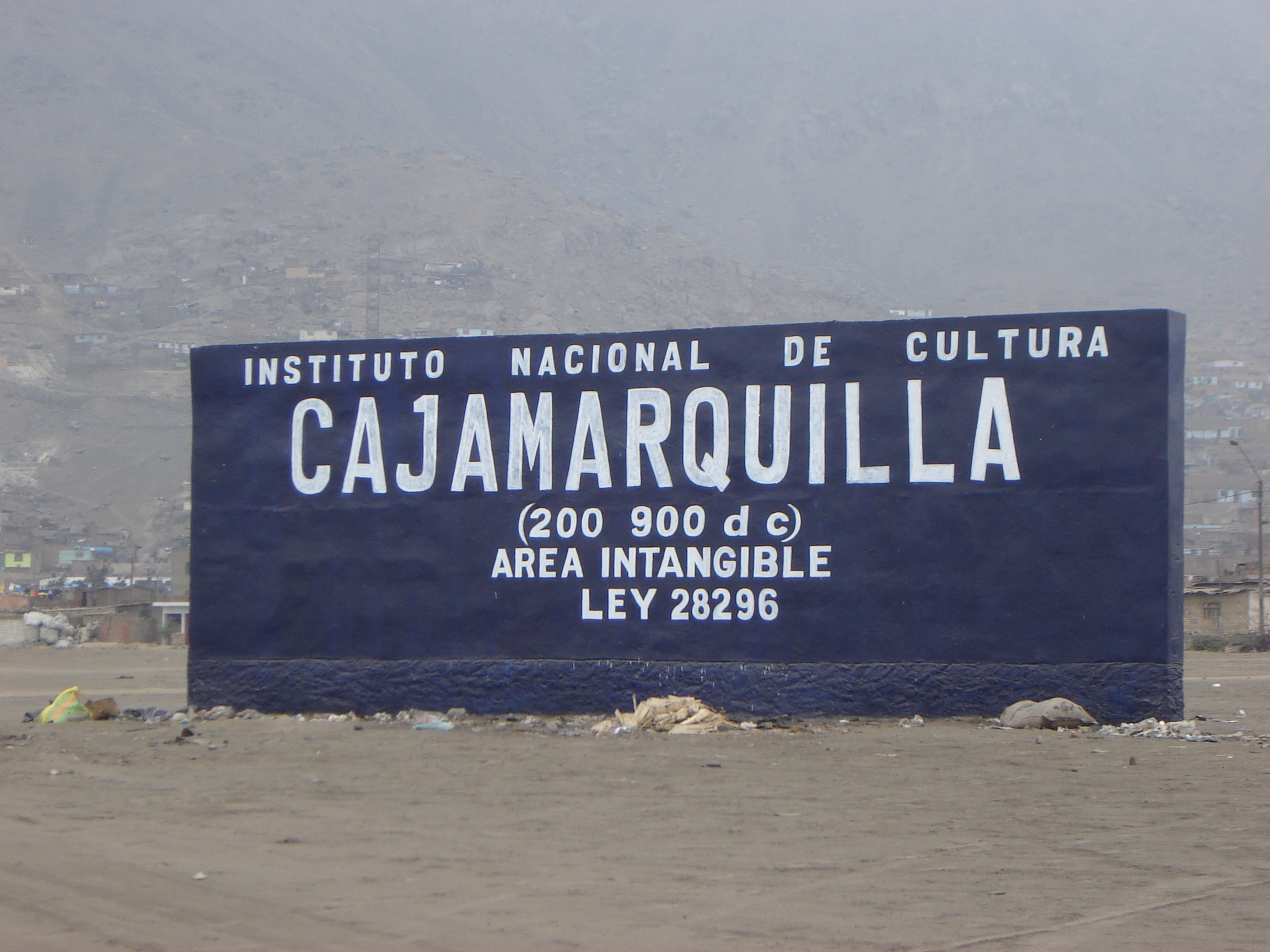
Cajamarquilla
Large adobe city with diverse structures
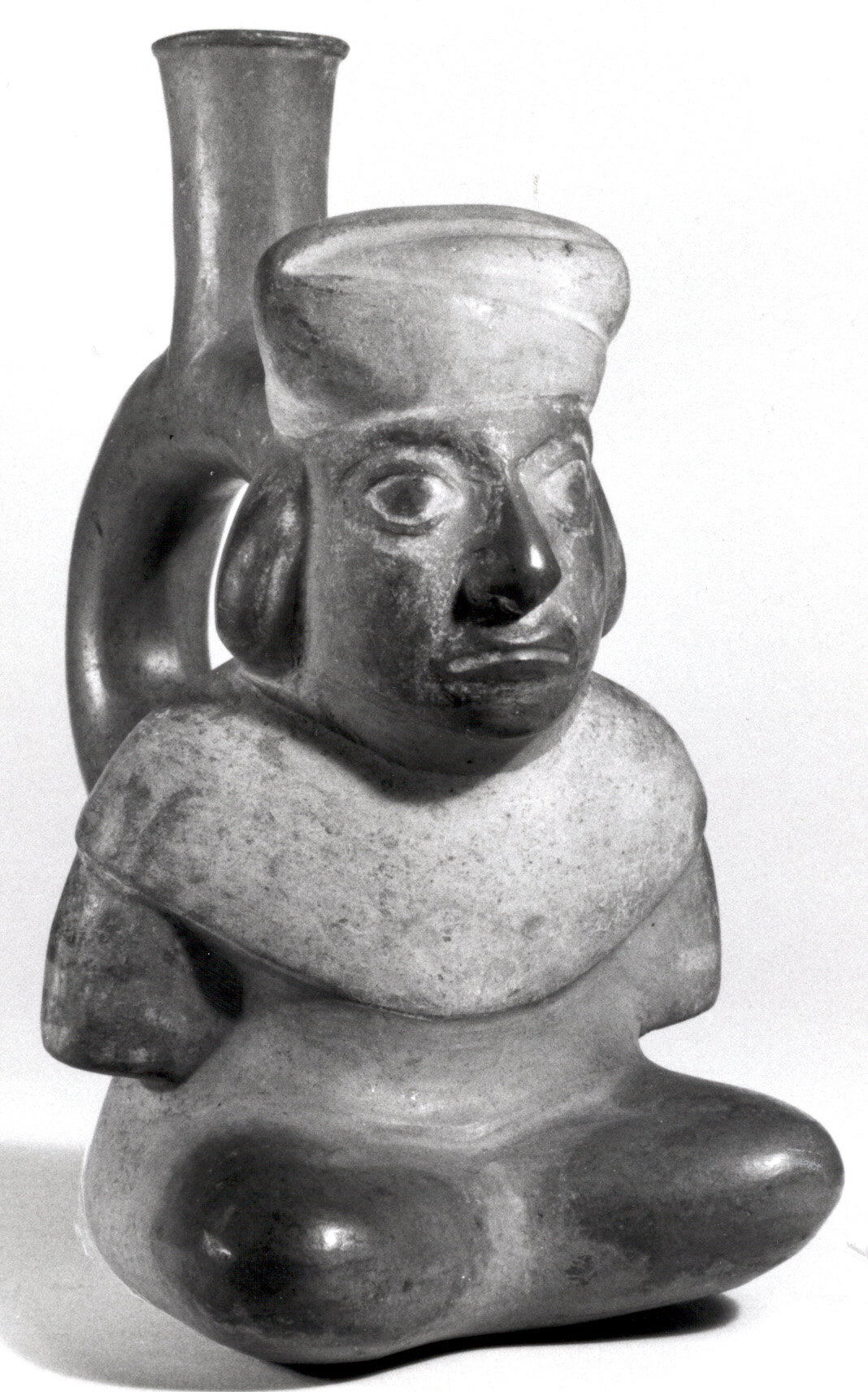
Wila Wilani (Tacna)
Rock art site with camelid hunting scenes.
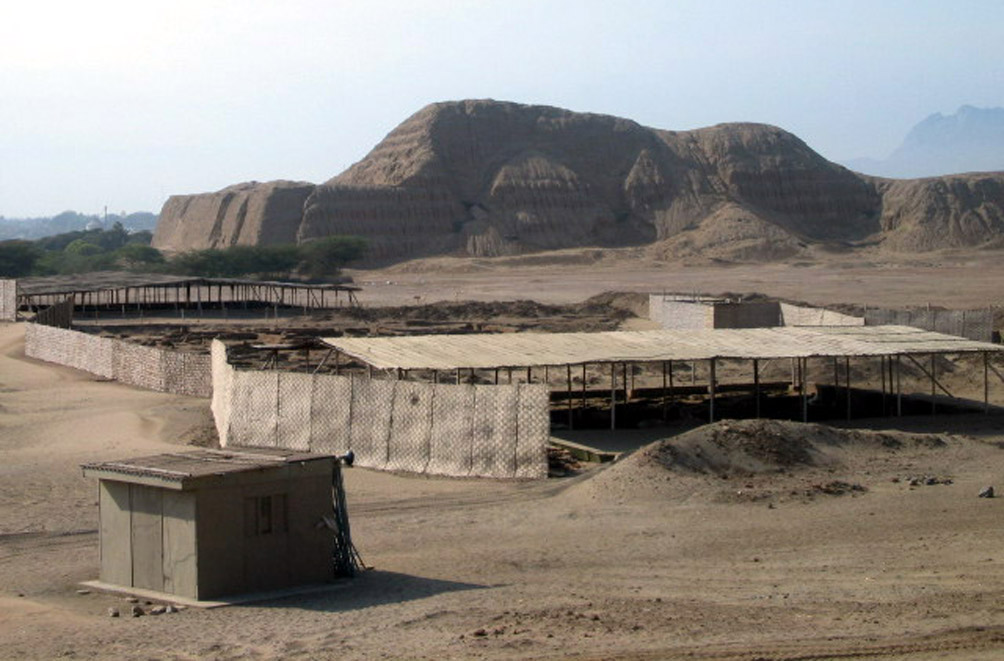
Huaca del Sol
Largest pre-Columbian adobe pyramid in Peru
Chichakuri
Stone tombs, walls, houses, and squares.