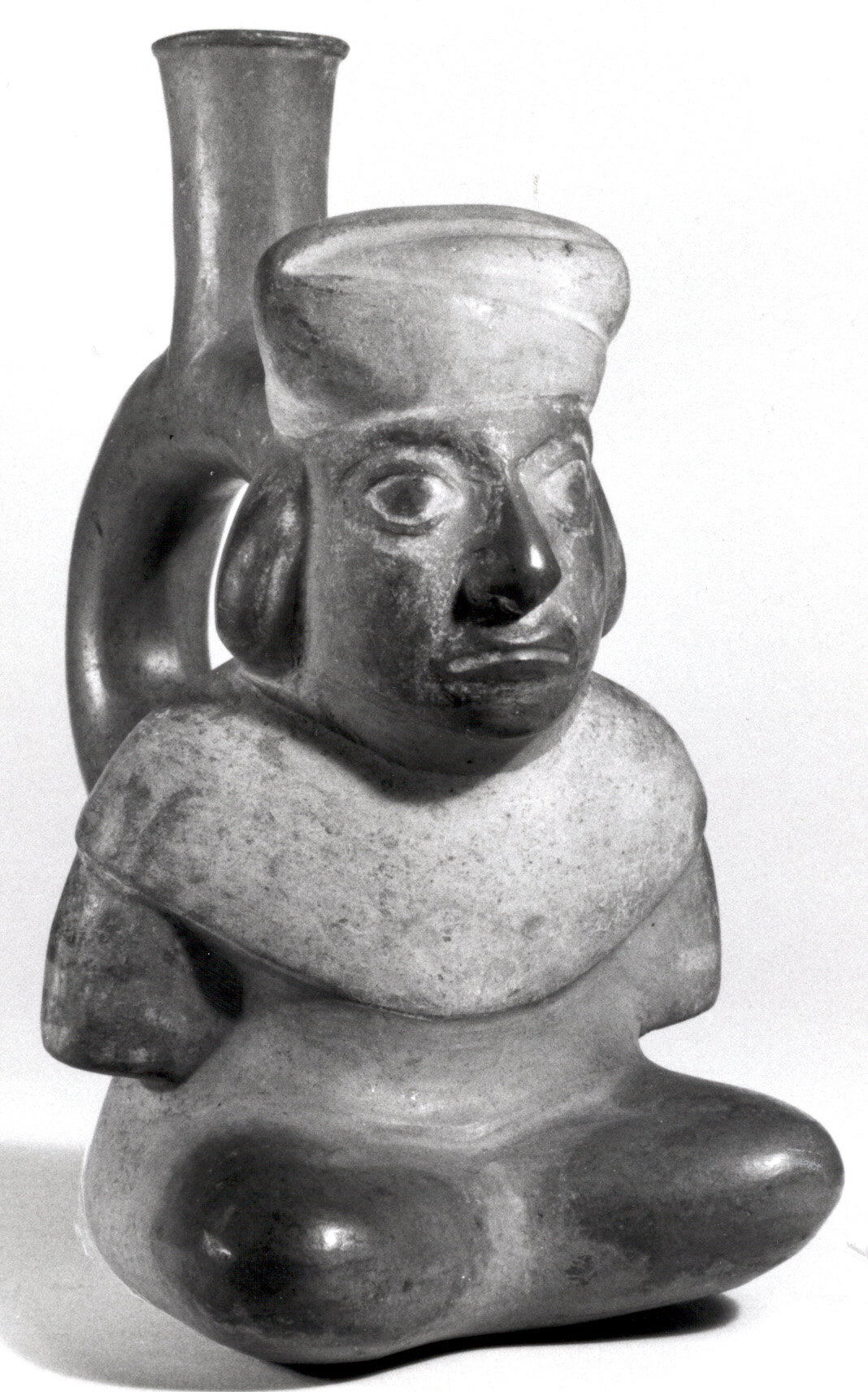
Explore the Map
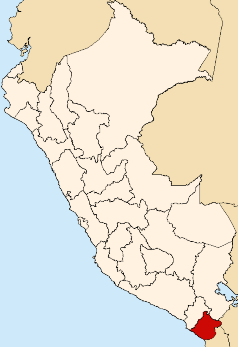
Wila Wilani (Tacna)
-17.8615° N, -69.9237° E
About
Wila Wilani is an archaeological site in the Tacna Region of Peru, distinguished by its rock art. The site is characterized by its vivid depictions of hunting scenes, primarily featuring camelids, which are native to the Andean region. The art is indicative of the practices and possibly the beliefs of the people who inhabited the area during the Late Post-Classical Period, which spans from 1000 CE to 1500 CE. This suggests a community engaged in hunting and possibly trade or domestication of camelids. The site provides valuable insights into the artistic expressions and daily life of the indigenous populations of pre-Columbian South America.
Gallery
Explore photographs of ancient structures, artifacts, and archaeological excavations
Historical Timeline
Journey through time and discover key events in this site's history
Camelid Hunting Scenes
1000 CE - 1500 CE
Archaeological Features
Unique architectural and cultural elements found at this historical site
Artistic and Decorative Features
Frequently Asked Questions
Plan Your Visit
Tours, travel arrangements, and practical information
More Sites in Peru
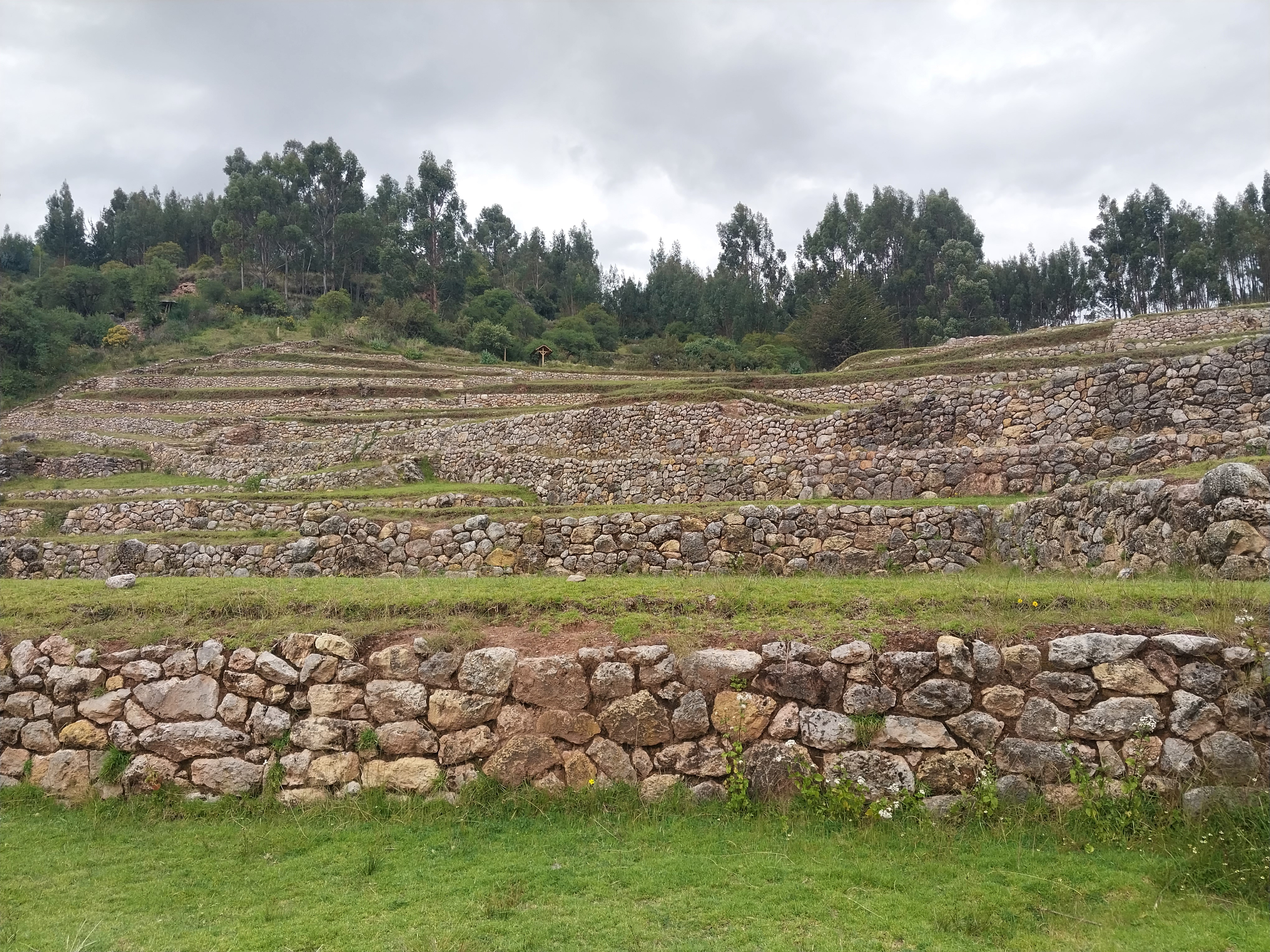
Inkilltambo
Ancient Peruvian site with cultivated terrain.
Tunanmarca
Hilltop archaeological site with ancient structures
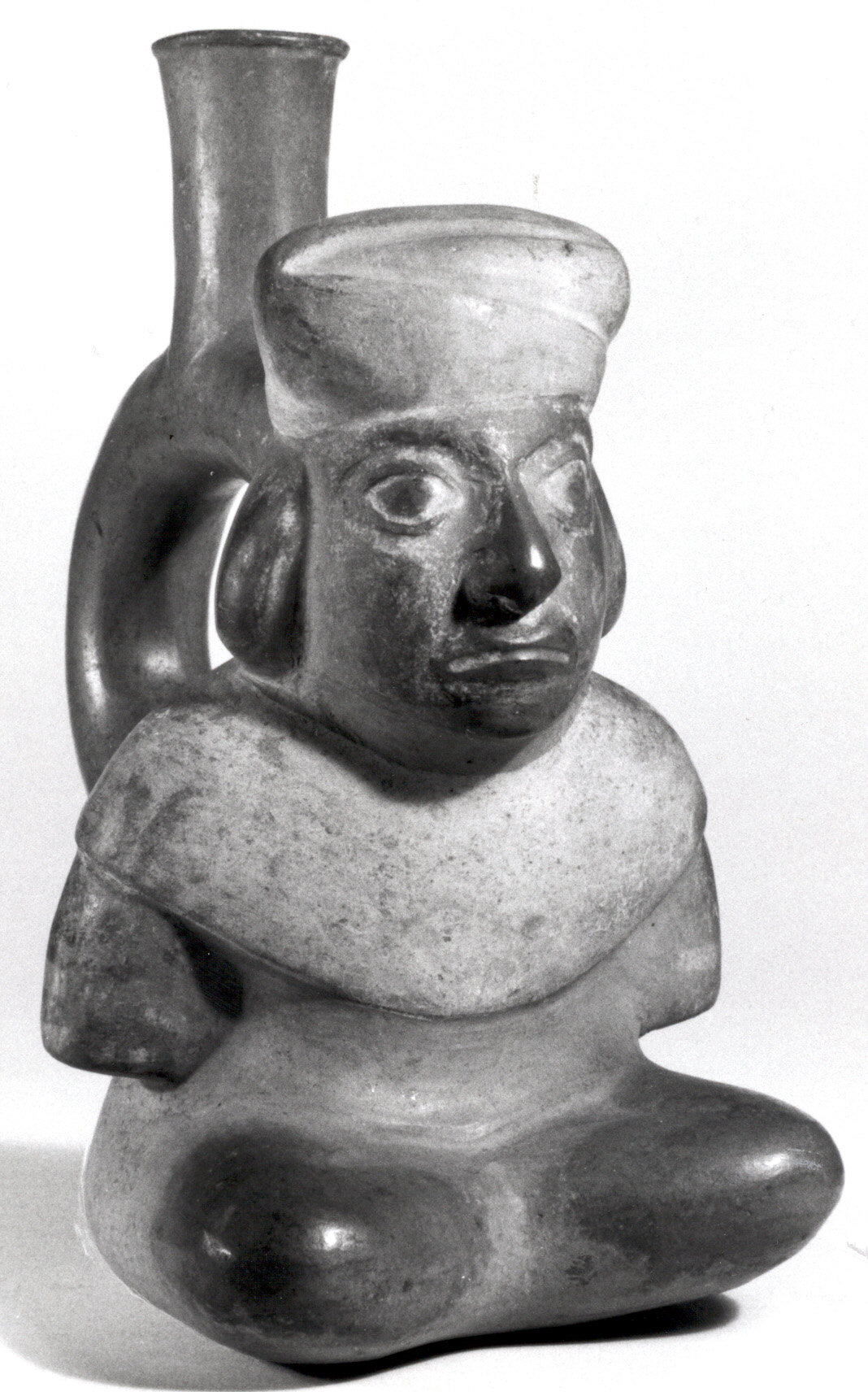
Machu Pirqa
Ancient Chachapoyas wall in Peru.
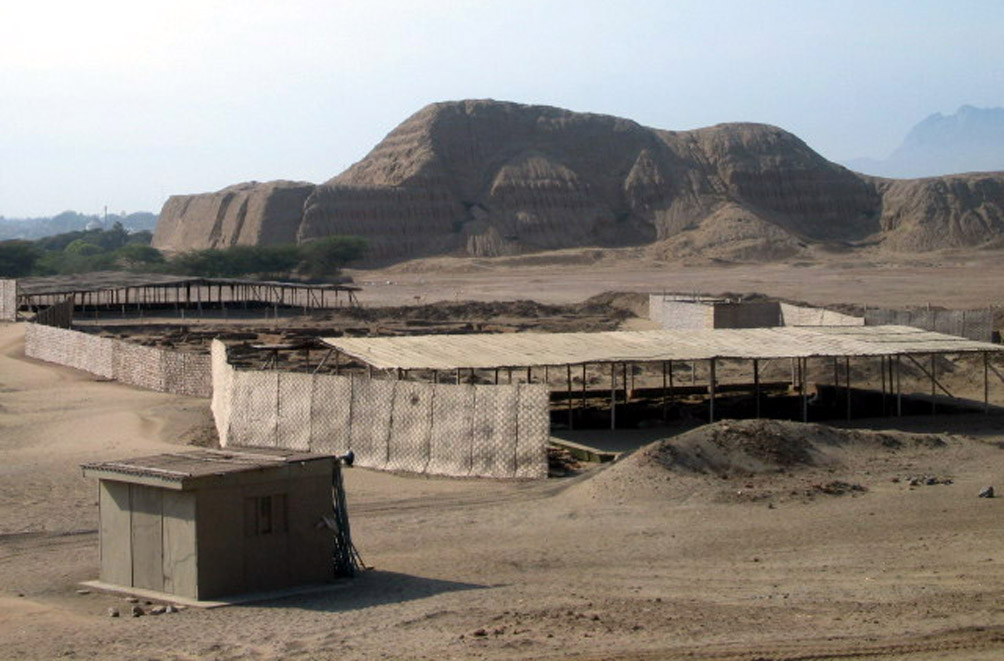
Huaca del Sol
Largest pre-Columbian adobe pyramid in Peru
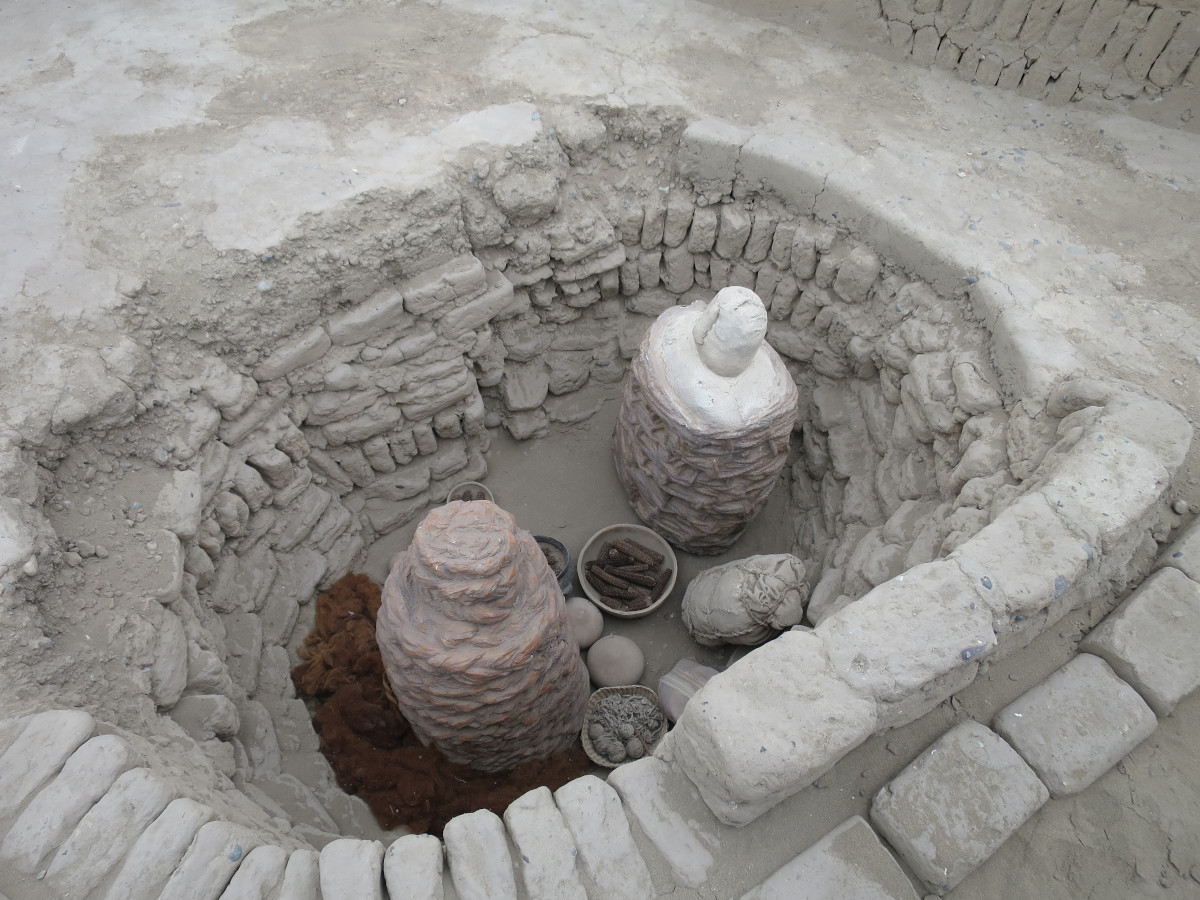
Huaca Pucllana
Adobe pyramid with ceremonial and administrative areas
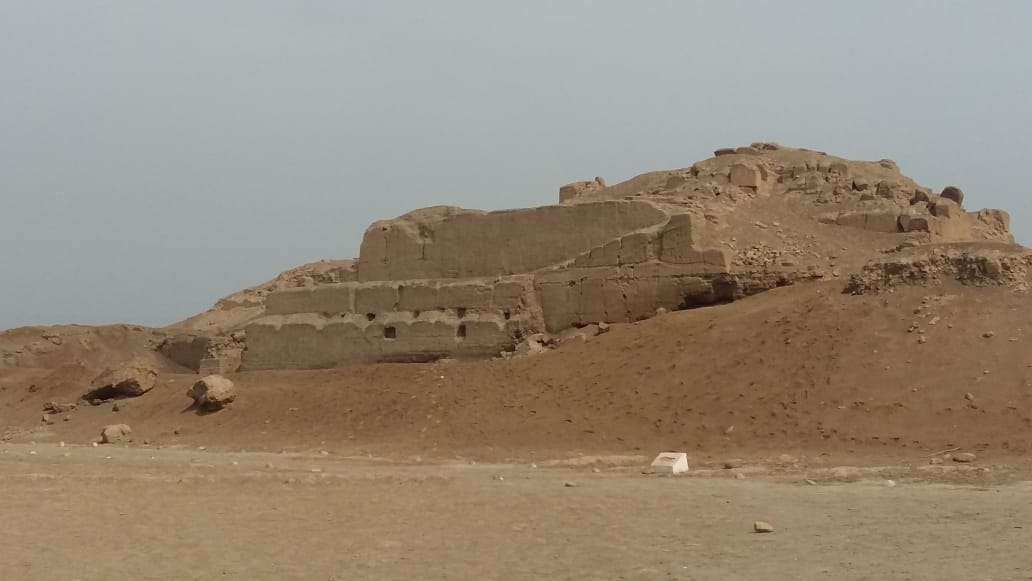
La Centinela
Adobe pyramids in Chincha Valley, Peru.