Time Periods
Paleolithic
Mesolithic
Neolithic
Chalcolithic
Bronze Age
Iron Age
Classical Period
Post-Classical Period
Early Modern Period
Industrial Period
Contemporary Period
Time Periods
Paleolithic
Mesolithic
Neolithic
Chalcolithic
Bronze Age
Iron Age
Classical Period
Post-Classical Period
Early Modern Period
Industrial Period
Contemporary Period
Location
About
Krzywa Góra, located in the Opole Voivodeship of Poland, is notable for its medieval motte-and-bailey castle site from the 14th century. This defensive structure highlights the region's historical significance during the late Post-Classical Period, under Piast-ruled Poland. The village's name, derived from Old Polish, reflects its deep-rooted cultural heritage. Throughout its history, Krzywa Góra experienced several political changes, including annexation by Prussia in the 18th century and incorporation into Germany from 1871 until 1945. Following World War II, the village was restored to Poland. Today, the site offers valuable insights into medieval fortification methods and the region's dynamic historical landscape.
Archaeological Features
Explore the unique architectural and cultural elements found at this historical site
Defensive Structures
Historical Timeline
Journey through time and discover key events in this site's archaeological history
Plan Your Visit
Details
- Country
- Poland
- Source
- Wikipedia
More Sites in Poland
Żukczyn
Iron Age settlements and cemetery sites
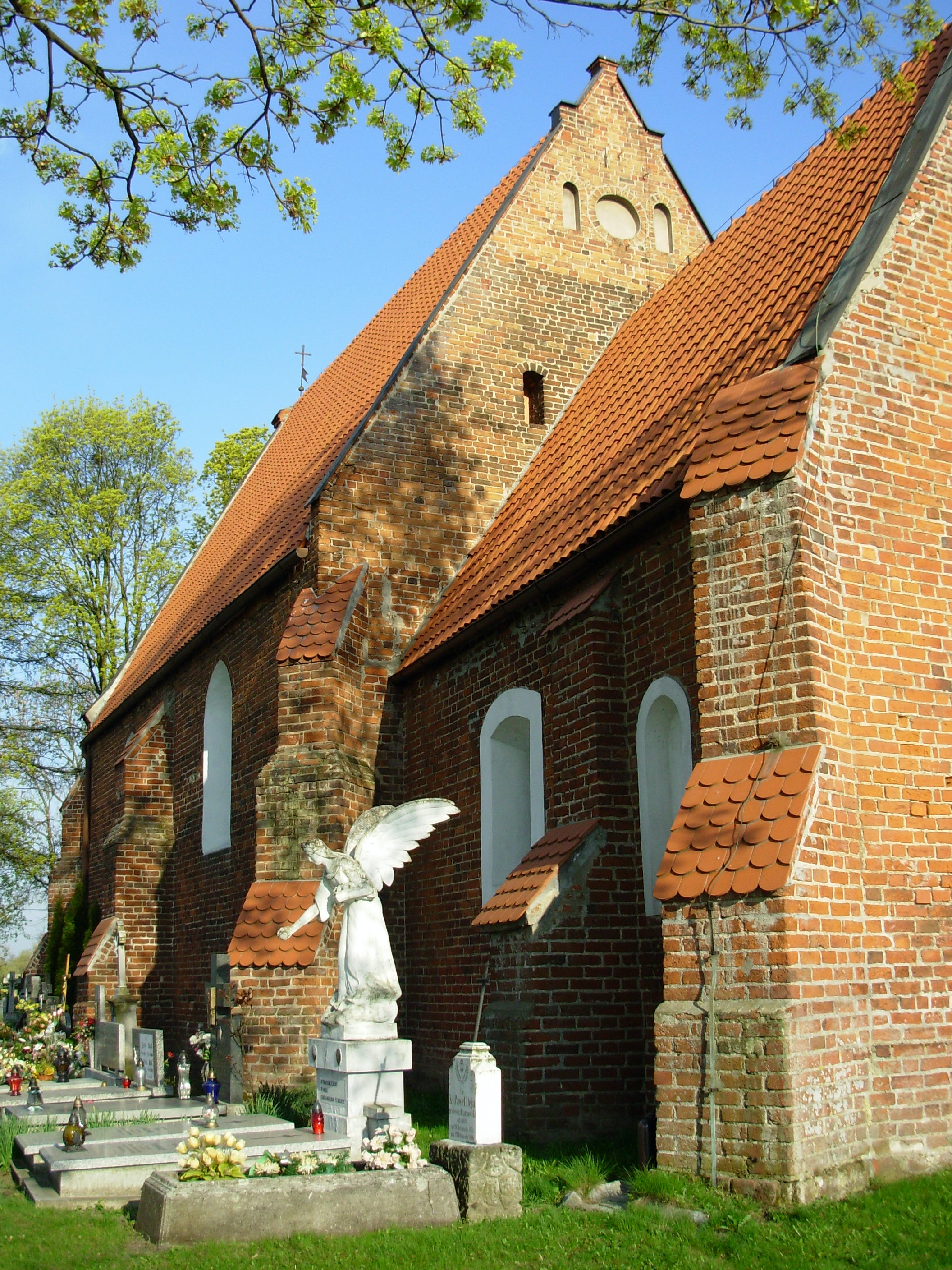
Czarnowo, Kuyavian-Pomeranian Voivodeship
Prehistoric and medieval defensive settlement site
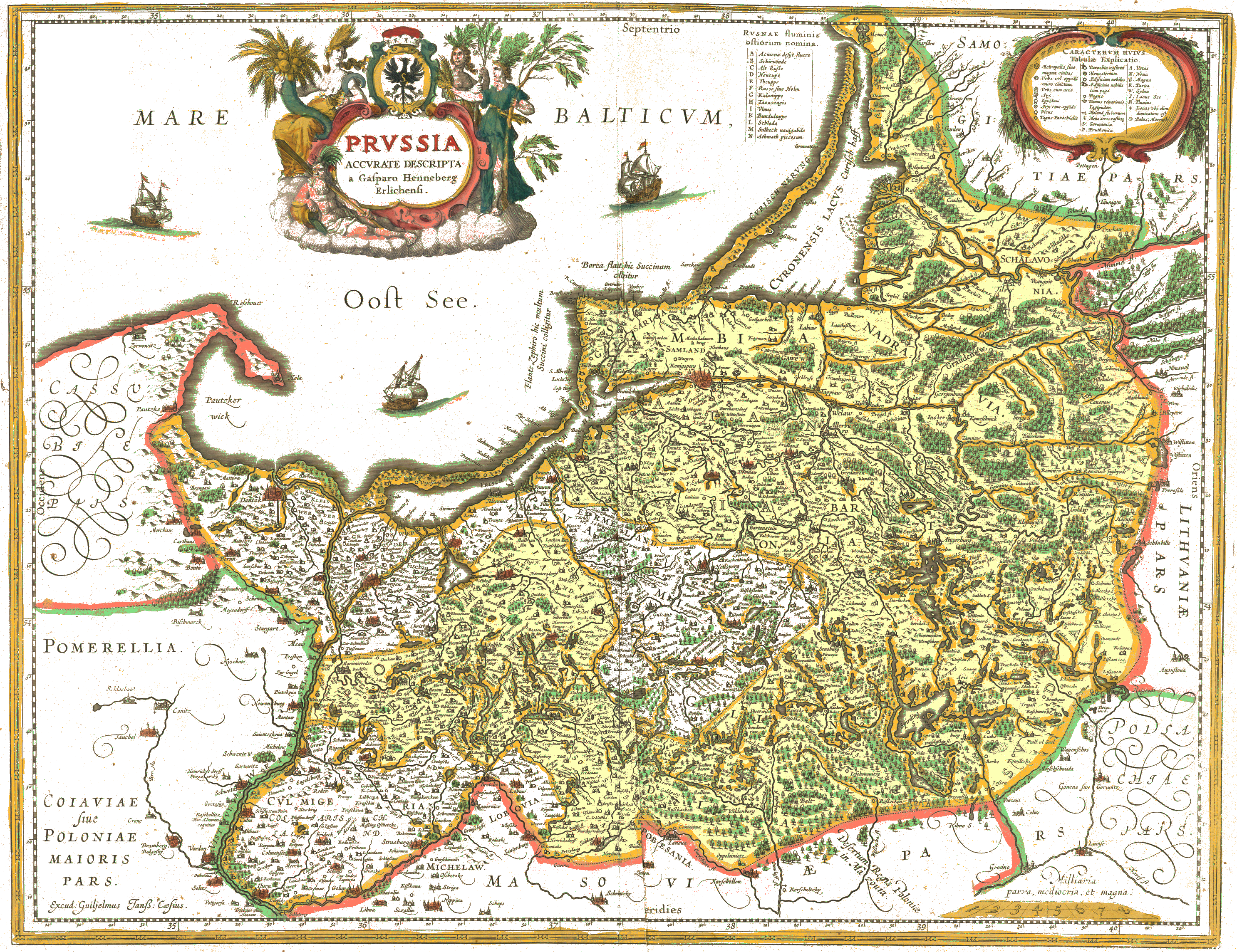
Zantyr
Lost Teutonic Order castle and town.
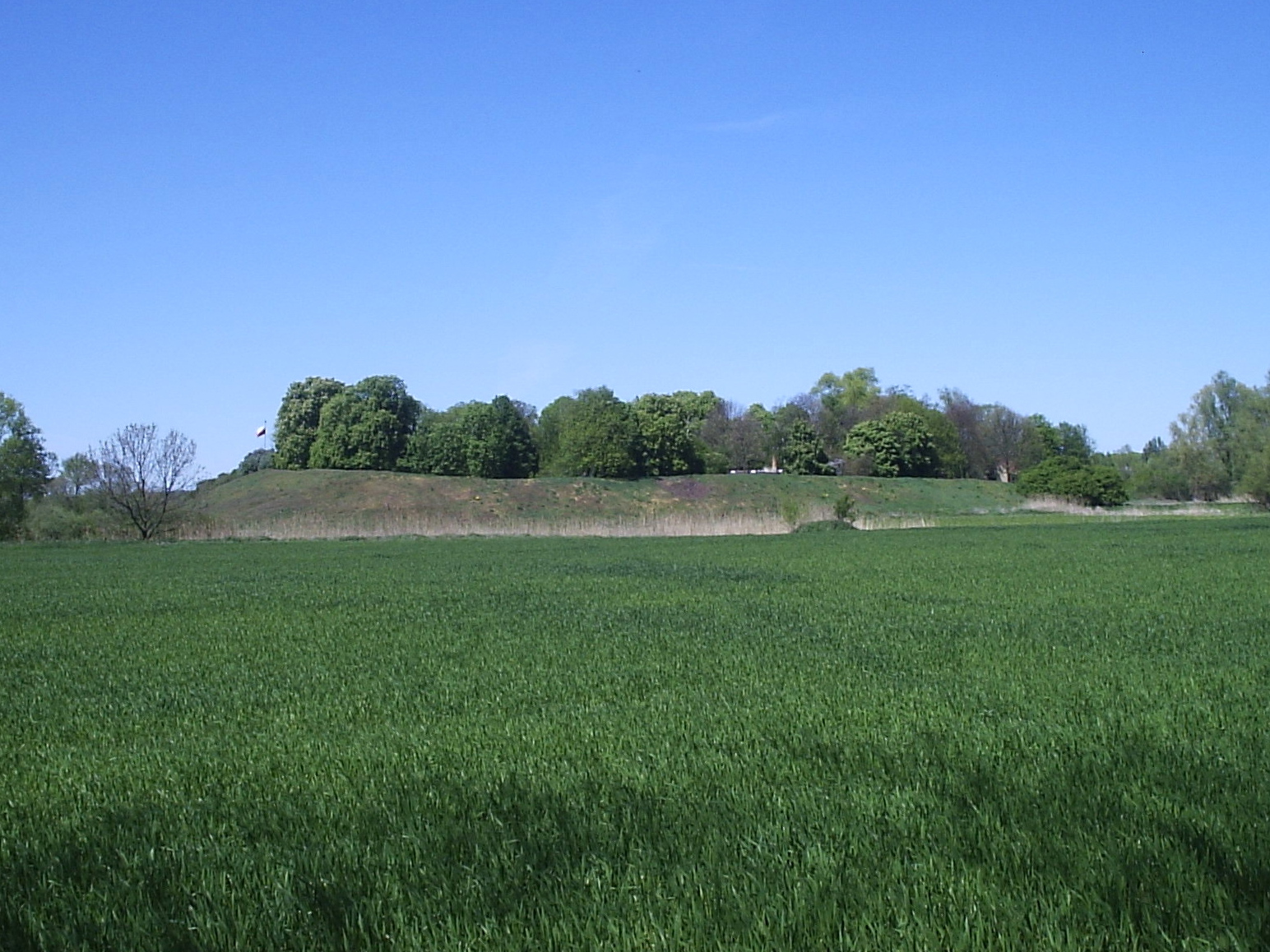
Giecz
Medieval center with fortifications and artifacts
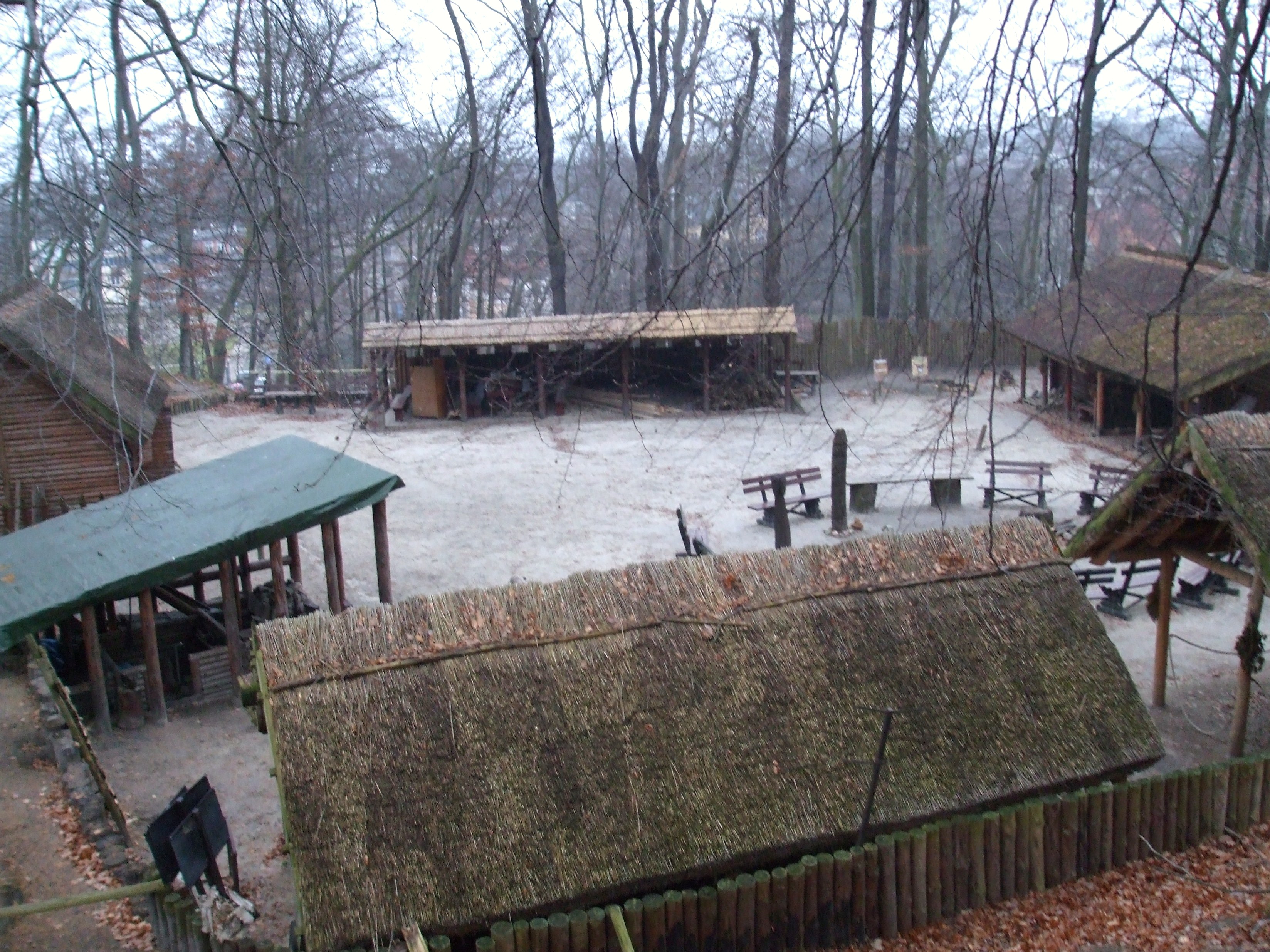
Grodzisko in Sopot
Medieval fortified settlement with reconstructed structures.
Stobno, Lower Silesian Voivodeship
Prehistoric village with Bronze Age artifacts