Explore the Map
Yoghbi
25.8501° N, 51.0018° E
About
Yoghbi is an archaeological site in north-west Qatar, notable for housing the earliest known Islamic-era settlement on the Qatar Peninsula. The site, located in a rawda and surrounded by wells and dam structures, is characterized by its low elevation and partial concealment by trees. Initial settlement at Yoghbi dates back to the Sasanian period (538-670 CE), with continued habitation into the Umayyad period (661-750 CE). This discovery is significant as it challenges prior assumptions about the settlement patterns in Qatar, highlighting the region's habitation prior to major trade developments in the broader Islamic world. The presence of water management features at Yoghbi indicates advanced adaptation to its environment, supporting sustainable living conditions in this historic village.
Historical Timeline
Journey through time and discover key events in this site's history
Sasanian Period Settlement
538 CE - 670 CE
Umayyad Period Habitation
661 CE - 750 CE
Archaeological Features
Unique architectural and cultural elements found at this historical site
Water Management Features
Domestic and Habitation Structures
Frequently Asked Questions
Plan Your Visit
Tours, travel arrangements, and practical information
More Sites in Qatar
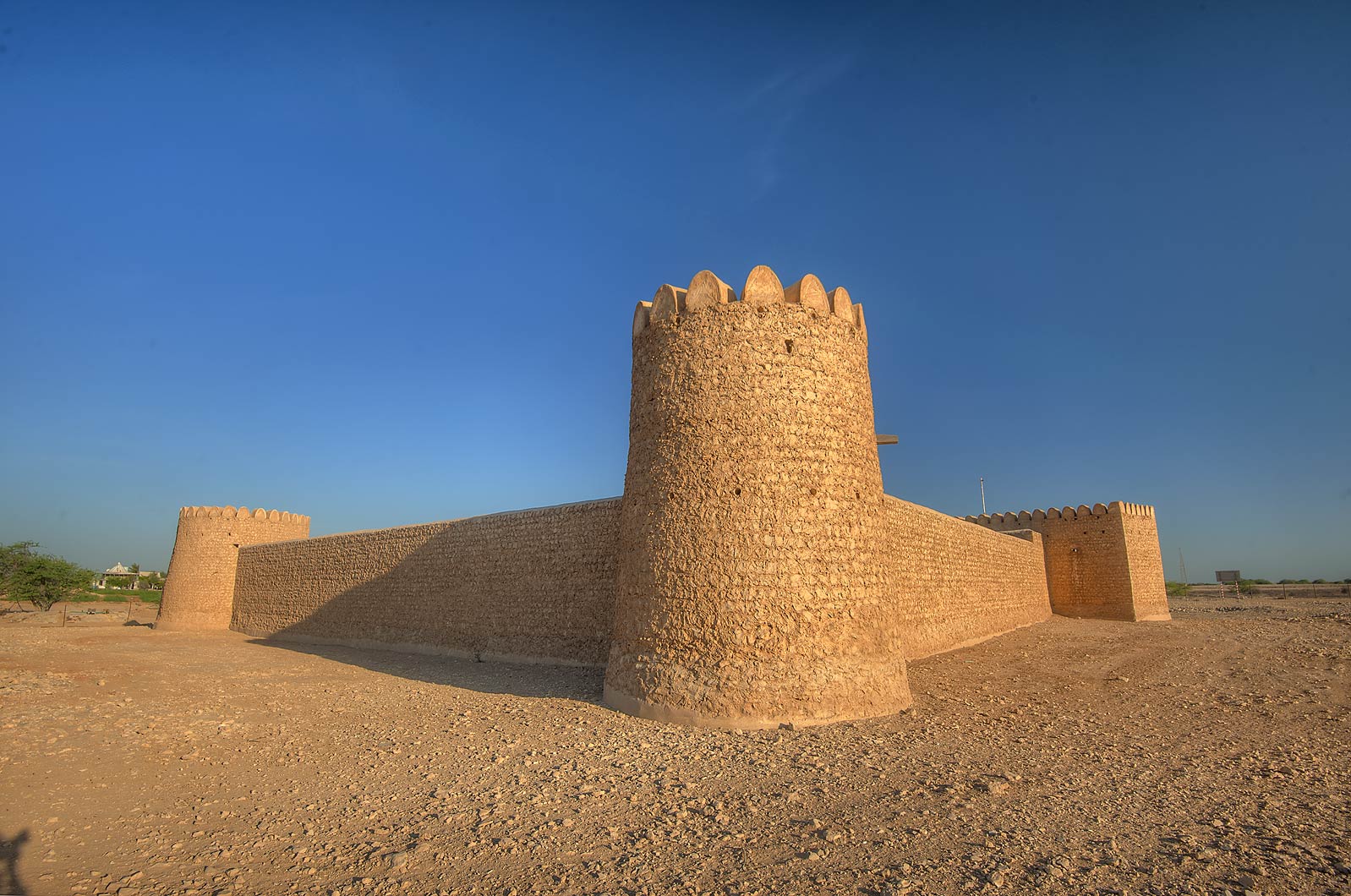
Freiha
Deserted village with fort and mosque.
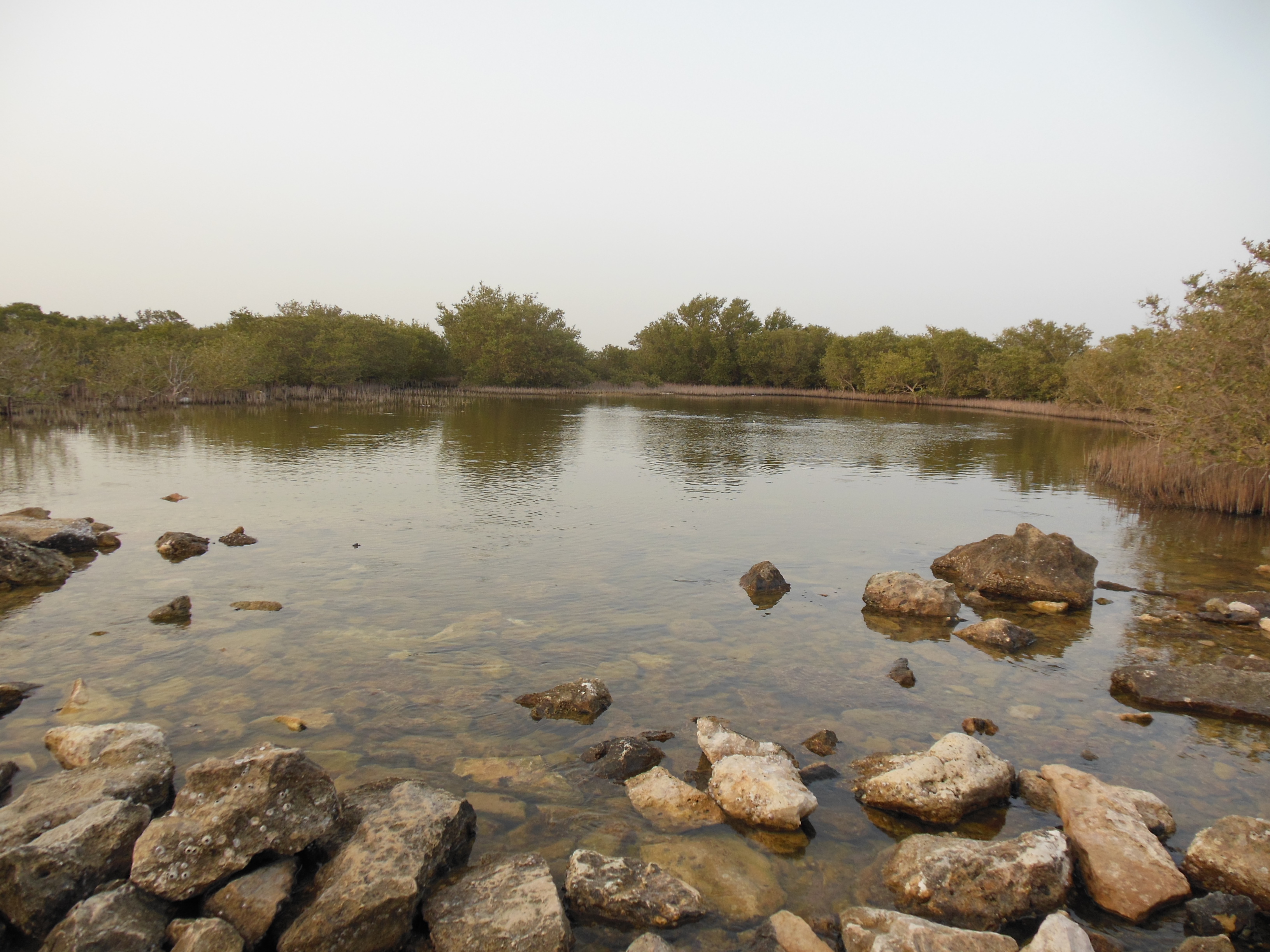
Ath Thaqab
Abandoned village with historic fort and well.
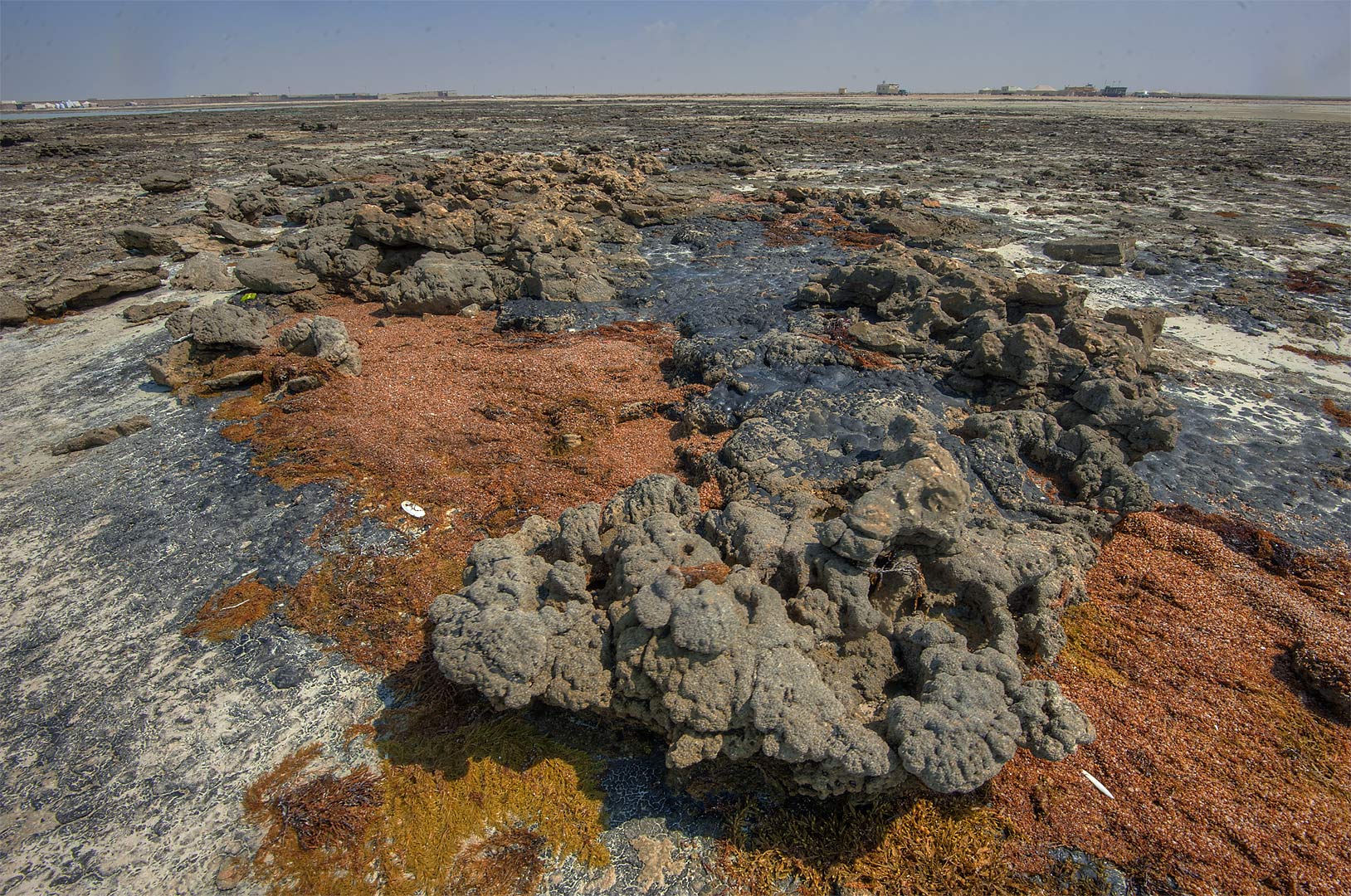
Al Khor Island
Island with ancient dye industry and artifacts
Al Zubarah Archaeological Site
<p>The walled coastal town of Al Zubarah in the <span>Persian </span>Gulf flourished as a pearling and trading centre in the late 18<span>th</span> century…
Lehsain
Ruined village with Neolithic and 19th-century remains.
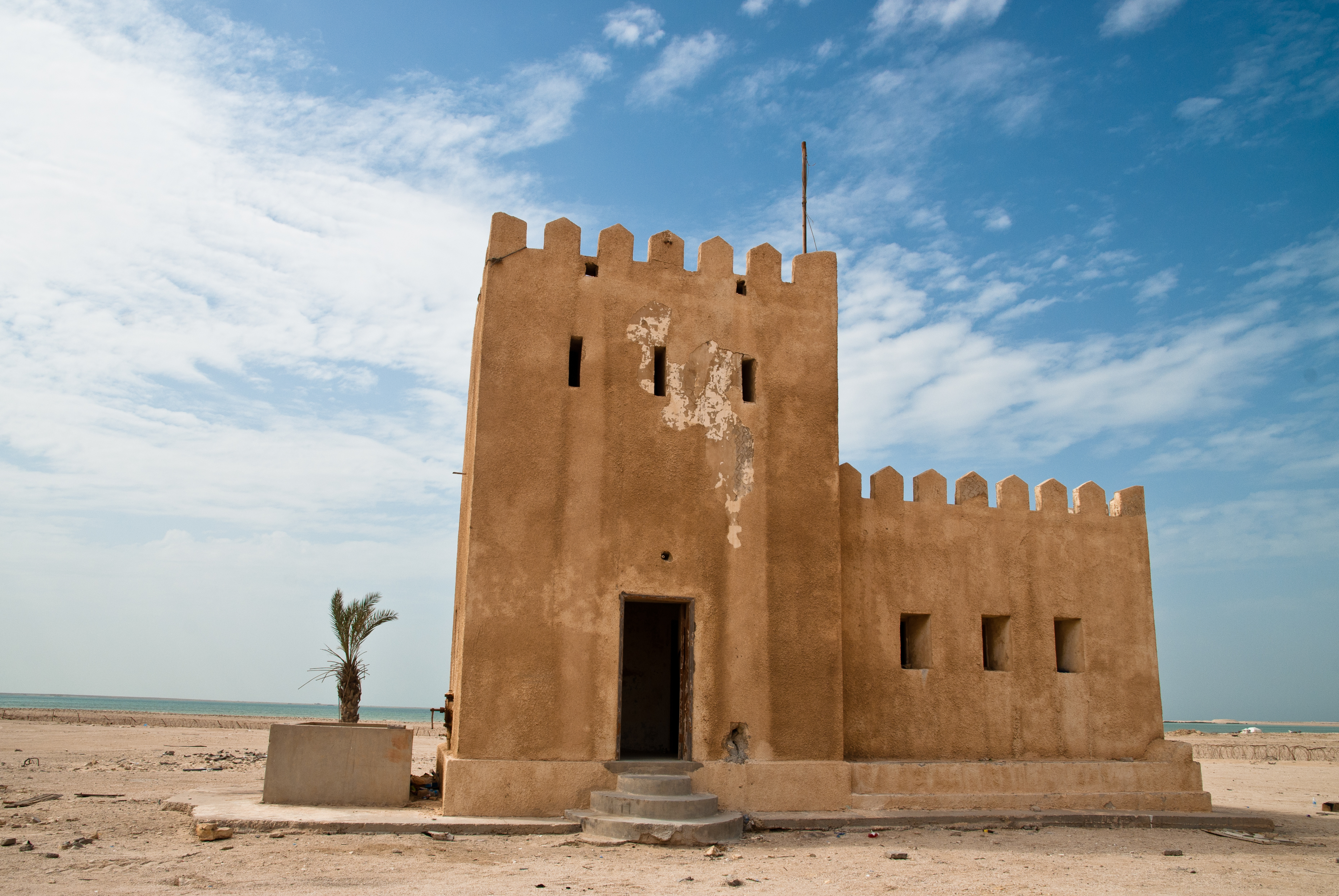
Umm Al Maa
Bronze Age cemetery with cairns and artifacts