Explore the Map
Por-Bazhyn
50.6150° N, 97.3847° E
About
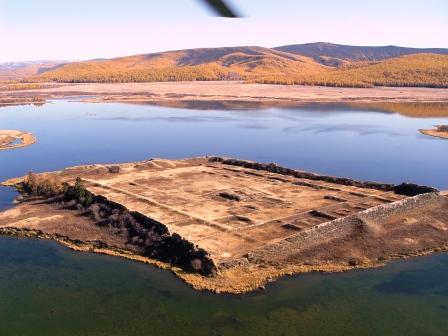
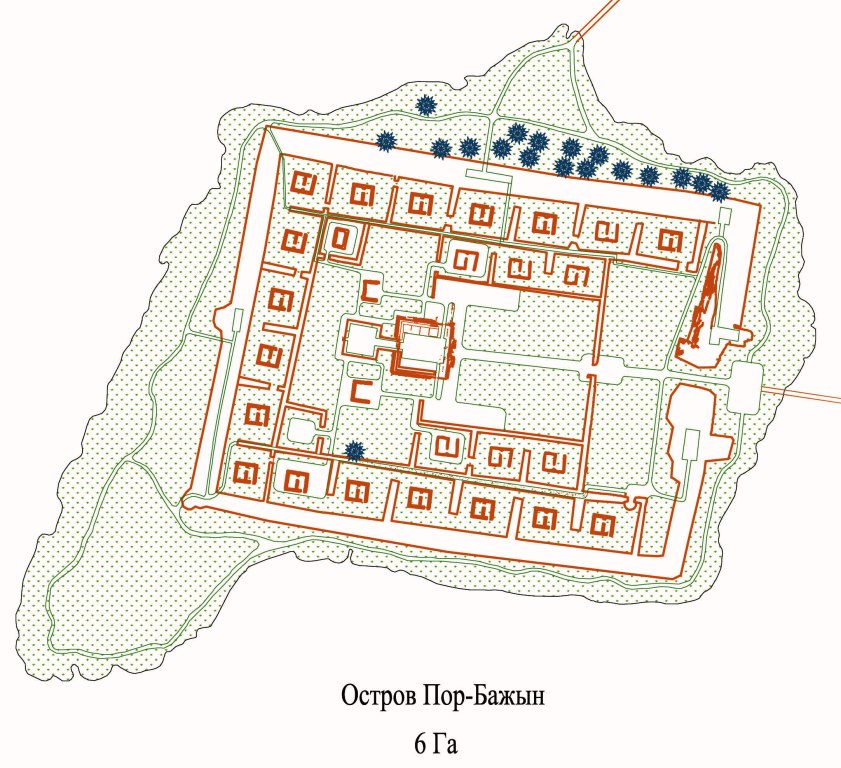
Por-Bazhyn is an archaeological site located on a lake island in the mountains of southern Tuva, Russia. The structure, dating to the 8th century CE, was initially constructed as a Uyghur palace within the Tang Chinese architectural tradition. Shortly after its construction, it was converted into a Manichaean monastery, reflecting the Uyghur Khaganate's religious influences. The site features a layout typical of Tang architecture with a central complex, courtyards, and defensive walls built using the Chinese hangtu technique. The palace was abandoned following an earthquake and the subsequent decline of Manichaeism. Eventually, the site was further damaged by another catastrophic earthquake and fire. Por-Bazhyn is significant for its demonstration of Uyghur and Chinese cultural interactions and is of modern cultural importance to the Uyghur community.
Gallery
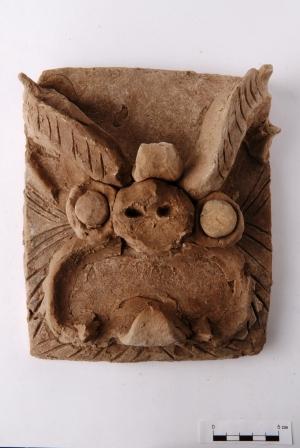
Explore photographs of ancient structures, artifacts, and archaeological excavations
Historical Timeline
Journey through time and discover key events in this site's history
Destruction by Earthquake and Fire
Late Middle Ages
Construction of Uyghur Palace
770 CE - 790 CE
Conversion to Manichaean Monastery
777 CE - 780 CE
Abandonment After Earthquake
780 CE
Archaeological Features
Unique architectural and cultural elements found at this historical site
Defensive Structures
Religious and Ritual Structures
Domestic and Habitation Structures
Environmental and Natural Features
Plan Your Visit
Tours, travel arrangements, and practical information
More Sites in Russia
Peremyshl, Muscovy
Medieval fortress and village site
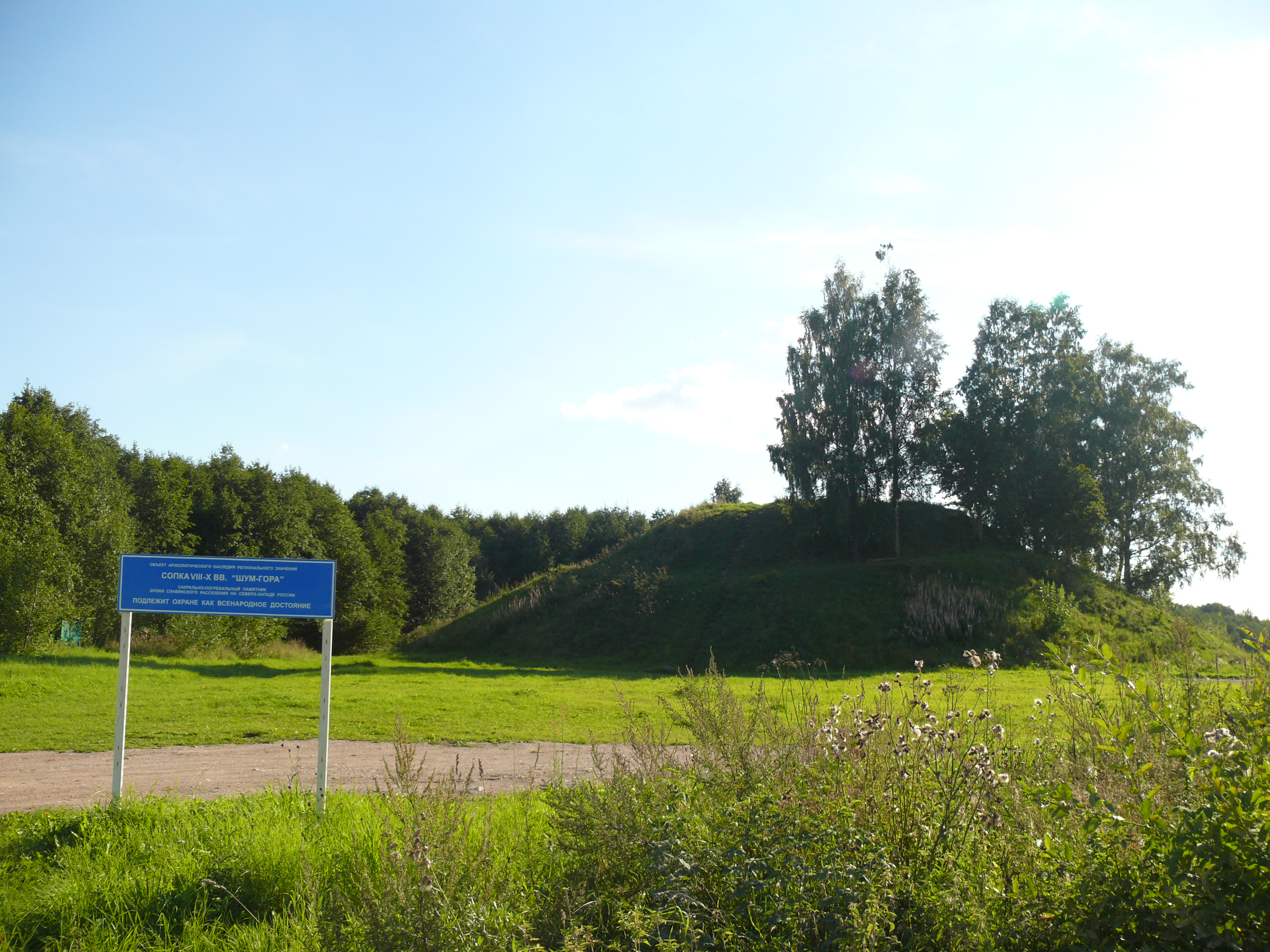
Shum-gora
Massive kurgan with ritual significance.
Mayatskoye
Khazar hill fort with burial ground
Timerevo
Unfortified Scandinavian trade outpost near Volga.
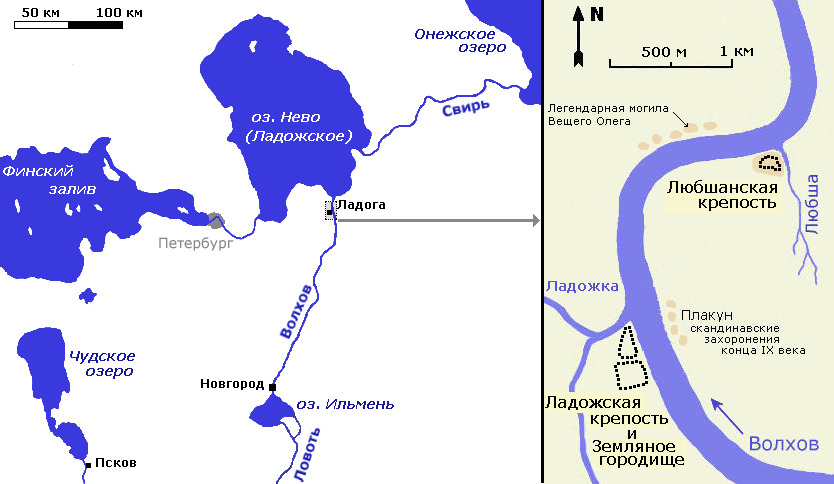
Lyubsha
Early Slavic fortification predating Staraya Ladoga.

Tanais
Ancient Greek city in Don River delta