Sapapaliʻi
Time Periods
Paleolithic
Mesolithic
Neolithic
Chalcolithic
Bronze Age
Iron Age
Classical Period
Post-Classical Period
Early Modern Period
Industrial Period
Contemporary Period
Time Periods
Paleolithic
Mesolithic
Neolithic
Chalcolithic
Bronze Age
Iron Age
Classical Period
Post-Classical Period
Early Modern Period
Industrial Period
Contemporary Period
Location
About
Sapapaliʻi is a village on the north east coast of Savaiʻi island in Samoa. It is the village where John Williams, the first missionary to bring Christianity to Samoa landed in 1830. Sapapali'i is in the Fa'asaleleaga political district and has a population of 896. Sapapaliʻi became the second Malietoa base in the district in 1750 when Malietoa Tiʻa married a woman from the village. Their son Malietoa Fitisemanu was the father of Malietoa Vaiinupo who received Williams in 1830. Sapapaliʻi is 8 km north of Salelologa ferry terminal and township.
Gallery
Explore photographs of ancient structures, artifacts, and archaeological excavations at Sapapaliʻi
Plan Your Visit
Details
- Country
- Samoa
- Source
- Wikipedia
More Sites in Samoa
Falefa Valley
Inland valley on Upolu Island, Samoa.
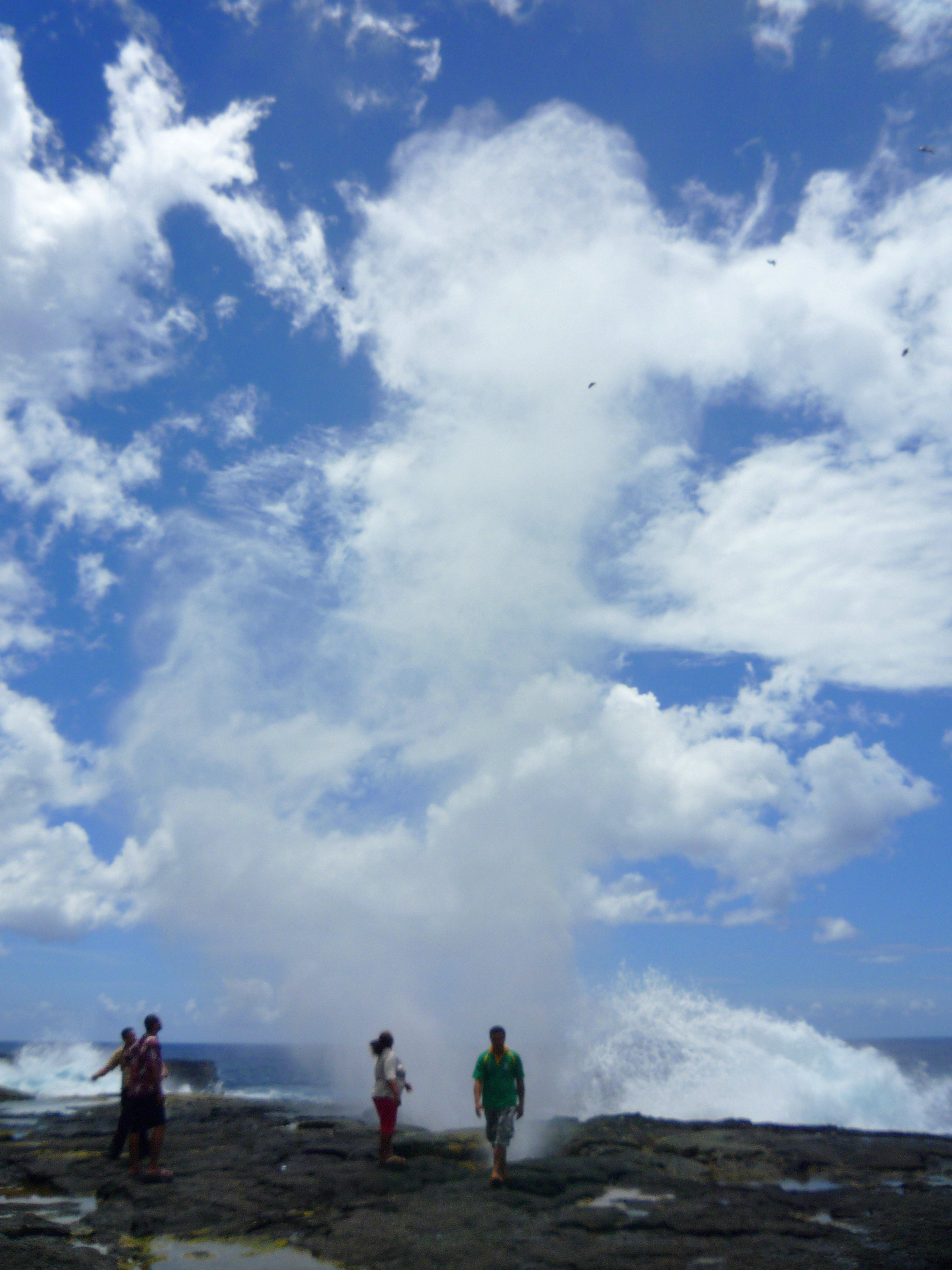
Palauli
Extensive pre-historic settlements with Pulemelei Mound
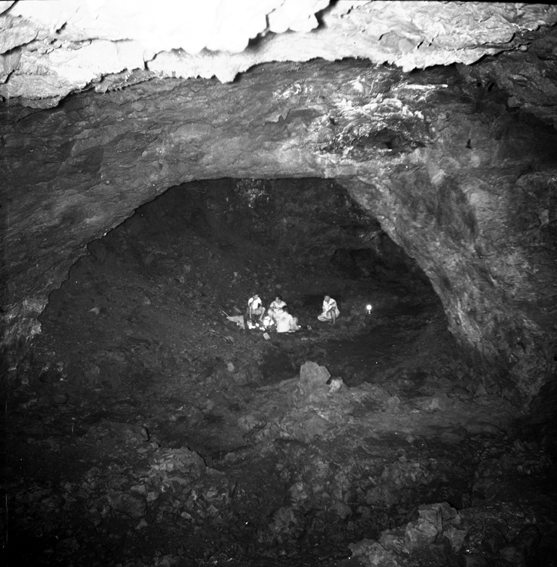
Falemauga Caves
Lava tunnels with prehistoric human occupation.
Siutu
Pre-historic midden site in Samoa
Pulemelei Mound
Largest ancient structure in Samoa, basalt pyramid
Vailele
Earth mounds and pottery sherds discovered