Time Periods
Paleolithic
Mesolithic
Neolithic
Chalcolithic
Bronze Age
Iron Age
Classical Period
Post-Classical Period
Early Modern Period
Industrial Period
Contemporary Period
Time Periods
Paleolithic
Mesolithic
Neolithic
Chalcolithic
Bronze Age
Iron Age
Classical Period
Post-Classical Period
Early Modern Period
Industrial Period
Contemporary Period
Location
About
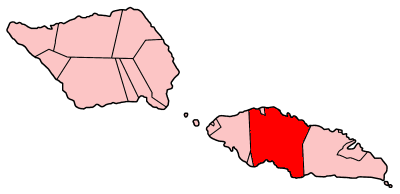
The archaeological exploration of Vailele, a village on the north coast of Upolu island in Samoa, uncovered significant earth mounds, including the Laupule mound, linked with local oral history. These mounds, identified as artificial, are associated with Tupuivao and the Tapuitea mound. This site also yielded plainware pottery sherds discovered by archaeologist Jack Golson in the mid-20th century. The village was notably impacted by colonial and post-colonial land transactions, with the German company Deutsche Handels und Plantagen Gesellschaft (DHPG) establishing a significant plantation in the 1800s. The findings at Vailele provide insights into the region's historical land use and cultural heritage during the Industrial Period, reflecting both indigenous Samoan traditions and the impacts of European colonial activities.
Gallery
Explore photographs of ancient structures, artifacts, and archaeological excavations at Vailele
Archaeological Features
Explore the unique architectural and cultural elements found at this historical site
Environmental and Natural Features
Historical Timeline
Journey through time and discover key events in this site's archaeological history
Plan Your Visit
Details
- Country
- Samoa
- Source
- Wikipedia
More Sites in Samoa
Sapapaliʻi
Explore this archaeological site.
Pulemelei Mound
Largest ancient structure in Samoa, basalt pyramid
Falefa Valley
Inland valley on Upolu Island, Samoa.
Siutu
Pre-historic midden site in Samoa
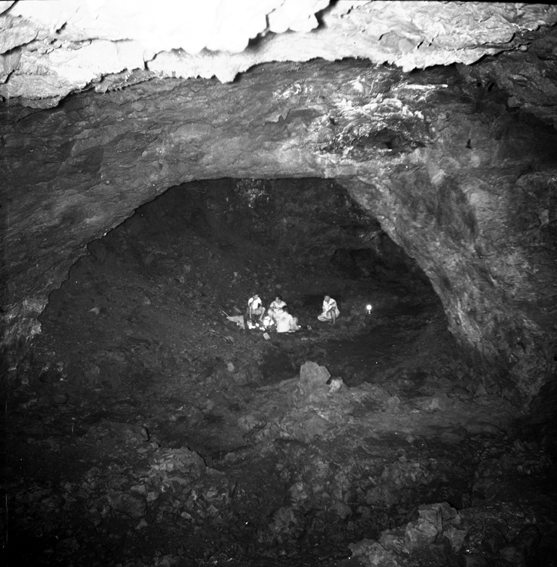
Falemauga Caves
Lava tunnels with prehistoric human occupation.
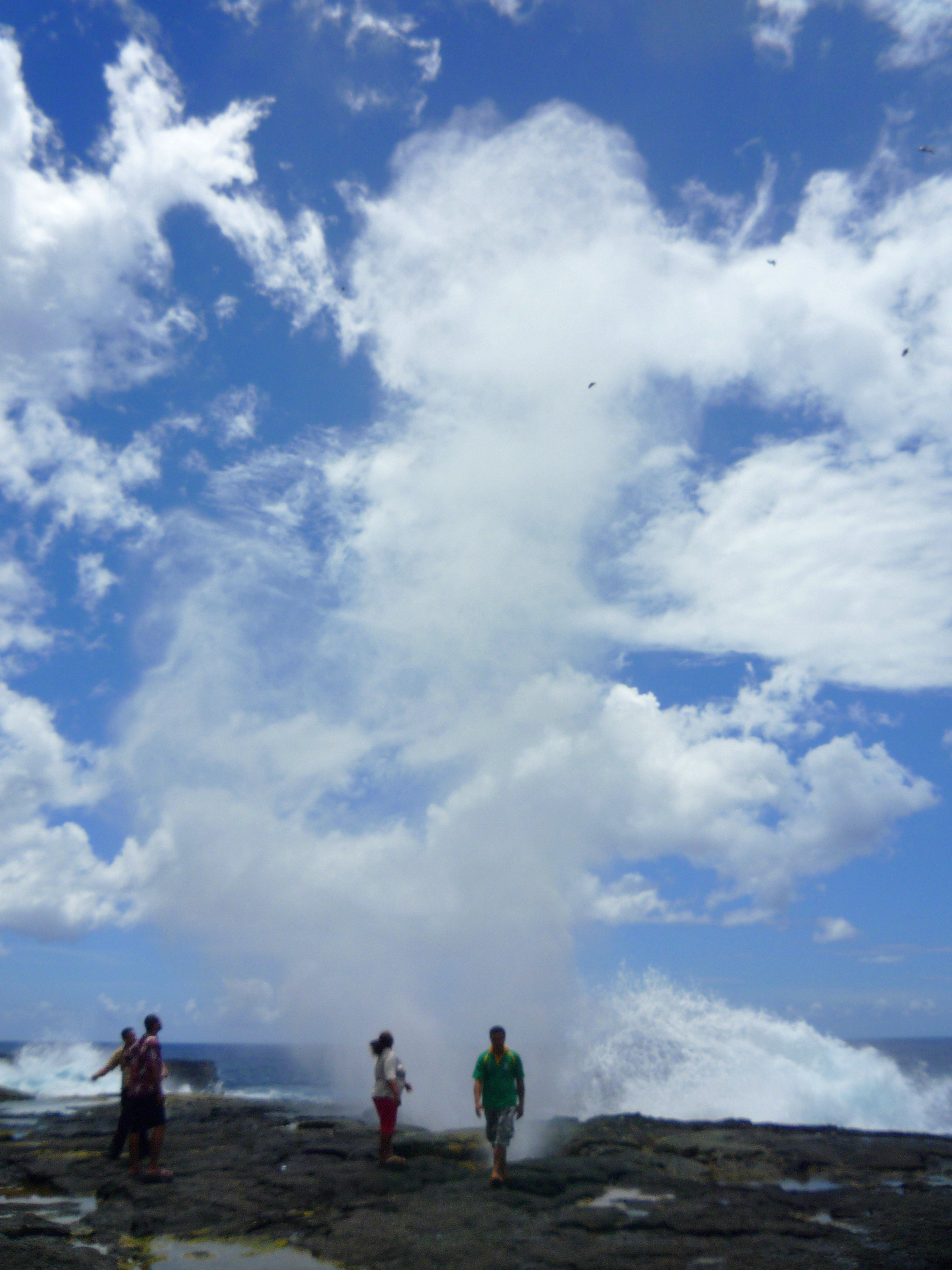
Palauli
Extensive pre-historic settlements with Pulemelei Mound