Explore the Map
Al-Okhdood
17.4773° N, 44.1793° E
About
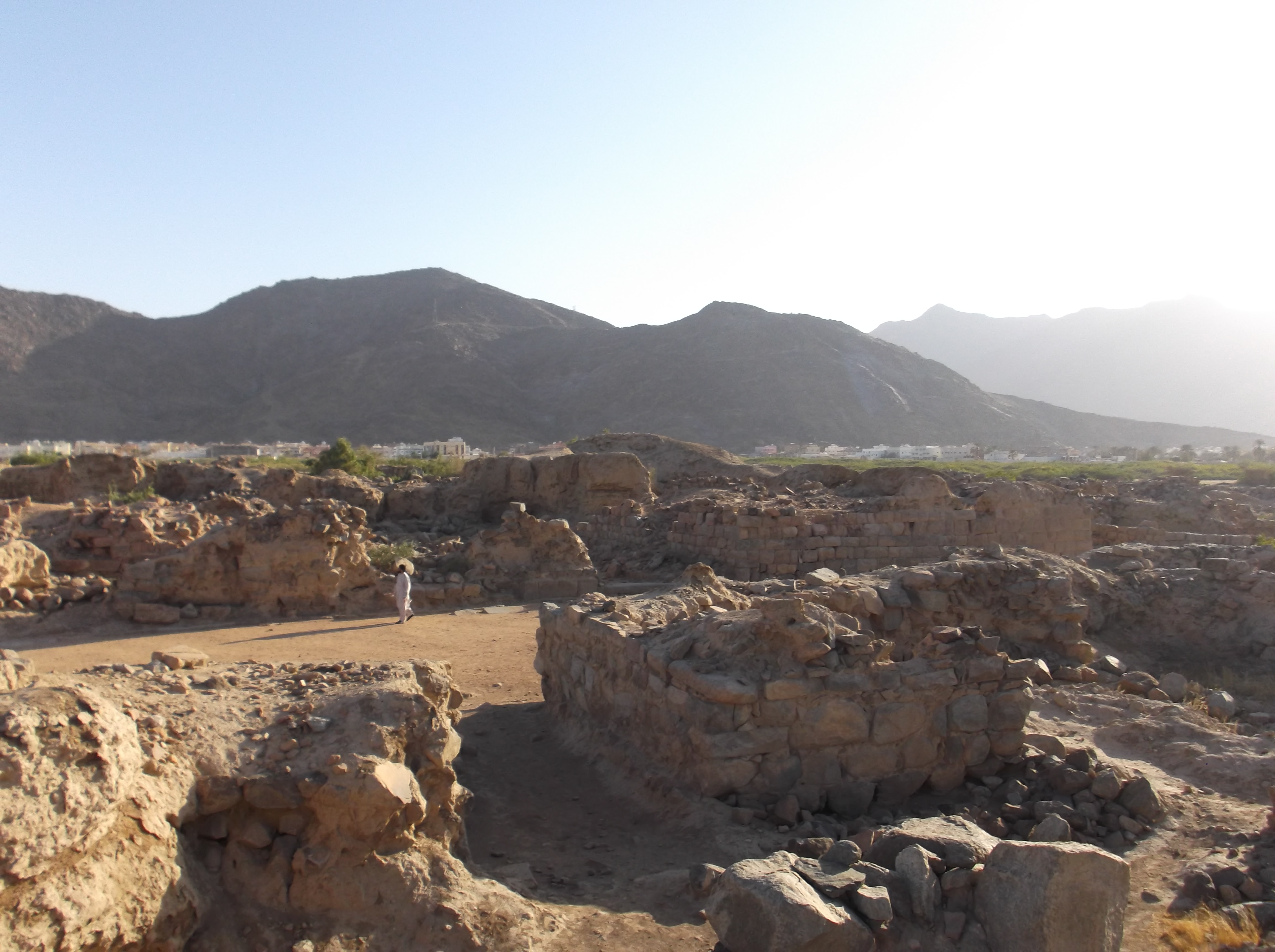
Al-Okhdood, located in Najran Province, Saudi Arabia, is an archaeological site that reveals the layers of its rich history. Dating back to at least 500 BCE, the town once thrived as a bustling trading hub. Archaeological evidence shows that significant structures, such as a fort dating to the 1st century BCE, and religious buildings like churches and mosques, were part of the town's landscape. Al-Okhdood is notably remembered for the tragic massacre of its Christian inhabitants in the 520s CE by the Himyarite king Dhu Nuwas, an event that left a deep imprint on its cultural and historical narrative. The site continued to evolve through the early Islamic period, evidenced by the construction of a mosque. Today, the ruins offer invaluable insights into the town's dynamic past, from its commercial significance to its religious transformations.
Gallery
Explore photographs of ancient structures, artifacts, and archaeological excavations
Historical Timeline
Journey through time and discover key events in this site's history
Ancient town established
500 BCE
Fort built
1st century BCE
Christian community established
5th century CE
Christian massacre
520s CE
Christianity restored
after 530 CE
Mosque built
7th century CE
Archaeological Features
Unique architectural and cultural elements found at this historical site
Defensive Structures
Burial and Funerary Structures
Religious and Ritual Structures
Domestic and Habitation Structures
Plan Your Visit
Tours, travel arrangements, and practical information
More Sites in Saudi Arabia
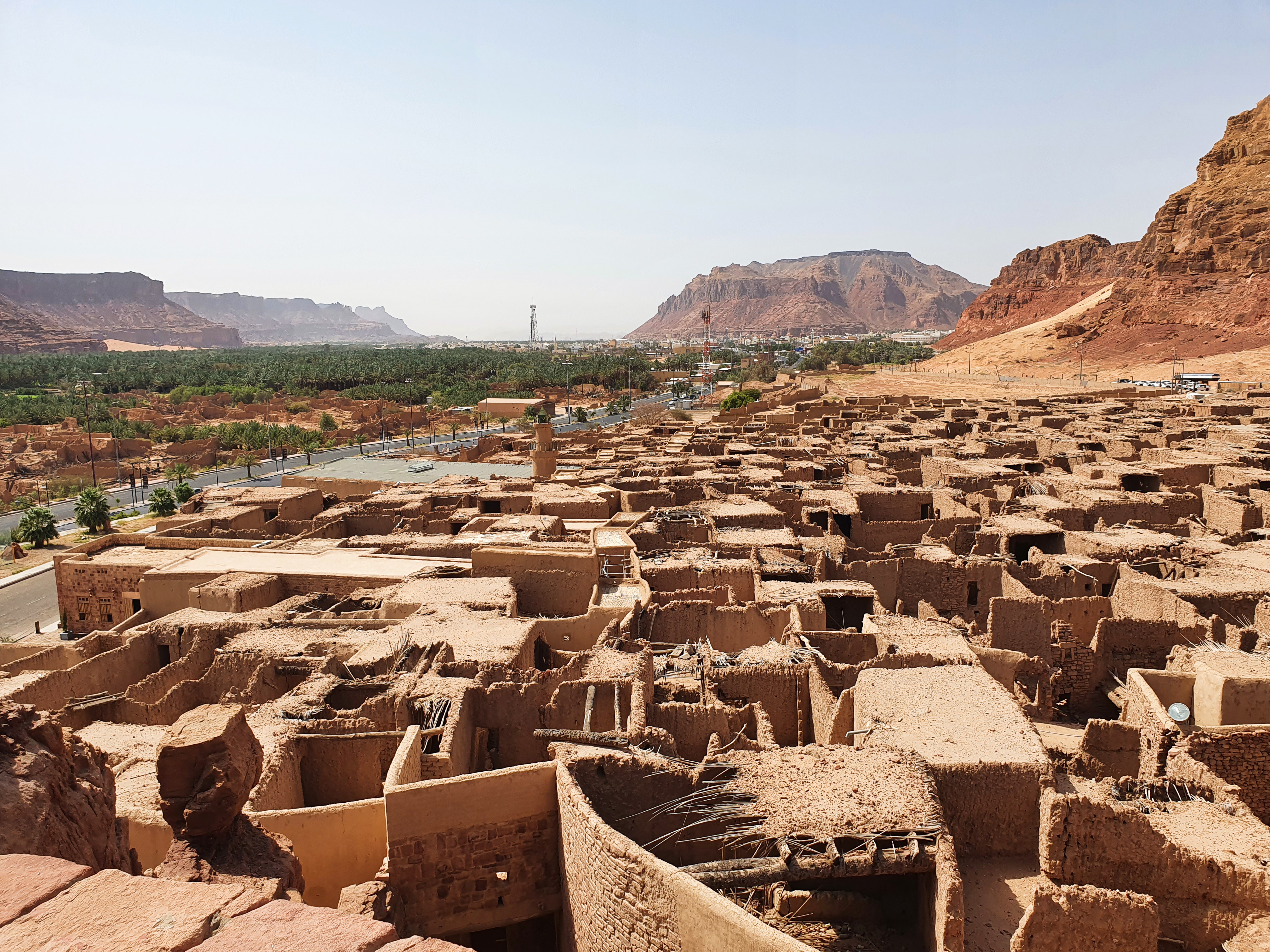
Al-‘Ula
Ancient Arabian oasis with rock dwellings.
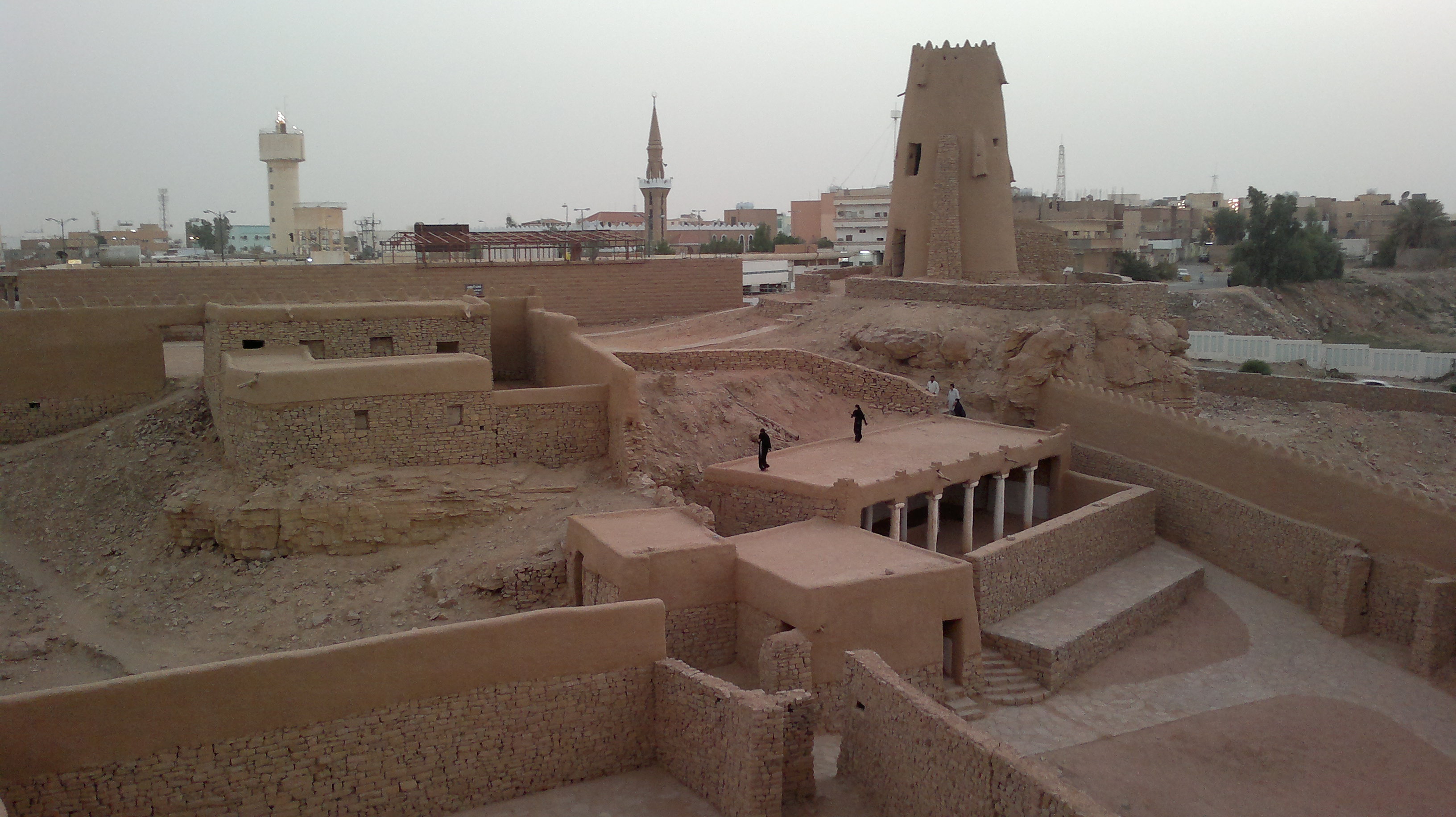
Dumat al-Jandal
Ancient city with oasis and trade routes.
Tayma
Oasis settlement with historical inscriptions
Thāj
Hellenistic townsite in Eastern Province, Saudi Arabia
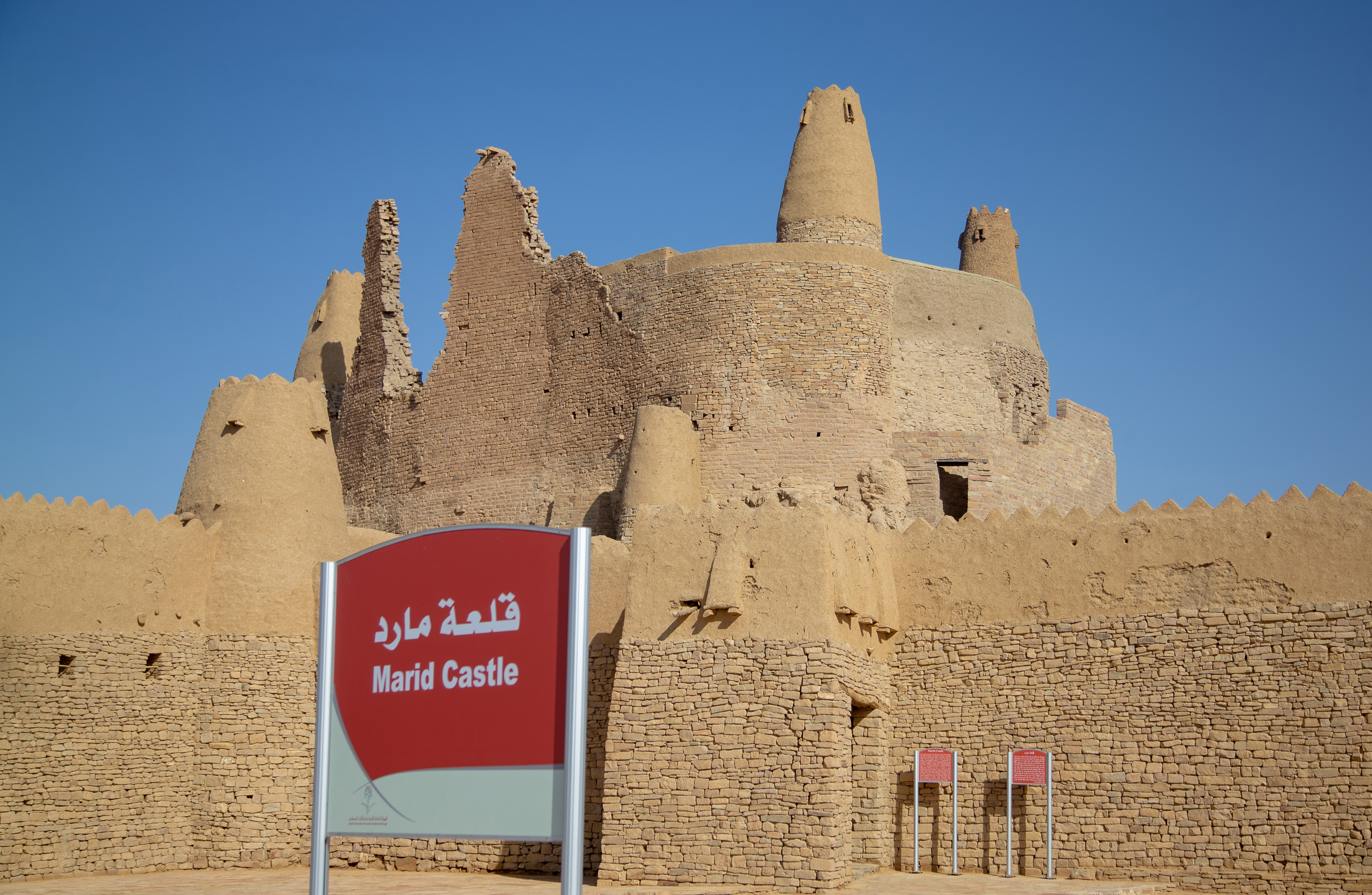
Marid Castle
Historic fortress with Nabataean origins.
Bir Hima Rock Petroglyphs and Inscriptions
Ancient petroglyph site with inscriptions.