
Explore the Map
Al-‘Ula
26.4851° N, 37.5651° E
About
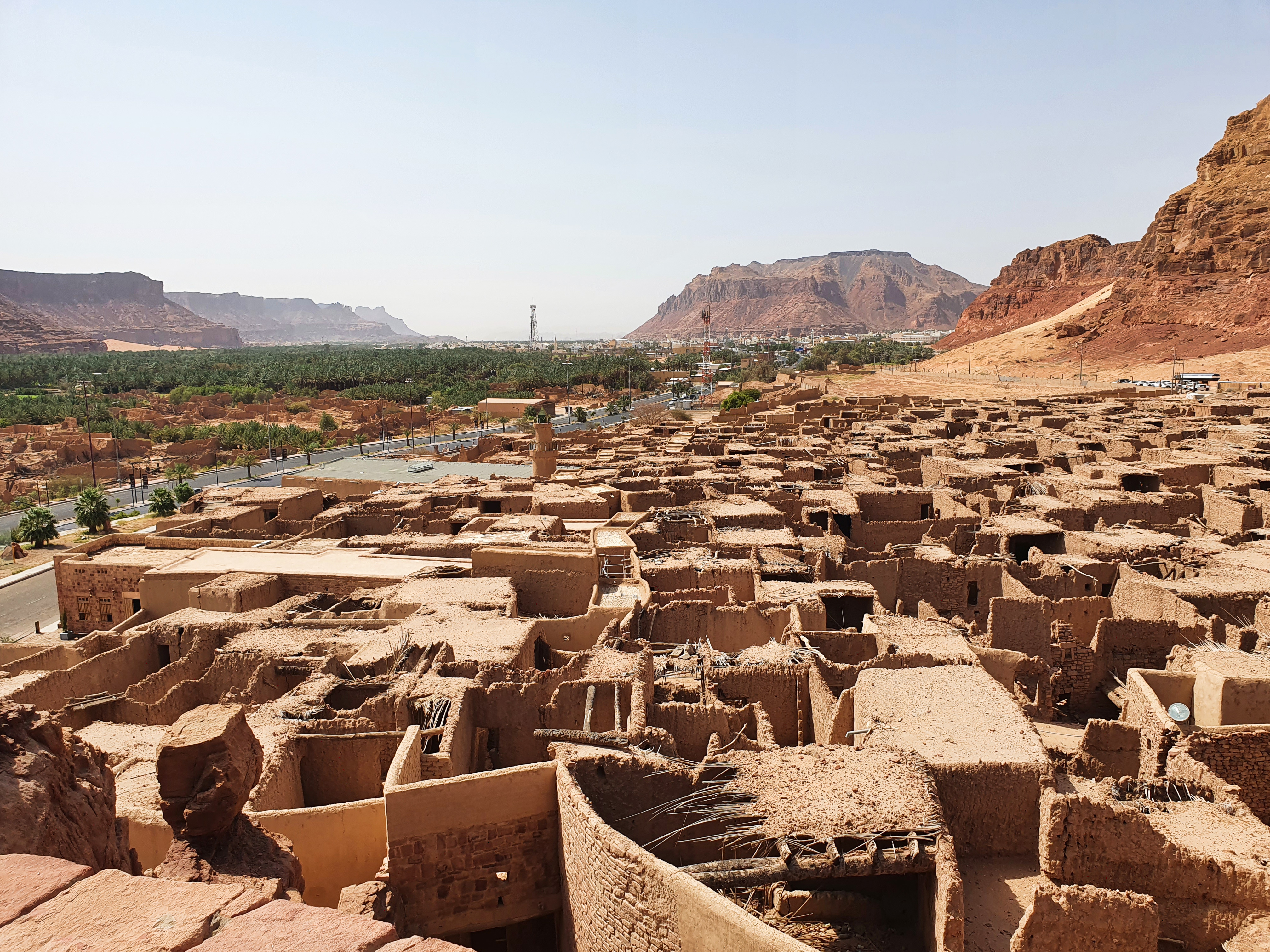
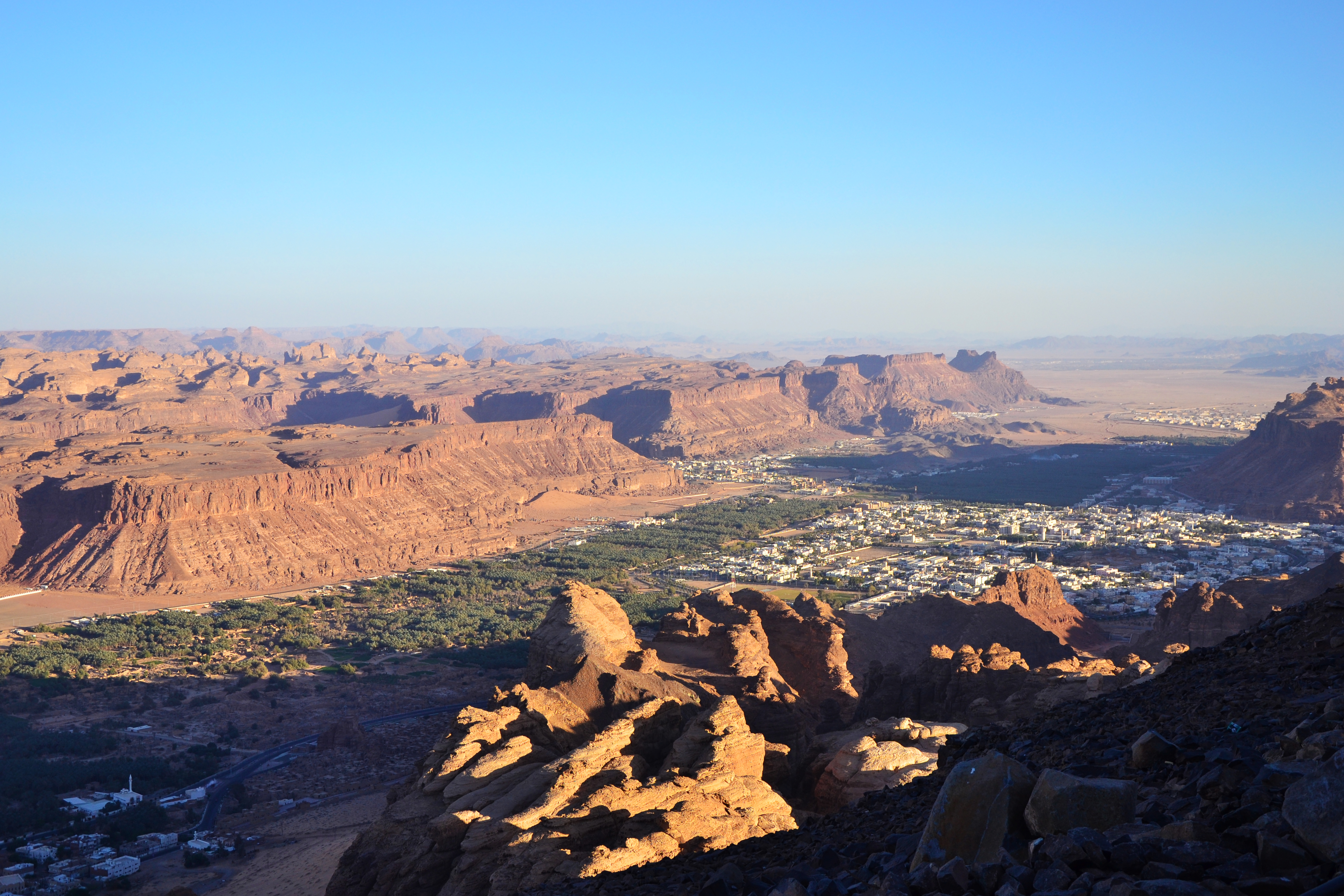
Al-‘Ula is an ancient oasis city in Saudi Arabia's Medina Province, known for its archaeological significance and strategic location on the historic incense route. The area boasts a rich history, with remains from the Dedanite, Lihyanite, and Nabatean periods. Notably, it includes well-preserved stone inscriptions, rock dwellings, and tombs. The city was a significant hub for trade and cultural exchange, especially during the Greco-Roman era. The nearby UNESCO World Heritage Site of Hegra, built by the Nabataeans over 2,000 years ago, highlights the city's historical importance. The old city of al-‘Ulā, known as al-Dīrah, features a dense cluster of mud-brick and stone houses, reflecting traditional Arabian architecture. The region's petroglyphs and inscriptions further illustrate the cultural and linguistic development over millennia.
Gallery
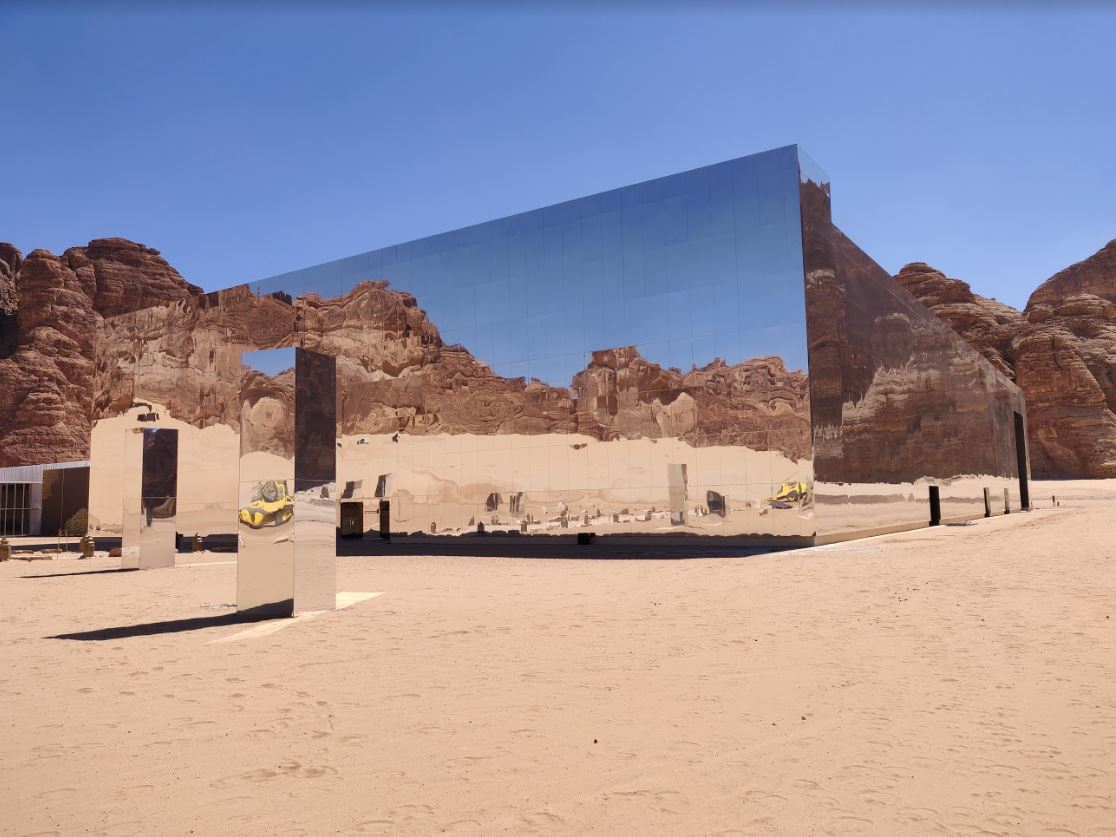
Explore photographs of ancient structures, artifacts, and archaeological excavations
Historical Timeline
Journey through time and discover key events in this site's history
Permanent settlement begins
5000 BCE
Lihyanite Kingdom
5th-2nd century BCE
Dedanite Kingdom
7th-6th century BCE
Roman annexation
106 CE
Nabateans construct Hegra
106 CE
Old City of Al-Ula built
13th century CE
Archaeological Features
Unique architectural and cultural elements found at this historical site
Defensive Structures
Burial and Funerary Structures
Religious and Ritual Structures
Artistic and Decorative Features
Agricultural and Land Use Features
Domestic and Habitation Structures
Transportation and Communication Structures
Plan Your Visit
Tours, travel arrangements, and practical information
More Sites in Saudi Arabia
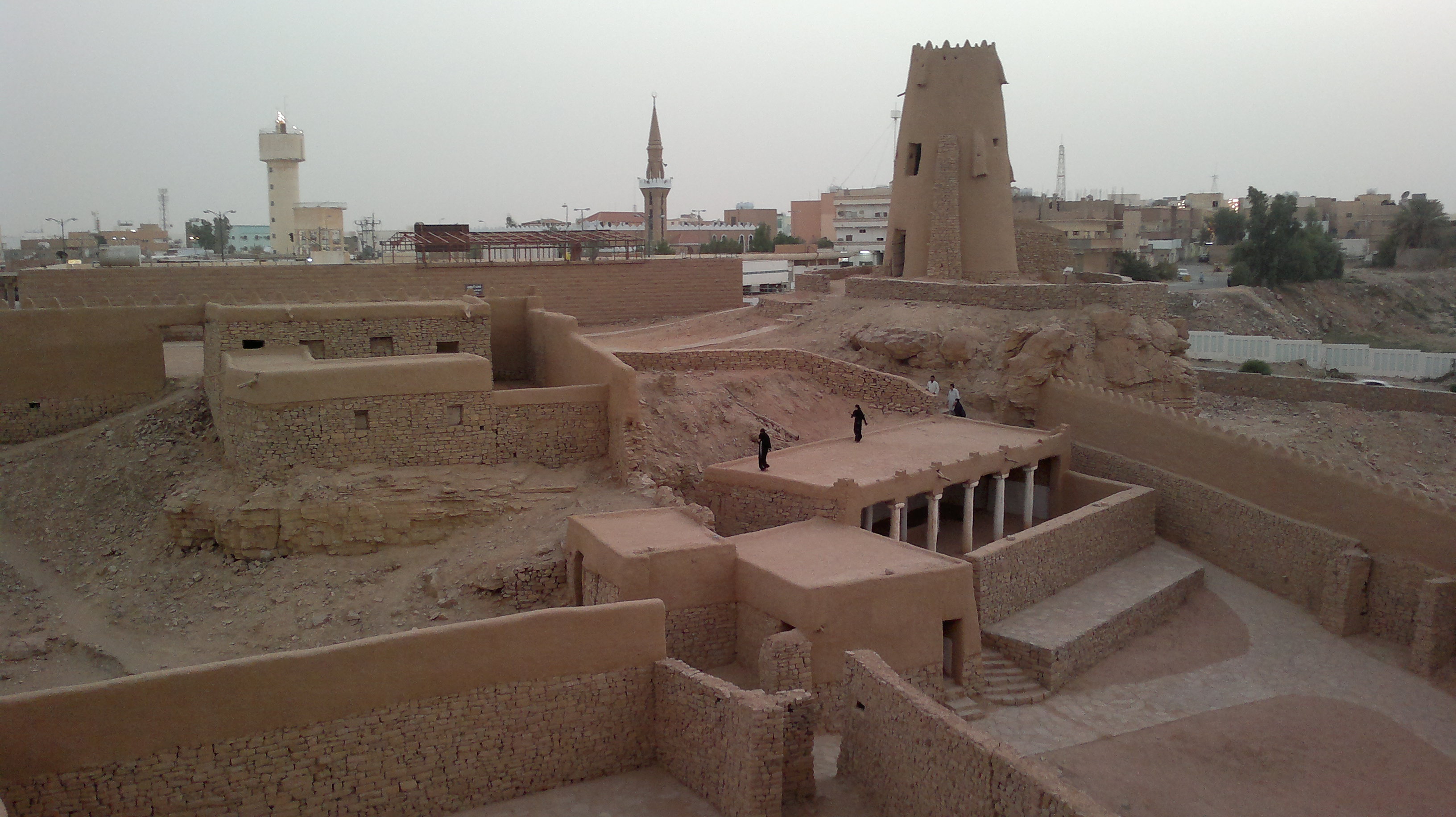
Dumat al-Jandal
Ancient city with oasis and trade routes.
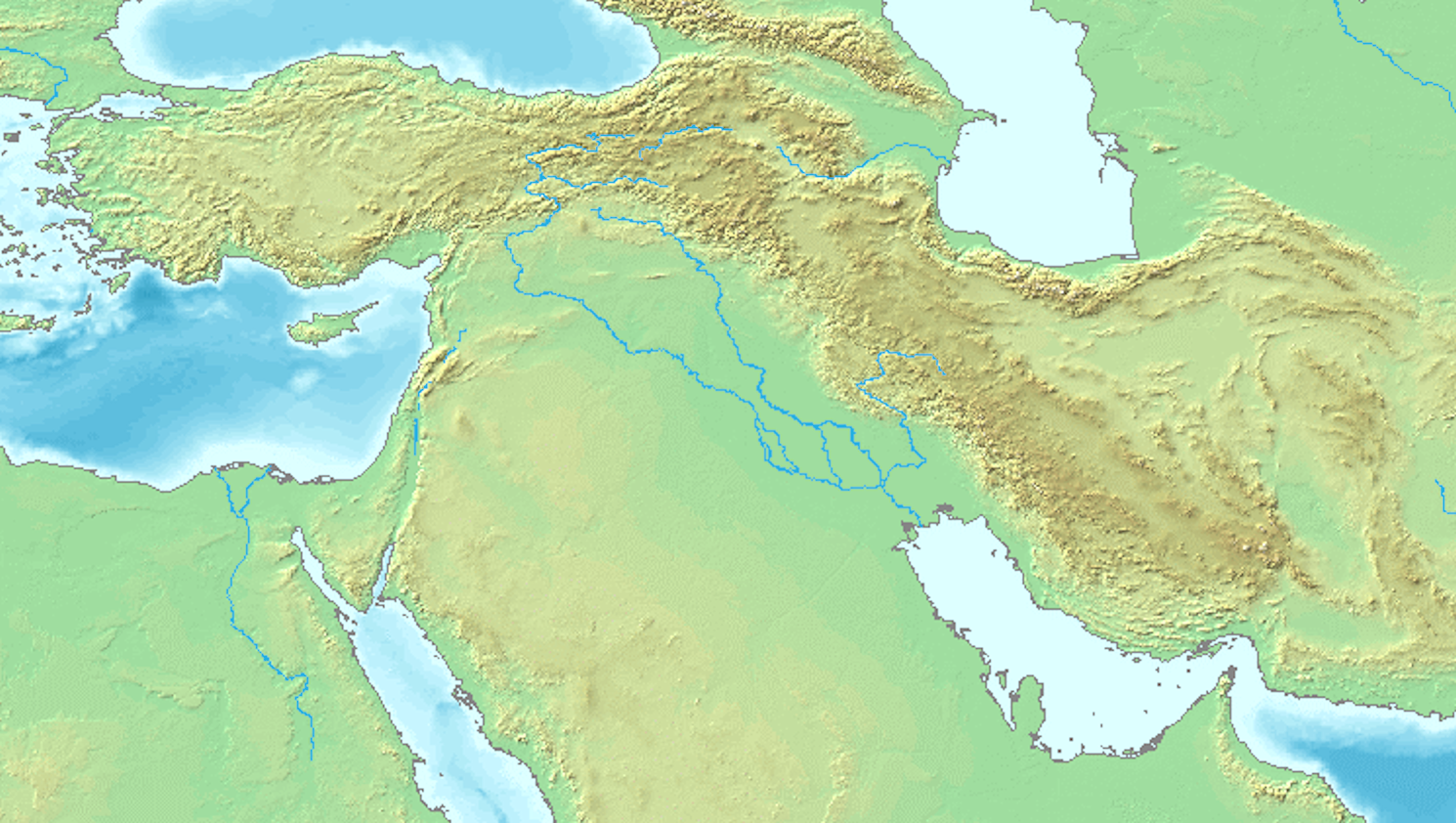
Tayma
Oasis settlement with historical inscriptions
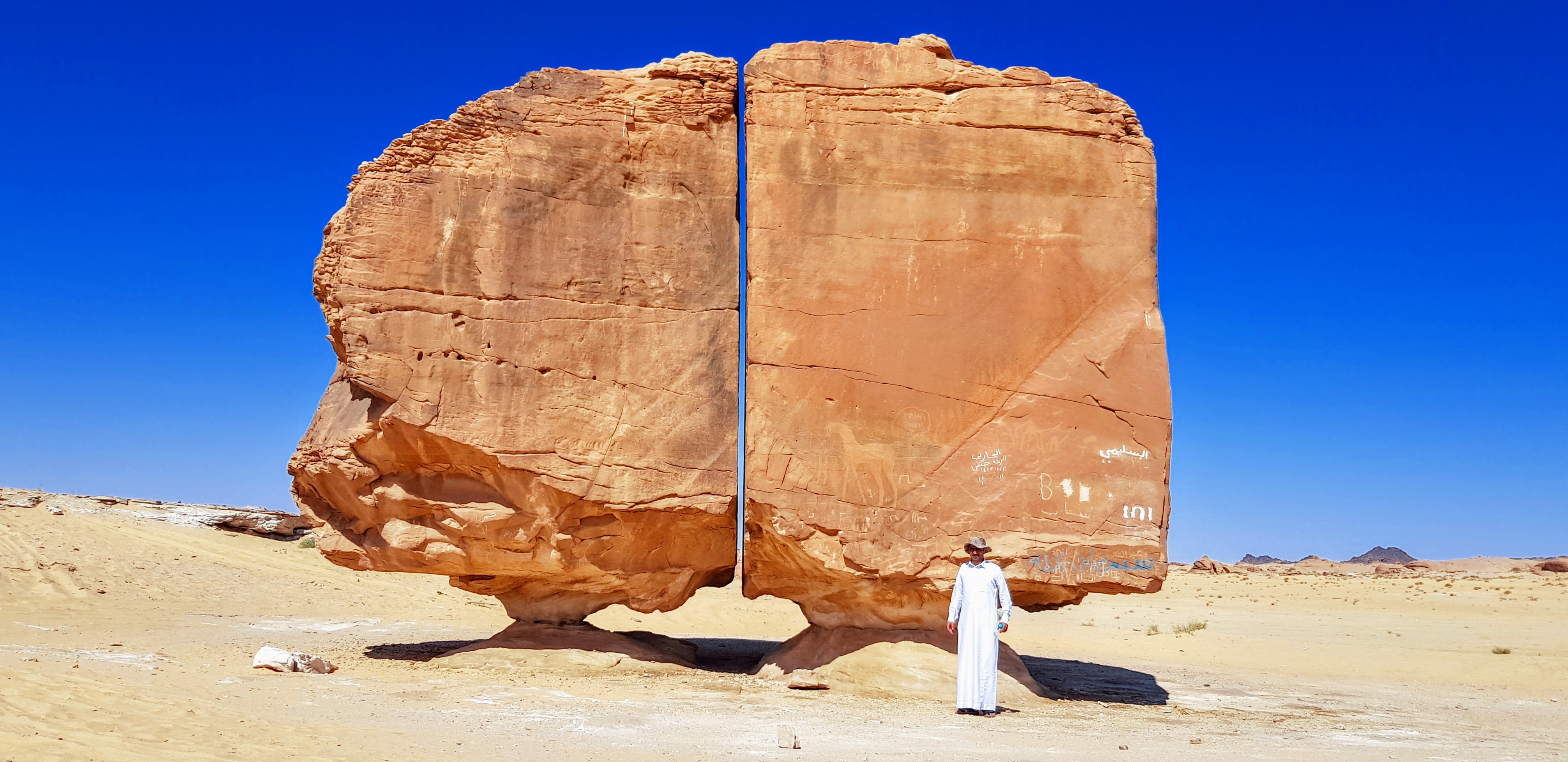
Al Naslaa
Large sandstone rock with petroglyphs
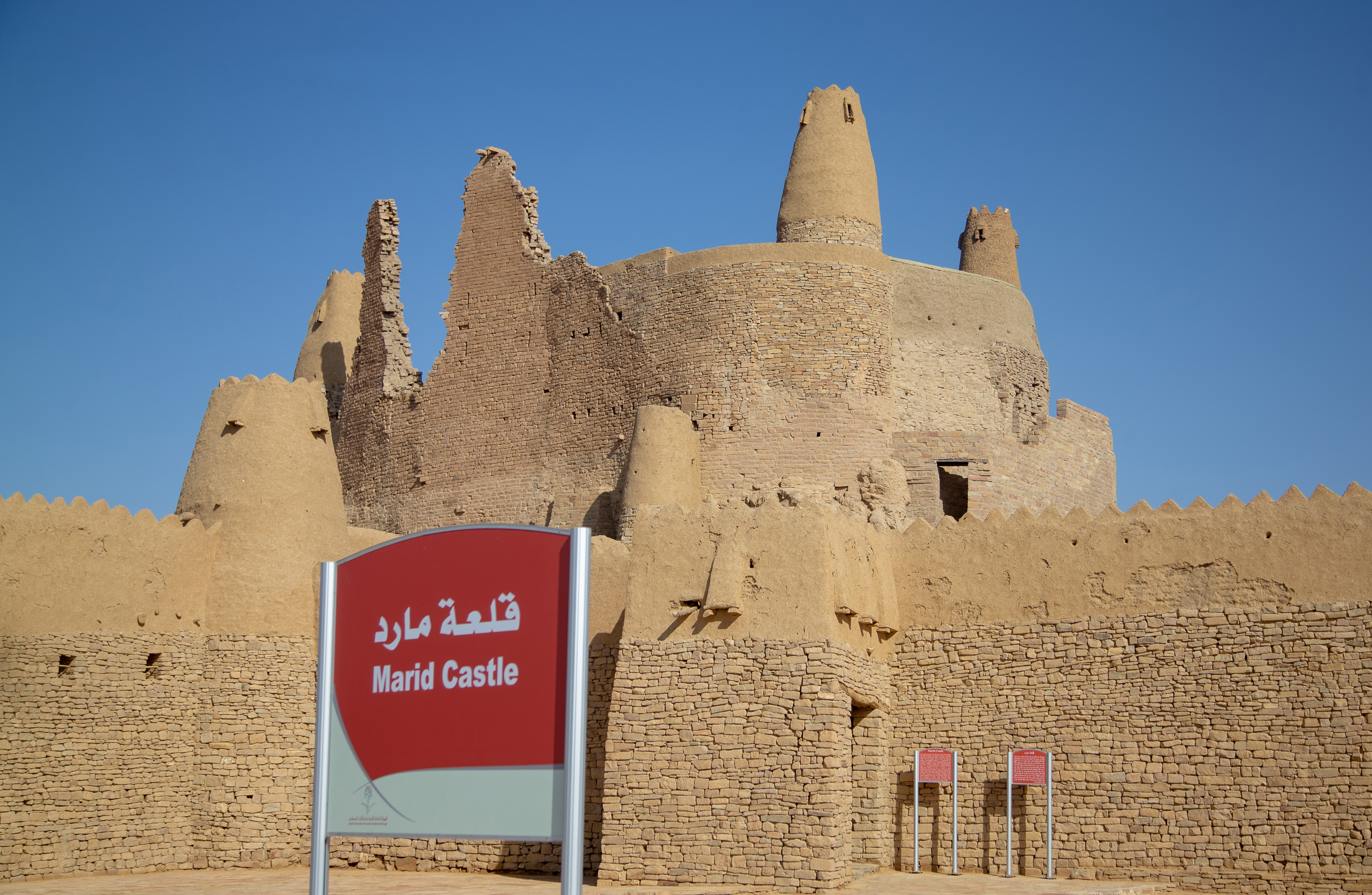
Marid Castle
Historic fortress with Nabataean origins.
Bir Hima Rock Petroglyphs and Inscriptions
Ancient petroglyph site with inscriptions.
Thāj
Hellenistic townsite in Eastern Province, Saudi Arabia