
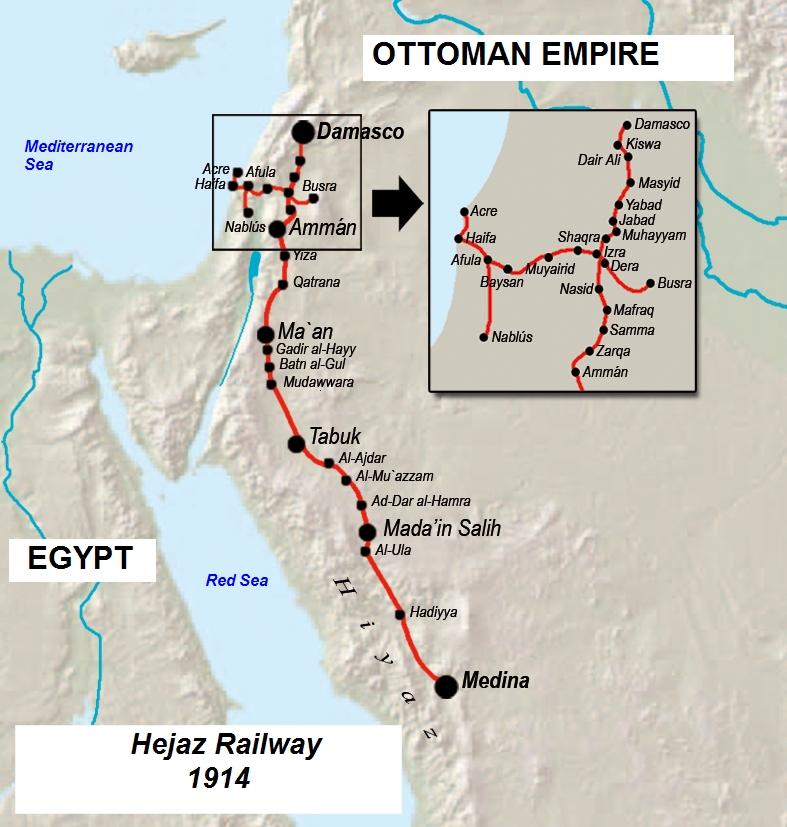
Explore the Map
Hegra (Mada'in Salih)
26.7917° N, 37.9528° E
About
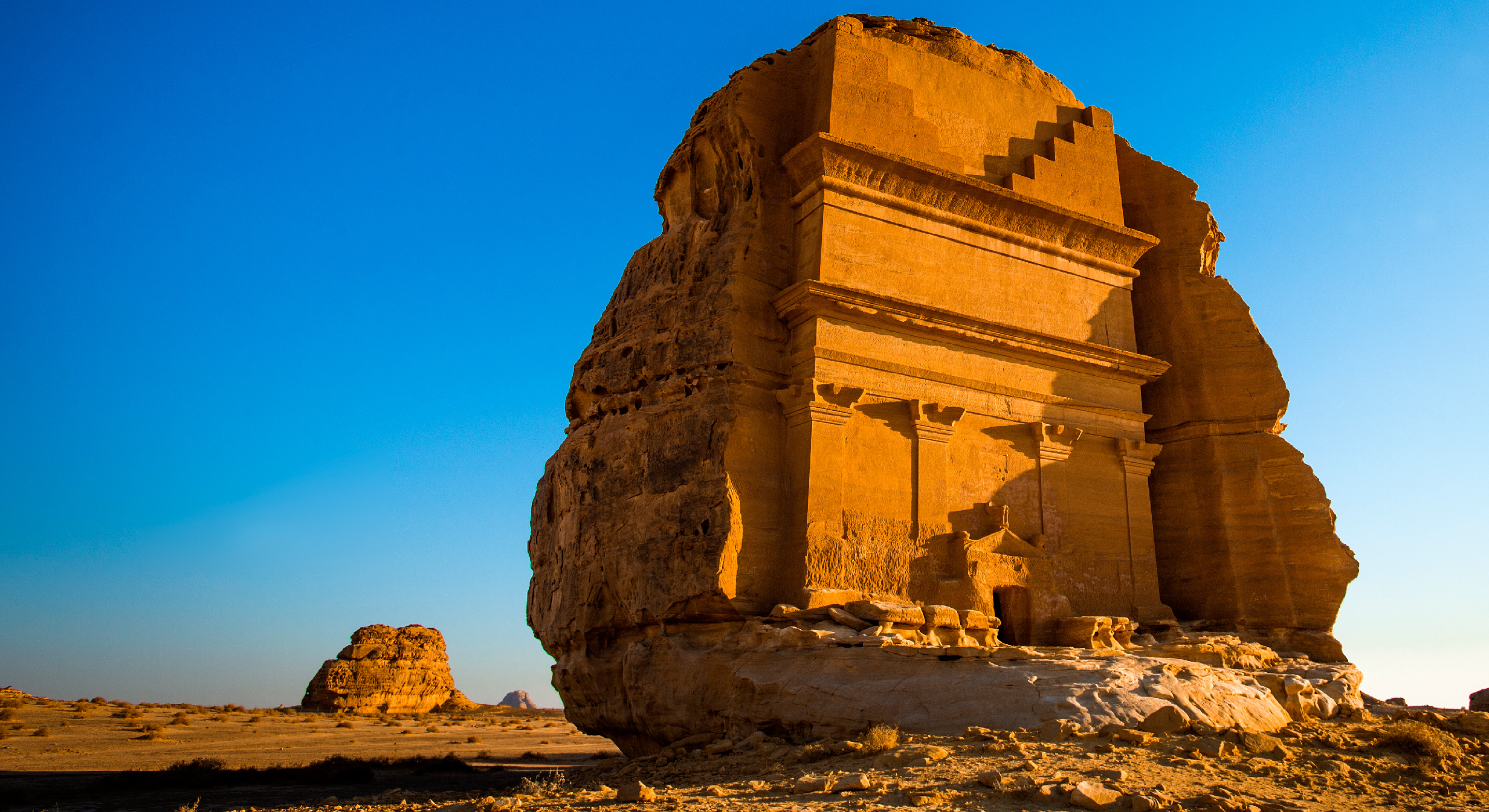
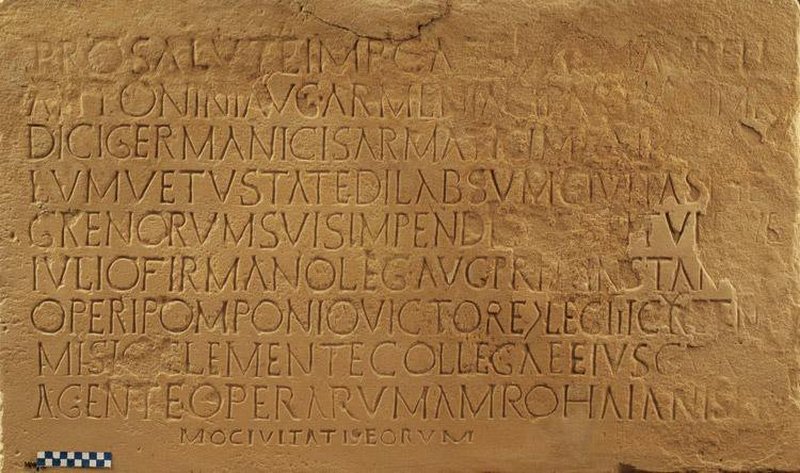
Hegra, also known as Mada'in Salih, is a significant archaeological site located in Saudi Arabia's Al-'Ula region. Predominantly featuring rock-cut tombs from the Nabataean Kingdom, it was the second largest city after Petra. The site's remarkable preservation is attributed to its arid climate and historical neglect, allowing an extensive view into Nabataean life. The settlement includes monumental tombs with intricate façades, a fortified Ottoman structure, and ancient water management systems such as wells and cisterns. Serving as a crucial trade hub on the overland caravan route, it flourished under Nabataean rule before becoming part of the Roman Empire. Recognized as Saudi Arabia's first UNESCO World Heritage Site, Hegra provides invaluable insights into the intersection of multiple ancient cultures and their architectural prowess.
Gallery
Explore photographs of ancient structures, artifacts, and archaeological excavations
Historical Timeline
Journey through time and discover key events in this site's history
Lihyan/Dedanite era
3rd century BCE
Nabatean era
1st century CE
Site decline
Late 2nd century CE
Roman annexation
106 CE
Ottoman era
18th century CE
Archaeological Features
Unique architectural and cultural elements found at this historical site
Defensive Structures
Water Management Features
Burial and Funerary Structures
Religious and Ritual Structures
Artistic and Decorative Features
Agricultural and Land Use Features
Domestic and Habitation Structures
Transportation and Communication Structures
Plan Your Visit
Tours, travel arrangements, and practical information
More Sites in Saudi Arabia
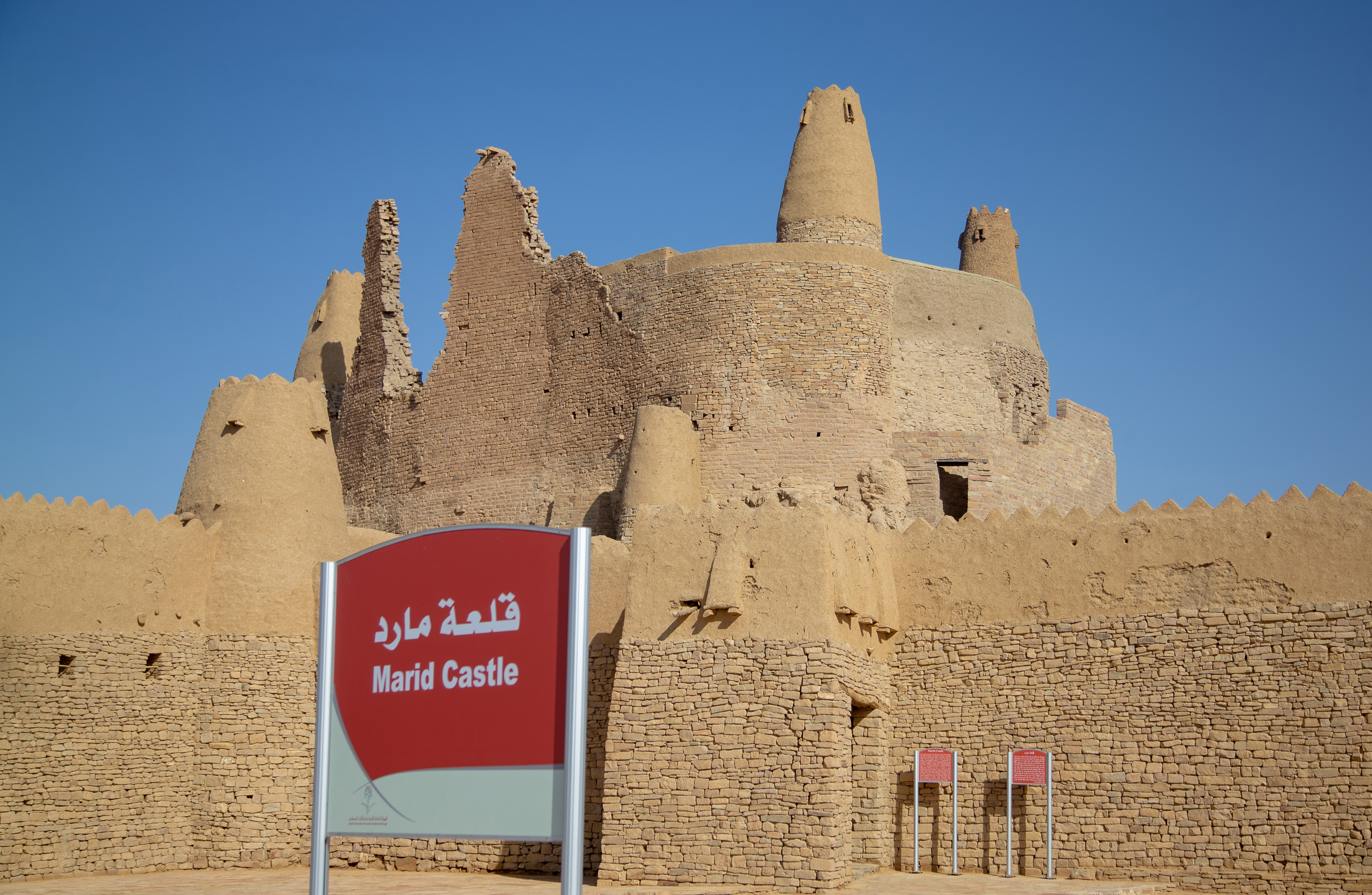
Marid Castle
Historic fortress with Nabataean origins.
Tayma
Oasis settlement with historical inscriptions
Thāj
Hellenistic townsite in Eastern Province, Saudi Arabia
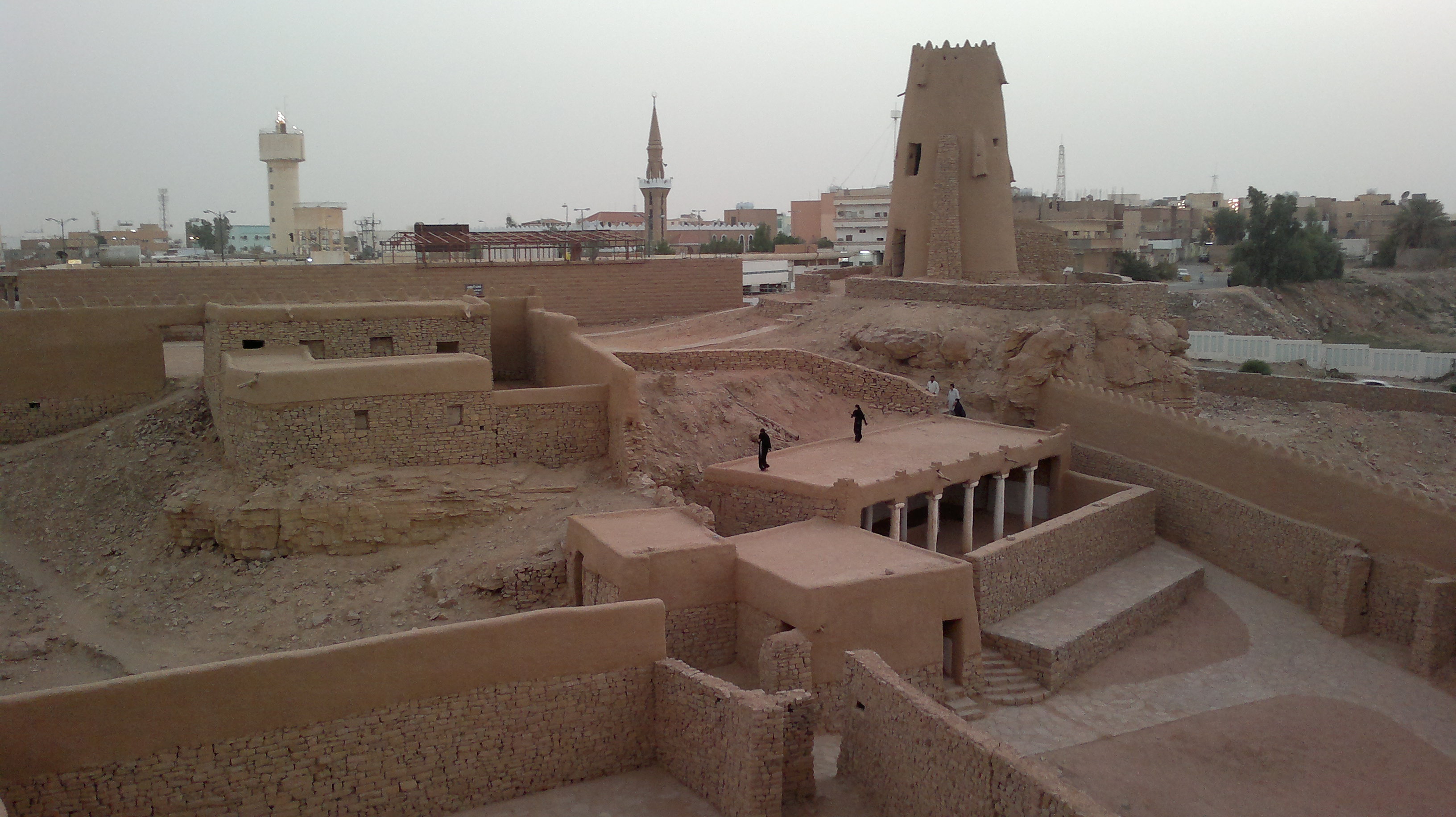
Dumat al-Jandal
Ancient city with oasis and trade routes.

Abu Loza's Bath
Ancient sulfur bathhouse with dome structure.
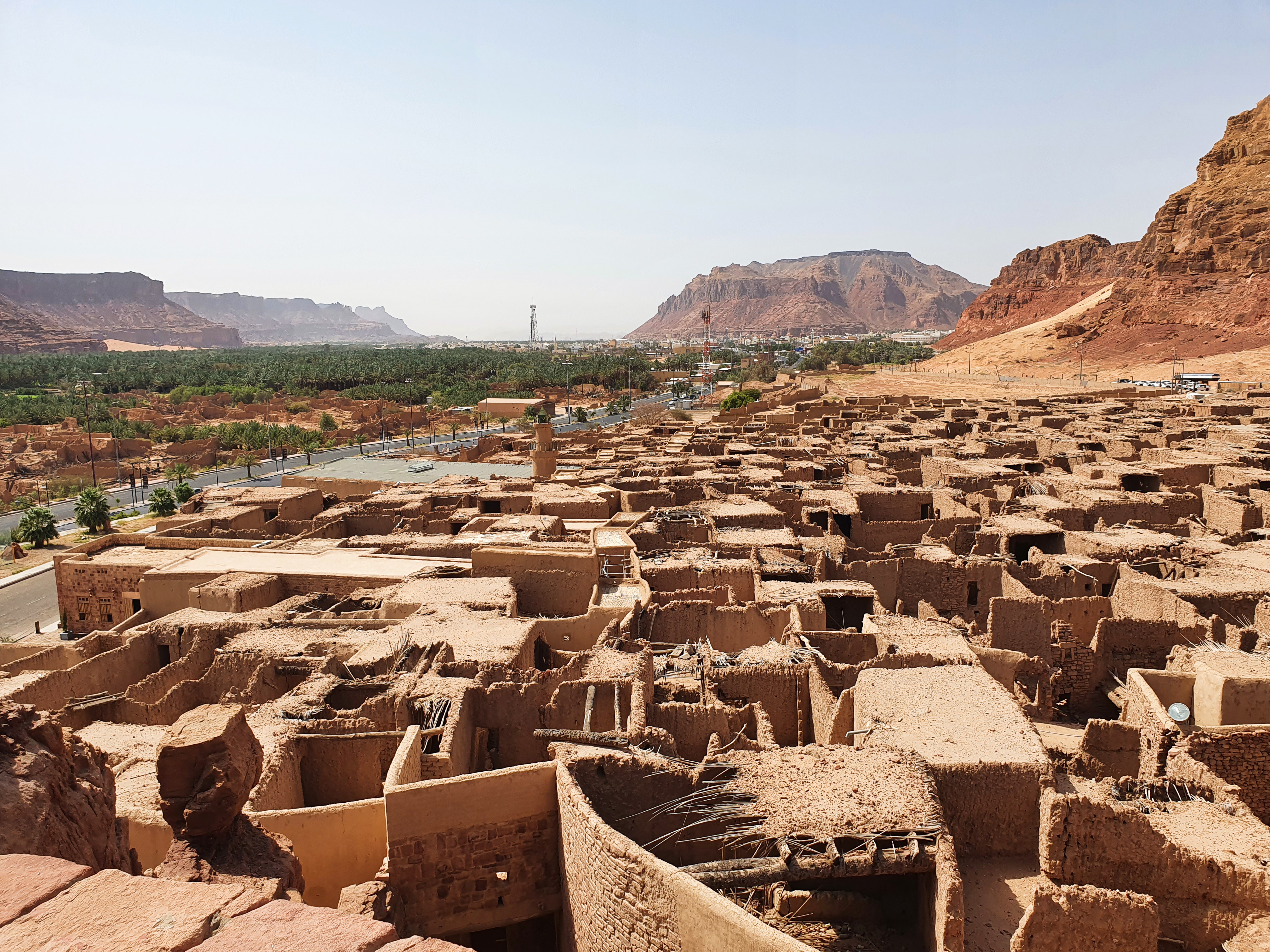
Al-‘Ula
Ancient Arabian oasis with rock dwellings.