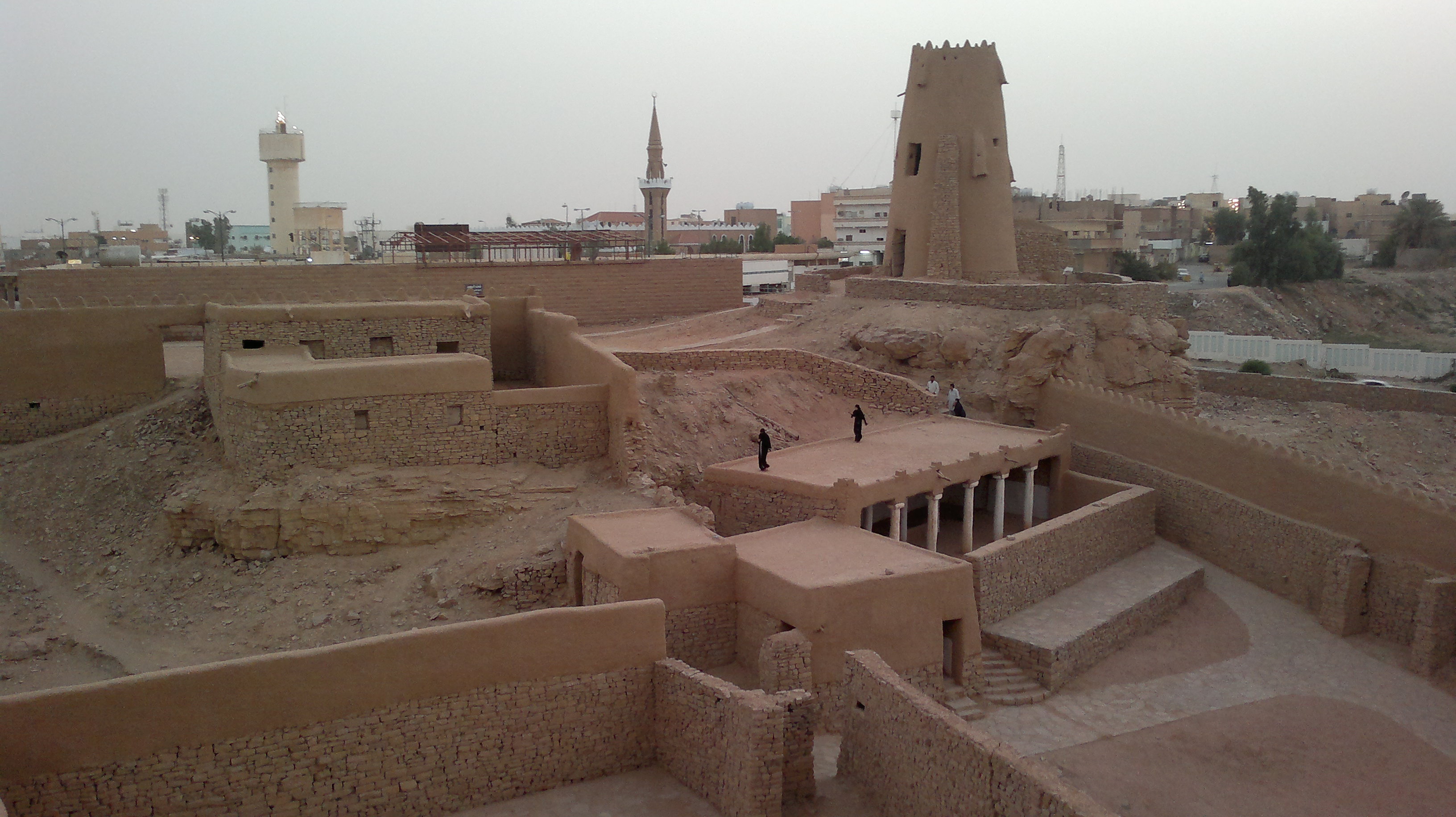
Explore the Map
Dumat al-Jandal
29.8114° N, 39.8683° E
About
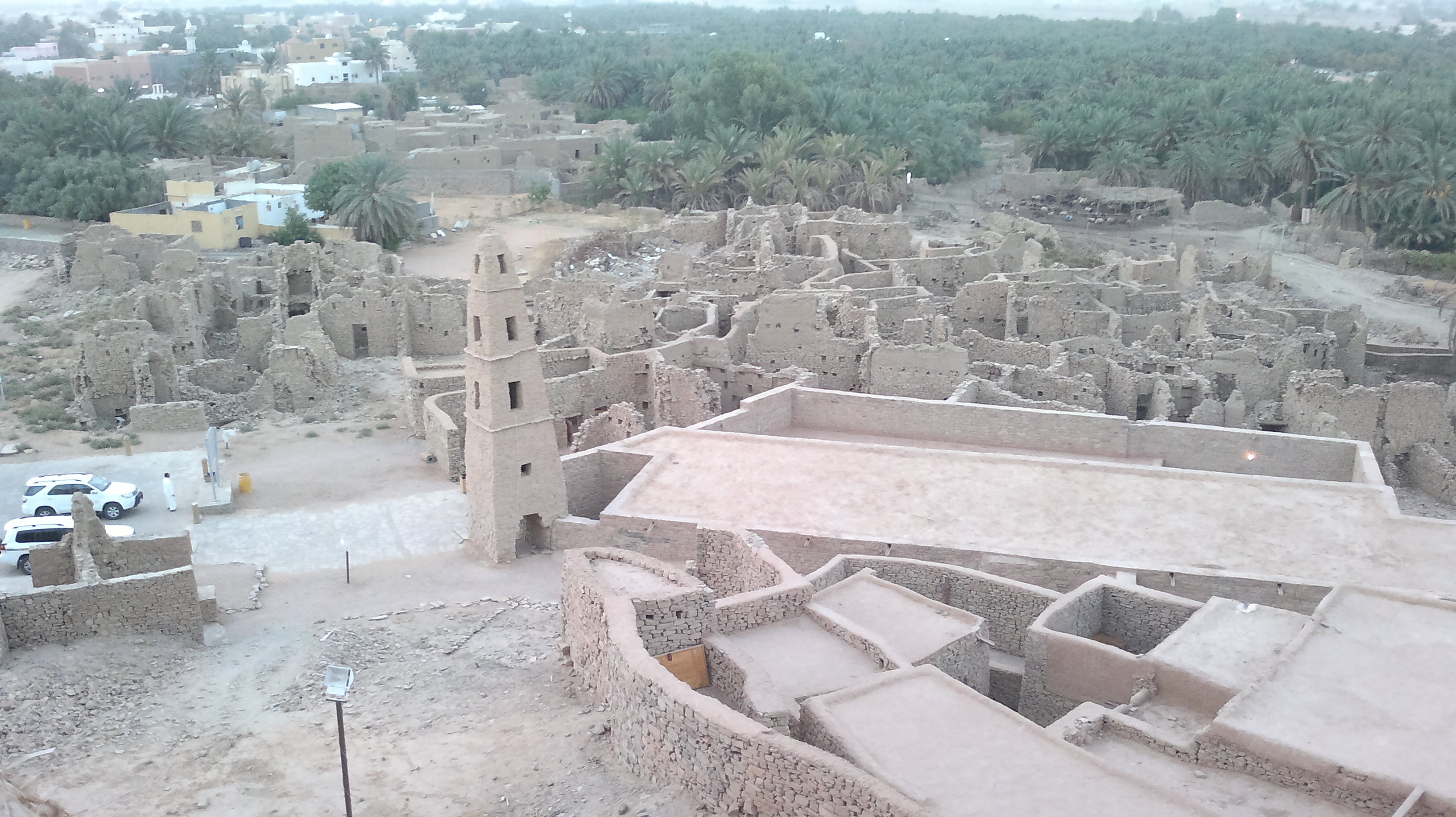
Dumat al-Jandal, also known as Al-Jawf, is a historically significant archaeological site located in northwestern Saudi Arabia. This ancient city, nestled within an oasis, served as a crucial intersection along the incense trade route, linking southern Arabia with Babylon and Syria. The site boasts a rich history, dating back to the 10th century BCE, and is mentioned in Neo-Assyrian inscriptions as Adummatu, the capital of the Qedarite kingdom. It played host to a temple dedicated to Ishtar and a fortress that withstood Zenobia's attack in the 3rd century CE. During the Islamic era, Dumat al-Jandal became a strategic location, with several military expeditions ordered by Muhammad. Notable landmarks include the Marid Castle and the Umar Mosque. Recent discoveries, such as a 6th-century CE Paleo-Arabic Christian graffito, further highlight the site's multifaceted historical significance.
Gallery
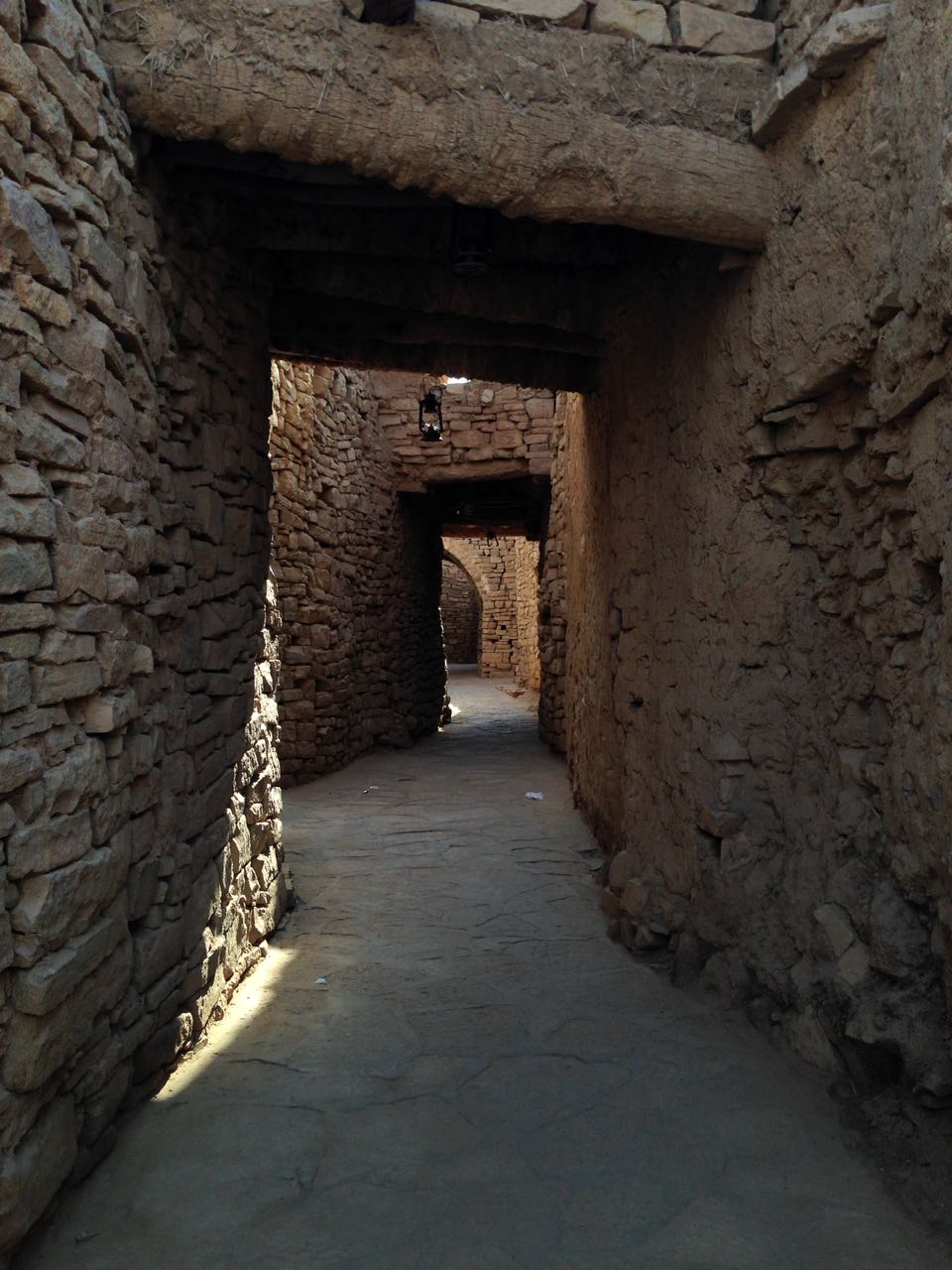
Explore photographs of ancient structures, artifacts, and archaeological excavations
Historical Timeline
Journey through time and discover key events in this site's history
10th century BC
10th century BCE
845 BCE
845 BCE
7th century BC
7th century BCE
AD 106
106 CE
AD 269
269 CE
AD 548/549
548/549 CE
July 626
626 CE
October 630
630 CE
April 631
631 CE
Archaeological Features
Unique architectural and cultural elements found at this historical site
Defensive Structures
Religious and Ritual Structures
Artistic and Decorative Features
Domestic and Habitation Structures
Plan Your Visit
Tours, travel arrangements, and practical information
More Sites in Saudi Arabia
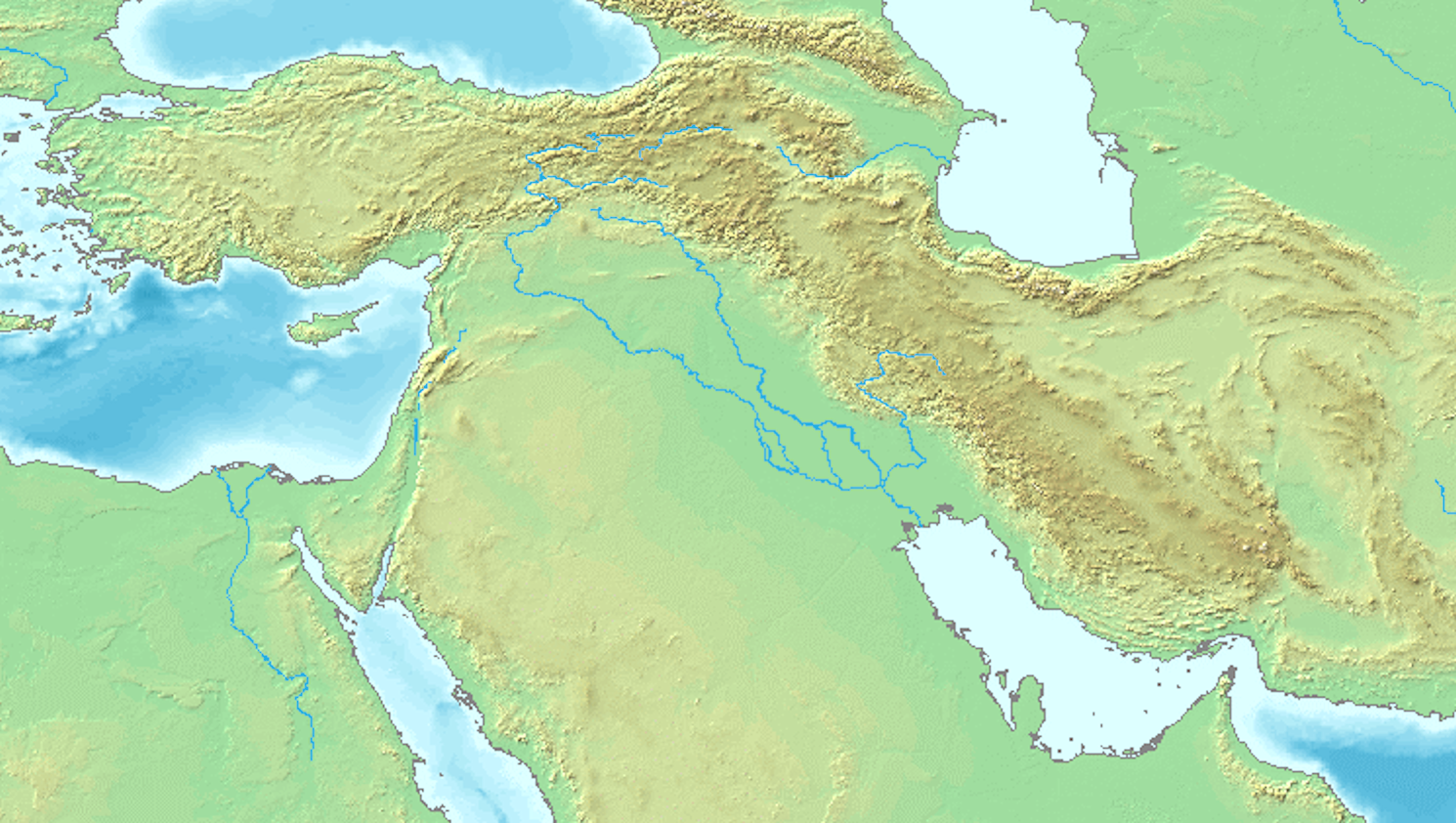
Tayma
Oasis settlement with historical inscriptions
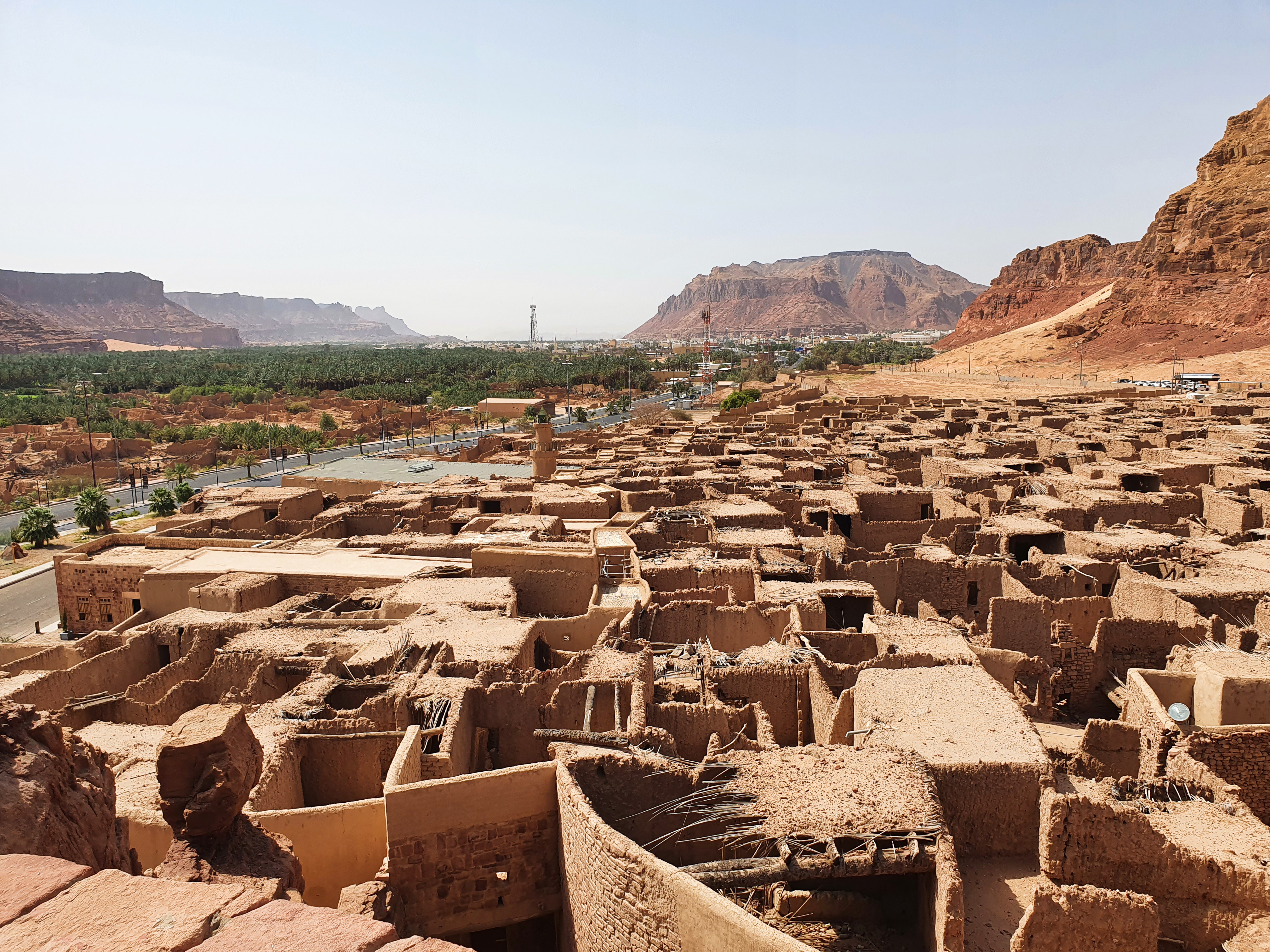
Al-‘Ula
Ancient Arabian oasis with rock dwellings.
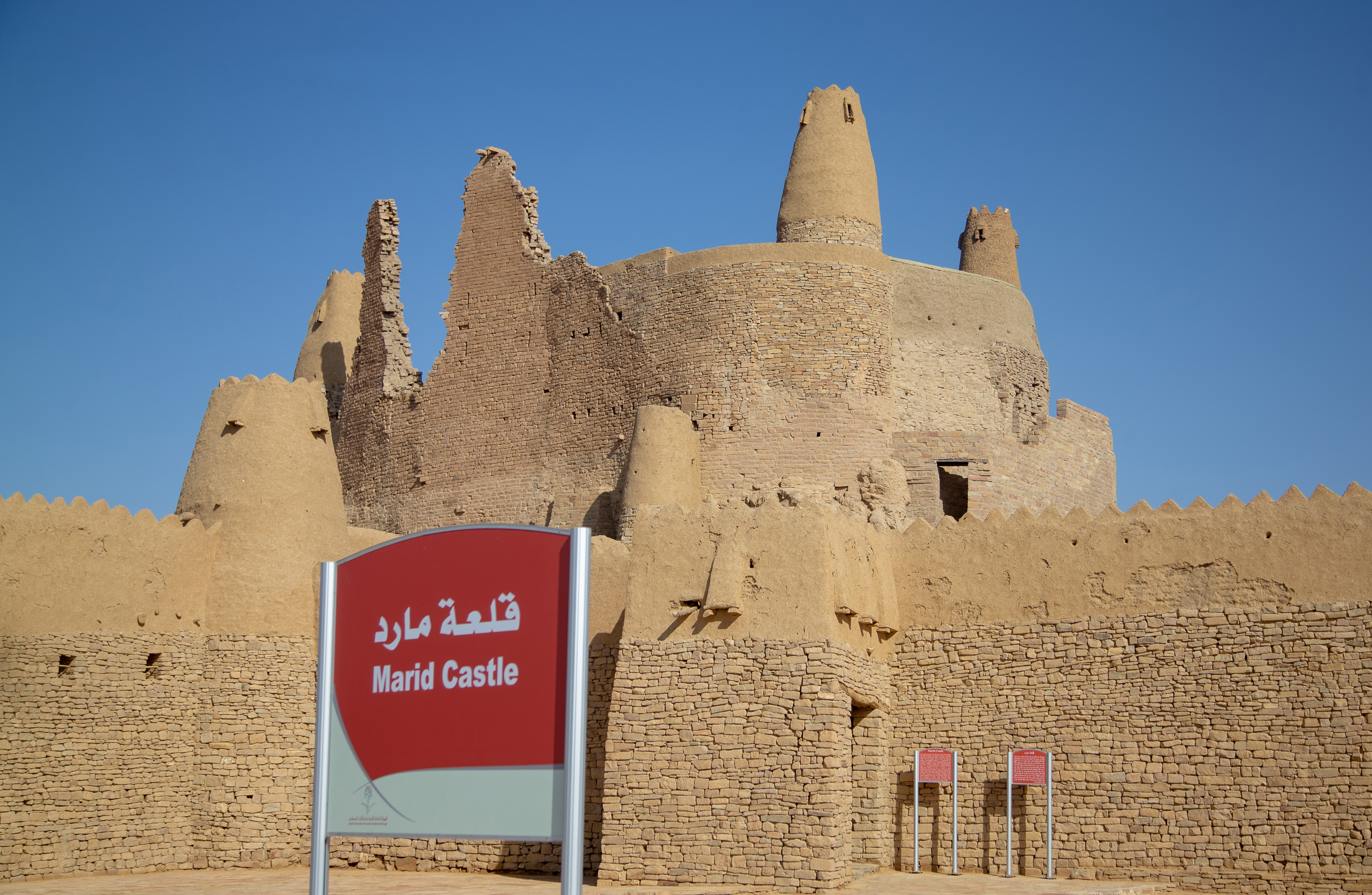
Marid Castle
Historic fortress with Nabataean origins.
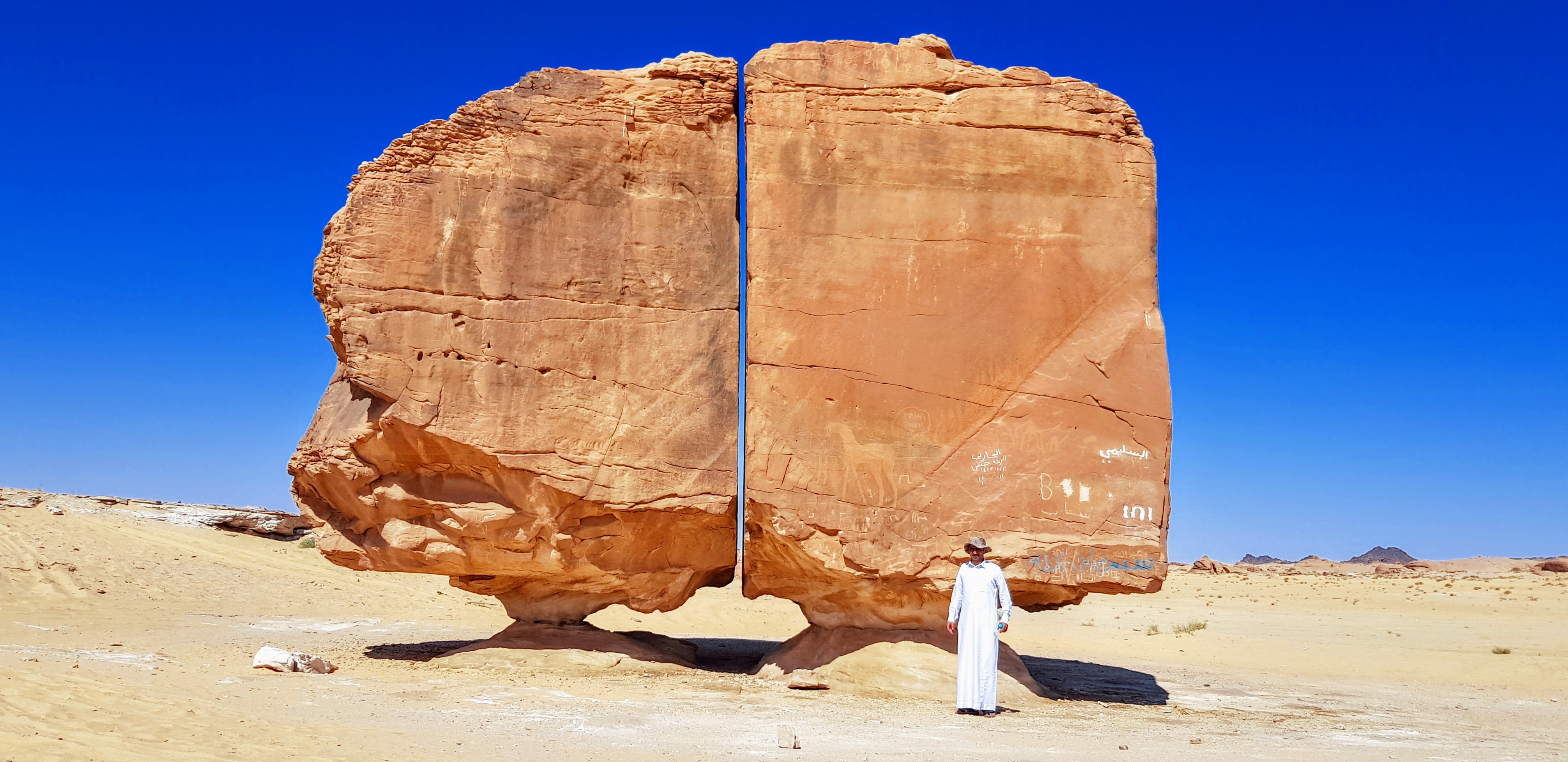
Al Naslaa
Large sandstone rock with petroglyphs
Thāj
Hellenistic townsite in Eastern Province, Saudi Arabia
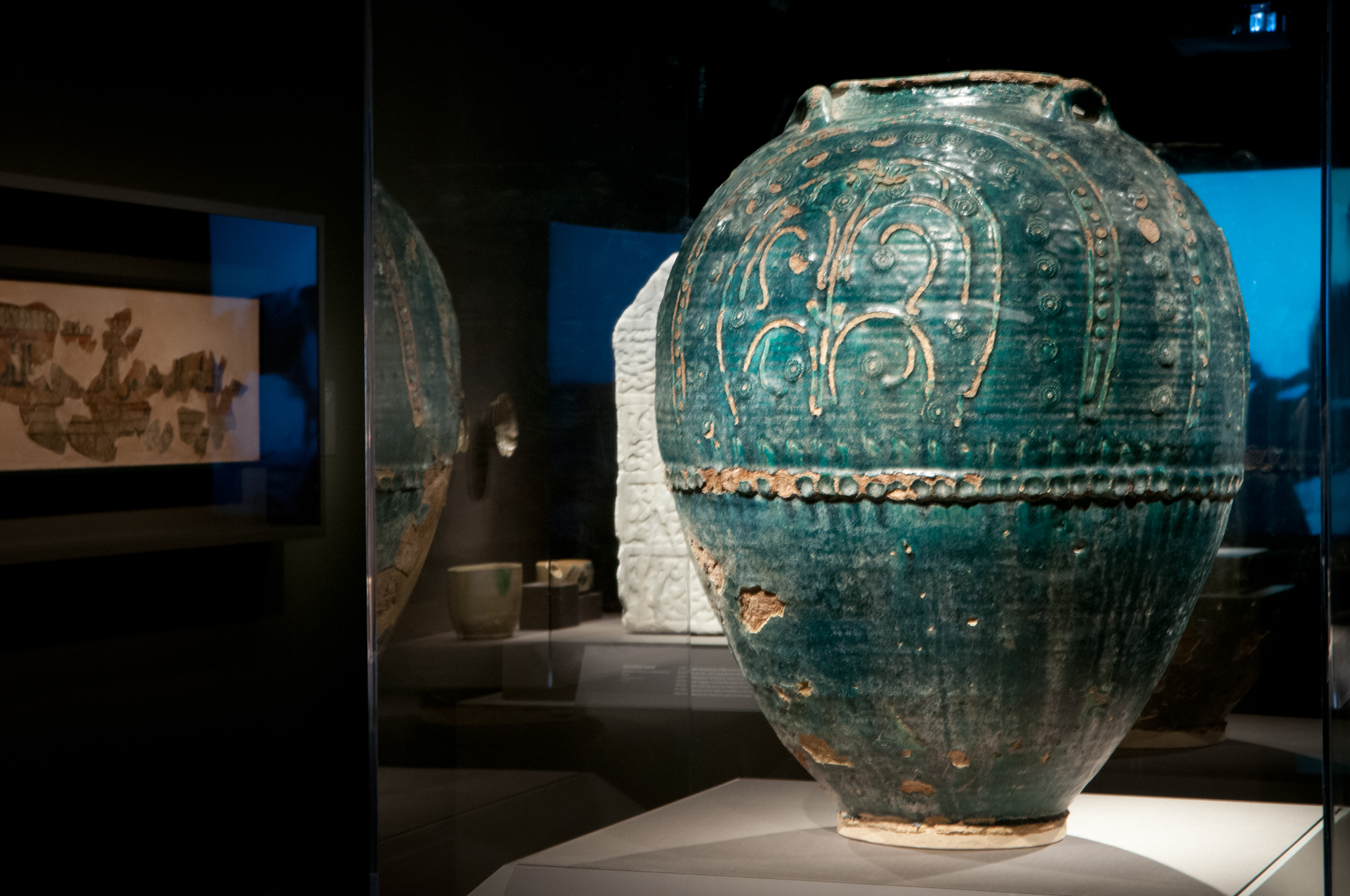
Al-Rabadha
Early Islamic urban settlement with palace structure.