Time Periods
Paleolithic
Mesolithic
Neolithic
Chalcolithic
Bronze Age
Iron Age
Classical Period
Post-Classical Period
Early Modern Period
Industrial Period
Contemporary Period
Time Periods
Paleolithic
Mesolithic
Neolithic
Chalcolithic
Bronze Age
Iron Age
Classical Period
Post-Classical Period
Early Modern Period
Industrial Period
Contemporary Period
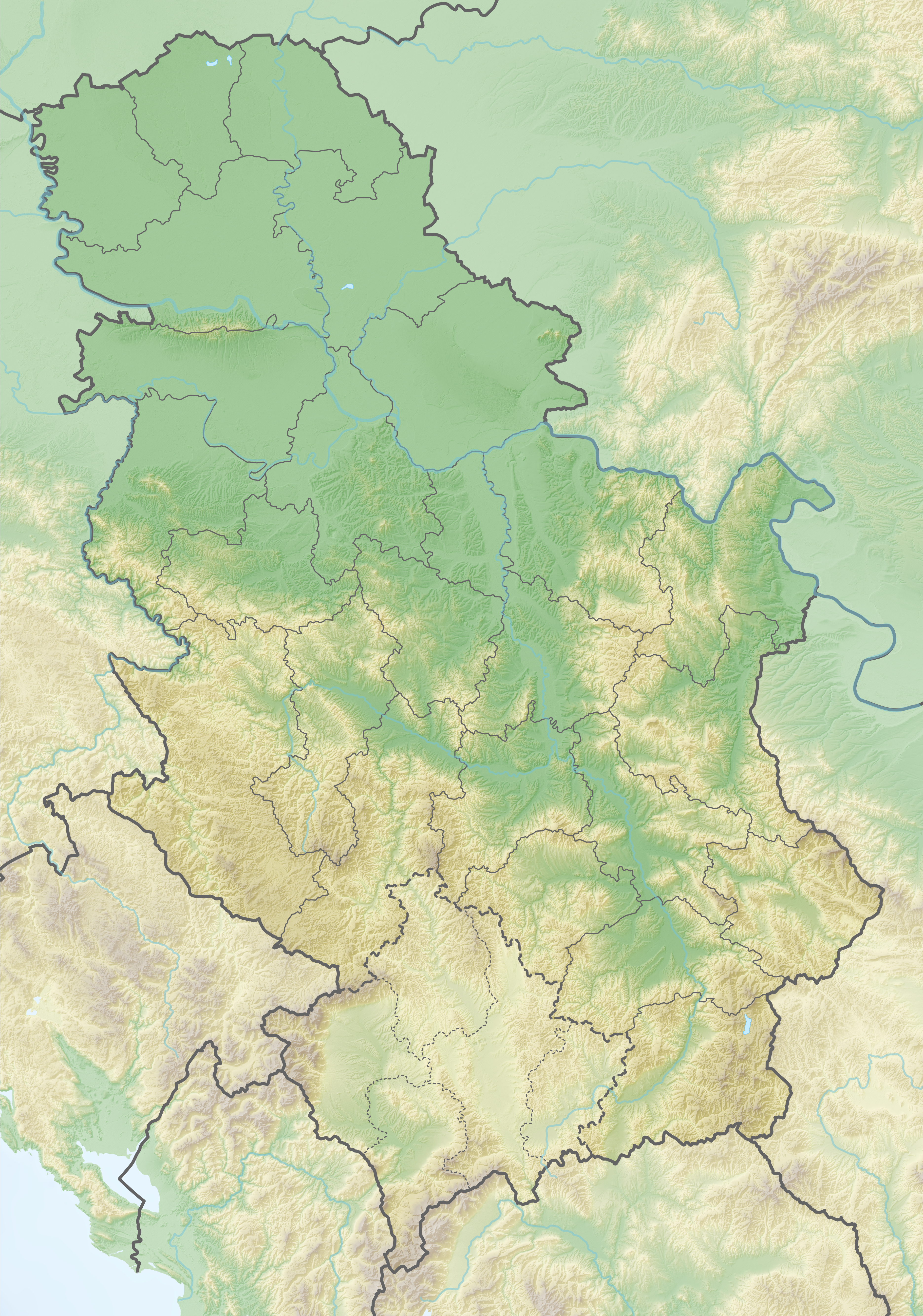
Location
About
Juhor, a mountain in central Serbia near Paraćin, gains archaeological significance due to findings on its highest peak, Veliki Vetren. Artifacts dated to the 3rd century BCE include a chest containing 14 sets of weapons, harness gear, jewelry, and clothing accessories. These items are characteristic of the knights from Dacian and Scordisci cultures, indicating the presence or influence of these groups in the area during the Late Iron Age. The site provides valuable insights into the material culture and interactions of these ancient populations. Although primarily known for its natural features, Juhor's archaeological finds contribute to understanding the broader historical landscape of the region.
Gallery
Explore photographs of ancient structures, artifacts, and archaeological excavations at Juhor
Archaeological Features
Explore the unique architectural and cultural elements found at this historical site
Miscellaneous Features
Historical Timeline
Journey through time and discover key events in this site's archaeological history
Plan Your Visit
Details
- Country
- Serbia
- Source
- Wikipedia
More Sites in Serbia
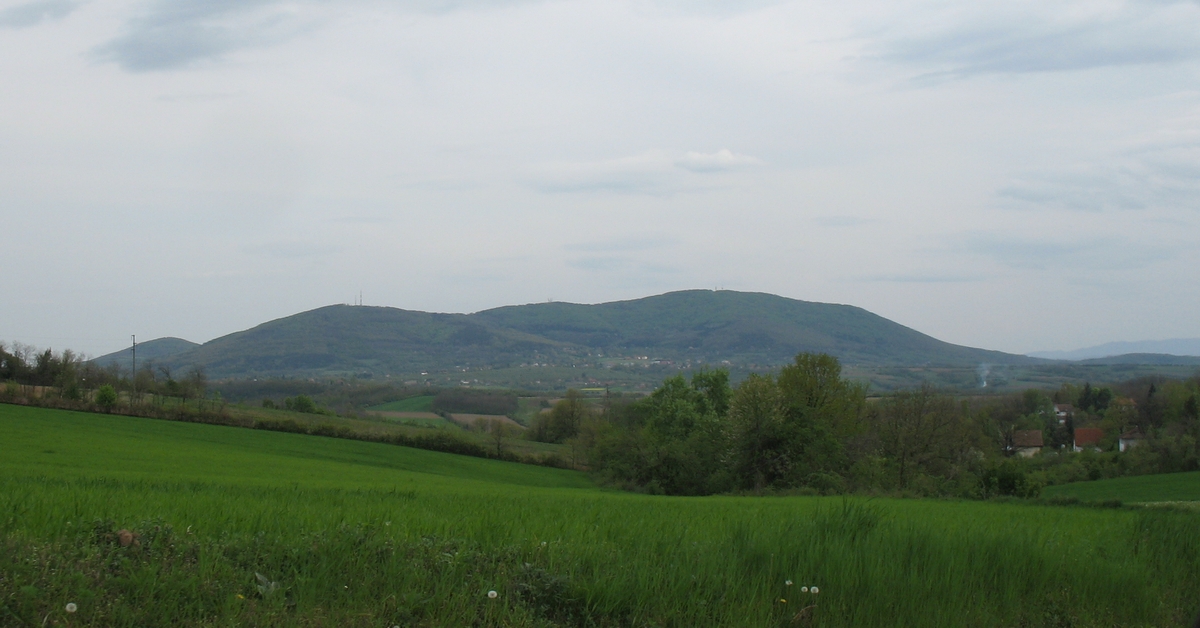
Kosmaj
Mountain with rich historical mining activity.
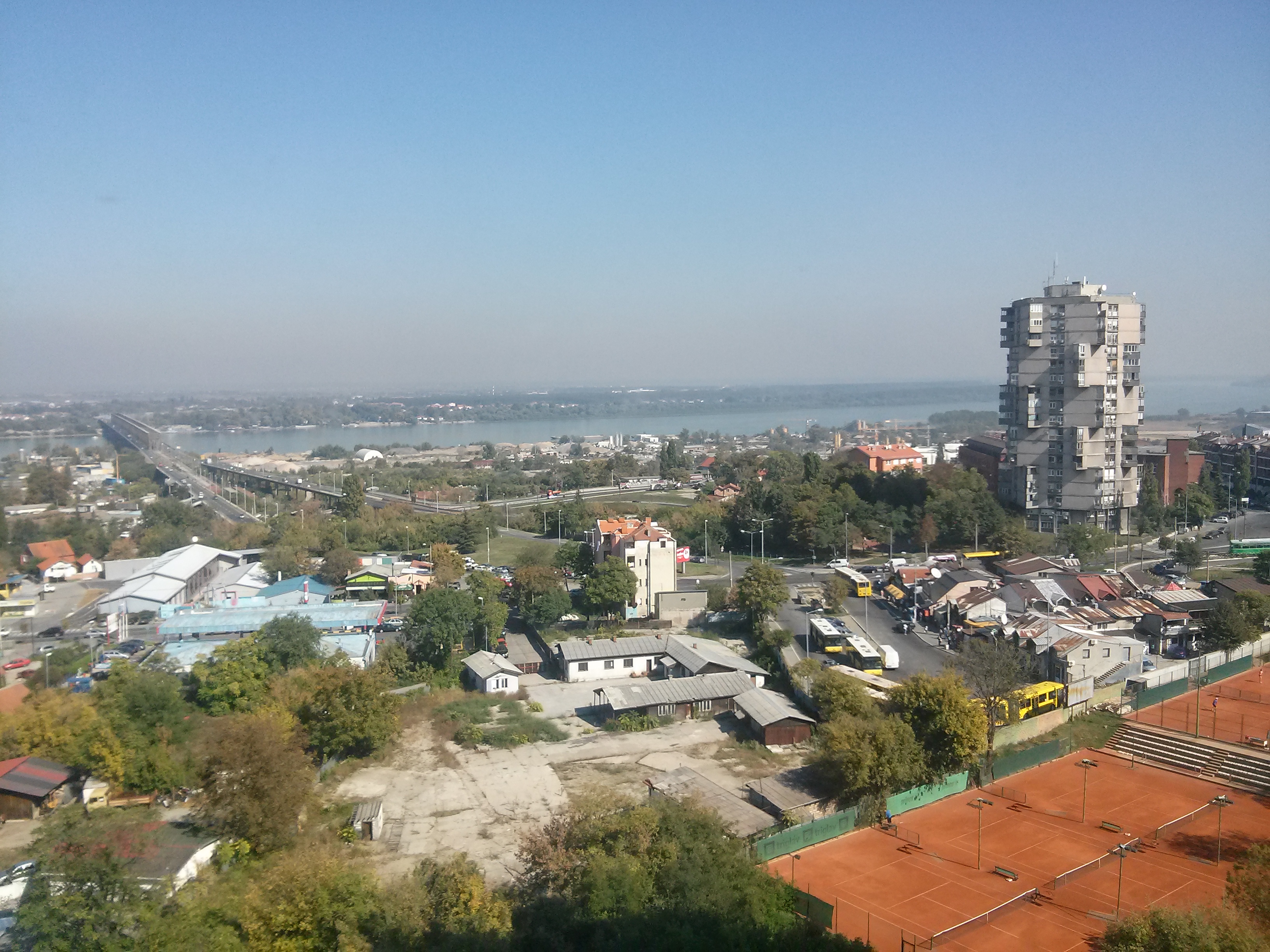
Karaburma
Ancient settlement with Celtic and Roman influences.
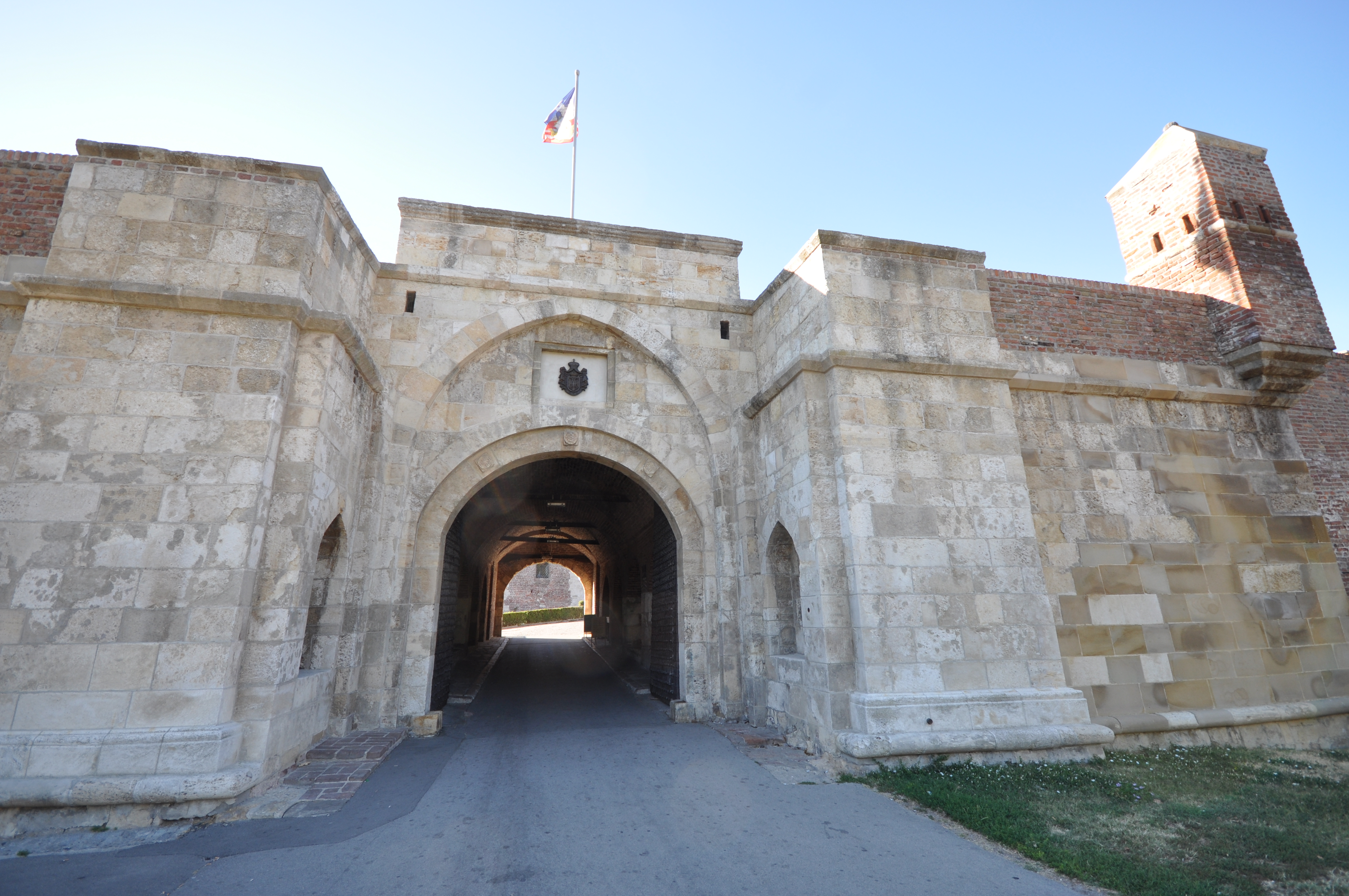
Belgrade Fortress
Historical fortress overlooking Sava and Danube
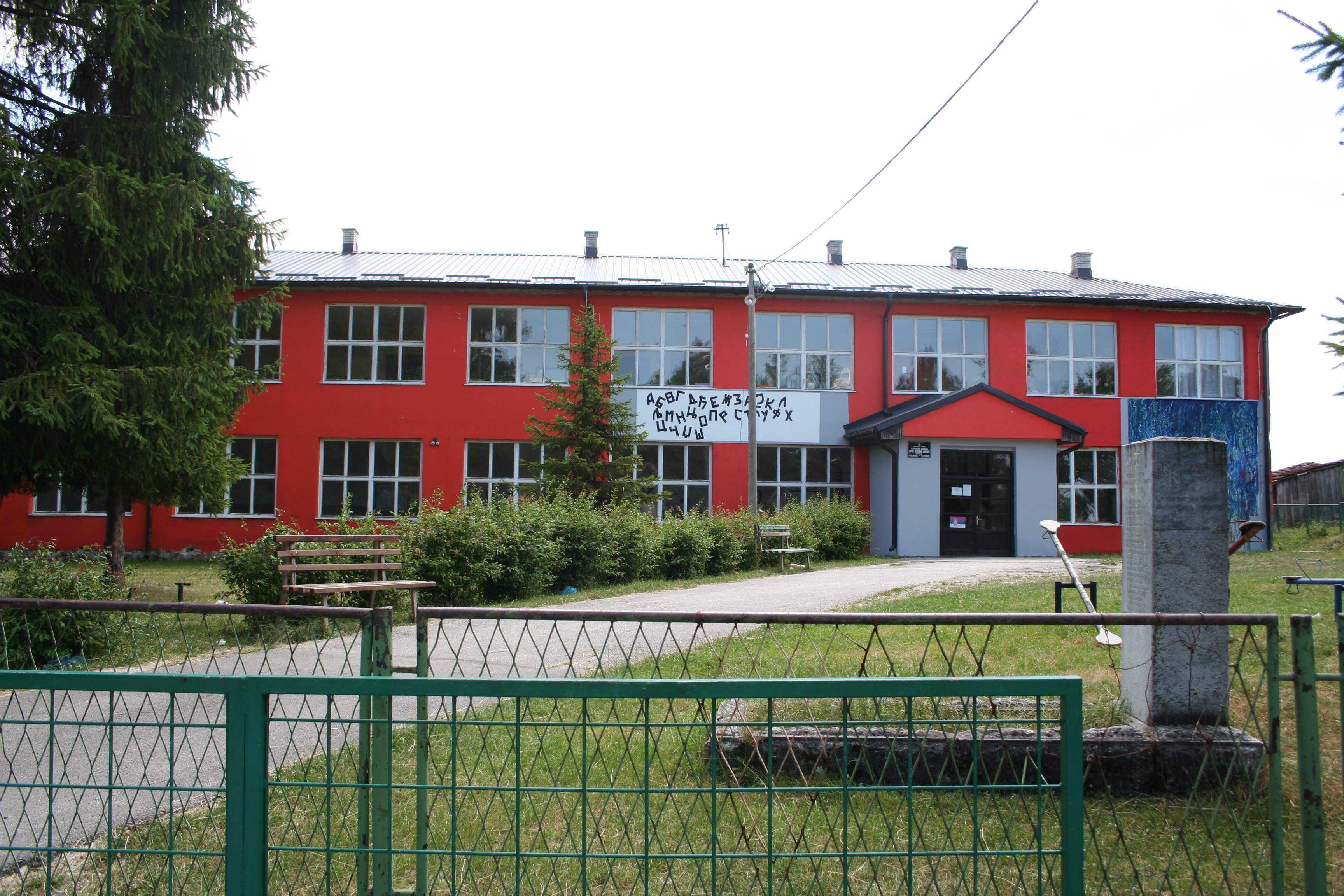
Stapari
Stone and Iron Age artifacts found
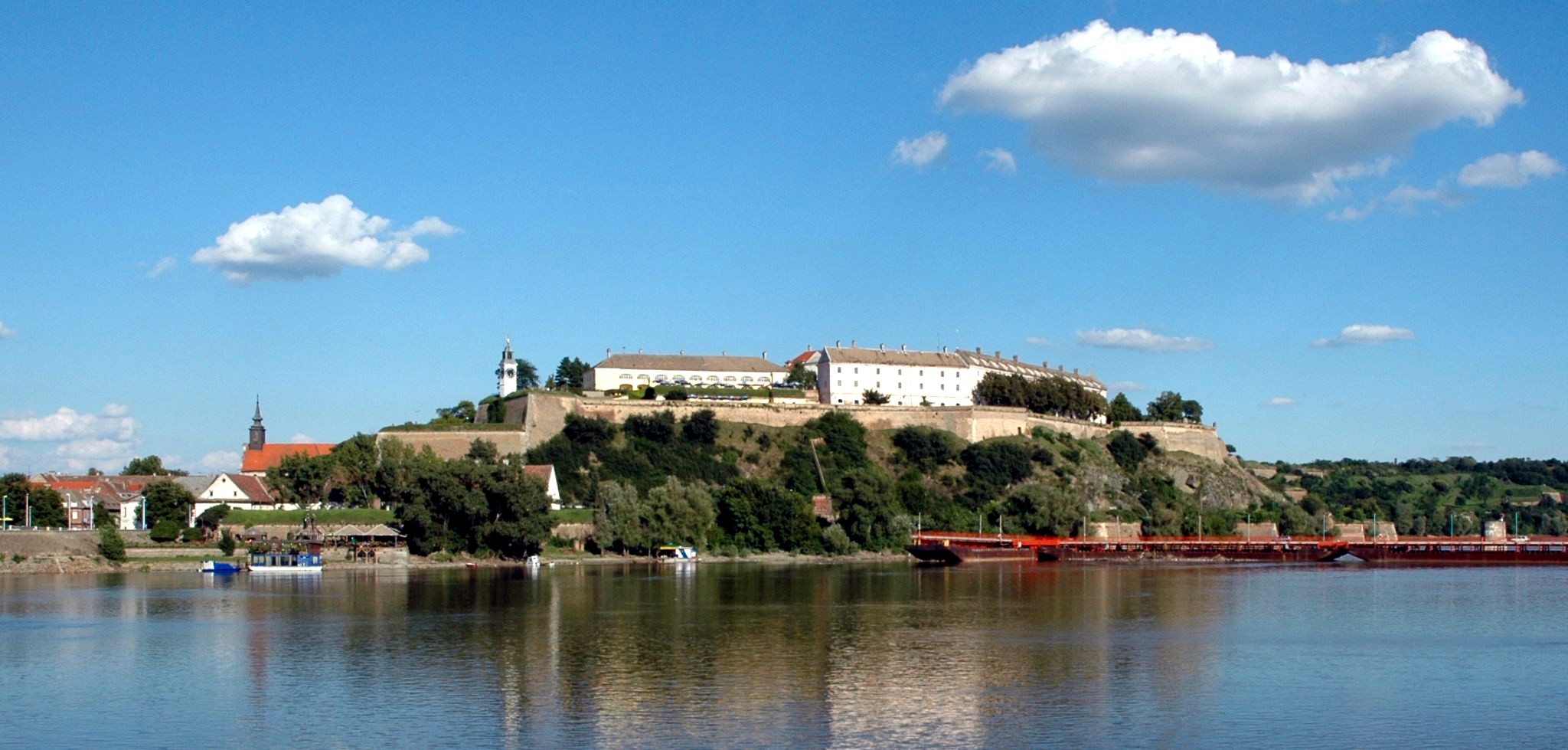
Petrovaradin Fortress
Fortress with extensive underground corridors
Pločnik (archaeological site)
Explore this archaeological site.