
Explore the Map
Kinđa
45.8547° N, 20.3923° E
About
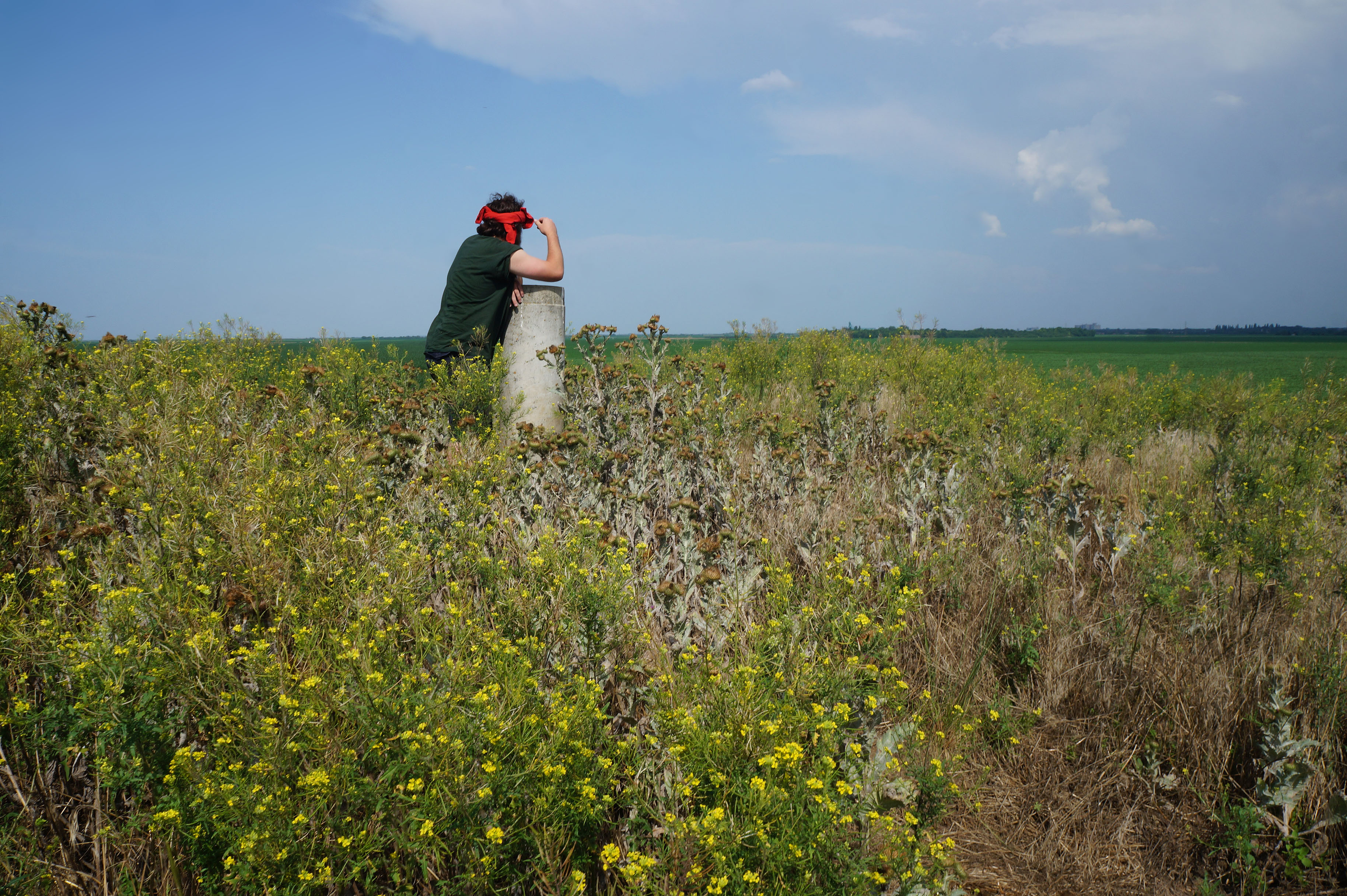
Kinđa (Serbian: Кинђа) is a Copper Age kurgan, or burial mound, in Serbia. Situated in the northeastern part of Vojvodina, near the town of Kikinda. Even though an artificial feature, it is one of the highest points of the north and northeastern part of the Serbian section of Banat.
Gallery
Explore photographs of ancient structures, artifacts, and archaeological excavations
Historical Timeline
Journey through time and discover key events in this site's history
Possible Sarmatian or Scythian use
3rd–1st century BCE
Attila legend
453 AD
Cuman construction hypothesis
13th century
Municipal archaeological designation
2013
Partial destruction by agricultural company
May 2017
Archaeological Features
Unique architectural and cultural elements found at this historical site
Burial and Funerary Structures
Environmental and Natural Features
Frequently Asked Questions
Plan Your Visit
Tours, travel arrangements, and practical information
More Sites in Serbia
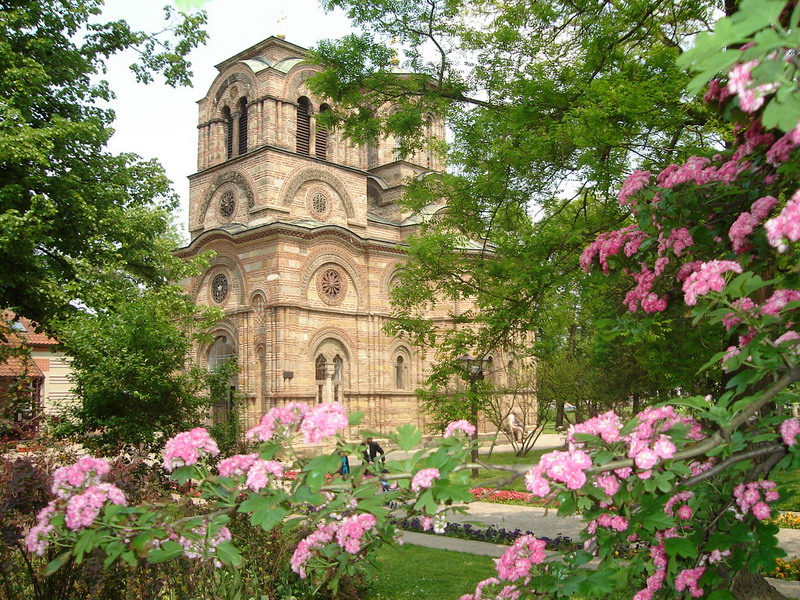
Lazarica Church
Trefoil Serbian Orthodox church with dome.
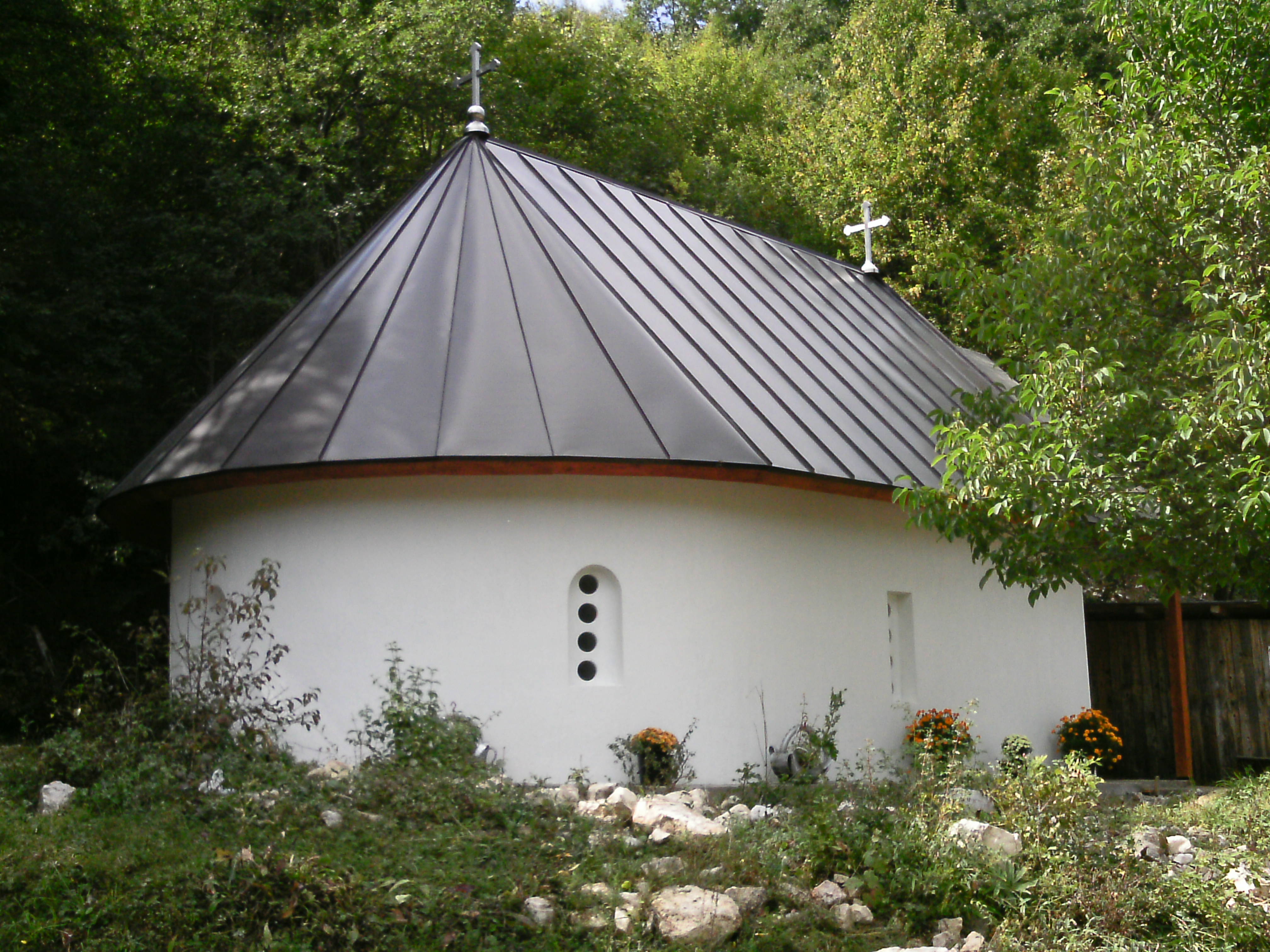
Janja Monastery
15th-century Serbian Orthodox monastery ruins
Pločnik (archaeological site)
Neolithic Vinča village, 5500–4700 BCE in Serbia
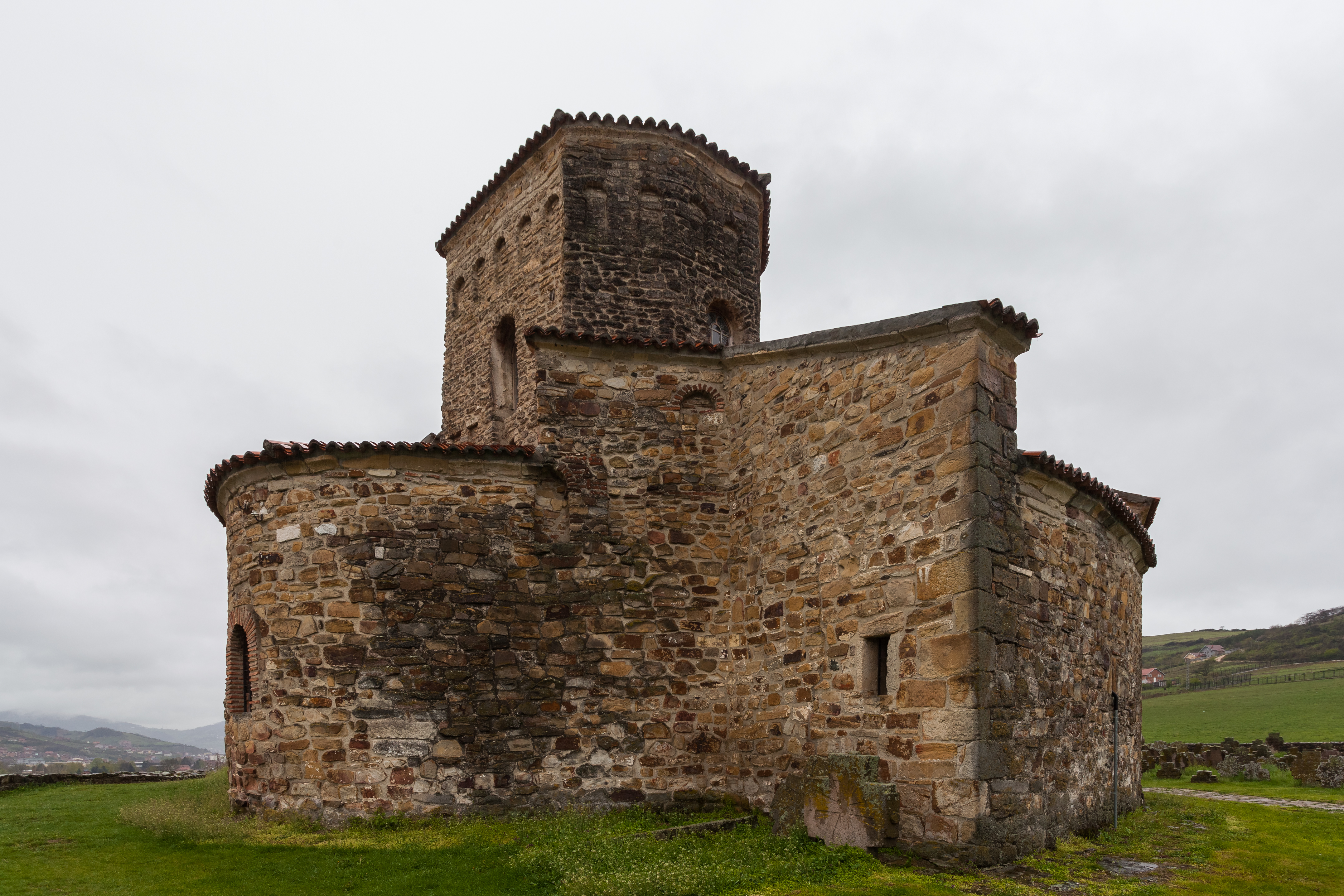
Church of the Holy Apostles Peter and Paul, Ras
Oldest intact church in Serbia, Ras site
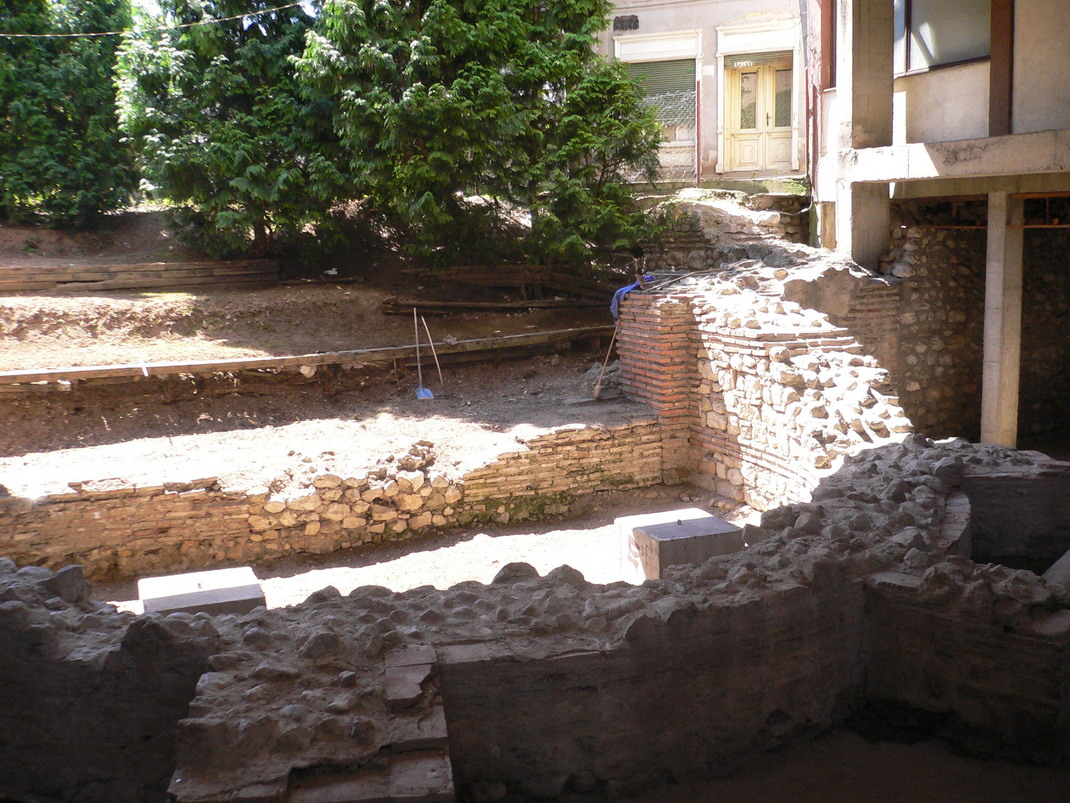
Remesiana
Ancient Roman city with ecclesiastical significance.
Velika humka
Settlement site near Pilatovići, Serbia.