Explore the Map
Rudna Glava
44.3390° N, 22.0690° E
About
Rudna Glava, located in present-day eastern Serbia, is an archaeological site renowned for its early evidence of copper mining and metallurgy, dating back to the 5th millennium BCE. As one of the earliest European sites with such evidence, it showcases the technological advances of the Vinča culture through archaeological finds, including pottery. The site consists of shafts cut into the hillside, with scaffolding facilitating access to copper ore veins. Recognized for its historical significance, Rudna Glava was listed in 1983 as an Archaeological Site of Exceptional Importance by the Republic of Serbia. This site exemplifies the transition into the Chalcolithic period, marking a pivotal point in human technological development.
Historical Timeline
Journey through time and discover key events in this site's history
Early Copper Mining
5000 BCE
Archaeological Features
Unique architectural and cultural elements found at this historical site
Industrial and Craft Structures
Plan Your Visit
Tours, travel arrangements, and practical information
More Sites in Serbia
Pločnik (archaeological site)
Neolithic Vinča village, 5500–4700 BCE in Serbia
Gamzigrad-Romuliana, Palace of Galerius
<p>The Late Roman fortified palace compound and memorial complex of Gamzigrad-Romuliana, Palace of Galerius, in the east of Serbia, was commissioned by…
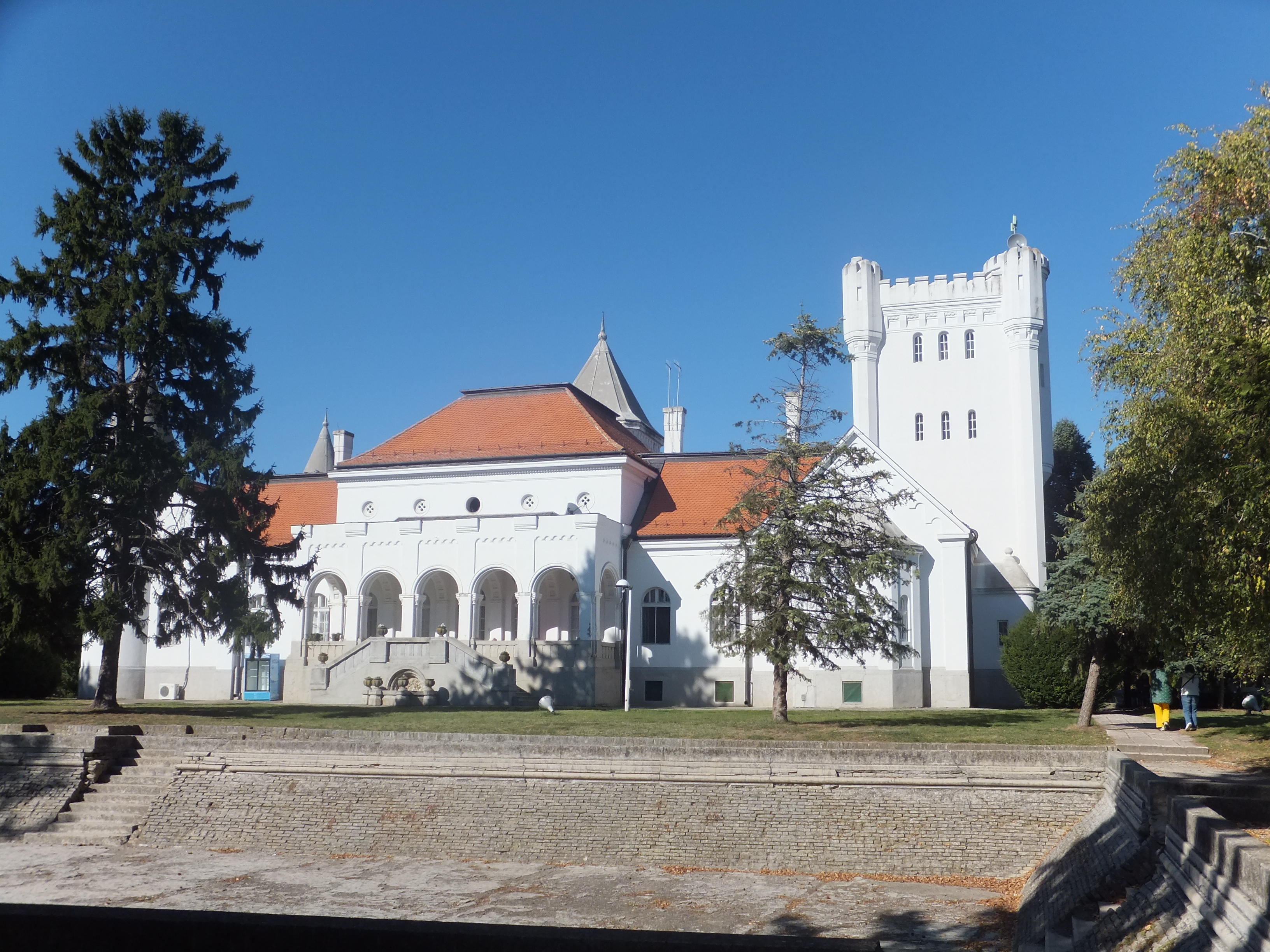
Trojanov Grad
Fortress remains on Cer Mountain, Serbia.
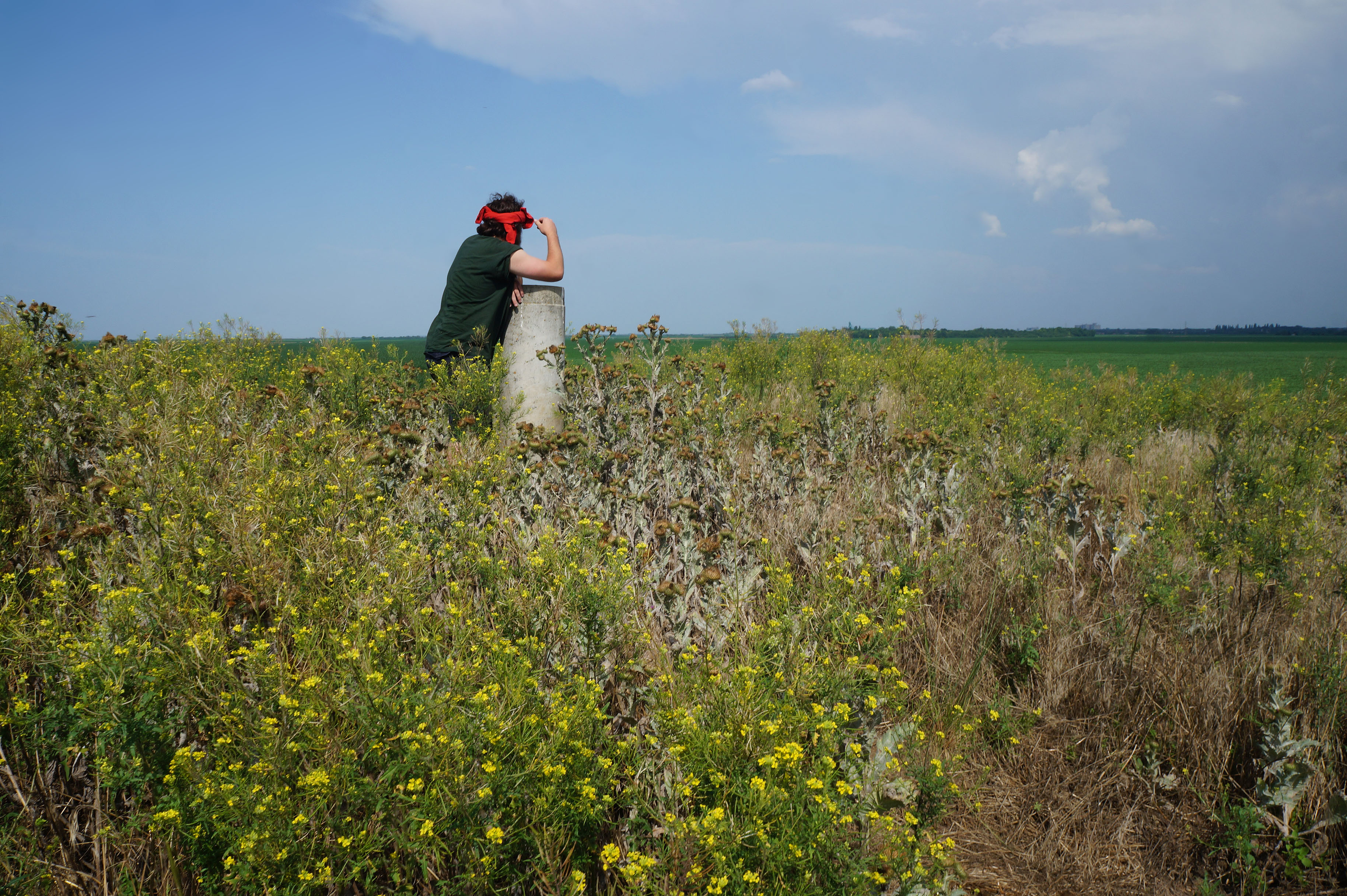
Kinđa
Copper Age burial mound near Kikinda, Serbia
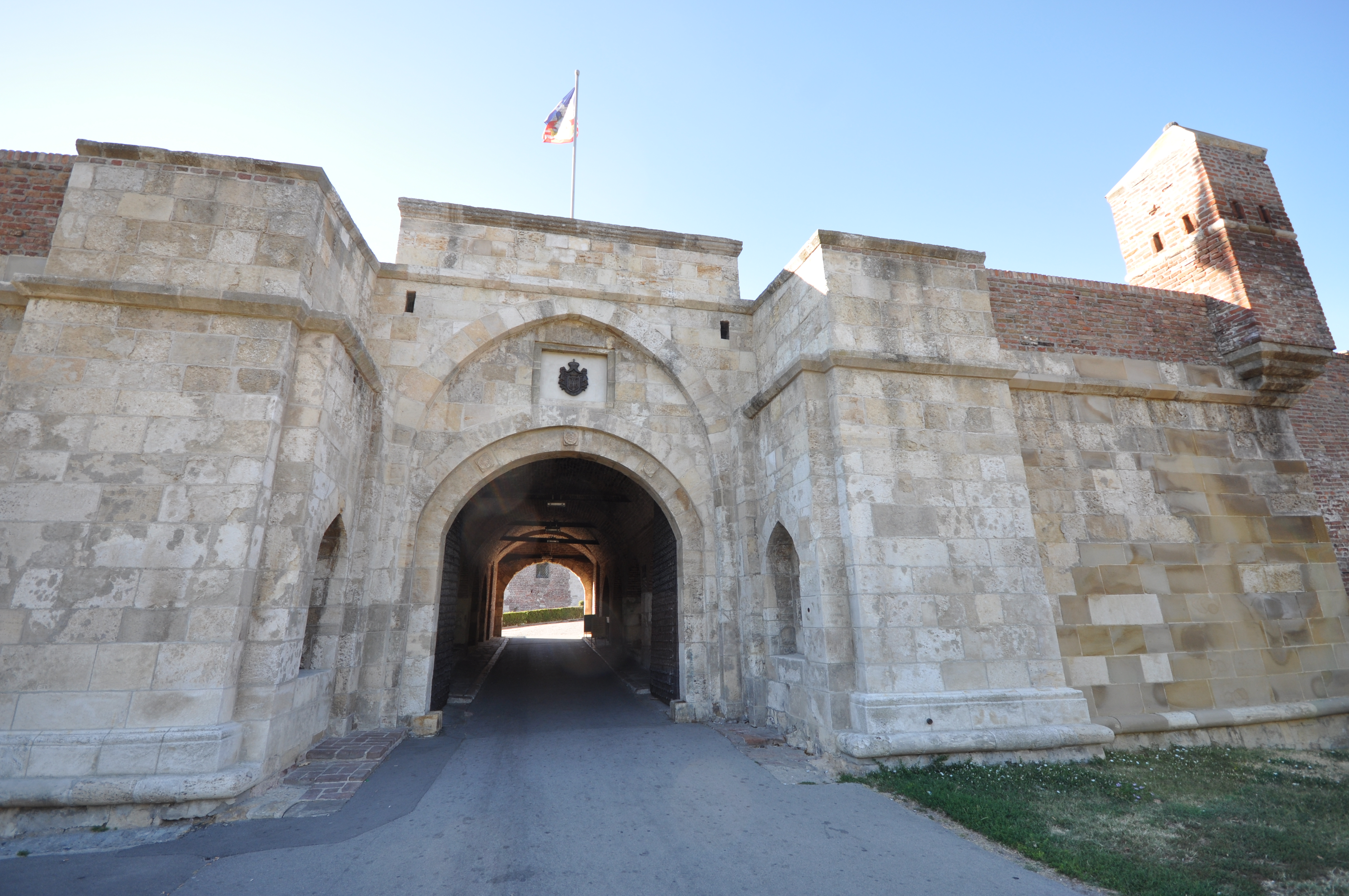
Belgrade Fortress
Historical fortress overlooking Sava and Danube
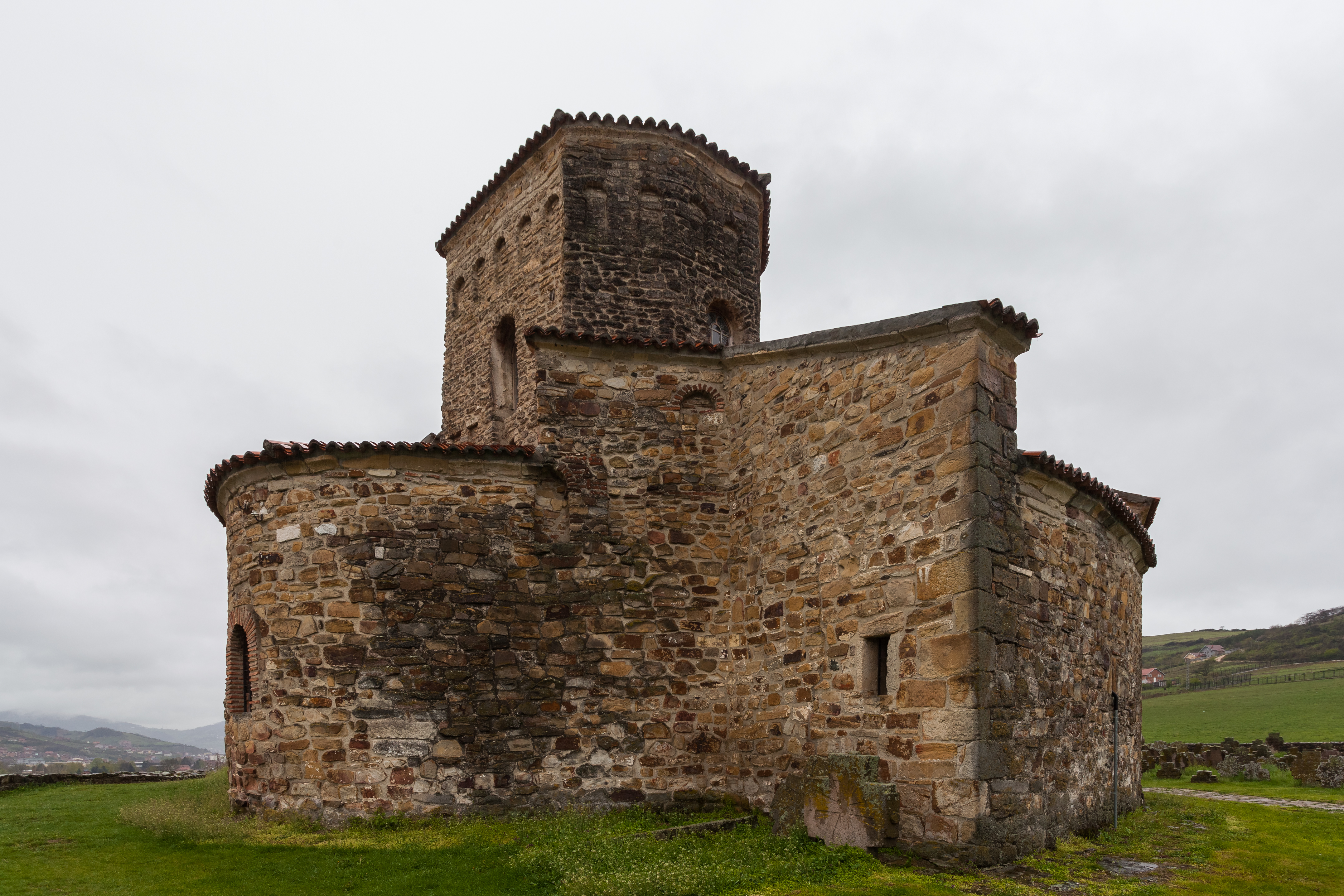
Church of the Holy Apostles Peter and Paul, Ras
Oldest intact church in Serbia, Ras site