Explore the Map
Blaauboschkraal stone ruins
-25.5947° N, 30.2888° E
About
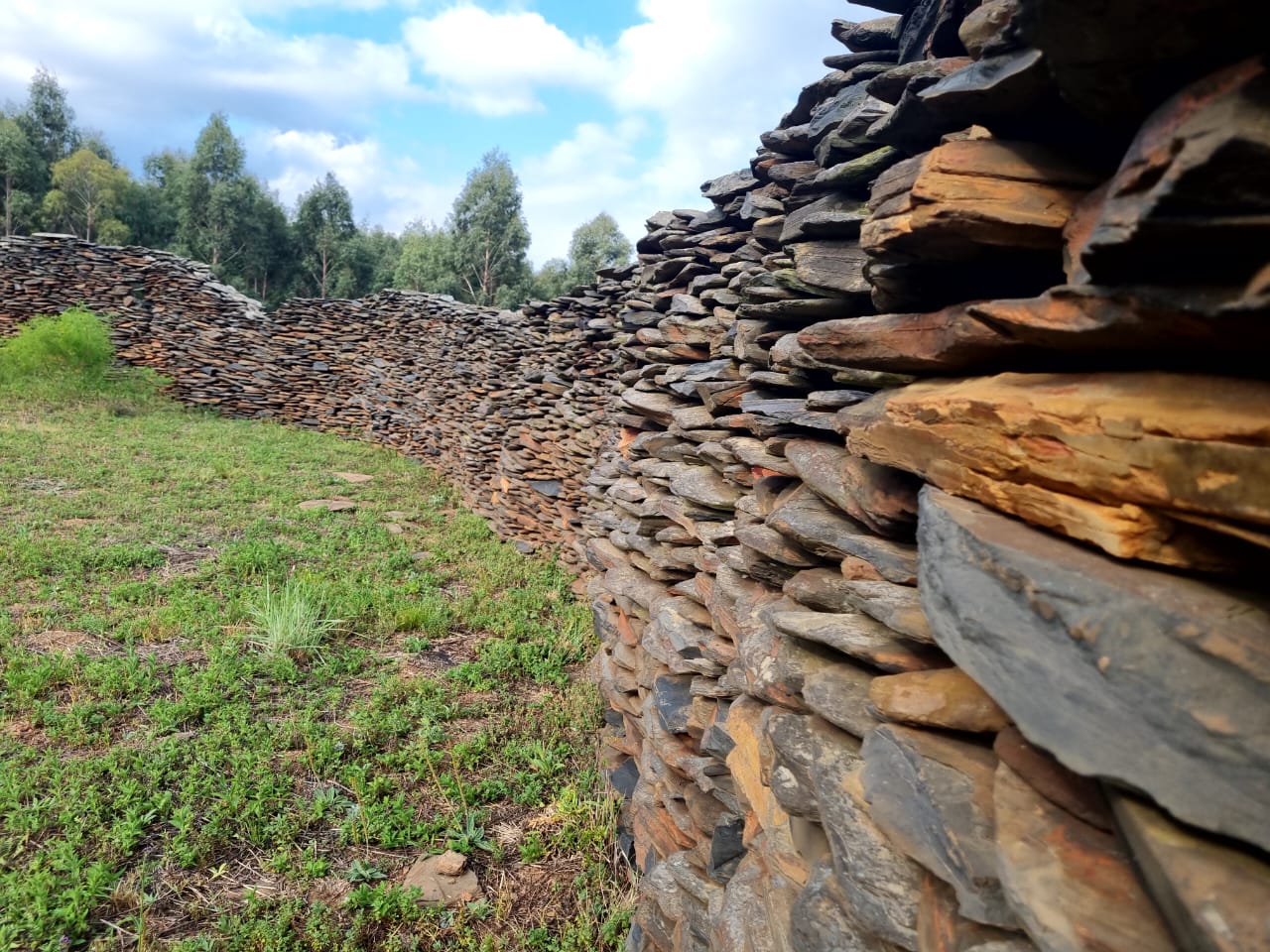
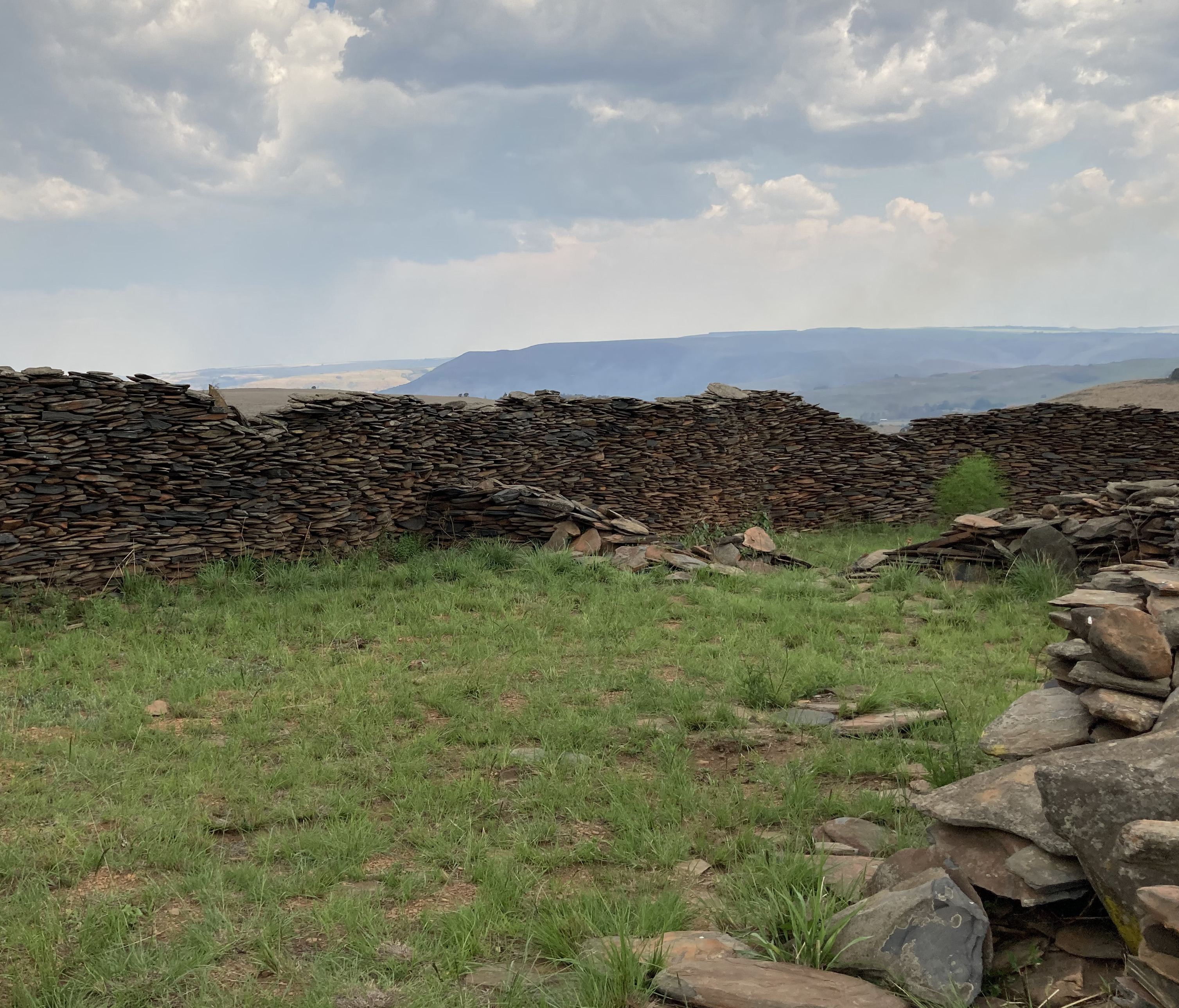
The Blaauboschkraal stone ruins are a significant archaeological site located in Mpumalanga, South Africa. These ruins are part of a vast network of stone wall settlements attributed to the Bokoni people, who inhabited the region from the 16th to the early 19th century CE. The site features complex stone walling believed to be used for cattle enclosures and agricultural terracing, reflecting the community's adaptation to the landscape for intensive agriculture. During the third phase of Bokoni civilization, these settlements were strategically built in steep valleys to offer refuge from invaders, marking a shift from their earlier open-valley homesteads. The site forms part of the Late Iron Age cultural landscape, contributing to our understanding of regional trade and agricultural practices before its abandonment in the 1830s CE due to the disruption of the Mfecane.
Gallery
Explore photographs of ancient structures, artifacts, and archaeological excavations
Historical Timeline
Journey through time and discover key events in this site's history
Bokoni Settlement
16th century CE
Third Phase Bokoni
Late 18th century CE
Abandonment
1830s CE
Archaeological Features
Unique architectural and cultural elements found at this historical site
Defensive Structures
Animal Husbandry Features
Agricultural and Land Use Features
Frequently Asked Questions
Plan Your Visit
Tours, travel arrangements, and practical information
More Sites in South Africa
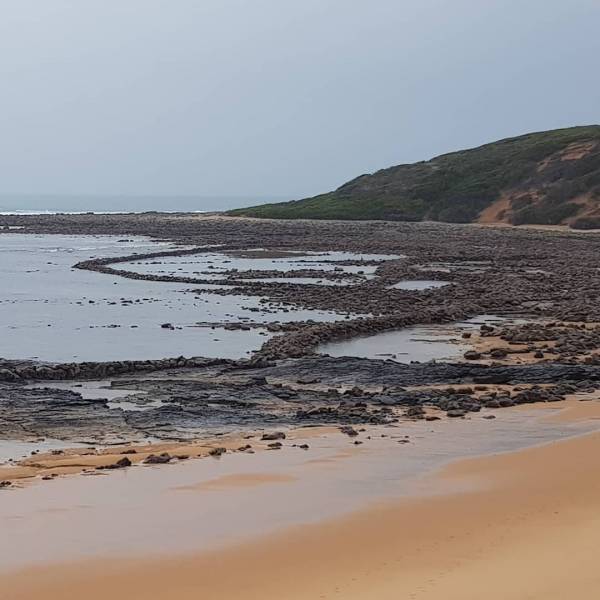
Stilbaai Tidal Fish Traps
Ancient intertidal stonewall fish traps
Sedan Beehive stone huts
Beehive-shaped prehistoric stone huts in Lindley.
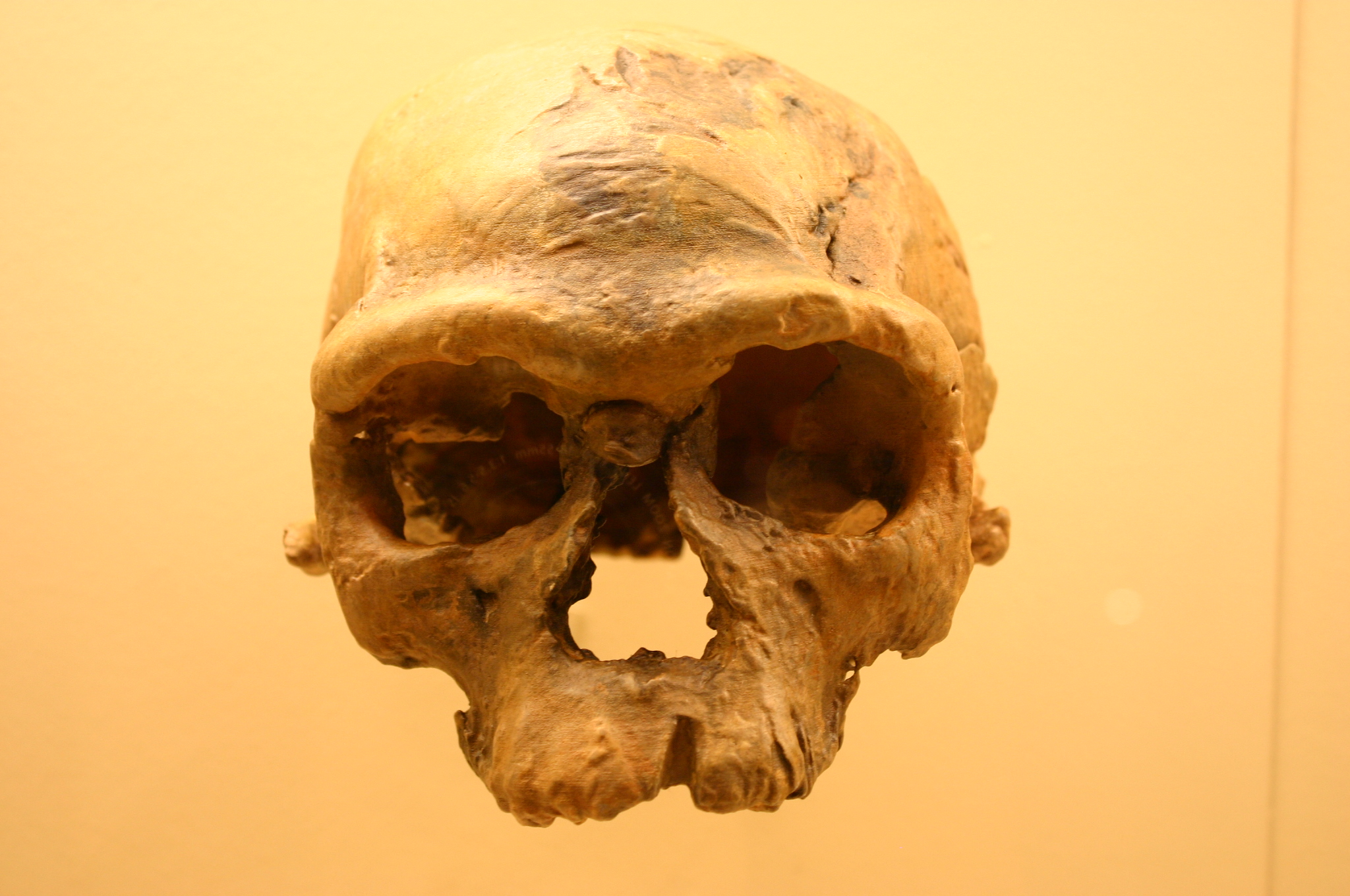
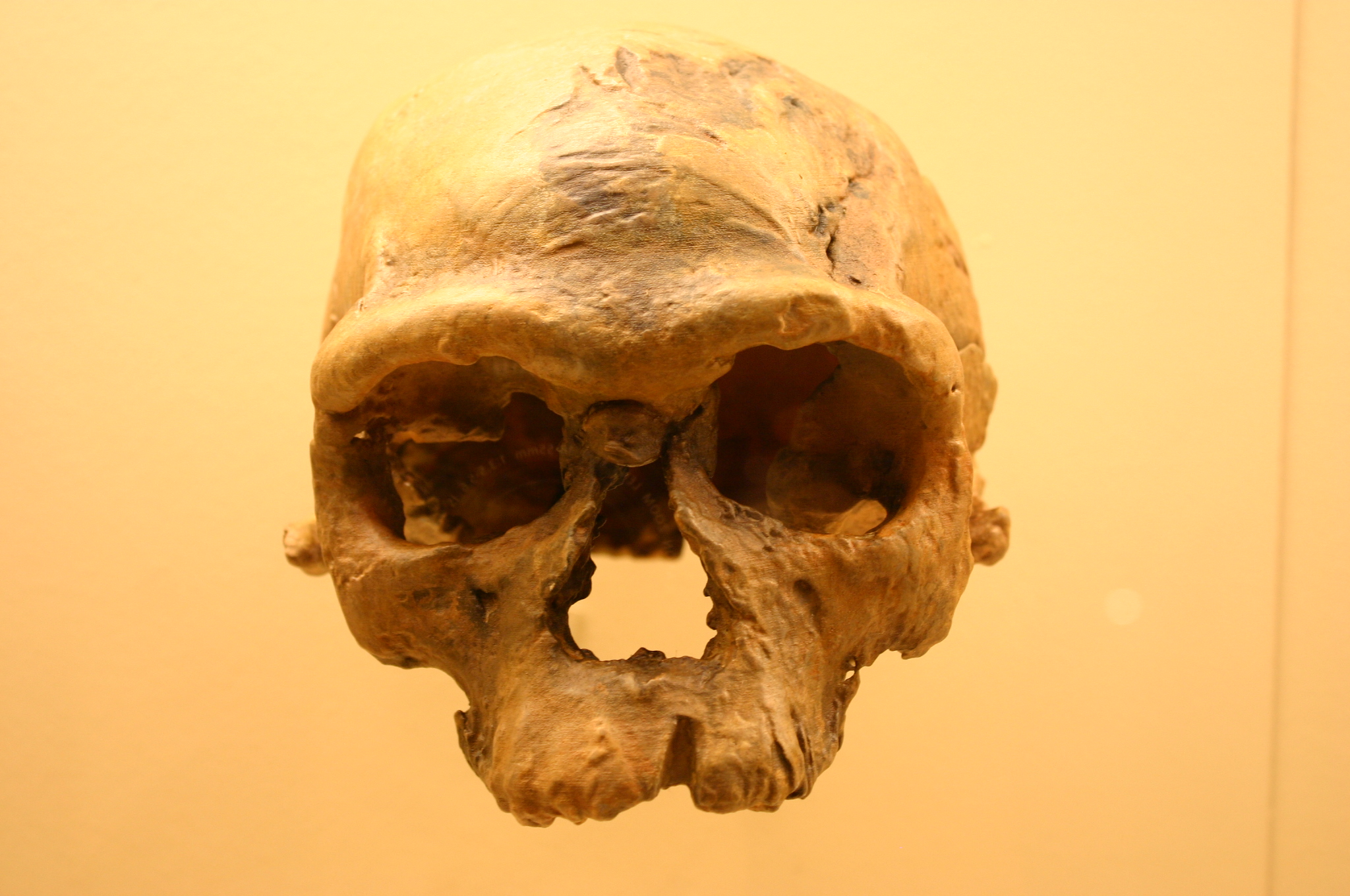
Byneskranskop
Archaeological site with Neolithic human remains
Mussel Point
Large shell midden with extensive deposits
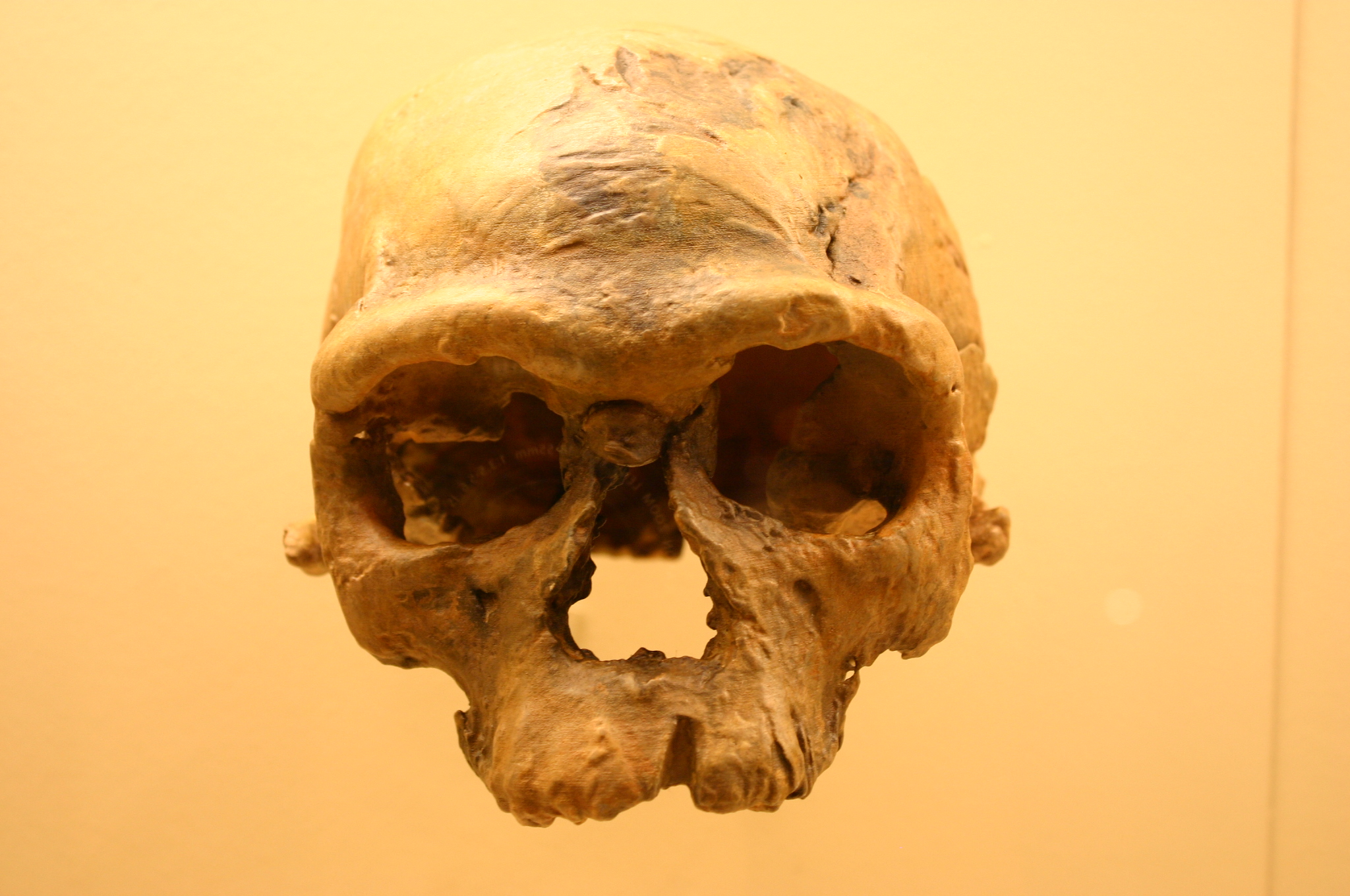
Tlokwe Ruins
Remains of Sotho-Tswana settlements in Gauteng
Bokoni
Stone-walled agro-pastoral society in South Africa.