
Explore the Map
Kaditshwene
-25.3833° N, 26.2000° E
About
Kaditshwene, located northeast of Zeerust in the North West province of South Africa, was a significant Iron Age settlement and cultural capital of the Bahurutshe people. Founded in the late 1400s on rich iron and copper ore deposits, it became a hub for manufacturing and trading in southern Africa. With a population exceeding 20,000 in 1820, it was a larger settlement than Cape Town at the time. The settlement's prosperity was disrupted during the Mfecane, a period of turmoil and migration; it was sacked by the Batlokwa under Queen Mantatisi in 1821 and subsequently attacked by Sebetwane and the Bafokeng tribe in 1823. Today, the remaining archaeological features include crumbling stone walls, foundations, ash middens, and metal working remnants, which highlight the site's historical significance in regional trade and metallurgy. In 2011, the site was declared a National Heritage Site.
Gallery
Explore photographs of ancient structures, artifacts, and archaeological excavations
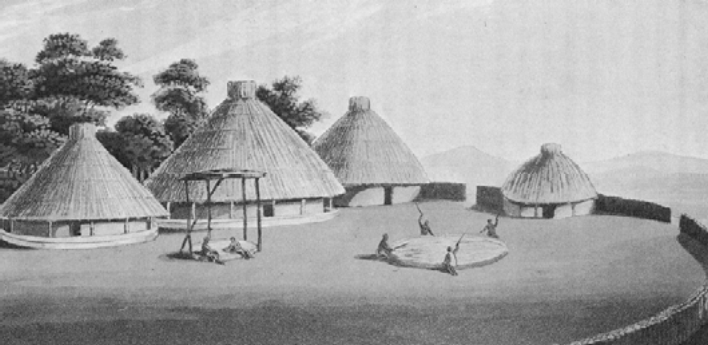
Historical Timeline
Journey through time and discover key events in this site's history
Settlement Founded
1400s CE
Mfecane Attack
1821 CE
Second Attack
1823 CE
Archaeological Features
Unique architectural and cultural elements found at this historical site
Miscellaneous Features
Industrial and Craft Structures
Domestic and Habitation Structures
Environmental and Natural Features
Plan Your Visit
Tours, travel arrangements, and practical information
More Sites in South Africa
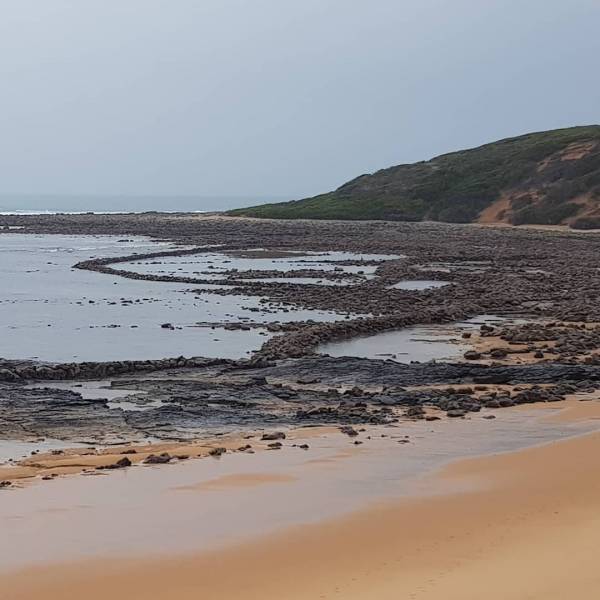
Stilbaai Tidal Fish Traps
Ancient intertidal stonewall fish traps
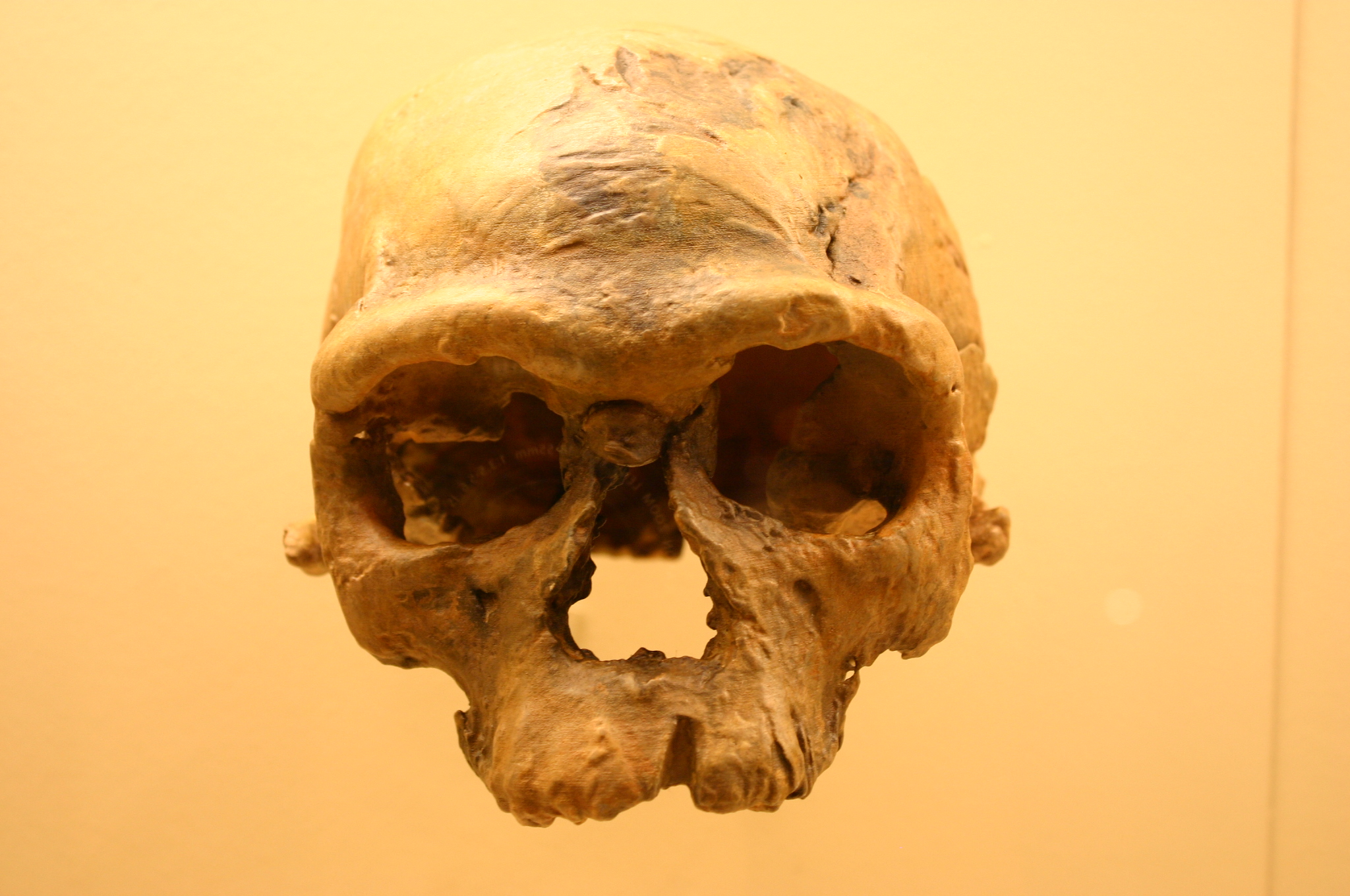
Tlokwe Ruins
Remains of Sotho-Tswana settlements in Gauteng
Mussel Point
Large shell midden with extensive deposits
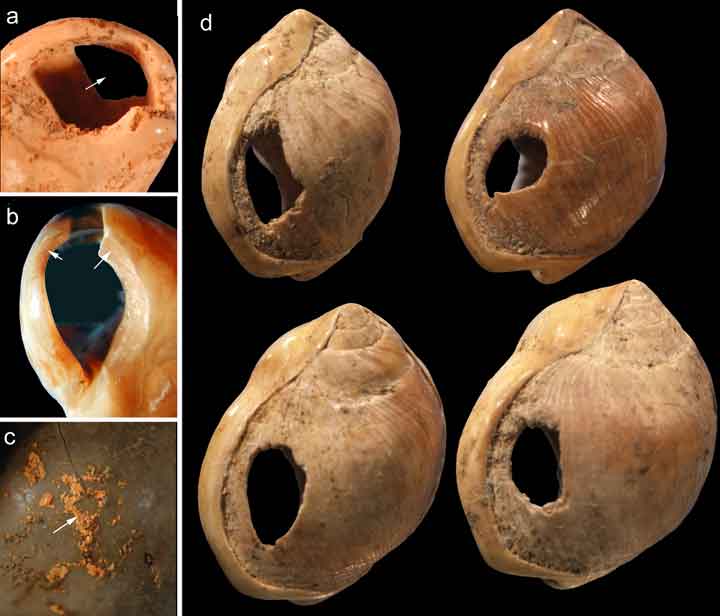
Blombos Cave
Stone Age cave with symbolic artifacts
Bokoni
Stone-walled agro-pastoral society in South Africa.
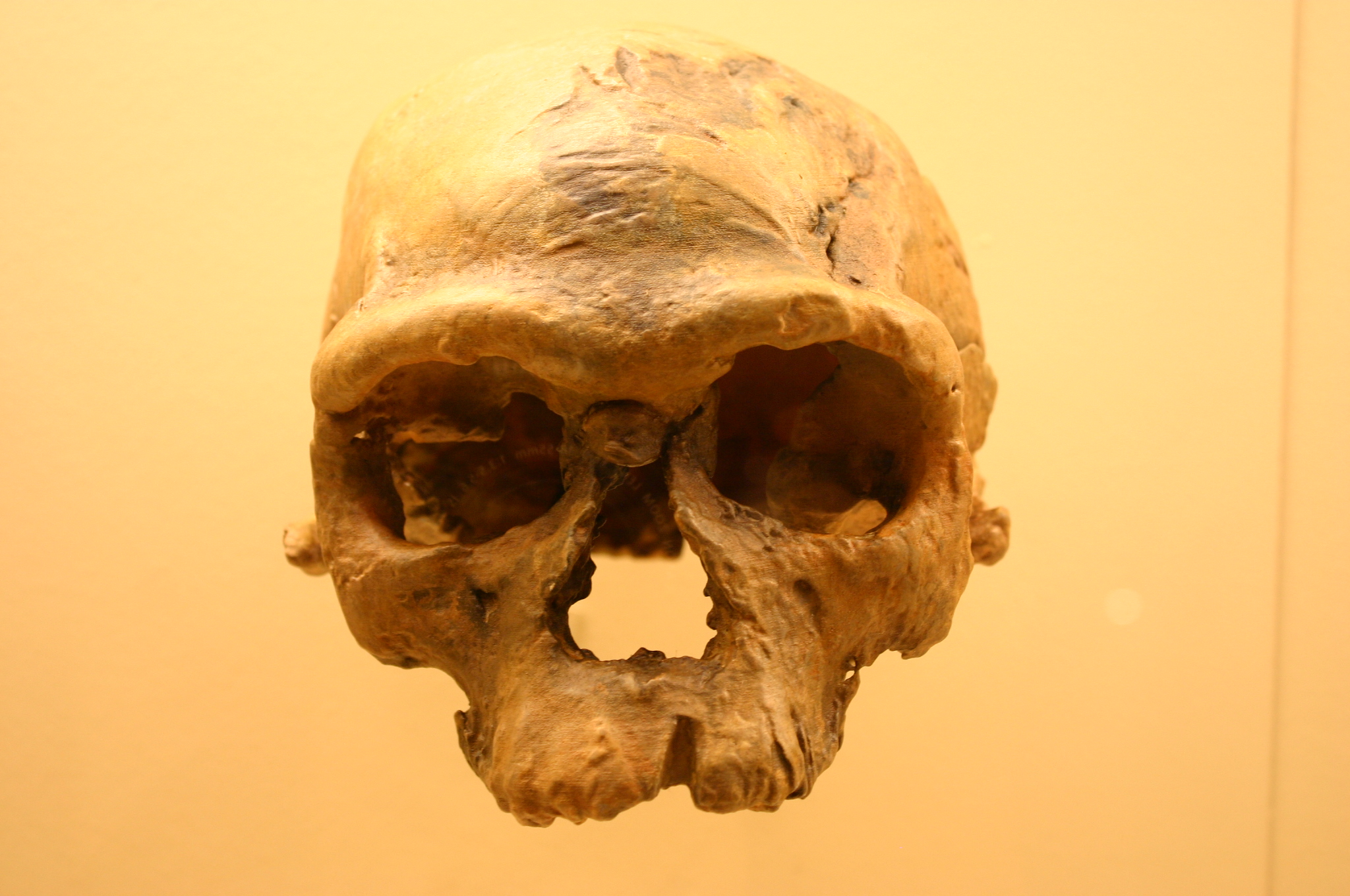
Byneskranskop
Archaeological site with Neolithic human remains