
Explore the Map
Makapansgat
-24.1586° N, 29.1769° E
About
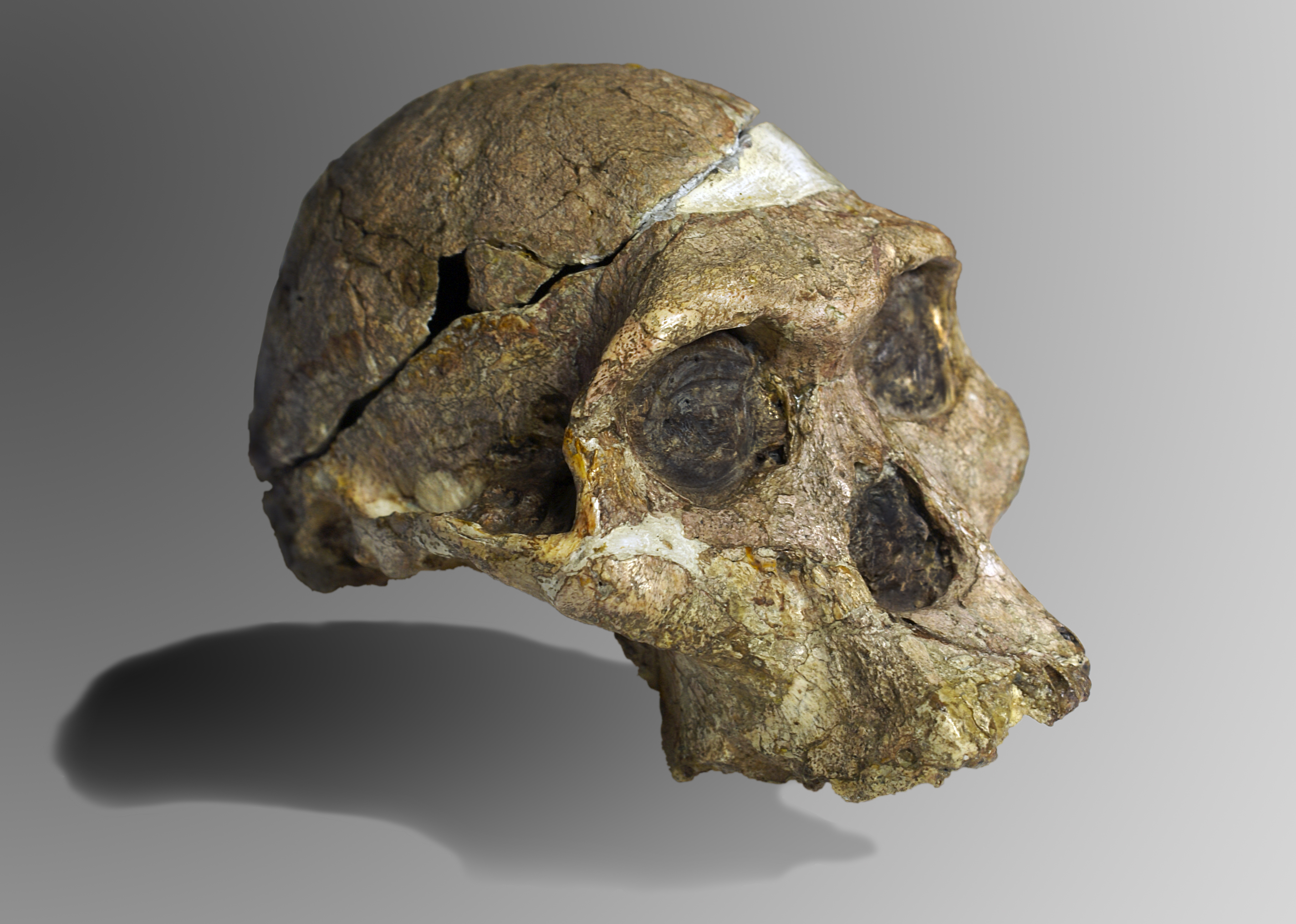
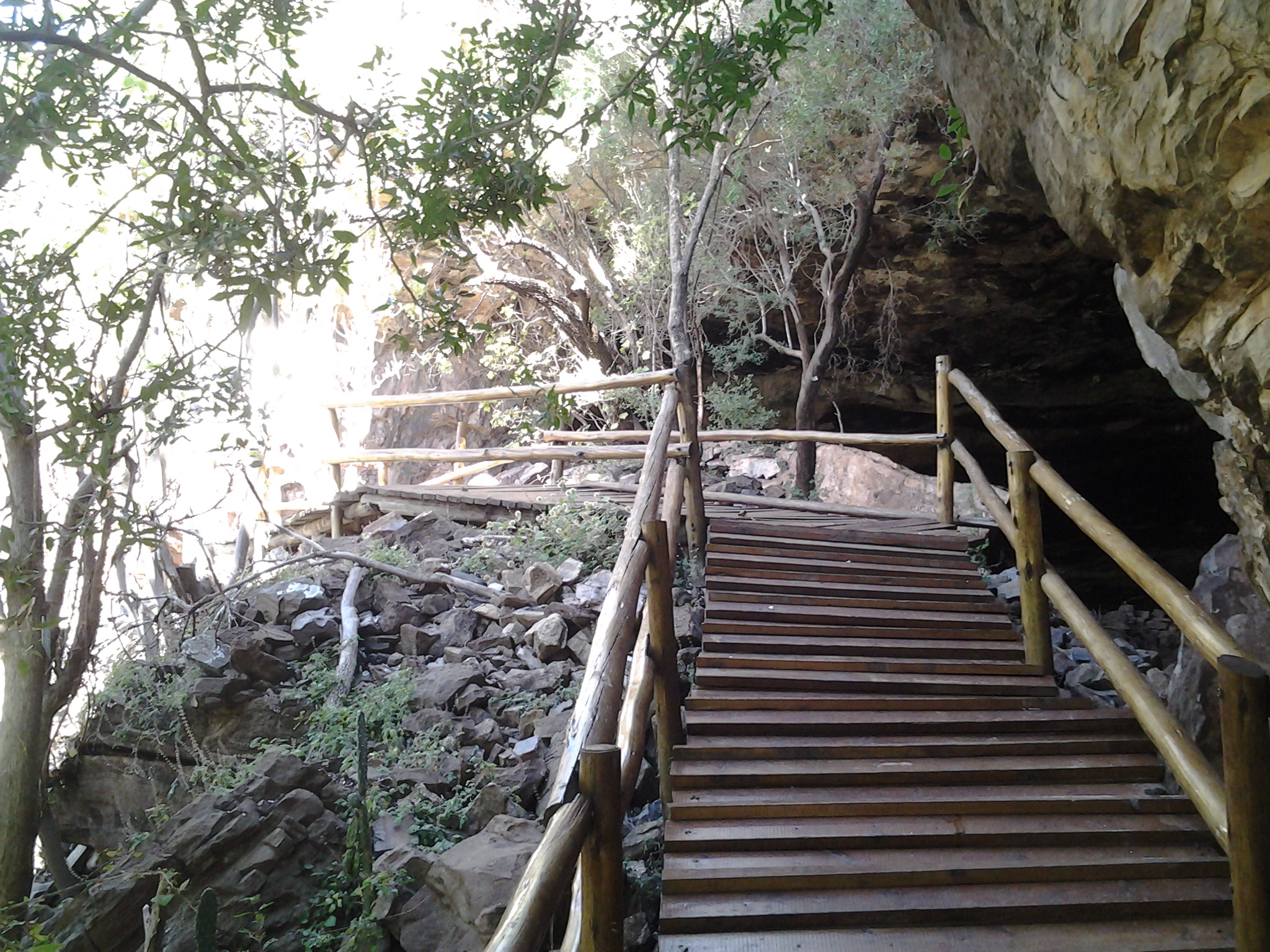
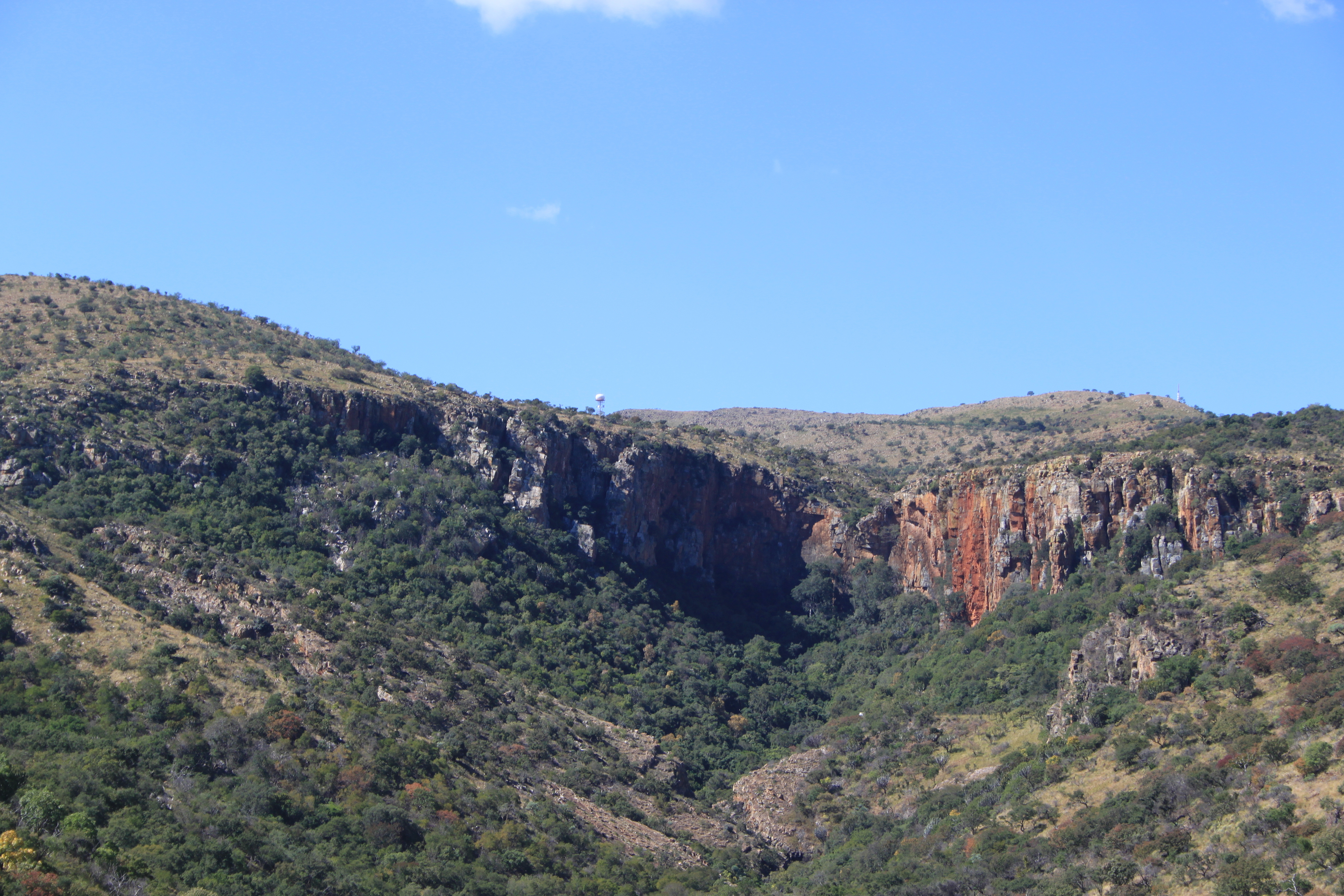
Makapansgat is a significant archaeological and palaeontological site located in the Makapansgat Valley, South Africa. Known for its rich deposits of Australopithecus fossils, the site provides critical insights into early hominin life, dating back to approximately 3 million years ago. Among its remarkable attributes are the limeworks that yielded thousands of fossilized remains, and the Cave of Hearths, which documents a continuous human occupation from the Early Stone Age through the Iron Age. The site is unique for its stratified evidence of human activity, including ancient hearths and terraces, and it marks a notable historical event in the 19th century involving the Boer siege of Chief Makapan. As part of the Cradle of Humankind, Makapansgat is vital for understanding human evolution and prehistoric culture in Africa.
Gallery
Explore photographs of ancient structures, artifacts, and archaeological excavations
Historical Timeline
Journey through time and discover key events in this site's history
Australopithecus Occupation
2.85 million years ago
Iron Age Occupation
550 CE
19th Century Conflict
1854 CE
Archaeological Features
Unique architectural and cultural elements found at this historical site
Industrial and Craft Structures
Agricultural and Land Use Features
Domestic and Habitation Structures
Environmental and Natural Features
Food Production and Processing Features
Plan Your Visit
Tours, travel arrangements, and practical information
More Sites in South Africa
Stilbaai Tidal Fish Traps
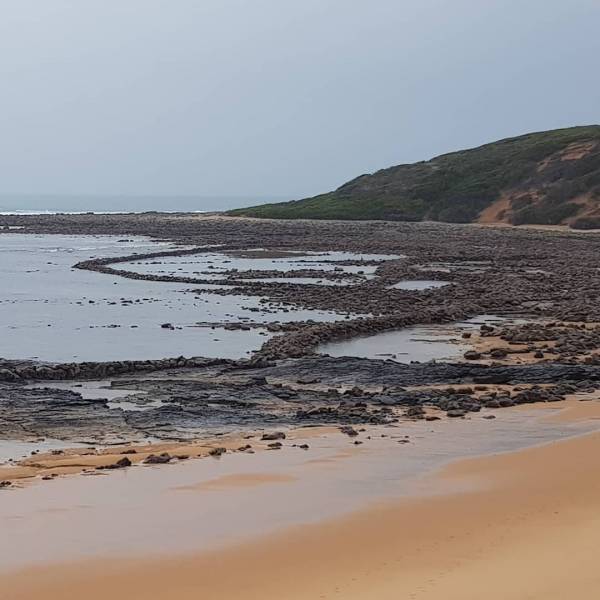
Ancient intertidal stonewall fish traps
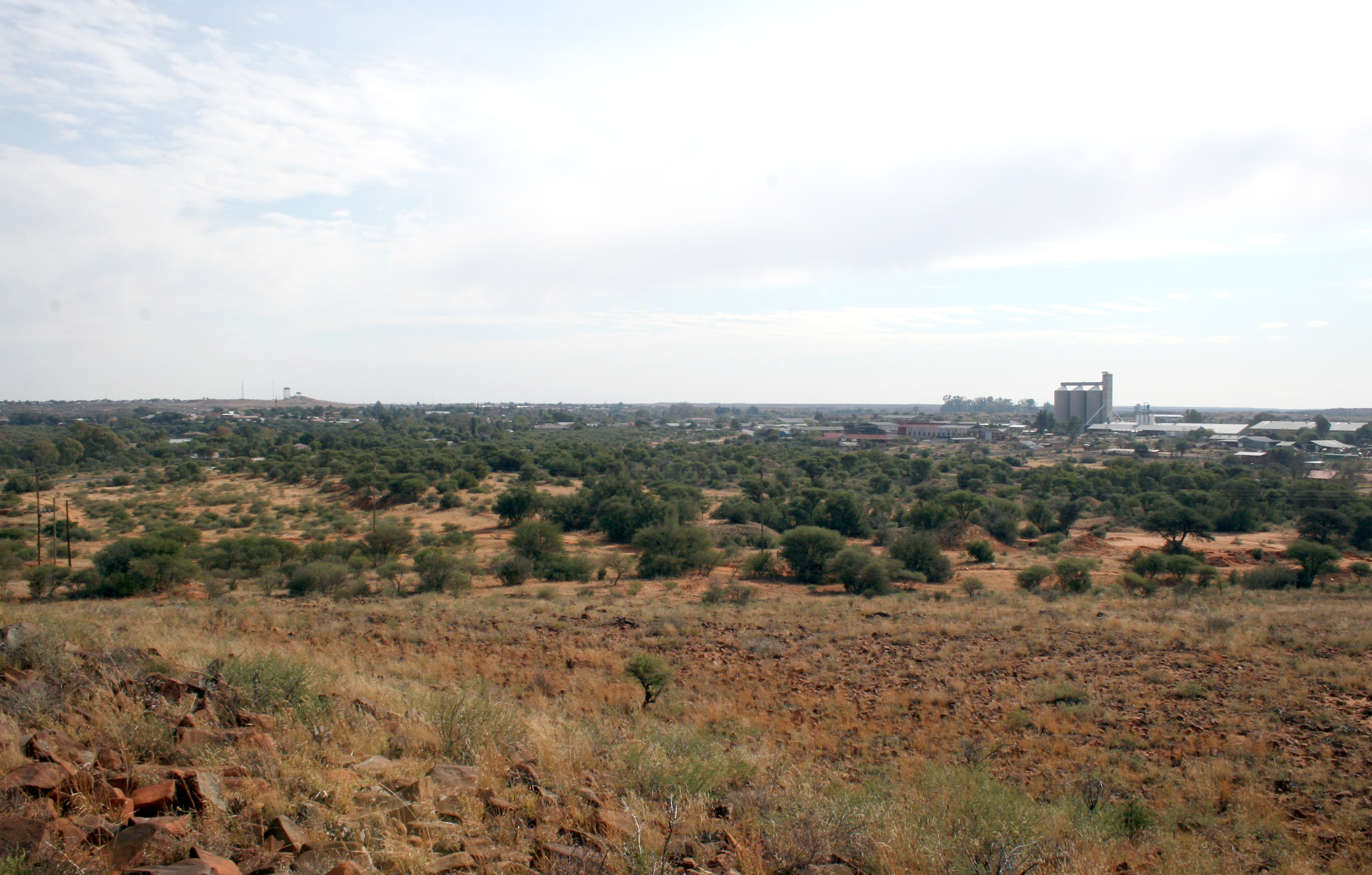
Canteen Kopje
Rich Stone Age archaeological sequence in South Africa

Border Cave
Rock shelter with long prehistoric sequence.
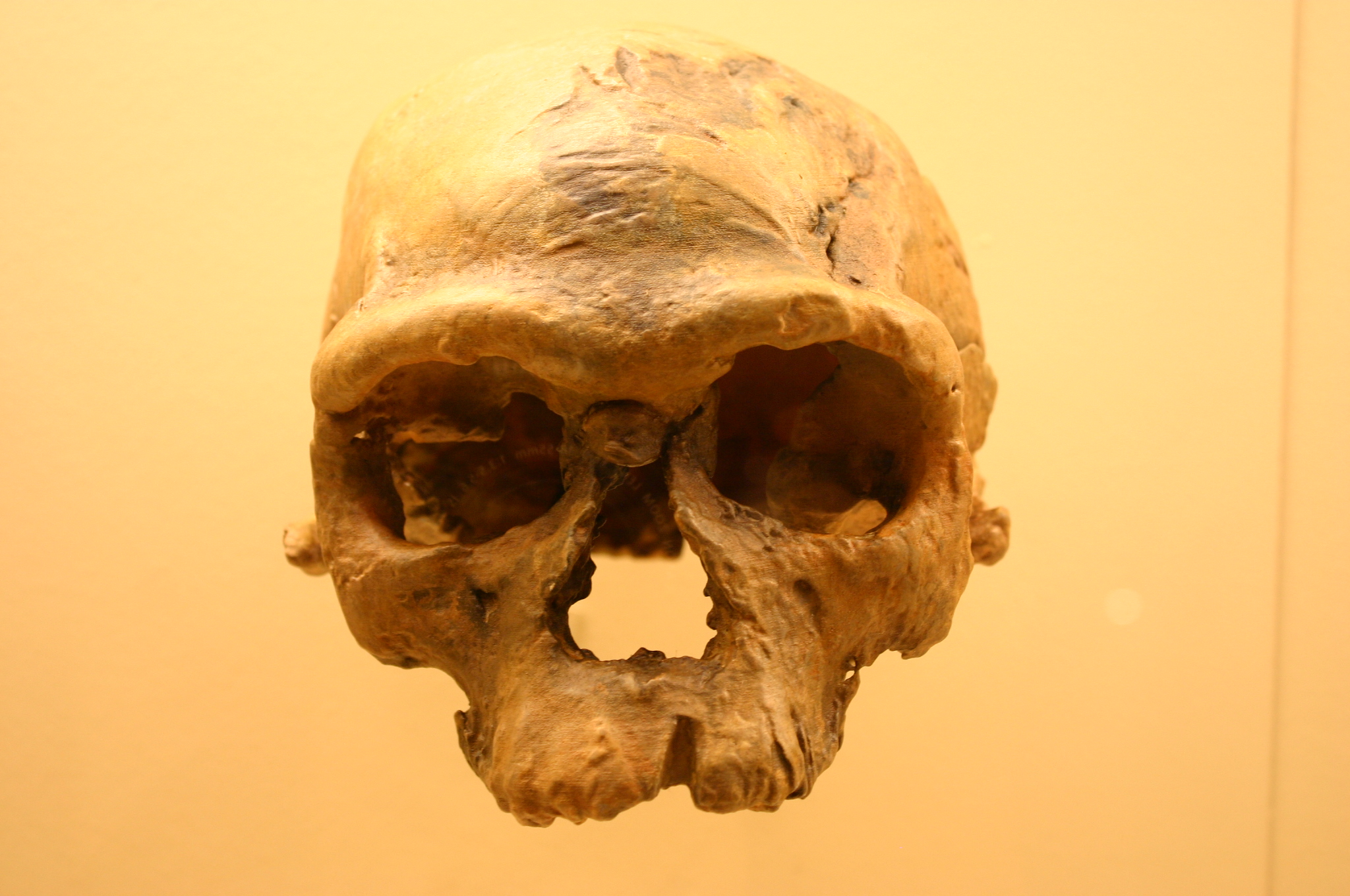
Byneskranskop
Archaeological site with Neolithic human remains
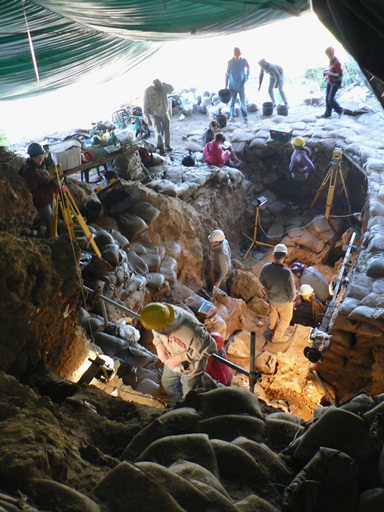
Pinnacle Point
Middle Stone Age caves with symbolic behavior evidence
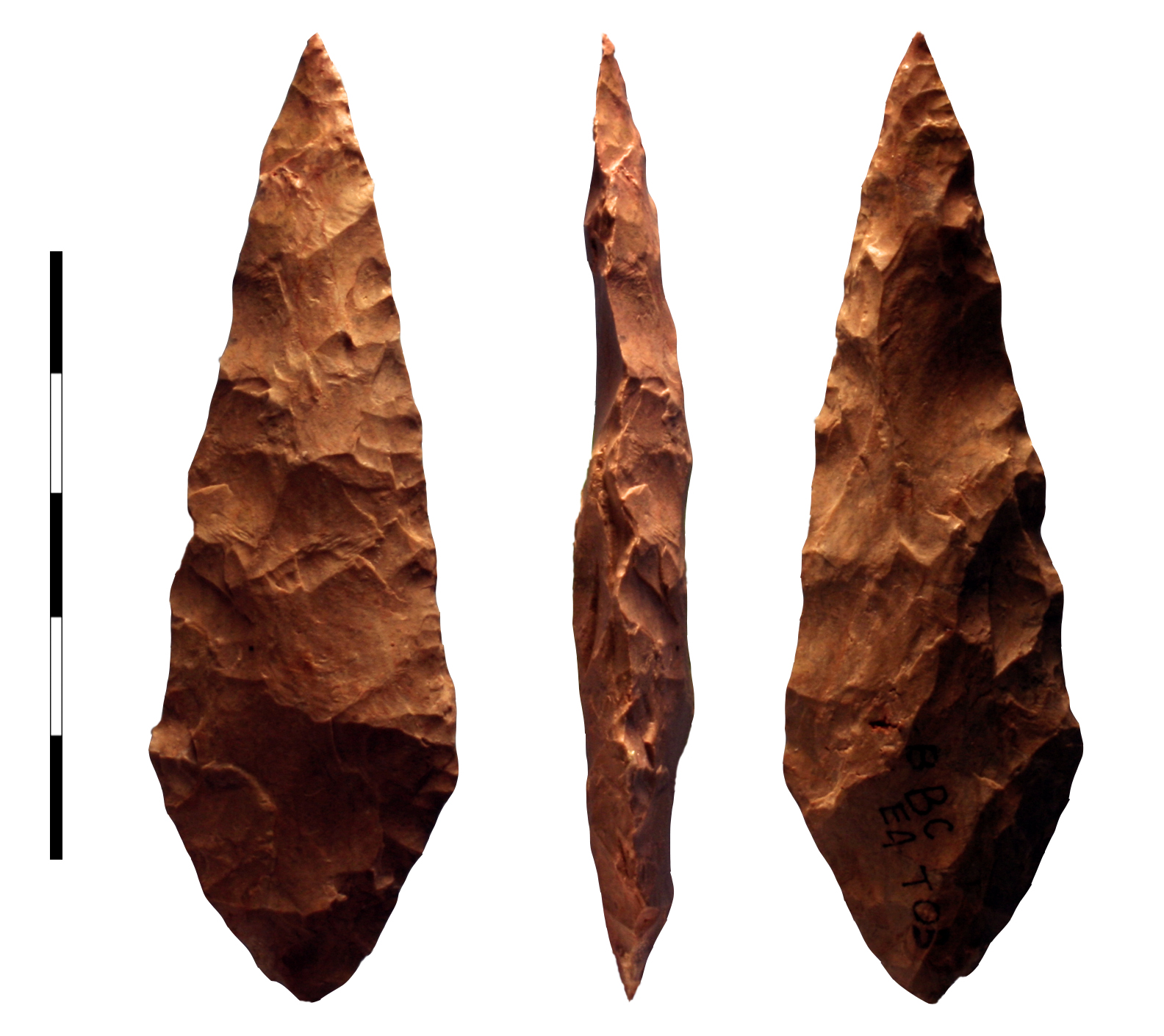
Stadsaal Caves
Sandstone caves with San rock art.