
Explore the Map
Border Cave
-27.0249° N, 31.9889° E
About
Border Cave, located in the western Lebombo Mountains of Kwazulu-Natal, is an archaeological rock shelter known for its extensive prehistoric sequence. The site spans from the Middle Stone Age to the Iron Age, making it one of the longest archaeological records in southern Africa. Key findings include human remains, lithic tools, bone implements, and botanical residues such as ancient grass bedding. These artifacts provide insights into prehistoric hunter-gatherer behavior and the Middle to Later Stone Age transition. Border Cave is pivotal in debates surrounding the origins and evolution of modern humans and cultural adaptations in southern Africa. The site’s rich stratigraphy and diverse assemblage contribute significantly to understanding the region's prehistoric past.
Gallery
Explore photographs of ancient structures, artifacts, and archaeological excavations

Historical Timeline
Journey through time and discover key events in this site's history
Transition to Later Stone Age
~44,000–42,000 years BP
Middle Stone Age occupation
~250,000 years BP
Iron Age burial
340 ± 45 years BP
Archaeological Features
Unique architectural and cultural elements found at this historical site
Burial and Funerary Structures
Domestic and Habitation Structures
Environmental and Natural Features
Plan Your Visit
Tours, travel arrangements, and practical information
More Sites in South Africa
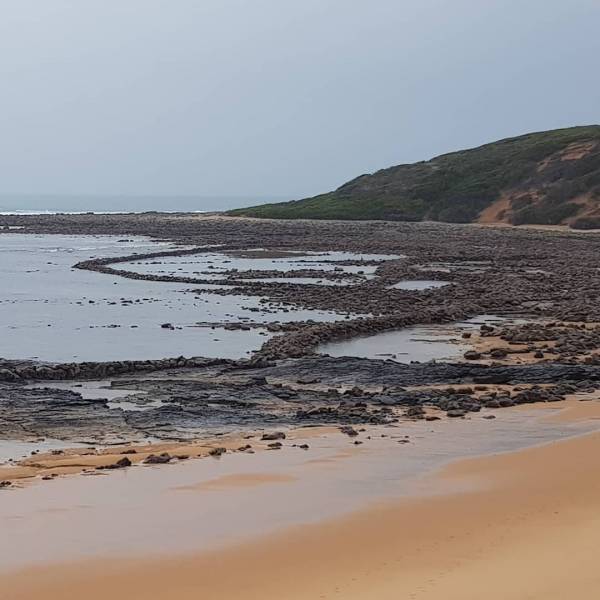
Stilbaai Tidal Fish Traps
Ancient intertidal stonewall fish traps
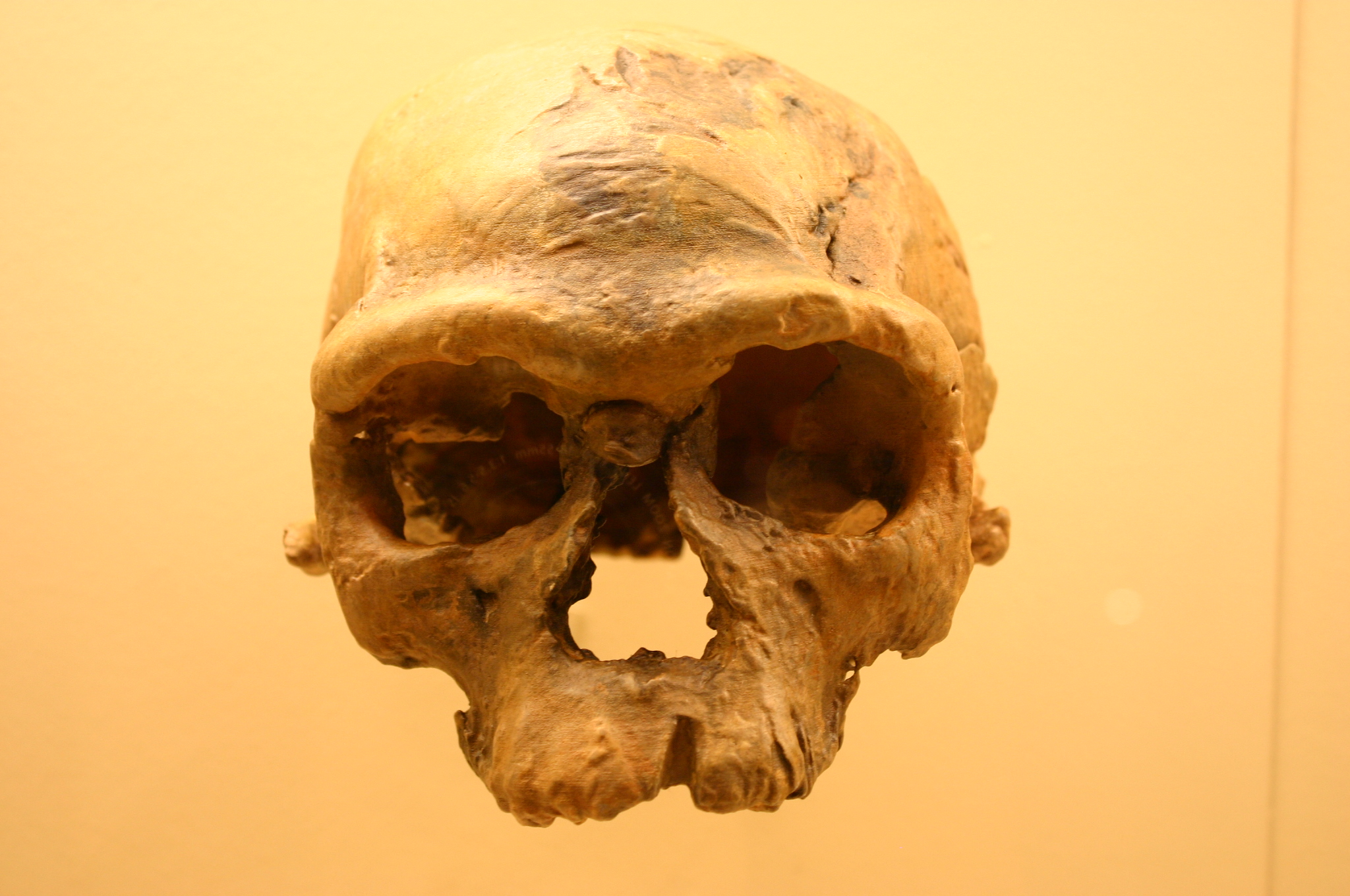
Byneskranskop
Archaeological site with Neolithic human remains
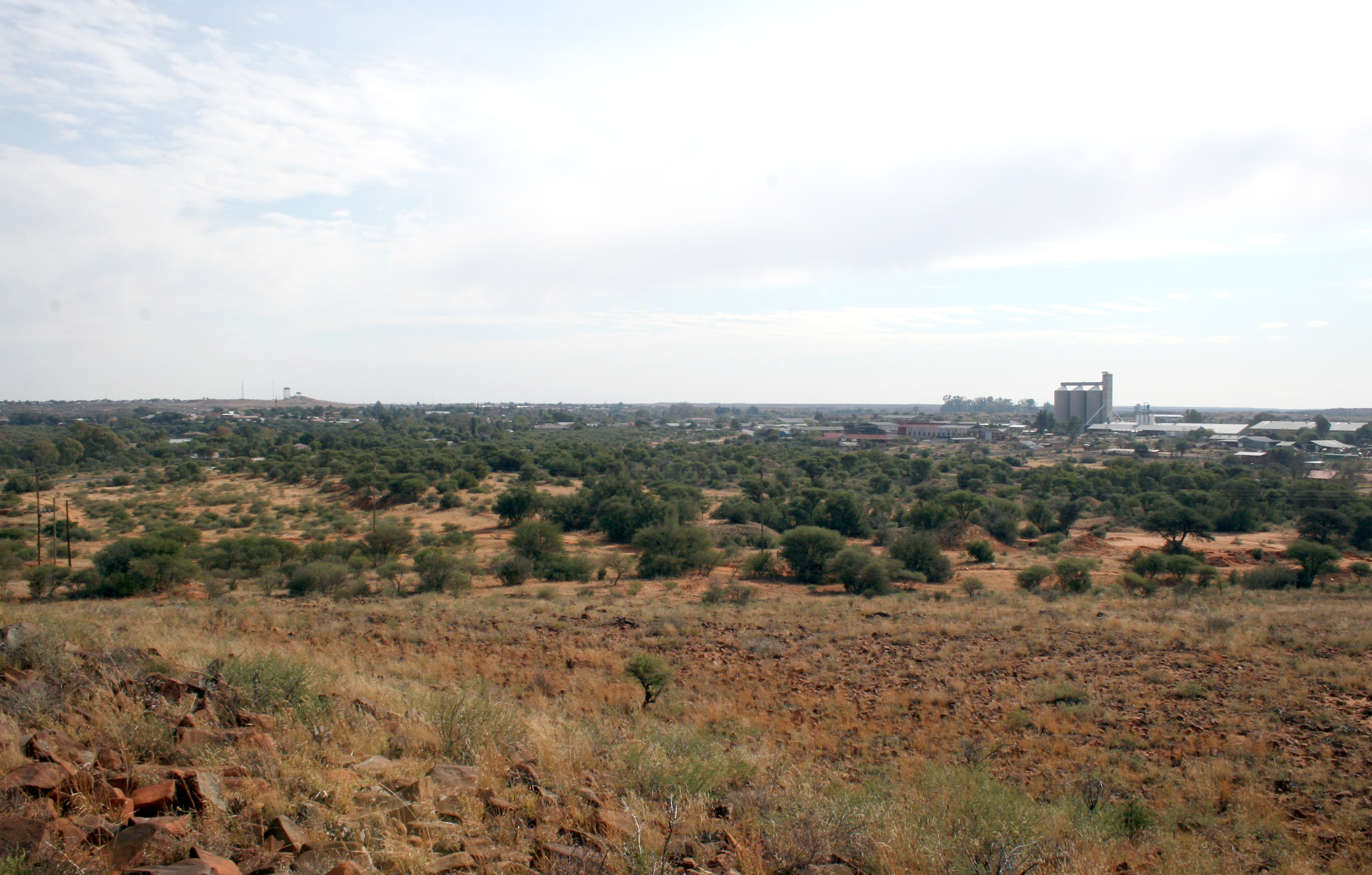
Canteen Kopje
Rich Stone Age archaeological sequence in South Africa
Wonderwerk Cave
Ancient cave with extensive archaeological deposits
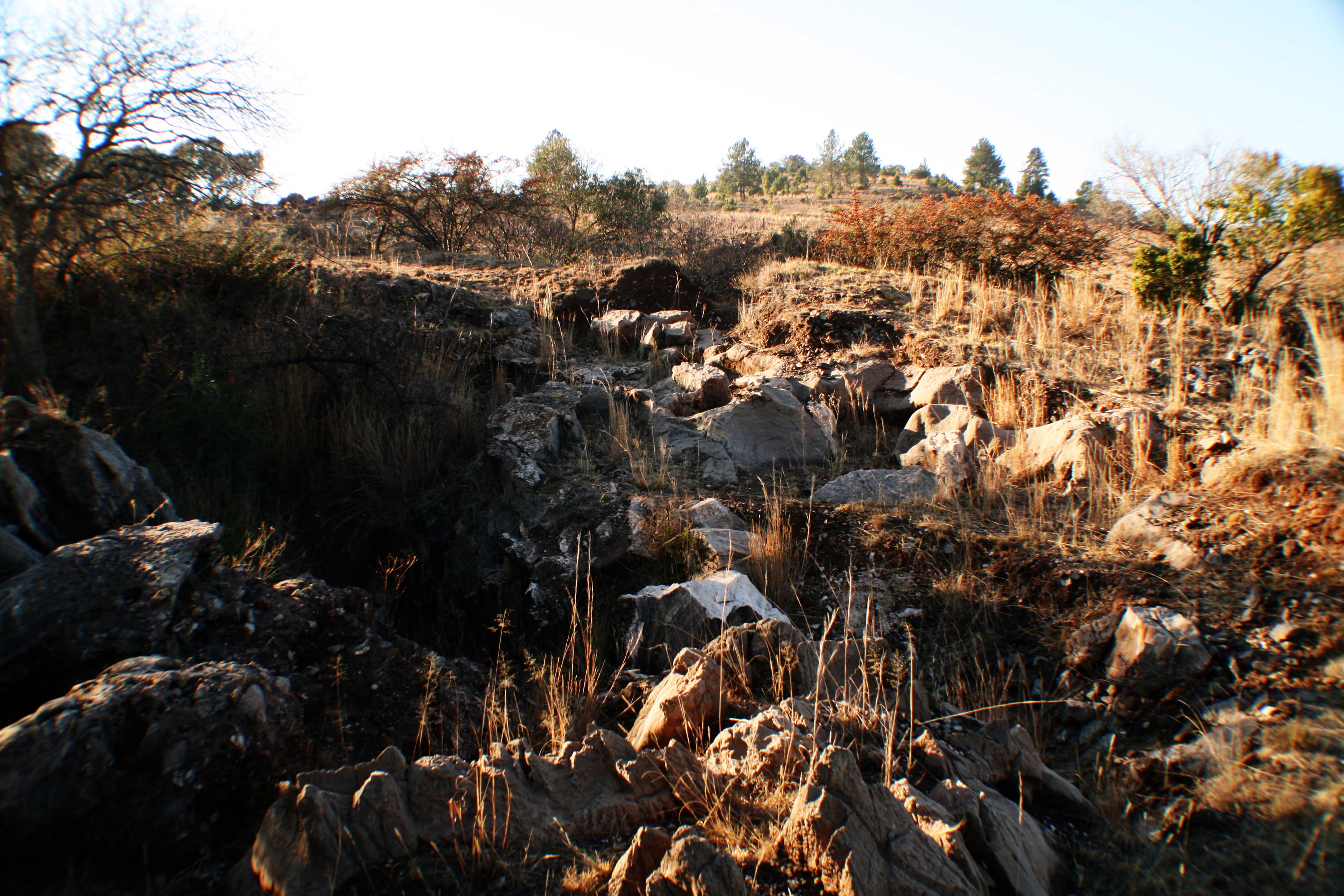
Cooper's Cave
Fossil-bearing breccia-filled dolomitic caves.
Boomplaas Cave
Stratified cave with ancient human occupation