

Explore the Map
Byneskranskop
-34.6103° N, 19.4375° E
About
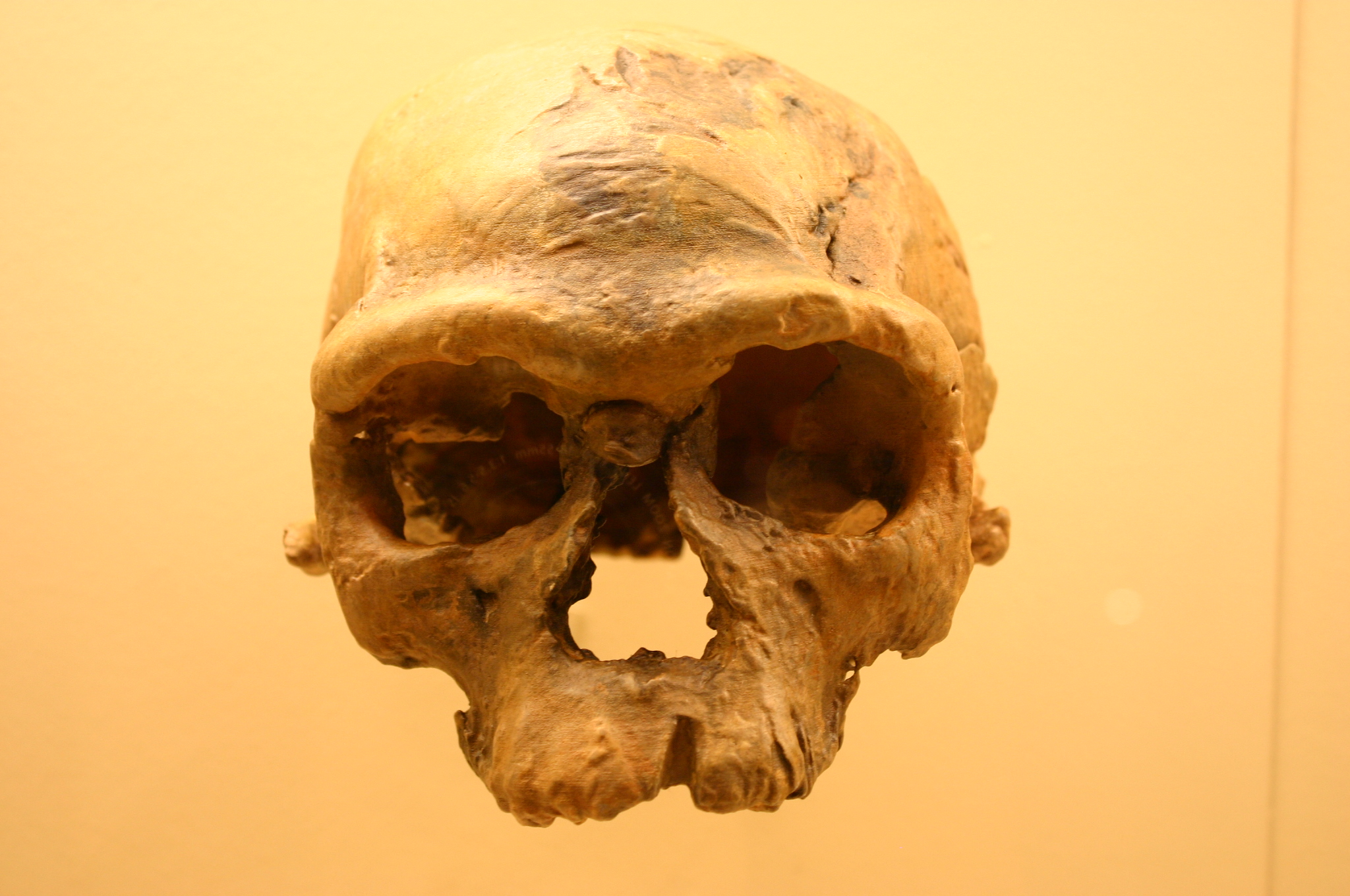
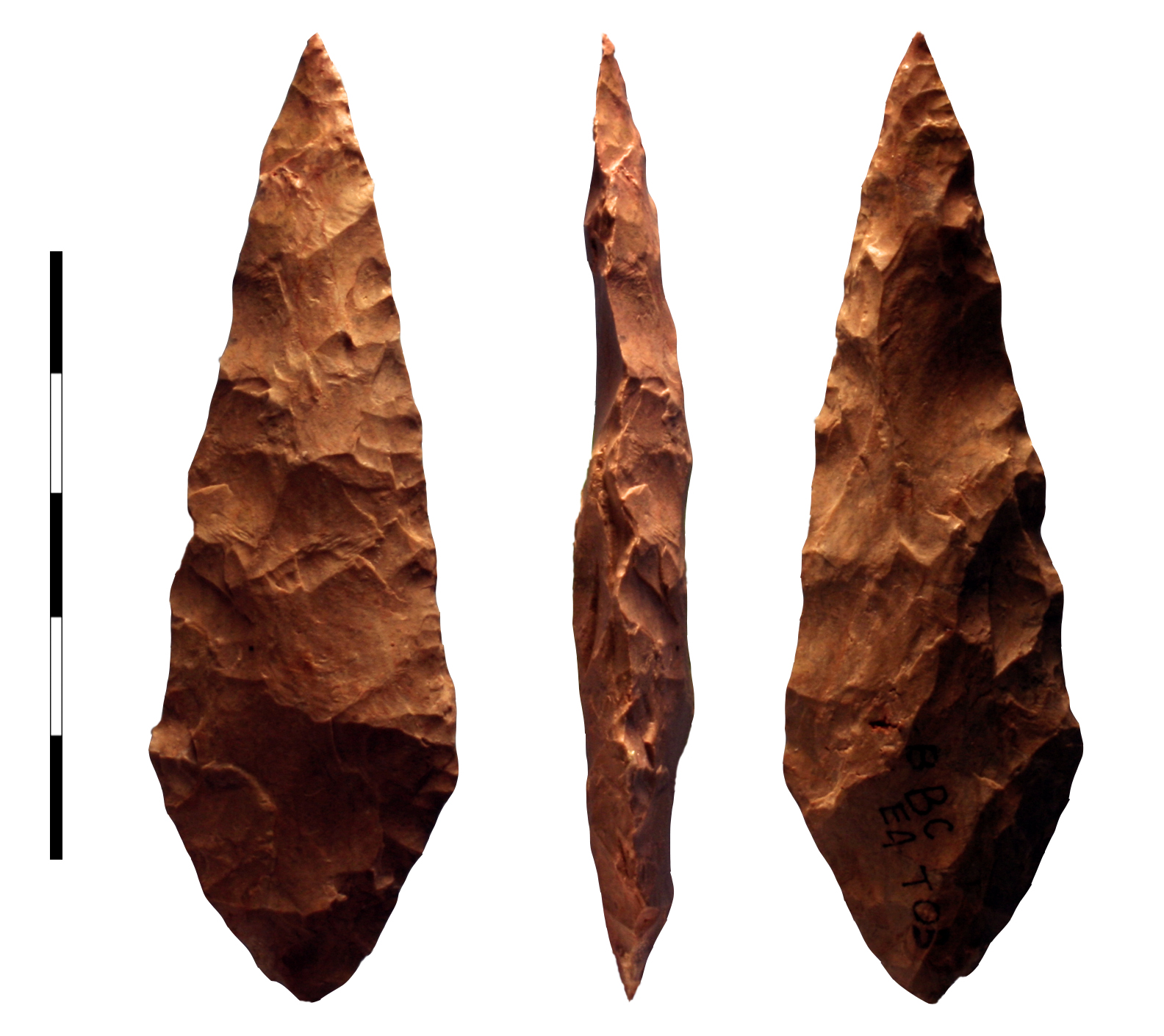
Byneskranskop is an archaeological site located in present-day South Africa, positioned where the coastal plain meets the southern Cape Fold Belt. This site is of significant archaeological interest due to the discovery of Neolithic human remains in its caves, dated between 3,000 and 2,000 BCE. It also revealed a substantial collection of 166,000 stone artefacts dating back to around 12,000 BCE. The presence of pottery sherds, dated to 250 BCE or later, indicates later periods of occupation or use. The correlation study between tortoise sizes and human population growth provides insights into the environmental impact of human activities. This site offers valuable evidence of early human activity and environmental interactions in the region.
Gallery
Explore photographs of ancient structures, artifacts, and archaeological excavations
Historical Timeline
Journey through time and discover key events in this site's history
Stone Artefact Production
12000 BCE
Neolithic Human Occupation
3000 BCE, 2000 BCE
Pottery Use
250 BCE
Archaeological Features
Unique architectural and cultural elements found at this historical site
Domestic and Habitation Structures
Environmental and Natural Features
Frequently Asked Questions
Plan Your Visit
Tours, travel arrangements, and practical information
More Sites in South Africa
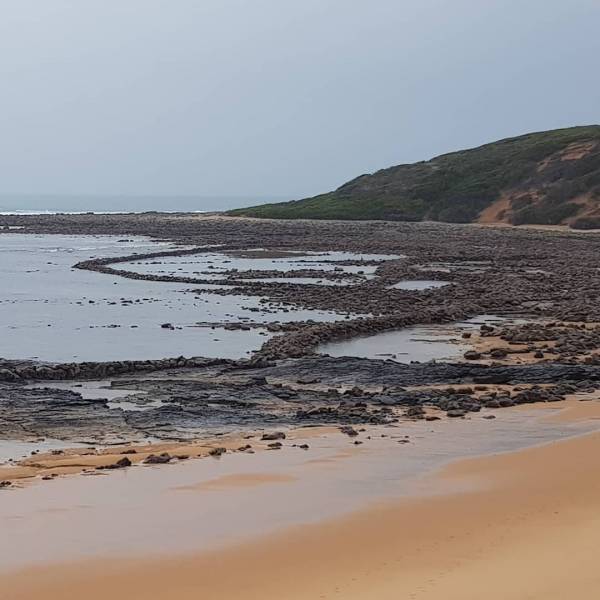
Stilbaai Tidal Fish Traps
Ancient intertidal stonewall fish traps
Mussel Point
Large shell midden with extensive deposits

Border Cave
Rock shelter with long prehistoric sequence.
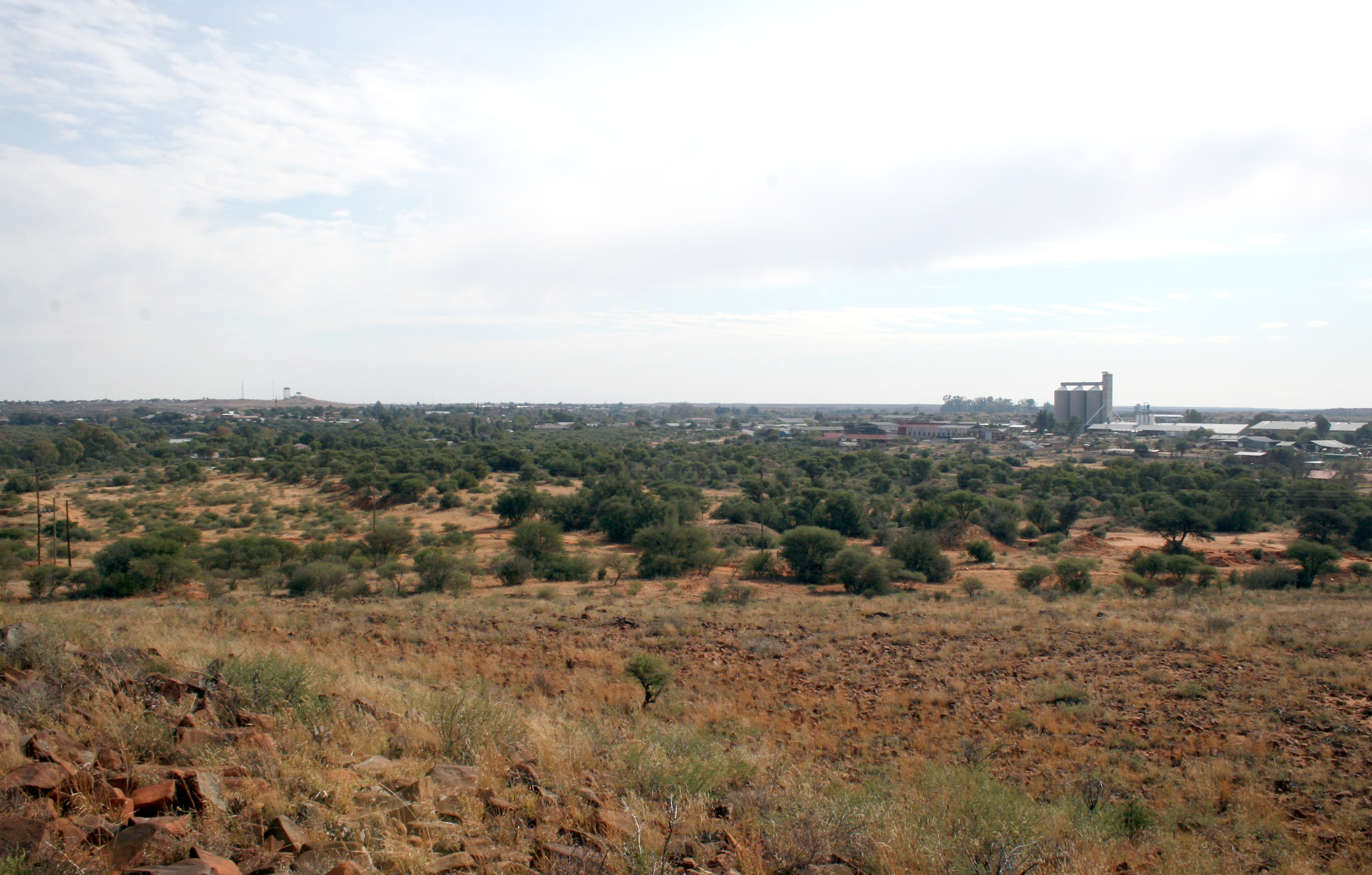
Canteen Kopje
Rich Stone Age archaeological sequence in South Africa
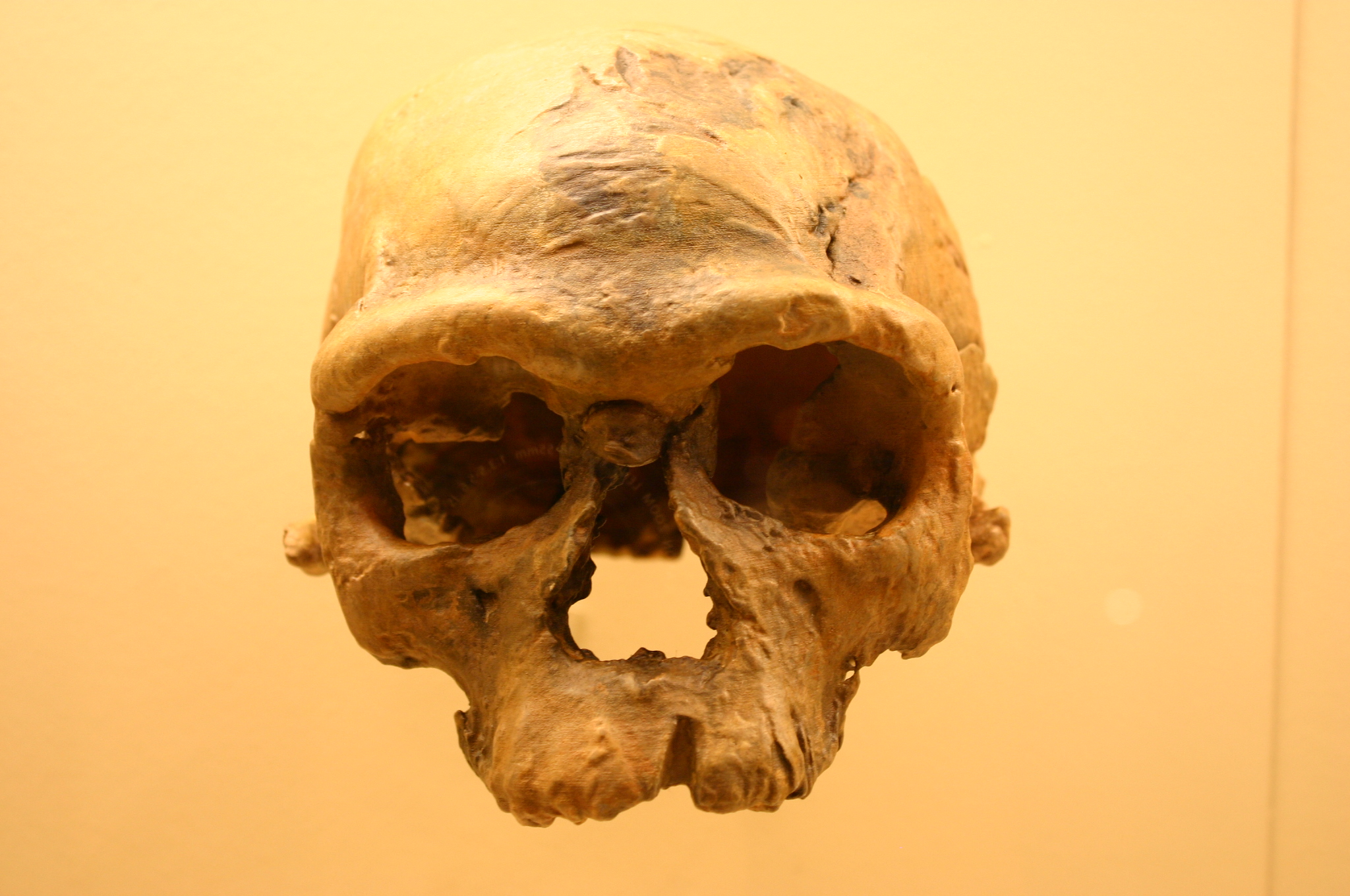
Sedan Beehive stone huts
Beehive-shaped prehistoric stone huts in Lindley.
Stadsaal Caves
Sandstone caves with San rock art.