Explore the Map
Bokoni
-25.4119° N, 30.3397° E
About
Bokoni is a significant archaeological site representing a pre-colonial, agro-pastoral society located in the Mpumalanga province of South Africa. The site is characterized by its unique stone-walled structures, including terraced fields, livestock enclosures, and extensive road networks. These features highlight the advanced agricultural practices and settlement organization of the Koni people. Bokoni served as a center for specialized farming and long-distance trade from the 16th to the early 19th centuries CE. The society experienced various phases of occupation, expansion, and conflict, particularly with the neighboring Pedi people. Despite the decline and scattering of its inhabitants in the 19th century, Bokoni remains a vital part of southern Africa's cultural and historical landscape.
Historical Timeline
Journey through time and discover key events in this site's history
Early Settlement Phase
1500 CE
Expansion and Conflict Phase
1740 CE
Third Phase: Conflict with Pedi
1780 CE
Decline and Scattering
1825 CE
Archaeological Features
Unique architectural and cultural elements found at this historical site
Defensive Structures
Animal Husbandry Features
Artistic and Decorative Features
Agricultural and Land Use Features
Domestic and Habitation Structures
Transportation and Communication Structures
Frequently Asked Questions
Plan Your Visit
Tours, travel arrangements, and practical information
More Sites in South Africa
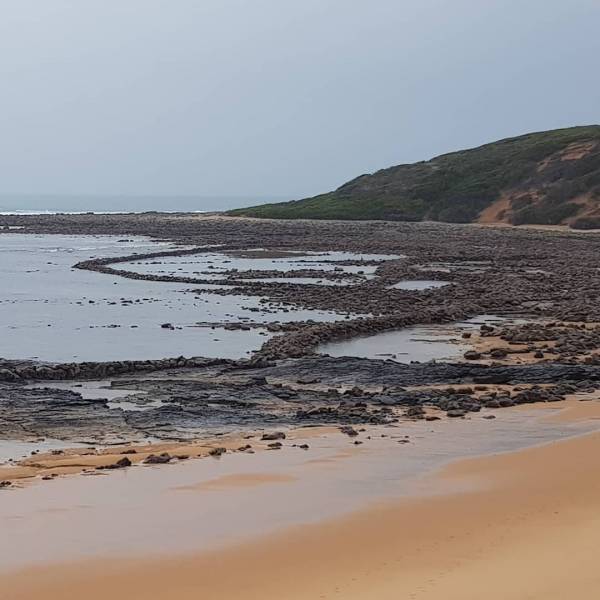
Stilbaai Tidal Fish Traps
Ancient intertidal stonewall fish traps
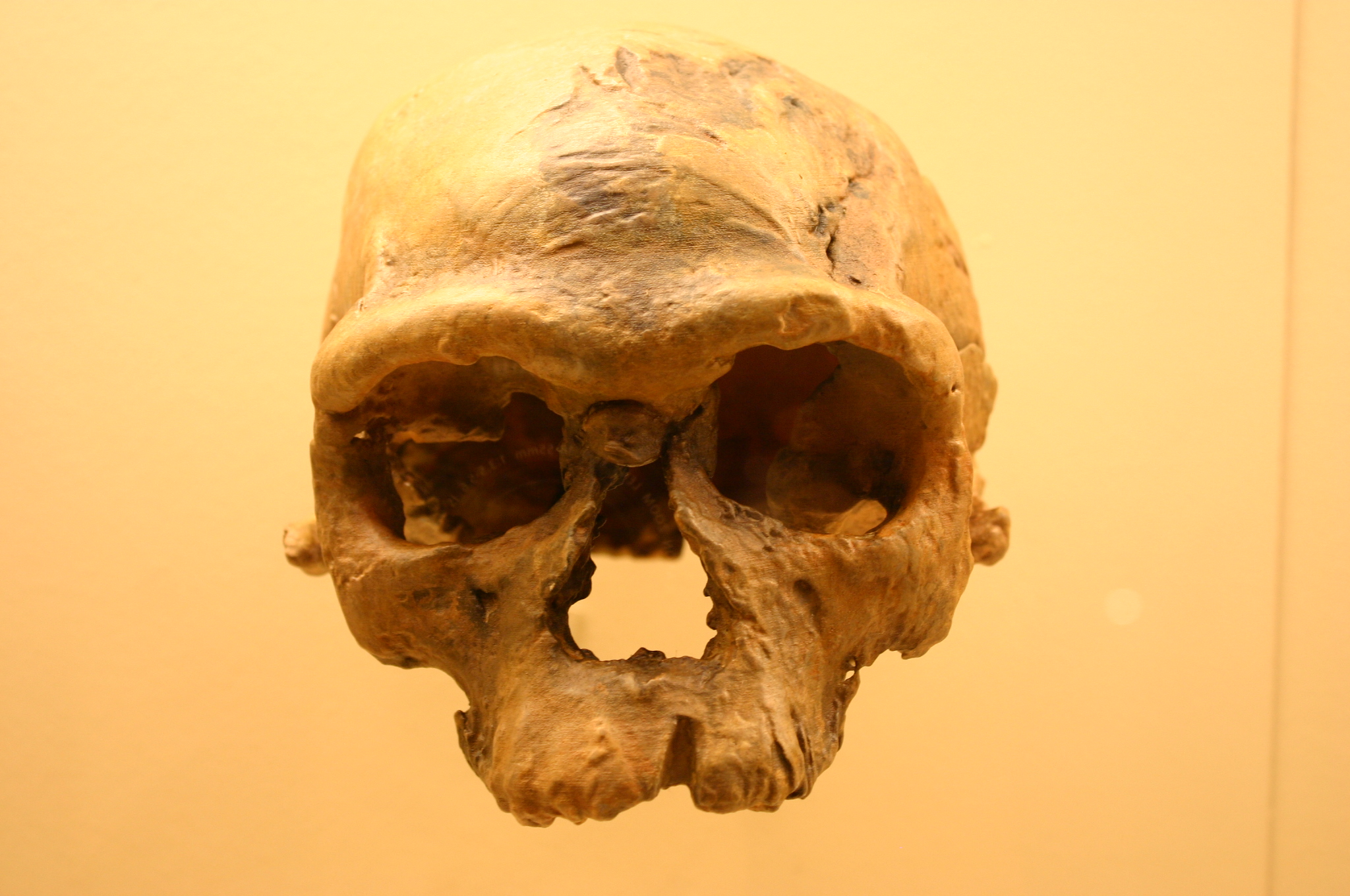
Tlokwe Ruins
Remains of Sotho-Tswana settlements in Gauteng
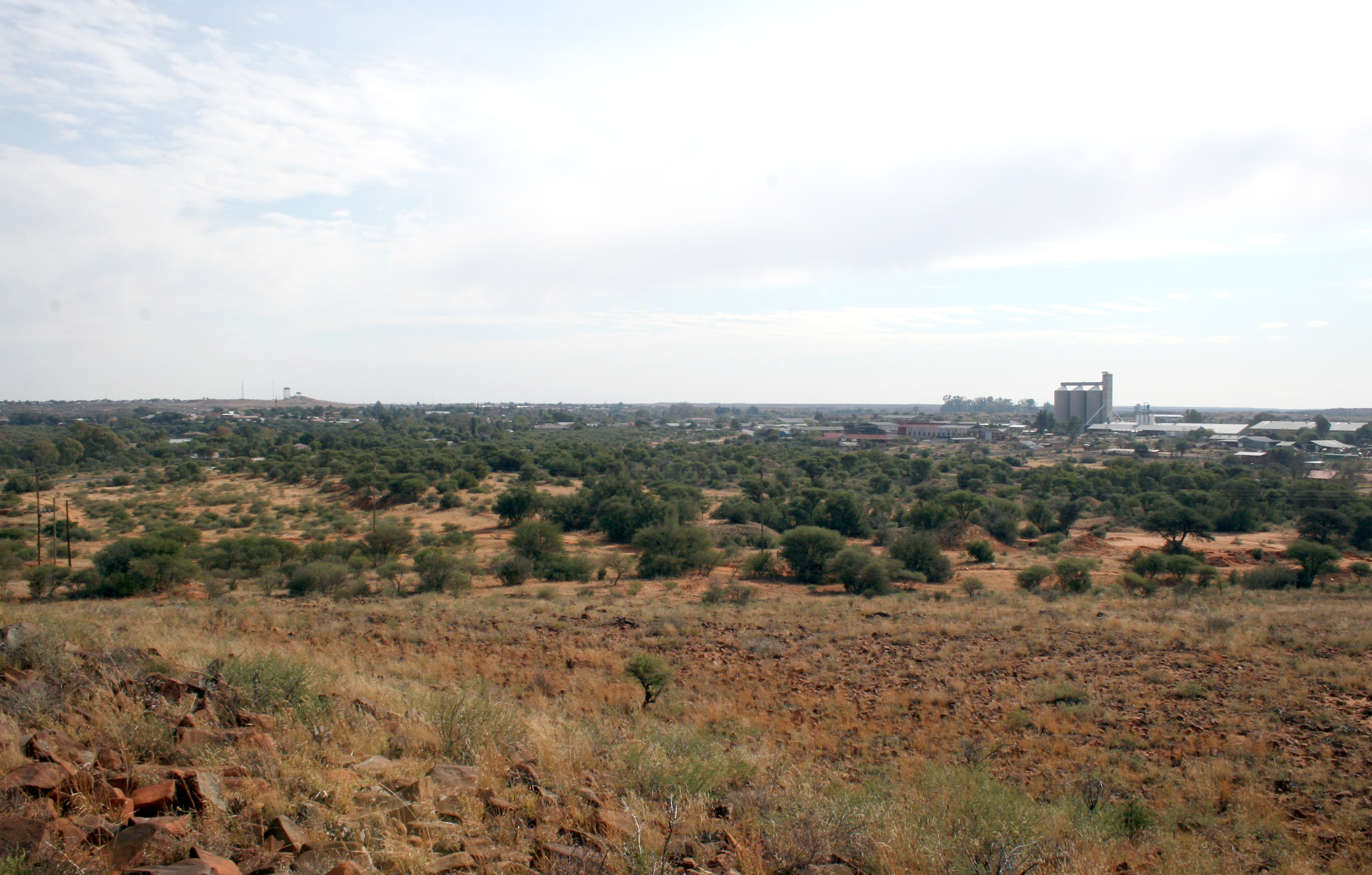
Canteen Kopje
Rich Stone Age archaeological sequence in South Africa
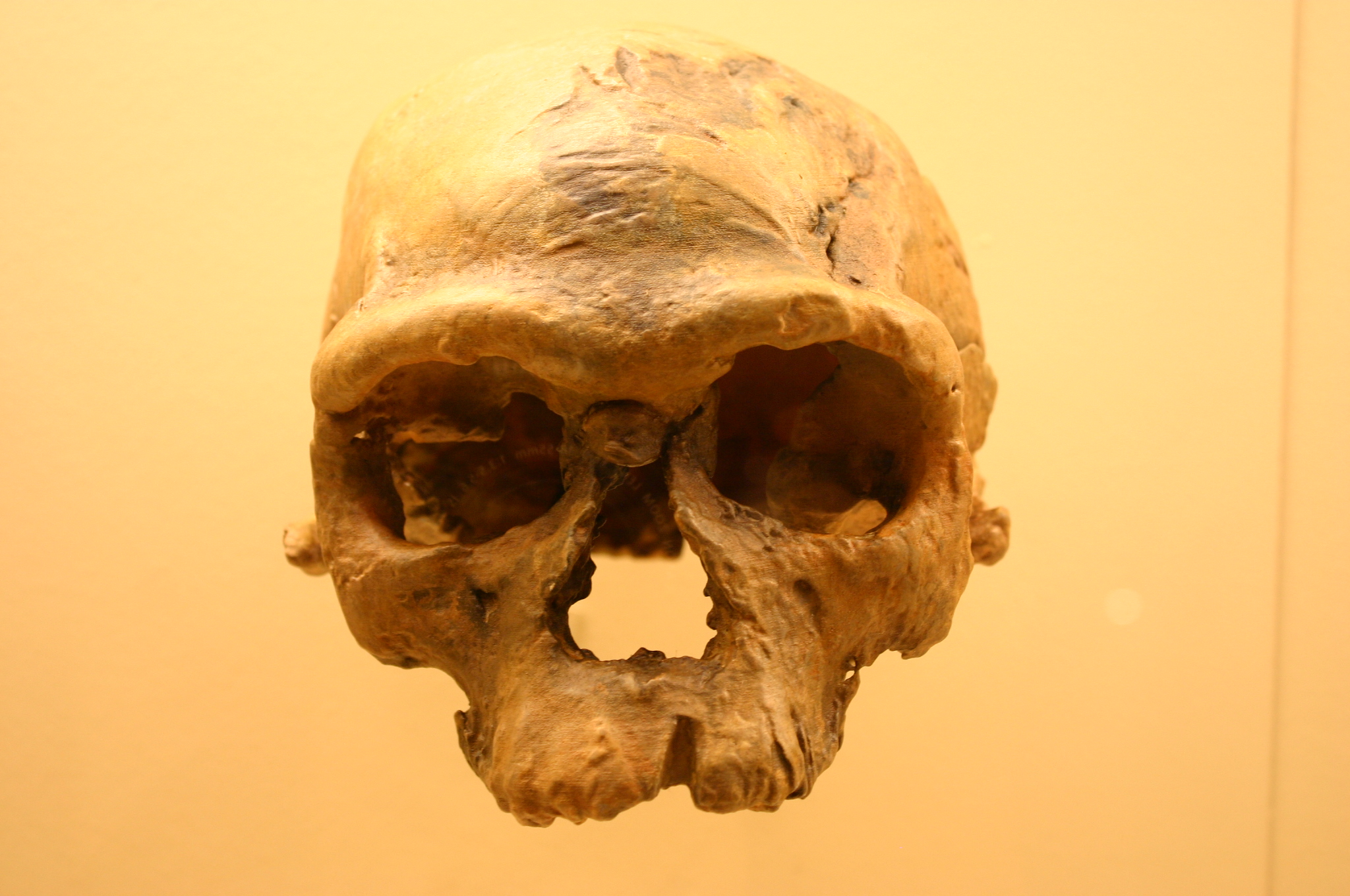
Byneskranskop
Archaeological site with Neolithic human remains
Stadsaal Caves
Sandstone caves with San rock art.
Wonderwerk Cave
Ancient cave with extensive archaeological deposits