Time Periods
Paleolithic
Mesolithic
Neolithic
Chalcolithic
Bronze Age
Iron Age
Classical Period
Post-Classical Period
Early Modern Period
Industrial Period
Contemporary Period
Time Periods
Paleolithic
Mesolithic
Neolithic
Chalcolithic
Bronze Age
Iron Age
Classical Period
Post-Classical Period
Early Modern Period
Industrial Period
Contemporary Period
Location
About
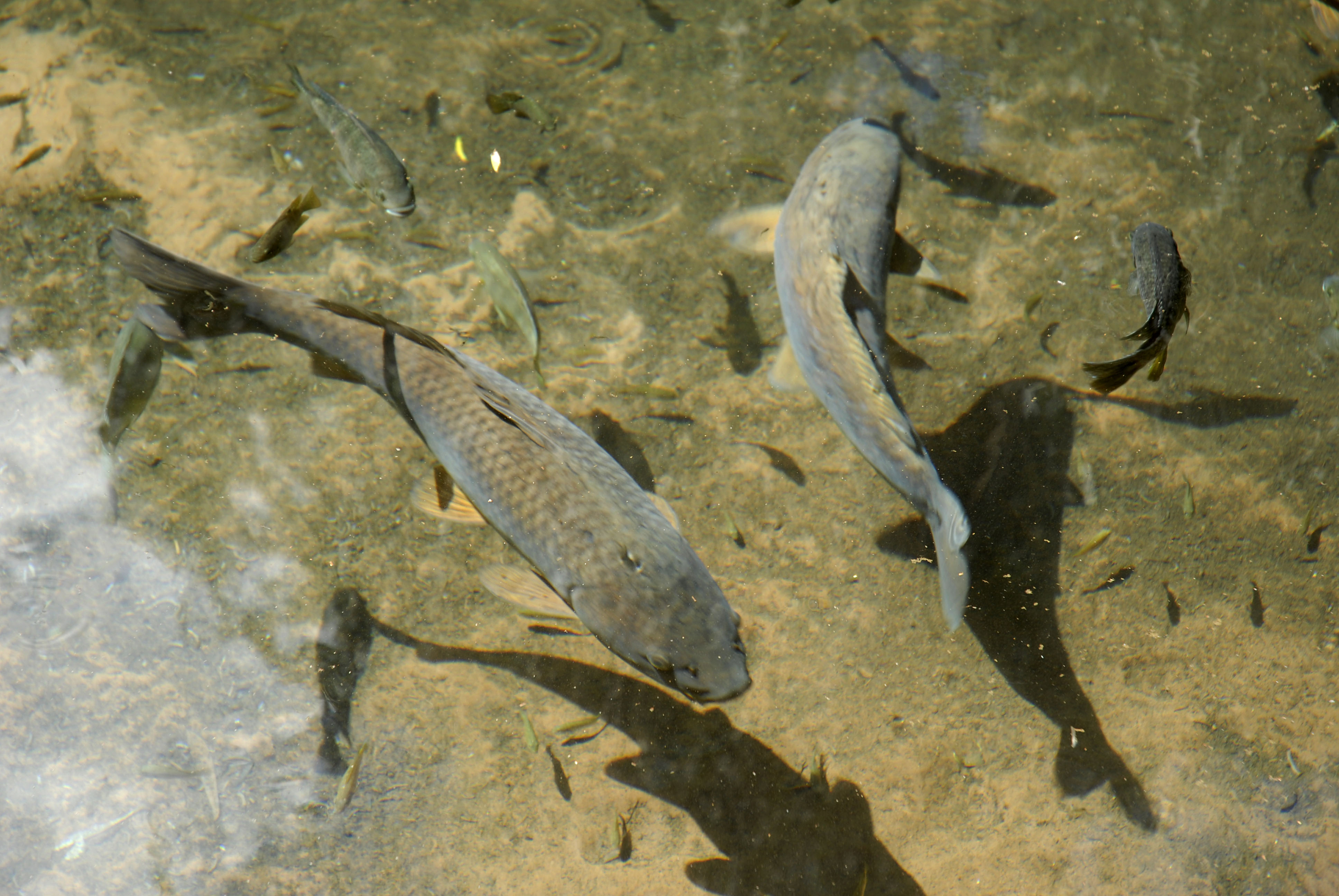
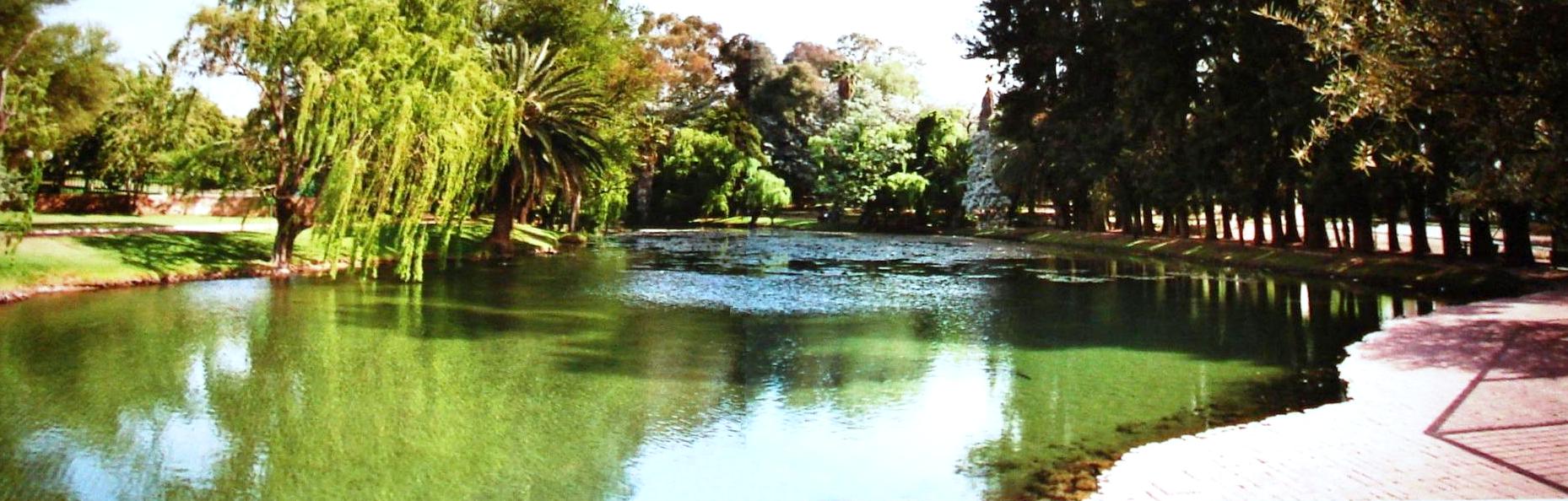
The Eye of Kuruman, located in the Northern Cape of South Africa, is a significant natural spring that serves as the largest in the Southern Hemisphere. Historically, this site has played a vital role in the region's water supply and has been a focal point of social and political changes. The spring contributes to the formation of a small lake and features a dolomite cave system, which has been documented since the 19th century. The site has witnessed various socio-political events, including British colonial claims in 1885, modern irrigation projects in the early 20th century, and the impacts of apartheid policies in 1962. In 1992, it was recognized as a Provincial Heritage Site, highlighting its cultural and historical importance.
Gallery
Explore photographs of ancient structures, artifacts, and archaeological excavations at Eye of Kuruman
Archaeological Features
Explore the unique architectural and cultural elements found at this historical site
Environmental and Natural Features
Historical Timeline
Journey through time and discover key events in this site's archaeological history
Plan Your Visit
Details
- Country
- South Africa
- Source
- Wikipedia
More Sites in South Africa
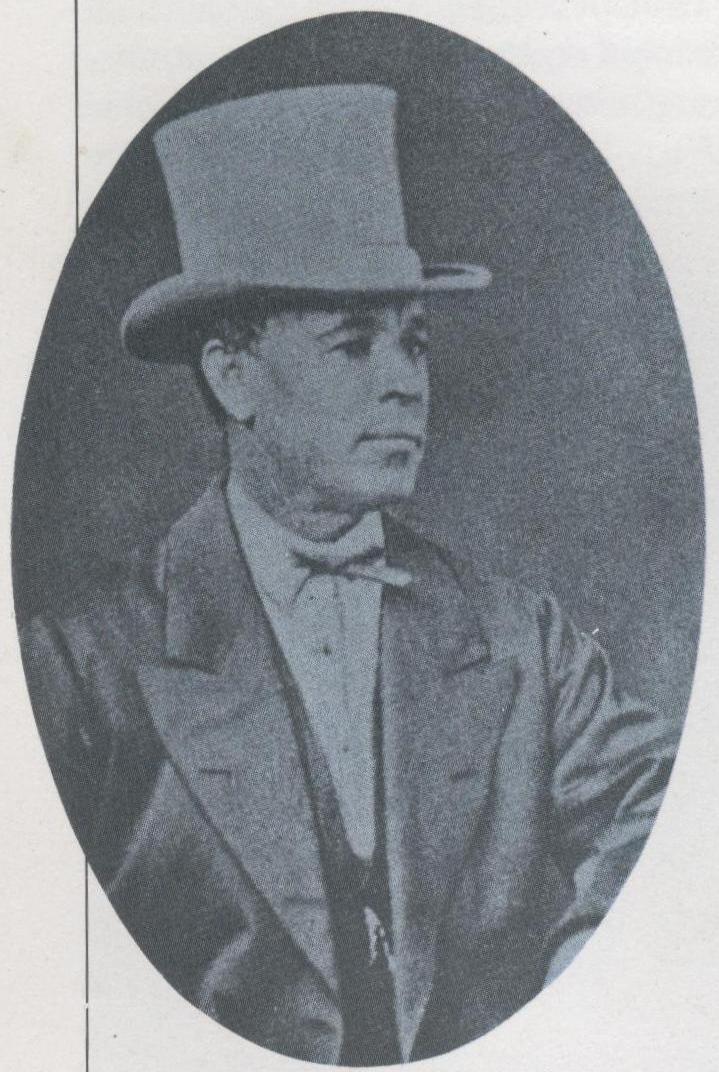
Nooitgedacht Glacial Pavements
Glacial pavements with Later Stone Age engravings
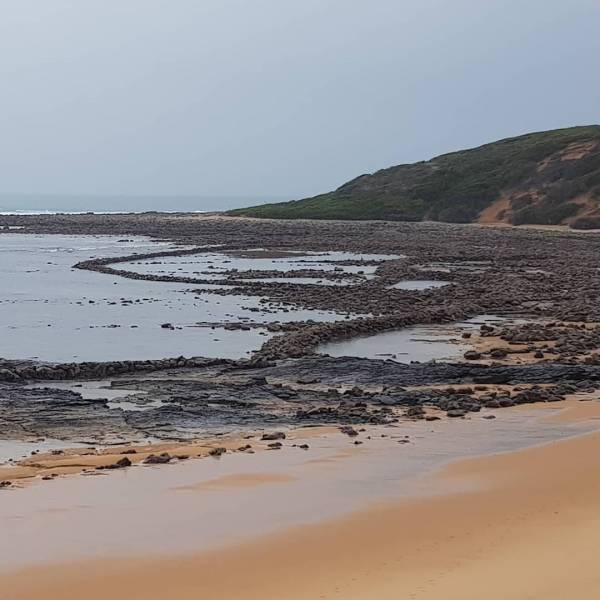
Stilbaai Tidal Fish Traps
Ancient intertidal stonewall fish traps
Schoemansdal, Limpopo
Voortrekker settlement with defensive structures
Canteen Kopje
Rich Stone Age archaeological sequence in South Africa
Northern Cape Heritage Resources Authority
Heritage site management in Northern Cape
Amafa aKwaZulu-Natali
Provincial heritage resources authority in South Africa.