Time Periods
Paleolithic
Mesolithic
Neolithic
Chalcolithic
Bronze Age
Iron Age
Classical Period
Post-Classical Period
Early Modern Period
Industrial Period
Contemporary Period
Time Periods
Paleolithic
Mesolithic
Neolithic
Chalcolithic
Bronze Age
Iron Age
Classical Period
Post-Classical Period
Early Modern Period
Industrial Period
Contemporary Period
Location
About
Amafa aKwaZulu-Natali, established in 1997, is a provincial heritage resources authority in KwaZulu-Natal, South Africa. It is responsible for managing and protecting the province's significant heritage sites, including approximately 300 provincial landmarks and heritage landmarks. As the oldest heritage resources authority in South Africa, Amafa oversees 'specially protected heritage resources', such as battlefields, public monuments, and graves of the Zulu royal family. These sites are significant for their cultural and historical importance, reflecting the rich heritage and history of the KwaZulu-Natal region. Amafa also manages museums and interpretive centers, contributing to the understanding and appreciation of the local heritage. The organization's establishment was necessitated by the 1996 Constitution of South Africa, which designated cultural matters as a shared competency between national and provincial governments.
Archaeological Features
Explore the unique architectural and cultural elements found at this historical site
Military Installations
Artistic and Decorative Features
Historical Timeline
Journey through time and discover key events in this site's archaeological history
Plan Your Visit
Details
- Country
- South Africa
- Source
- Wikipedia
More Sites in South Africa
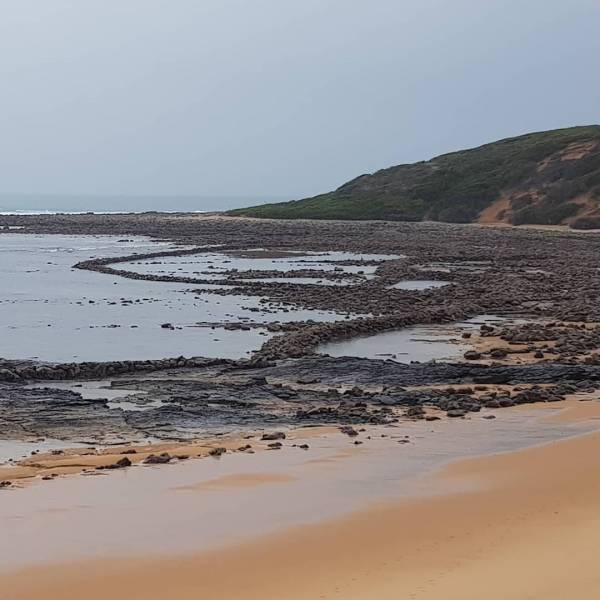
Stilbaai Tidal Fish Traps
Ancient intertidal stonewall fish traps
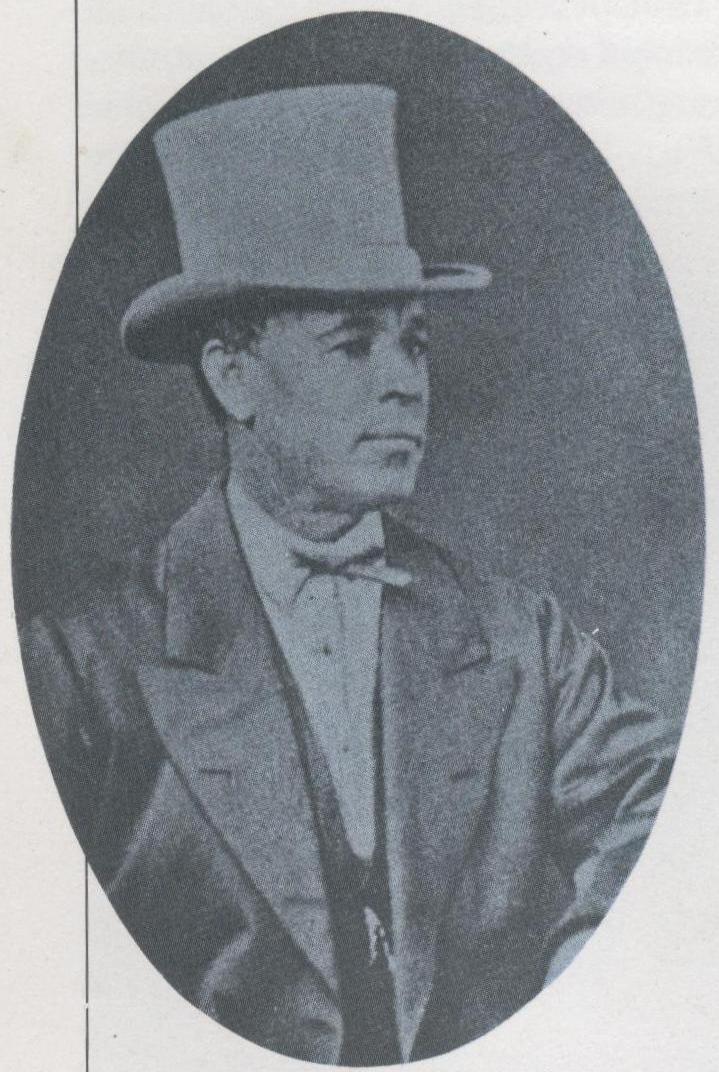
Northern Cape Heritage Resources Authority
Heritage site management in Northern Cape
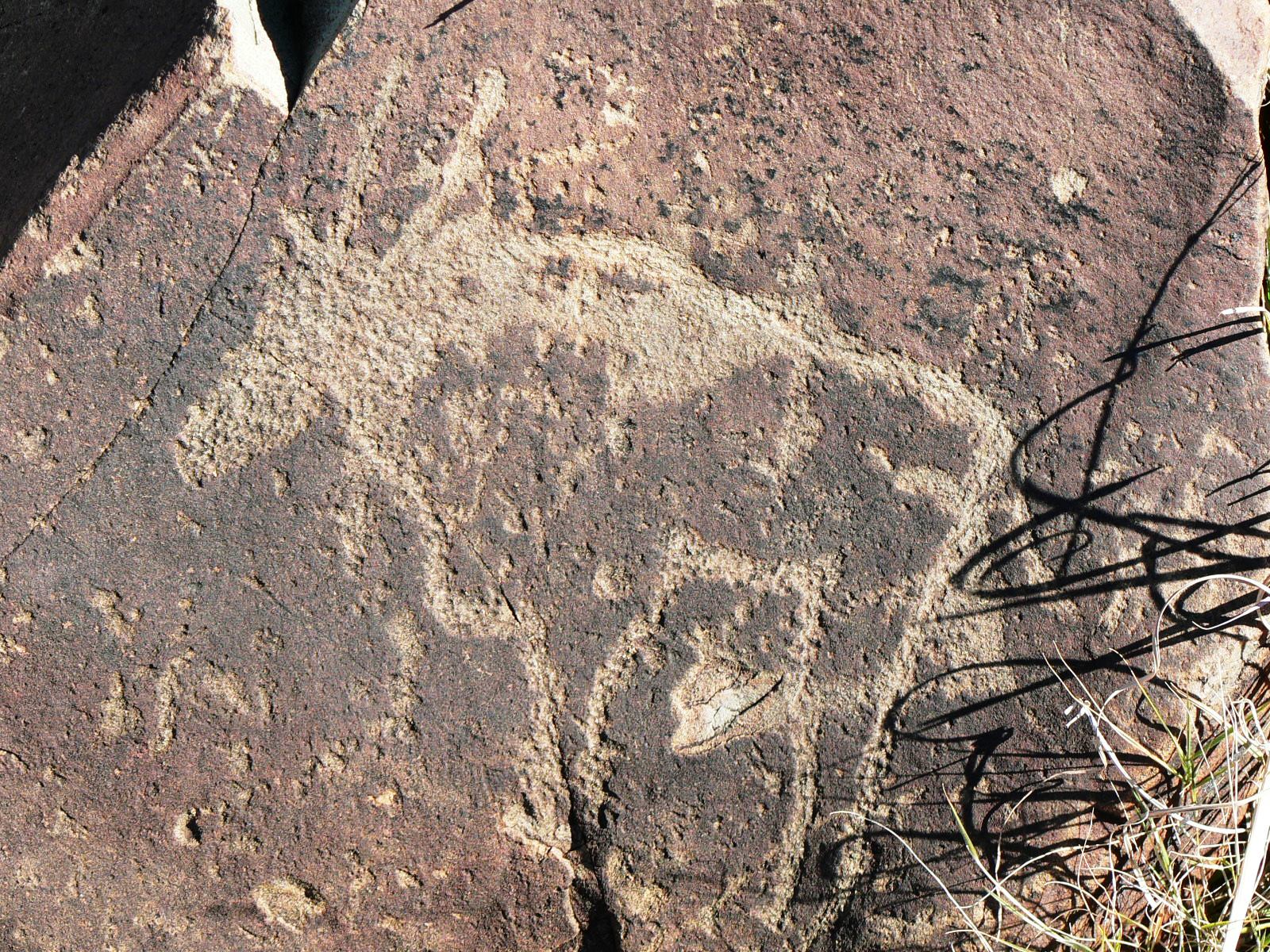
Nooitgedacht Glacial Pavements
Glacial pavements with Later Stone Age engravings
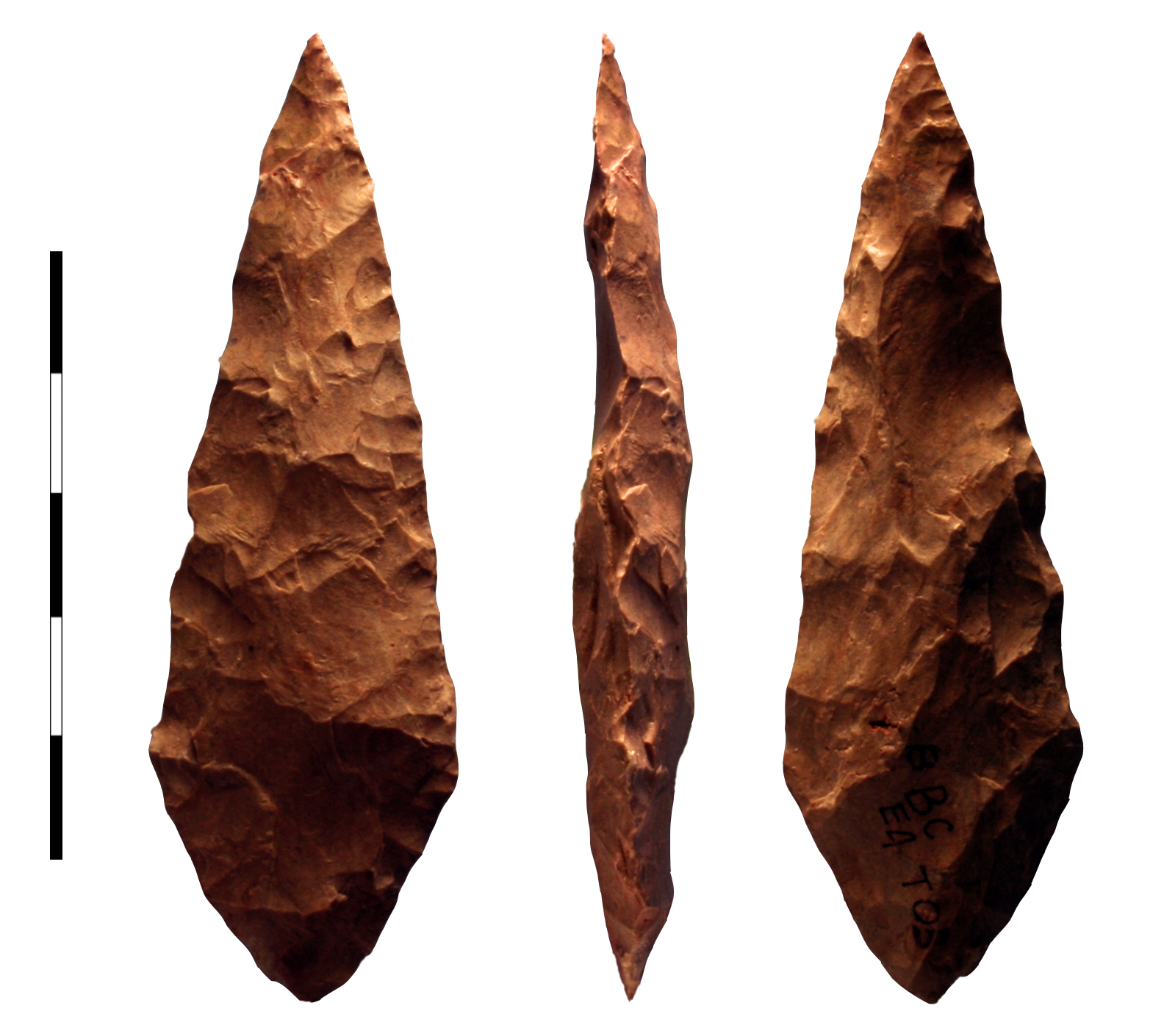
Stadsaal Caves
Sandstone caves with San rock art.
Eye of Kuruman
Natural spring with dolomite cave system
Bokoni
Stone-walled agro-pastoral society in South Africa.