
Explore the Map
Motsetsi
-25.9083° N, 27.8325° E
About
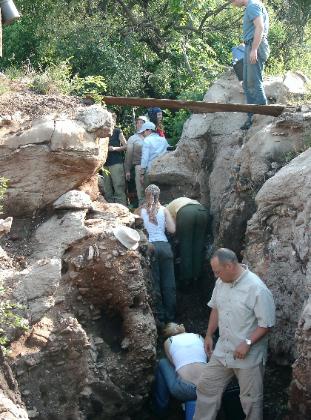
Motsetsi Cave, a significant fossil-bearing site in South Africa, features breccia-filled dolomitic caves that formed in a geological fault. Despite extensive excavations since its discovery in 1999, no hominid fossils have been found, but numerous well-preserved animal fossils, including Dinofelis, have been recovered. The site's deposits date back approximately 1.0 to 1.6 million years, placing it in the Lower Paleolithic period. This site contributes valuable information about early animal life in the region and helps to build a broader understanding of the prehistoric ecosystems. As a declared South African National Heritage Site, it holds considerable archaeological significance for studying the ancient past.
Gallery
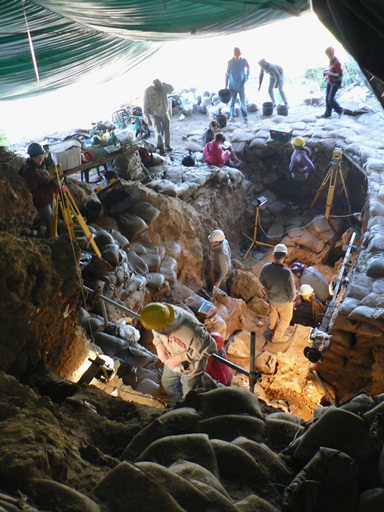
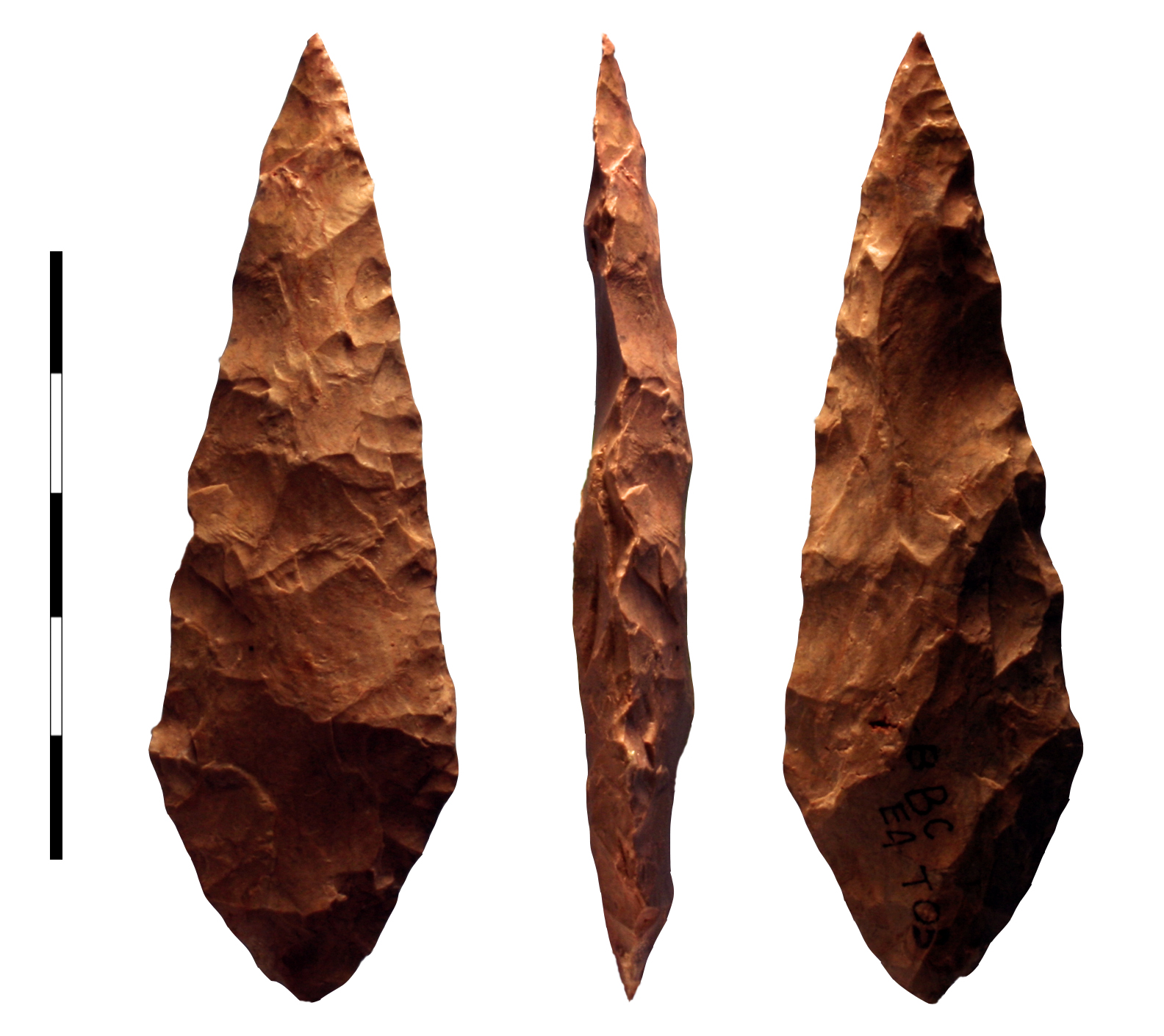
Explore photographs of ancient structures, artifacts, and archaeological excavations
Historical Timeline
Journey through time and discover key events in this site's history
Formation of Motsetsi deposits
1,600,000 BCE
Archaeological Features
Unique architectural and cultural elements found at this historical site
Domestic and Habitation Structures
Environmental and Natural Features
Plan Your Visit
Tours, travel arrangements, and practical information
More Sites in South Africa

Border Cave
Rock shelter with long prehistoric sequence.
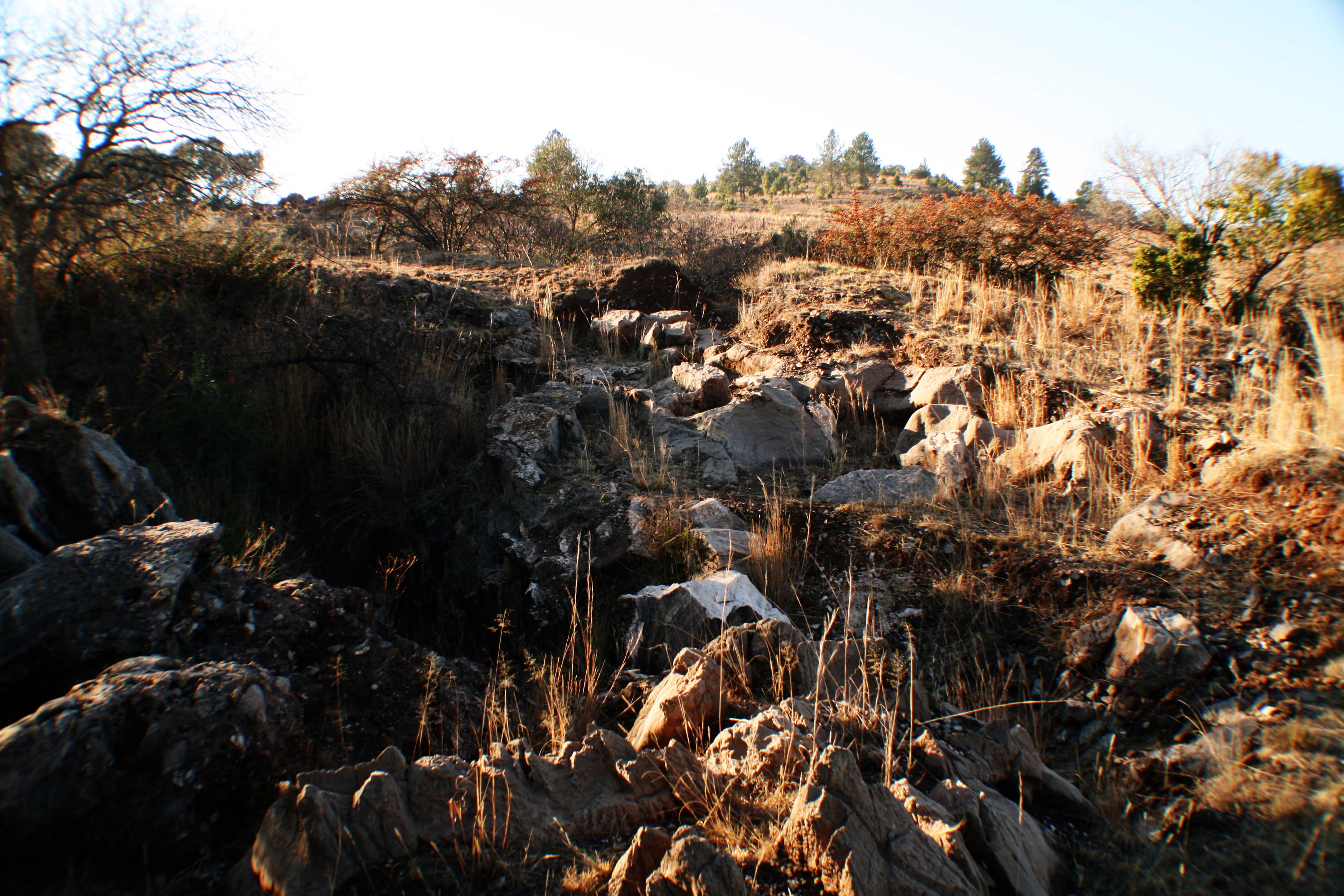
Cooper's Cave
Fossil-bearing breccia-filled dolomitic caves.
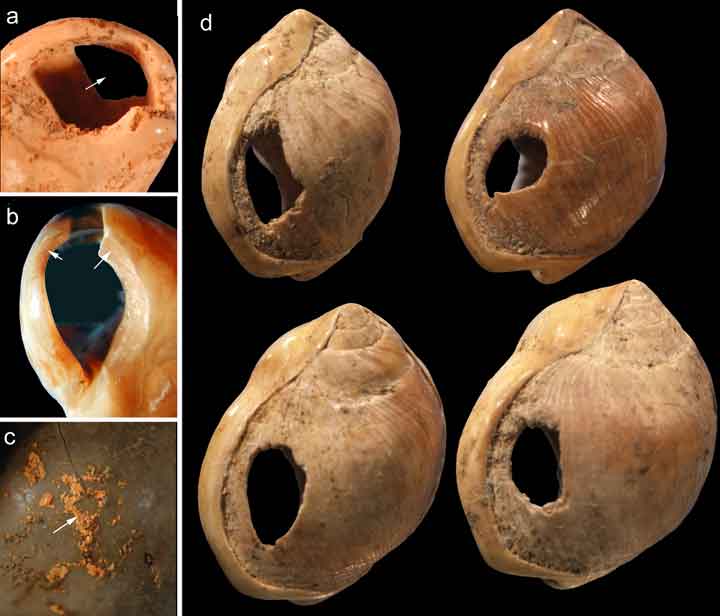
Blombos Cave
Stone Age cave with symbolic artifacts
Pinnacle Point
Middle Stone Age caves with symbolic behavior evidence
Stadsaal Caves
Sandstone caves with San rock art.
Boomplaas Cave
Stratified cave with ancient human occupation