
Explore the Map
Archaeological site of Atapuerca
42.3525° N, -3.5183° E
About
The archaeological site of Atapuerca is located in the province of Burgos in the north of Spain and is notable for its evidence of early human occupation. Bone fragments from around 800,000 years ago, found in its Gran Dolina cavern, provide the oldest known evidence of hominid settlement in Western Europe and of hominid cannibalism anywhere in the world. It was designated a World Heritage Site in 2000.
Historical Timeline
Journey through time and discover key events in this site's history
1964 excavation discovery
1964
Gran Dolina excavations begin
September 1981
Sima de los Huesos remains located
since 1997
UNESCO designation
2000
Sima del Elefante tooth discovery
June 2007
Sima del Elefante mandible
2008
Quartzite stones discovered
July 2020
Sima del Elefante maxilla
July 2022
Gran Dolina oldest hominid evidence
c. 800,000 years ago
Archaeological Features
Unique architectural and cultural elements found at this historical site
Burial and Funerary Structures
Domestic and Habitation Structures
Environmental and Natural Features
Frequently Asked Questions
Plan Your Visit
Tours, travel arrangements, and practical information


More Sites in Spain
Cave of Chufín
Paleolithic cave art in Cantabria, Spain
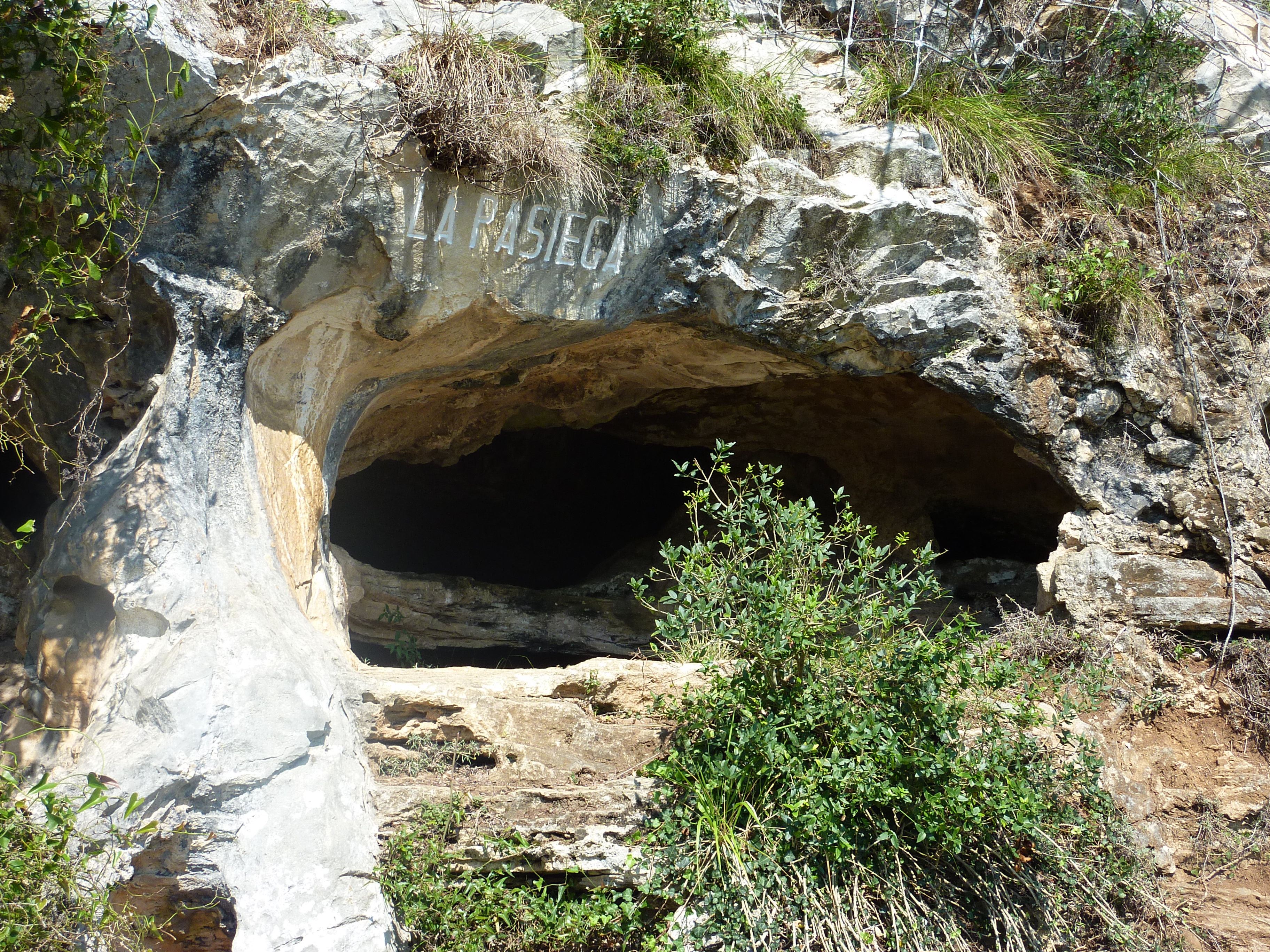
Cave of La Pasiega
Complex cave with Paleolithic rock art.
Castulo
Iberian town and Roman-era settlement in Andalusia, Spain
La Fonteta Phoenician Port
La Fonteta is an ancient Phoenician port city that was located in what is now the town of Guardamar del Segura, Alicante, Spain.
Caves of Nerja
The Caves of Nerja (Spanish: Cueva de Nerja) are a series of caverns close to the town of Nerja in the Province of Málaga, Spain.
El Castillón
El Castillón is an archaeological site located in the Spanish hamlet of Santa Eulalia de Tábara, in the municipality of Moreruela de Tábara, province