
Explore the Map
Cave of Chufín
43.2906° N, -4.4581° E
About
The cave of Chufín is located in the town of Riclones in Rionansa (Cantabria), Spain. Situated at the confluence of the Lamasón and Nansa rivers, several caves ornamented with rock art pock the steep slopes above the water. Chufín is one of the caves included in UNESCO’s list of World Heritage sites under the entry Cave of Altamira and Paleolithic Cave Art of Northern Spain It was discovered by the photographer Manuel de Cos Borbolla, a native of Rabago (Cantabria). In Chufín were found different levels of occupation, the oldest being around 20000 years old. The small cave has some subtle engravings and paintings of red deer, goats, and cattle, all represented very schematically. Also found in the cave were many symbols. One group, called type "sticks", accompanies the paintings inside animals. There are also many drawings using points (puntillaje), including one which has been interpreted as a representation of a vulva.
Historical Timeline
Journey through time and discover key events in this site's history
Earliest occupation
c. 20,000 years ago
Archaeological Features
Unique architectural and cultural elements found at this historical site
Artistic and Decorative Features
Domestic and Habitation Structures
Environmental and Natural Features
Frequently Asked Questions
Plan Your Visit
Tours, travel arrangements, and practical information
More Sites in Spain
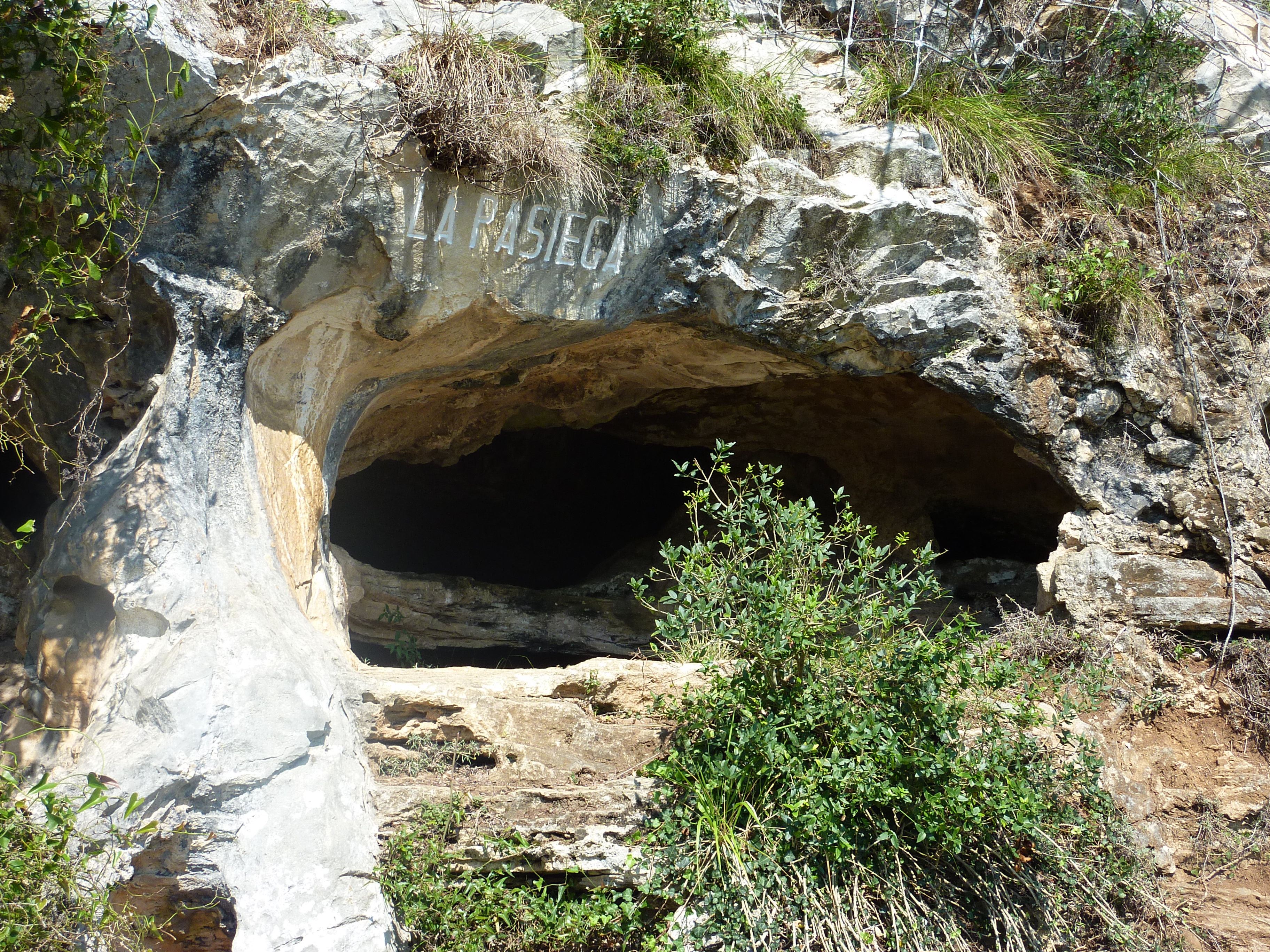
Cave of La Pasiega
Complex cave with Paleolithic rock art.
Cave of Chufín
Paleolithic cave art in Cantabria, Spain
La Fonteta Phoenician Port
La Fonteta is an ancient Phoenician port city that was located in what is now the town of Guardamar del Segura, Alicante, Spain.
Calatrava la Vieja
Medieval fortress and town in Castile‑La Mancha, Spain
Ca n'Oliver Iberian Settlement and Museum
The Ca n'Oliver Iberian settlement is a very large Iberian settlement found in the Collserola mountain range, in the territory formerly known as Laietania, in present-day Cerdanyola del Vallès.
Tito Bustillo Cave
The Tito Bustillo Cave is a prehistoric rock shelter located in the small town of Ribadesella, in the autonomous community of Asturias, Spain.