Explore the Map
Cueva de Bolomor
39.0598° N, -0.2499° E
About
Cueva de Bolomor, or Bolomor Cave, is an archaeological site near Tavernes de la Valldigna in the Valencian Community, Spain. It was occupied over a long period of time, between 350,000 and 120,000 years ago. Four Neanderthal remains have been recovered in excavations that were begun in 1989: a fragment of a fibula, two teeth, and a nearly complete parietal bone from an adult. All date from the late Middle/early Late Pleistocene. The thickness of the cortical bone in the fibula indicates it came from non-modern man.
Historical Timeline
Journey through time and discover key events in this site's history
Hearths dated
c. 250,000–100,000 years ago
Excavations begin
1989
Initial occupation
c. 350,000 years ago
Later occupation phase
c. 120,000 years ago
Major Middle occupations
c. 200,000–150,000 years ago
Archaeological Features
Unique architectural and cultural elements found at this historical site
Domestic and Habitation Structures
Environmental and Natural Features
Food Production and Processing Features
Frequently Asked Questions
Plan Your Visit
Tours, travel arrangements, and practical information
More Sites in Spain
Cave of Chufín
Paleolithic cave art in Cantabria, Spain
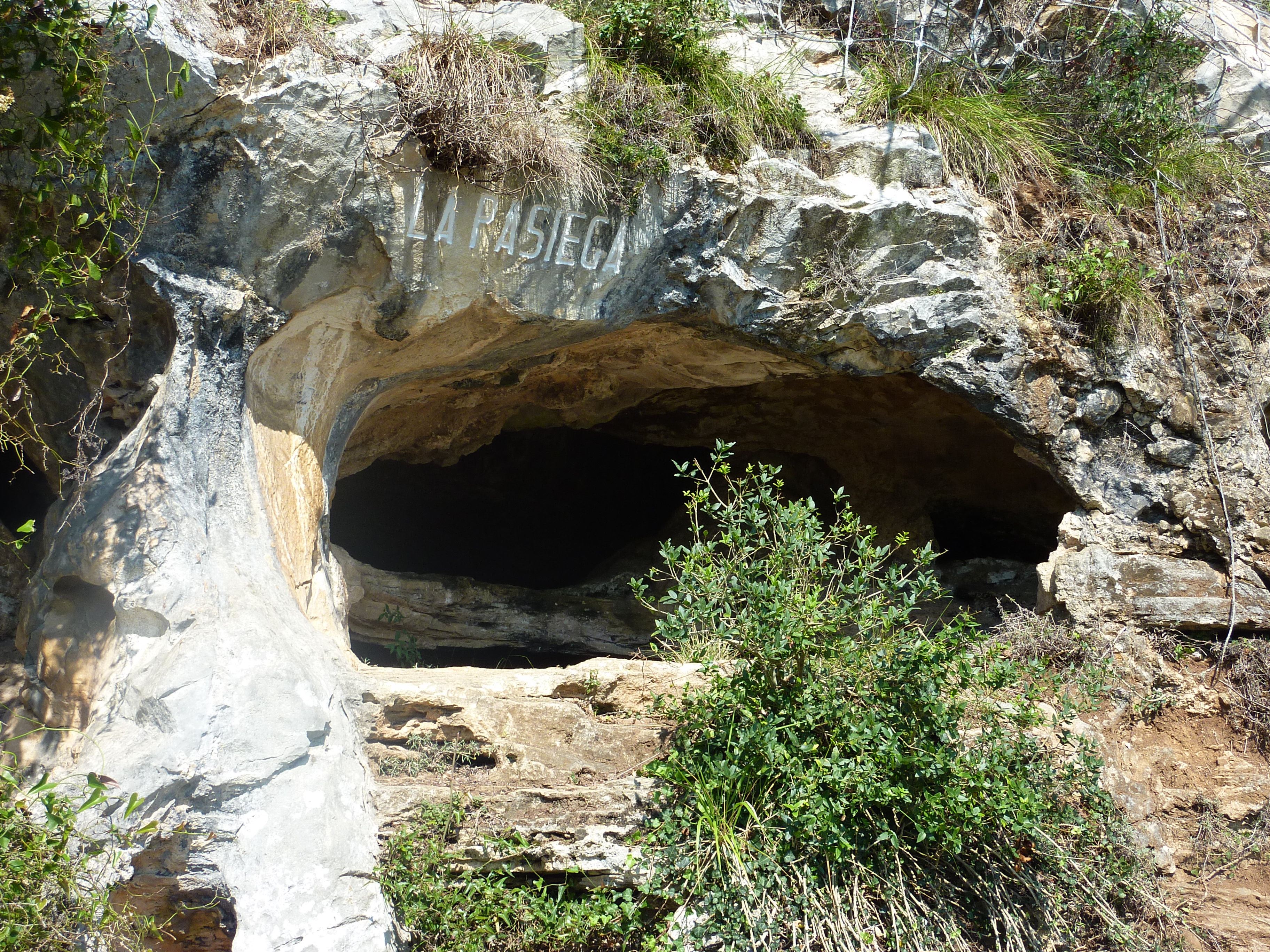
Cave of La Pasiega
Complex cave with Paleolithic rock art.
El Castillón
El Castillón is an archaeological site located in the Spanish hamlet of Santa Eulalia de Tábara, in the municipality of Moreruela de Tábara, province
Castro de Borneiro
Iron Age castro in Galicia, Spain
Castulo
Iberian town and Roman-era settlement in Andalusia, Spain
Calatrava la Vieja
Medieval fortress and town in Castile‑La Mancha, Spain