
Explore the Map
Cueva de los Murciélagos
37.5419° N, -4.3042° E
About
The Cueva de los Murciélagos is a cave system in the Sierras Subbéticas located about 4 km southeast of the town of Zuheros in the southern province of Córdoba in Spain. Although the caves were discovered in 1868, they were not studied until 1938. The caves host one of the largest bat colonies in Andalusia.
Historical Timeline
Journey through time and discover key events in this site's history
Discovery of the caves
1868
First archaeological study
1938
Redating of baskets and shoes
2023
Neolithic radiocarbon dates
c. 4900–3980 BC
Cave paintings periods
Neolithic (6000–3000 BC); Bronze Age (3000–2000 BC)
Human occupation (Middle Paleolithic)
c. 35,000 years ago
Archaeological Features
Unique architectural and cultural elements found at this historical site
Burial and Funerary Structures
Artistic and Decorative Features
Domestic and Habitation Structures
Environmental and Natural Features
Food Production and Processing Features
Frequently Asked Questions
Plan Your Visit
Tours, travel arrangements, and practical information
More Sites in Spain
Castulo
Iberian town and Roman-era settlement in Andalusia, Spain
Cave of Chufín
Paleolithic cave art in Cantabria, Spain
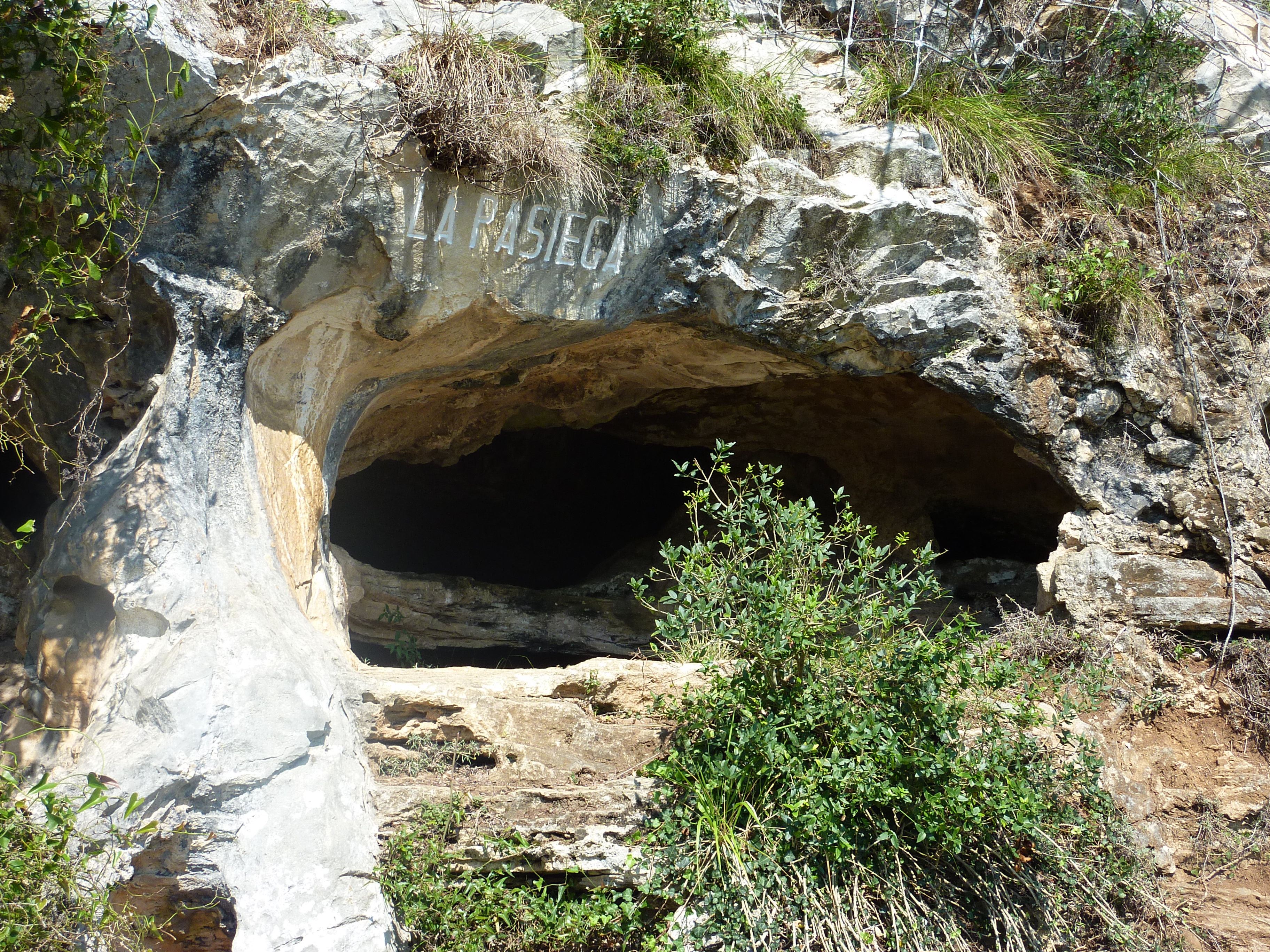
Cave of La Pasiega
Complex cave with Paleolithic rock art.
El Castillón
El Castillón is an archaeological site located in the Spanish hamlet of Santa Eulalia de Tábara, in the municipality of Moreruela de Tábara, province
La Fonteta Phoenician Port
La Fonteta is an ancient Phoenician port city that was located in what is now the town of Guardamar del Segura, Alicante, Spain.
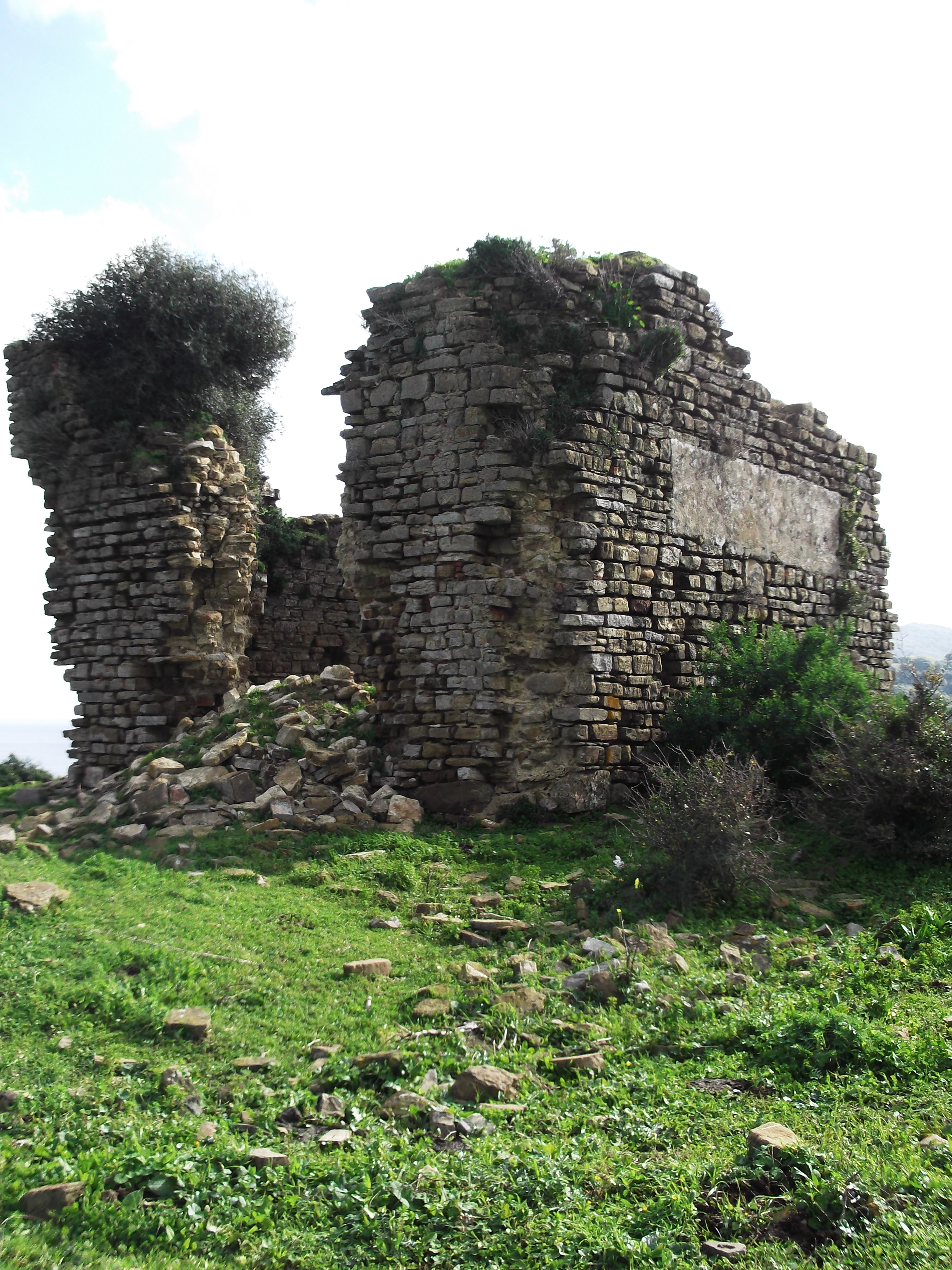
Torre del Arroyo del Lobo
Ruined medieval defensive tower in Spain