
Explore the Map
Hunugalagala Limestone Cave
6.7653° N, 80.8892° E
About
Hunugalagala Limestone Cave, situated in Haldummulla, Badulla District, Sri Lanka, is an archaeological site of considerable significance. The cave's natural limestone formation dates back millions of years and served as a shelter and activity area for prehistoric communities between 5,000 and 4,000 years ago. Excavations conducted in July 2013 unearthed various artifacts, including grindstones, painted potsherds, a stone statue depicting a man's upper body, and bones of humans and animals. These findings suggest that the cave inhabitants had developed basic pottery skills and were engaged in food processing activities. The site provides valuable insights into the lifeways of early human societies in the region, offering a glimpse into their daily practices and artistic expressions.
Historical Timeline
Journey through time and discover key events in this site's history
Prehistoric Occupation
3000 BCE, 2000 BCE
Archaeological Features
Unique architectural and cultural elements found at this historical site
Industrial and Craft Structures
Artistic and Decorative Features
Domestic and Habitation Structures
Frequently Asked Questions
Plan Your Visit
Tours, travel arrangements, and practical information
More Sites in Sri Lanka
Fa Hien Cave
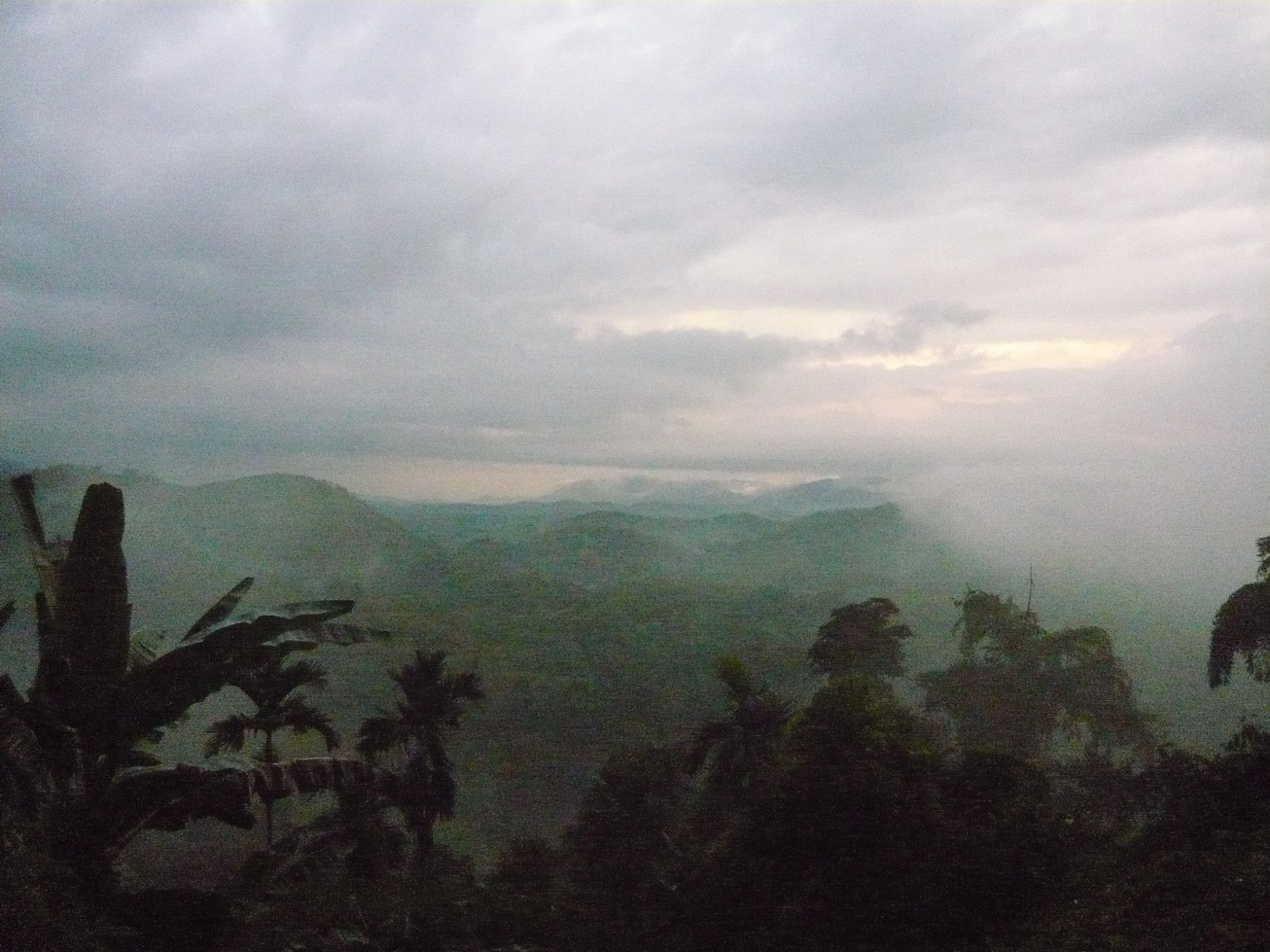
Largest natural stone cave in South Asia.
Mirisawetiya Vihara
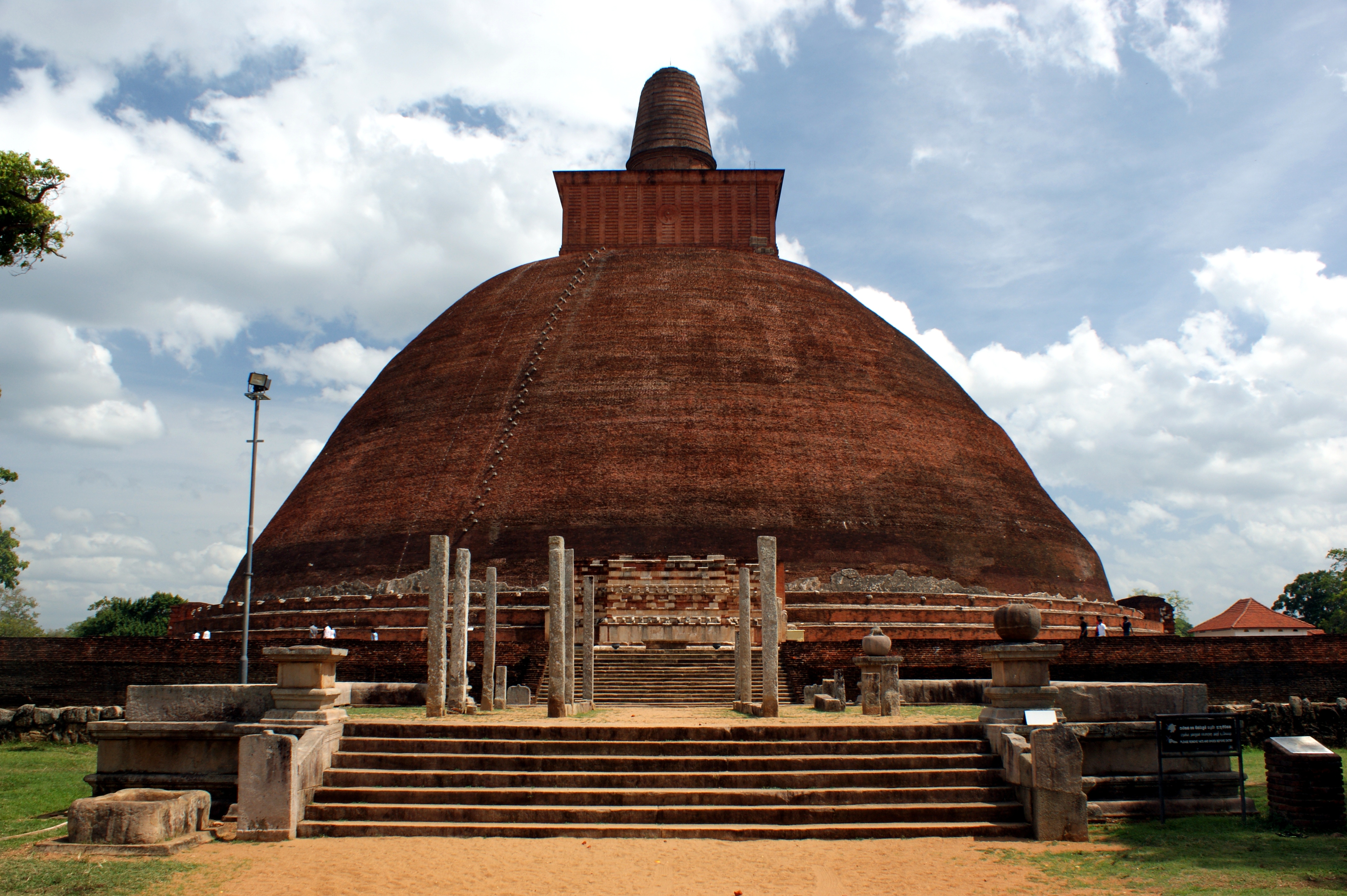
Ancient stupa with multiple restorations
Kuragala
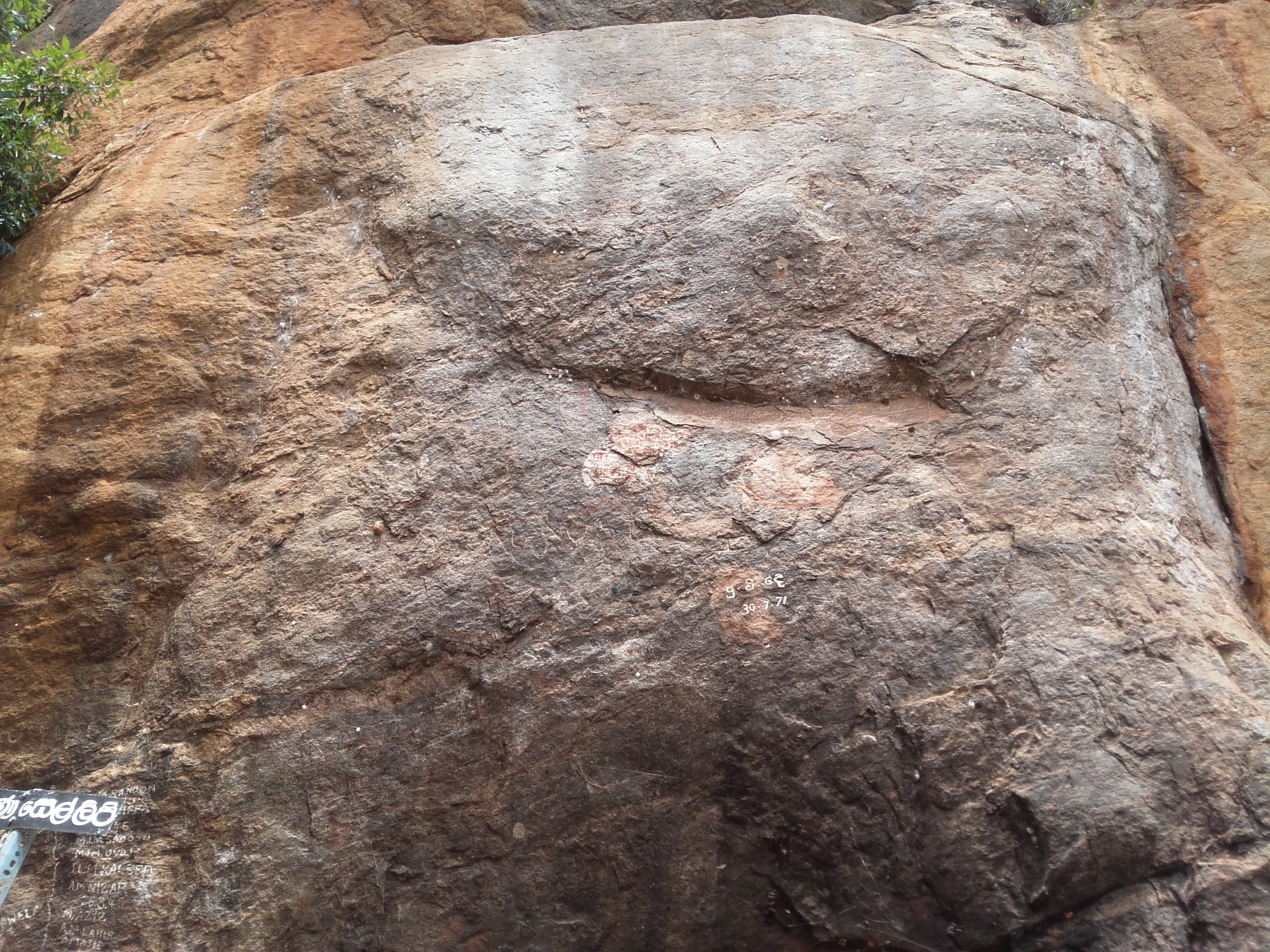
Prehistoric site with Buddhist and Muslim structures
Sampur Stupa
Ruined stupa of early Anuradhapura period.
Hatadage
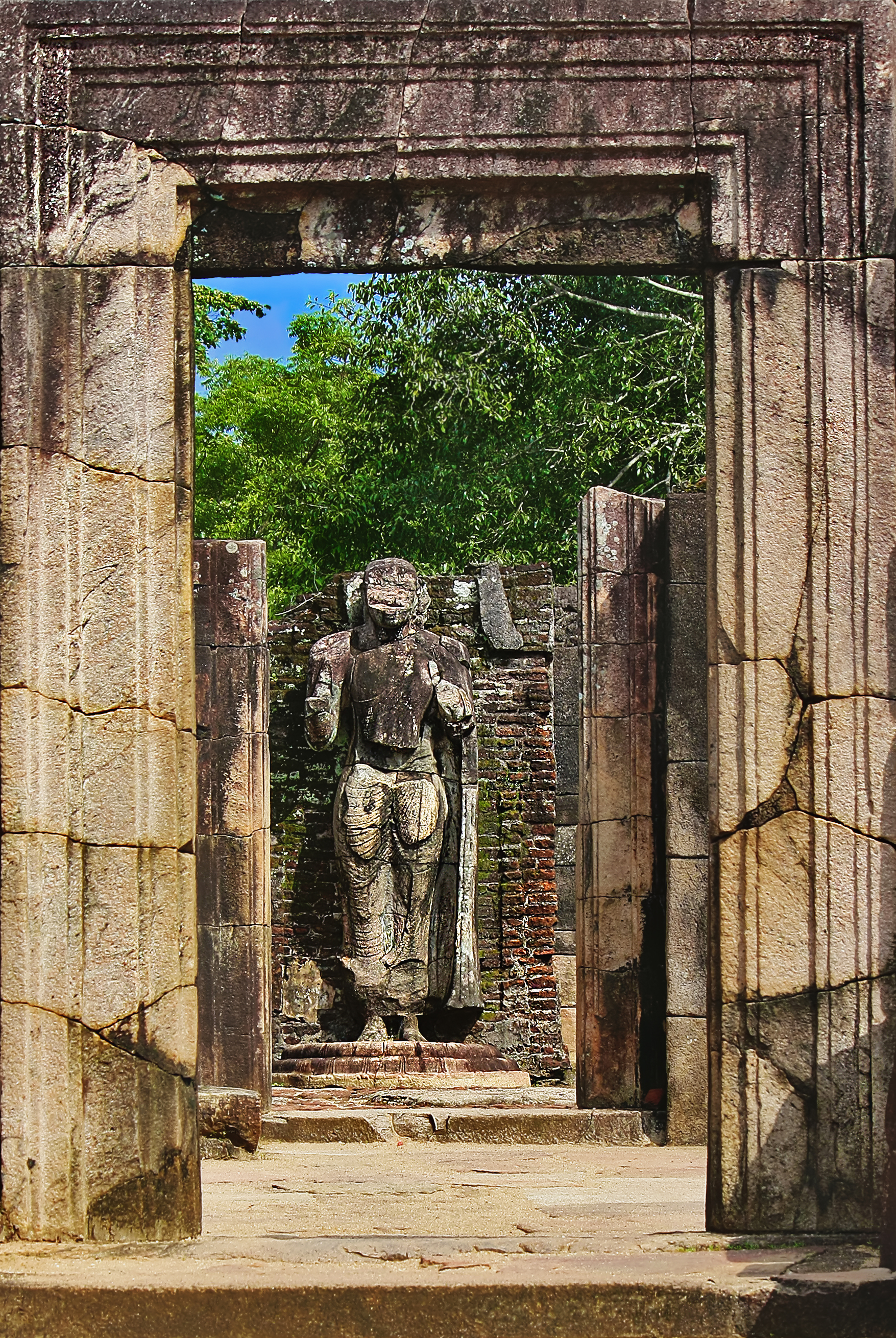
Ancient two-storey Buddhist relic shrine.
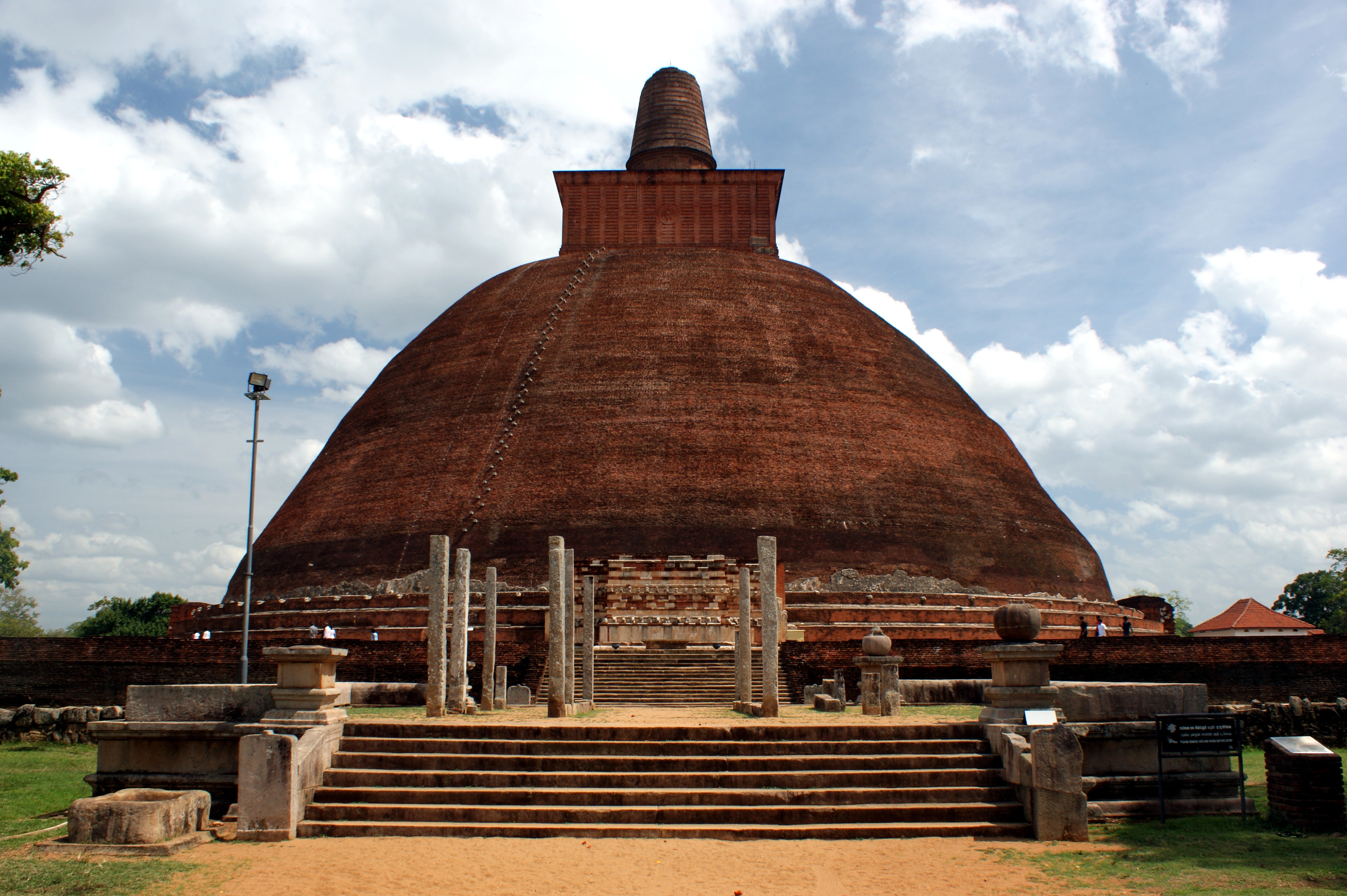
Kiri Vehera
Ancient stupa with inscriptions, pilgrimage site