Explore the Map
Kuragala
6.6290° N, 80.8644° E
About
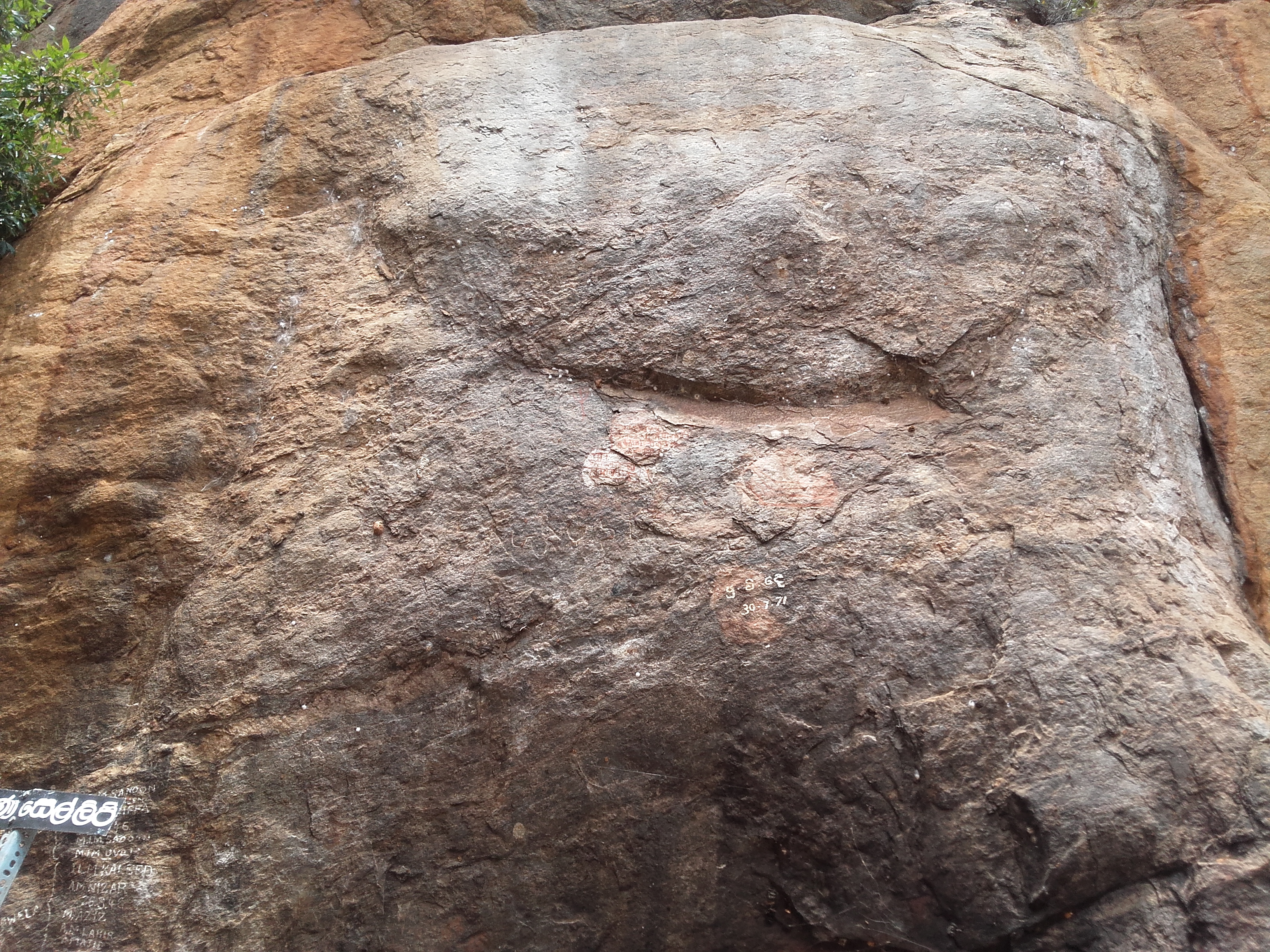
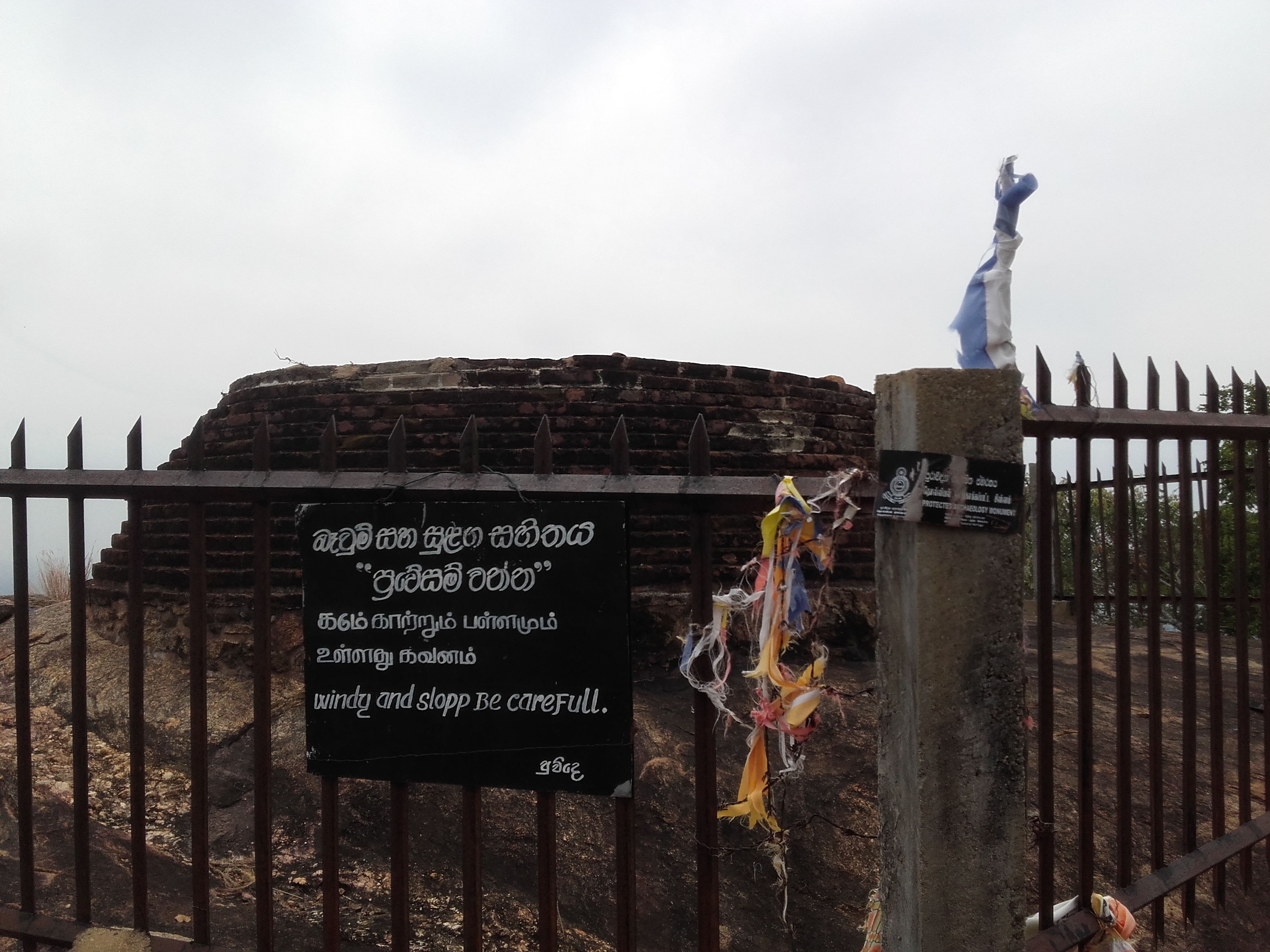
Kuragala is an archaeological site in Balangoda, Sri Lanka, with a rich history stretching from the prehistoric period to modern times. The site features evidence of human habitation as far back as 8000 years ago, with findings of stone tools and bone fragments. During the late Iron Age, Kuragala became a significant Buddhist monastery, with caves adapted for monastic use, complete with Brahmi inscriptions and religious donations. In the 14th century CE, it also served as a Muslim shrine, evident from Arabic inscriptions and a tombstone. This multi-layered history is further accentuated by the construction of a brick Stupa in 1971, showcasing the site's continuous religious significance. The combination of prehistoric, Buddhist, and Muslim elements makes Kuragala a site of considerable archaeological and cultural importance.
Gallery
Explore photographs of ancient structures, artifacts, and archaeological excavations
Historical Timeline
Journey through time and discover key events in this site's history
Prehistoric Human Settlement
8000 BCE
Buddhist Monastery Use
3rd century BCE
Arabic Inscriptions and Muslim Shrine
1315 CE
Construction of Brick Stupa
1971 CE
Archaeological Features
Unique architectural and cultural elements found at this historical site
Burial and Funerary Structures
Religious and Ritual Structures
Artistic and Decorative Features
Domestic and Habitation Structures
Environmental and Natural Features
Plan Your Visit
Tours, travel arrangements, and practical information
More Sites in Sri Lanka
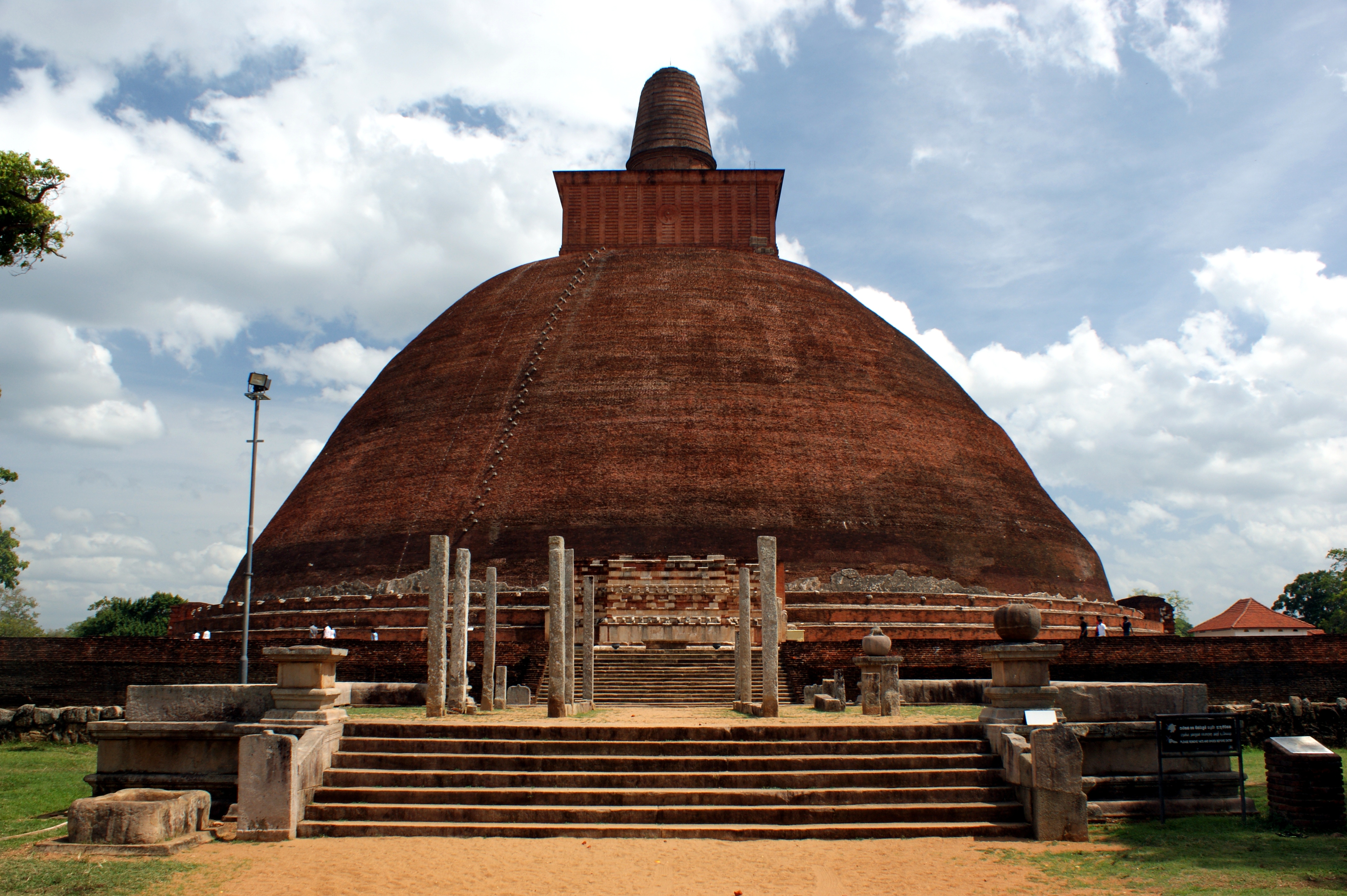
Mirisawetiya Vihara
Ancient stupa with multiple restorations
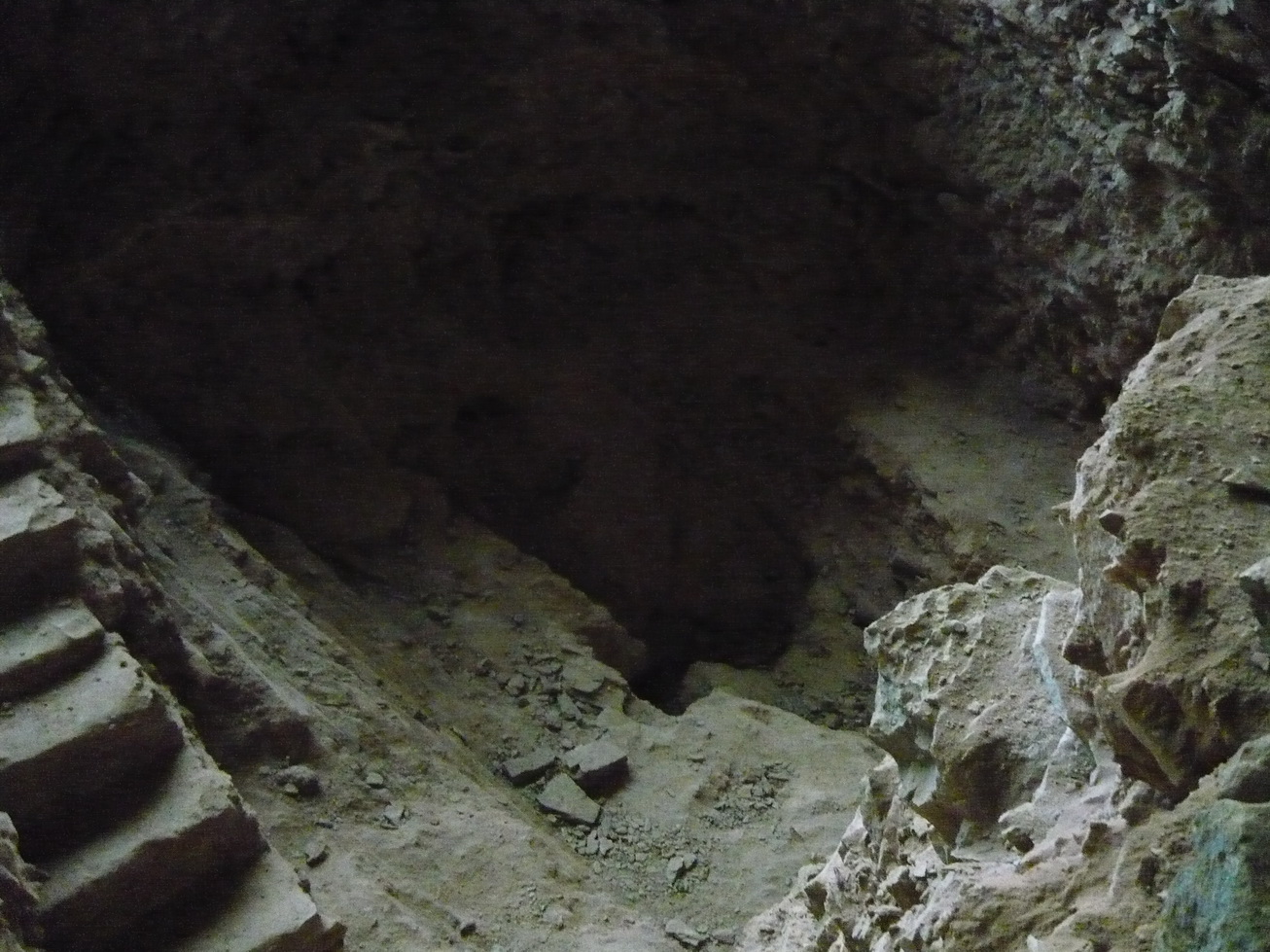
Batadombalena
Balangoda Man cave site, Mesolithic Sri Lanka
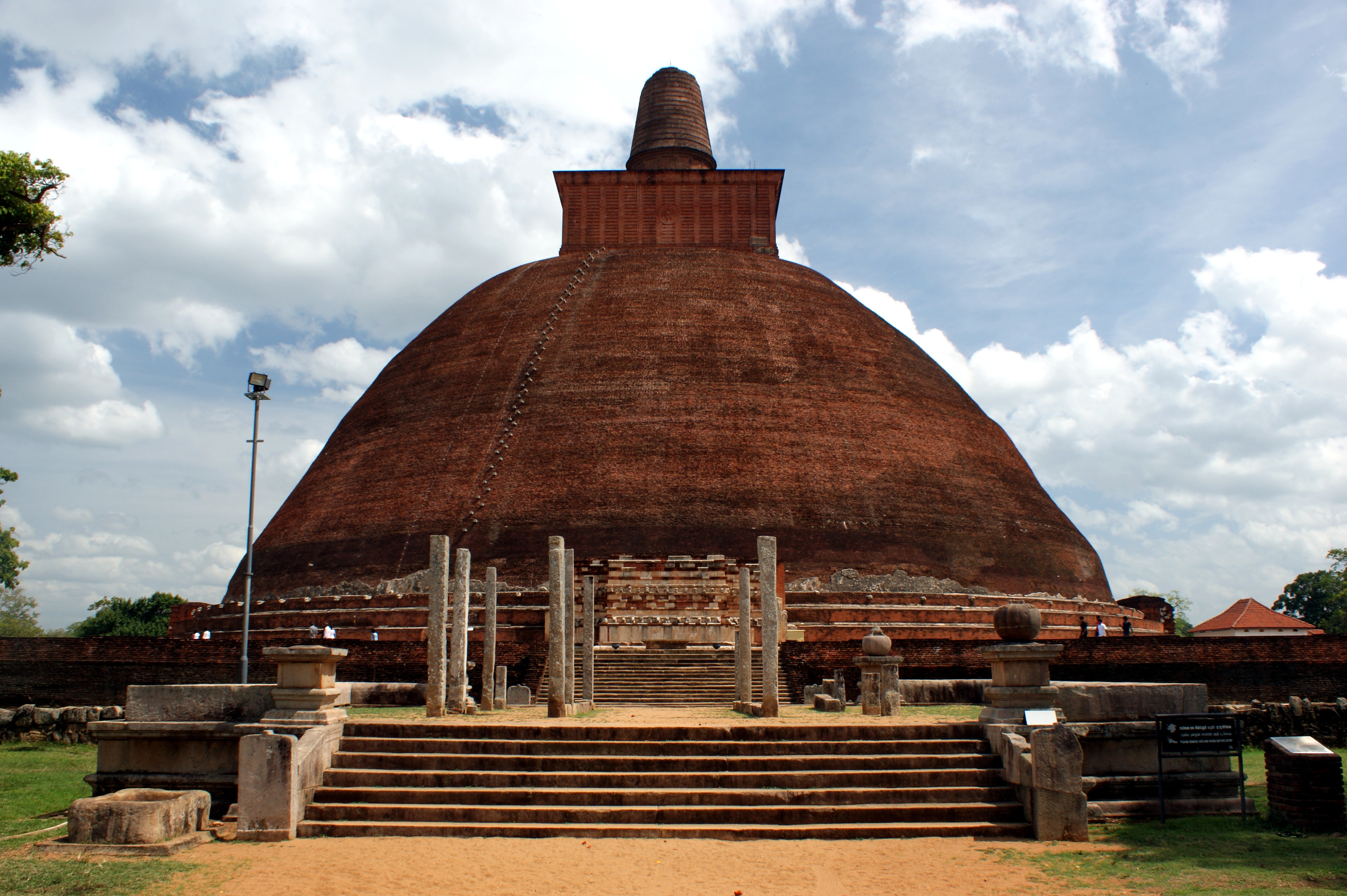
Kiri Vehera
Ancient stupa with inscriptions, pilgrimage site
Sampur Stupa
Ruined stupa of early Anuradhapura period.
Belilena Cave
Prehistoric cave with human and faunal remains.
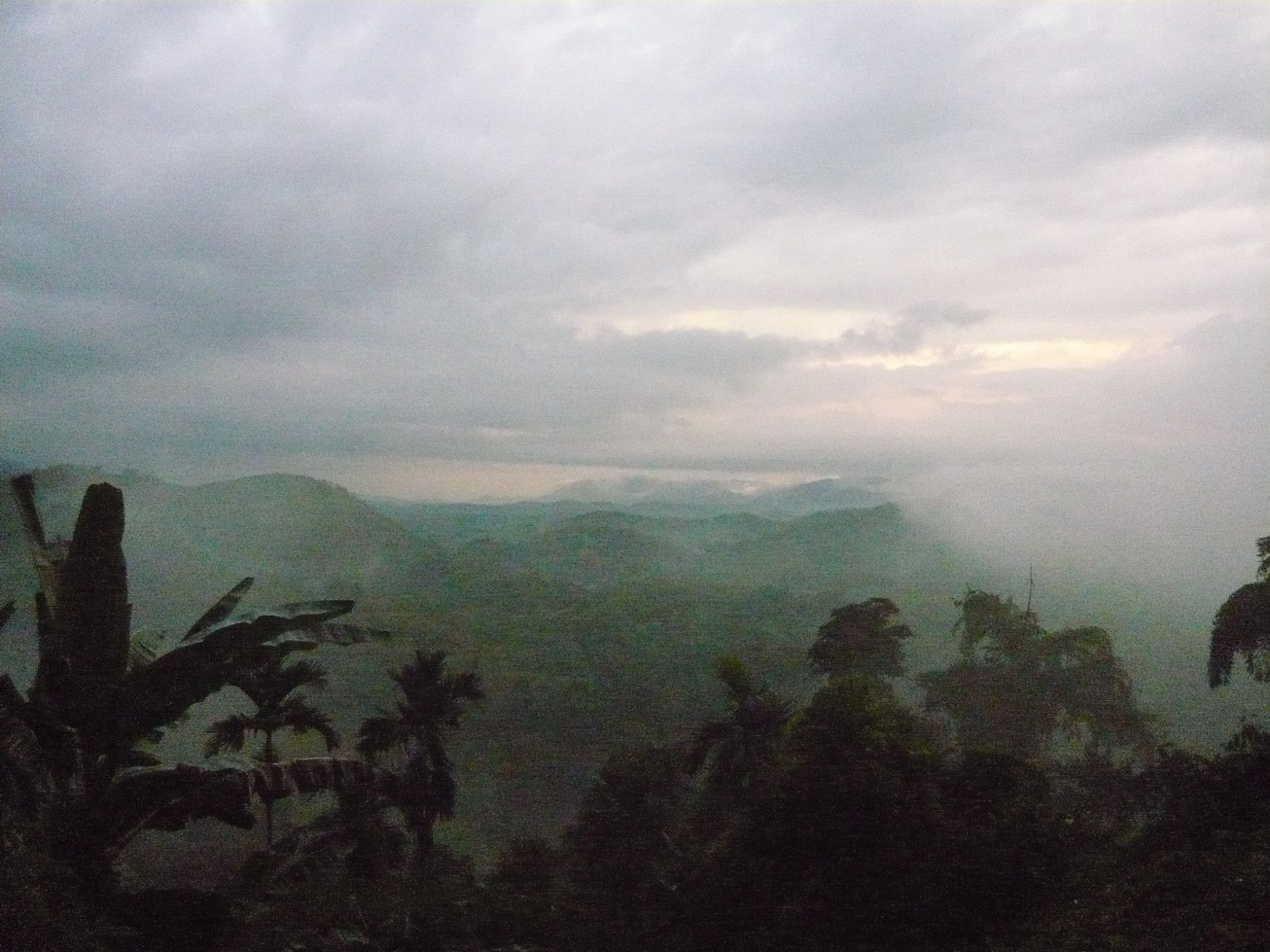
Fa Hien Cave
Largest natural stone cave in South Asia.