Neuchâtel
Time Periods
Paleolithic
Mesolithic
Neolithic
Chalcolithic
Bronze Age
Iron Age
Classical Period
Post-Classical Period
Early Modern Period
Industrial Period
Contemporary Period
Time Periods
Paleolithic
Mesolithic
Neolithic
Chalcolithic
Bronze Age
Iron Age
Classical Period
Post-Classical Period
Early Modern Period
Industrial Period
Contemporary Period
Location
About
Neuchâtel (UK: , US: ; French: [nøʃɑtɛl] ; German: Neuenburg [ˈnɔɪ̯ənˌbʊʁk] ) is a town, a municipality, and the capital of the Swiss canton of Neuchâtel on Lake Neuchâtel. Since the fusion in 2021 of the municipalities of Neuchâtel, Corcelles-Cormondrèche, Peseux, and Valangin, the city has approximately 33,000 inhabitants (80,000 in the metropolitan area). The city is sometimes referred to historically by the German name Neuenburg; both the French and German names mean "New Castle". The castle after which the city is named was built by Rudolph III of Burgundy and completed in 1011. Originally part of the Kingdom of Burgundy, the city was absorbed into the Holy Roman Empire in 1033. The domain of the counts of Neuchatel was first referred to as a city in 1214. The city came under Prussian control from 1707 until 1848, with an interruption during the Napoleonic Wars from 1806 to 1814. In 1848, Neuchâtel became a republic and a canton of Switzerland. Neuchâtel is a centre of the Swiss watch industry, the site of micro-technology and high-tech industries, and home to research centres and organizations such as the Swiss Center for Electronics and Microtechnology (CSEM), and Philip Morris International's Cube.
Plan Your Visit
Details
- Country
- Switzerland
- Source
- Wikipedia
More Sites in Switzerland
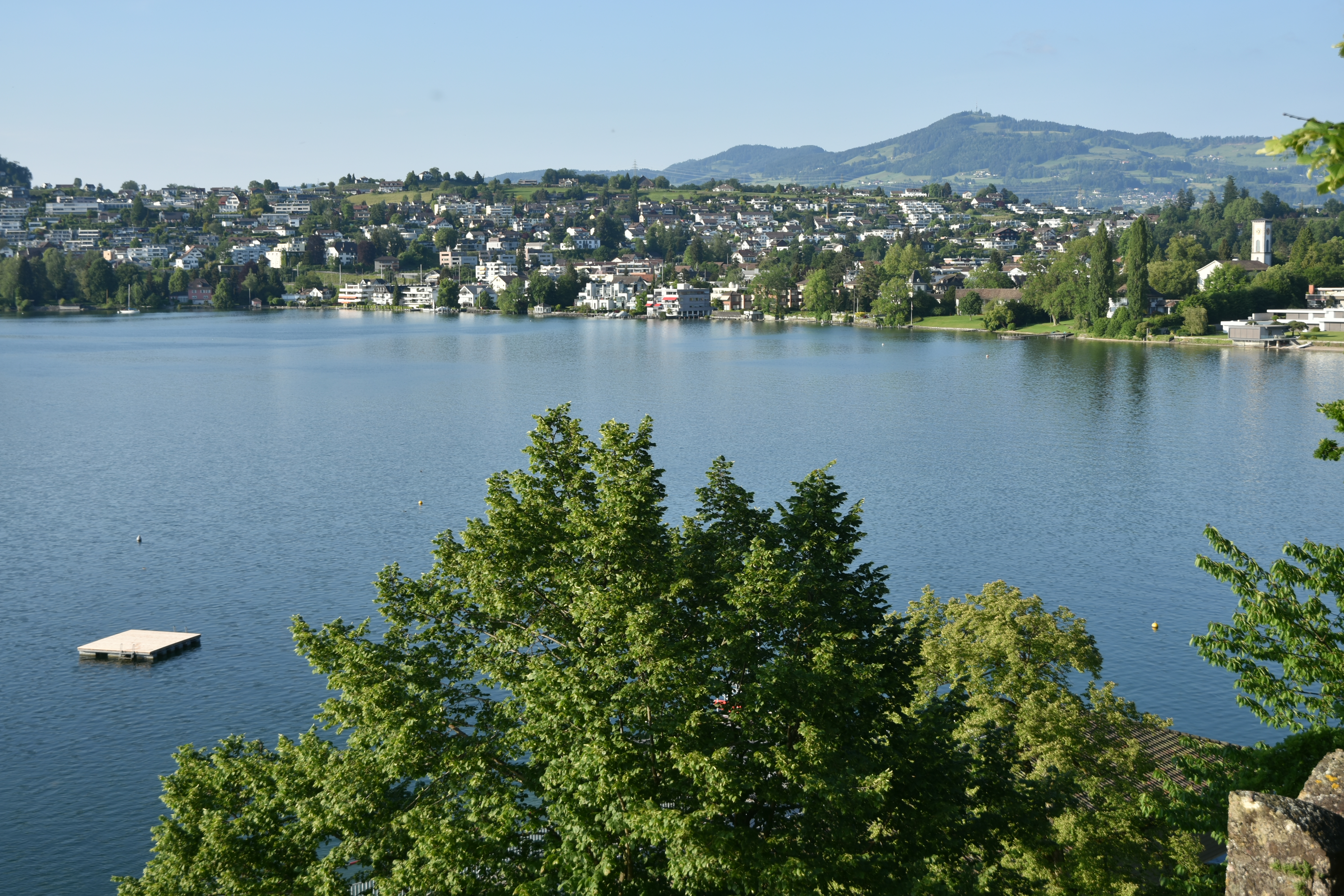
Centum Prata
Roman vicus with commercial and public structures
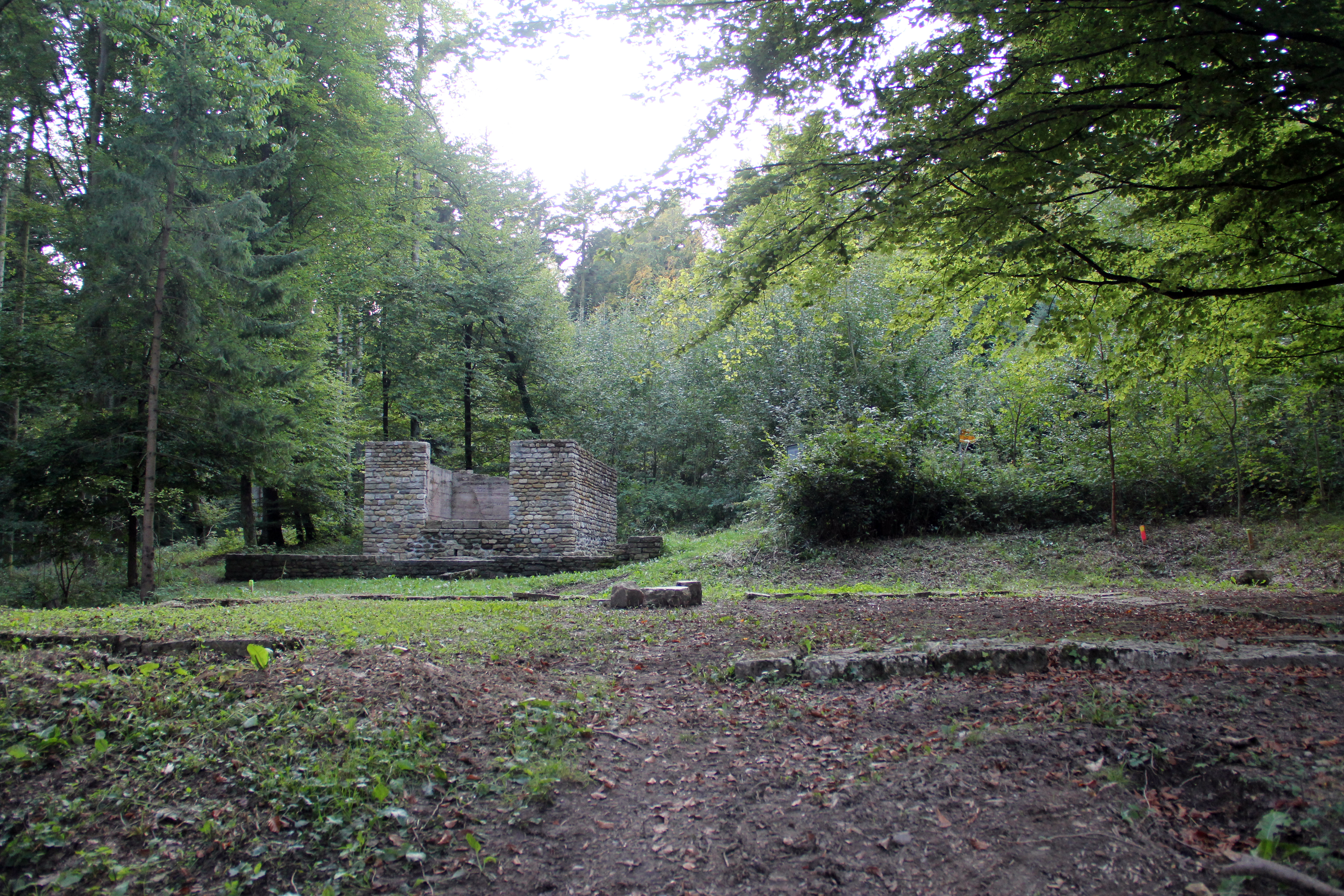
Petinesca
Celtic and Roman fortifications and roads.
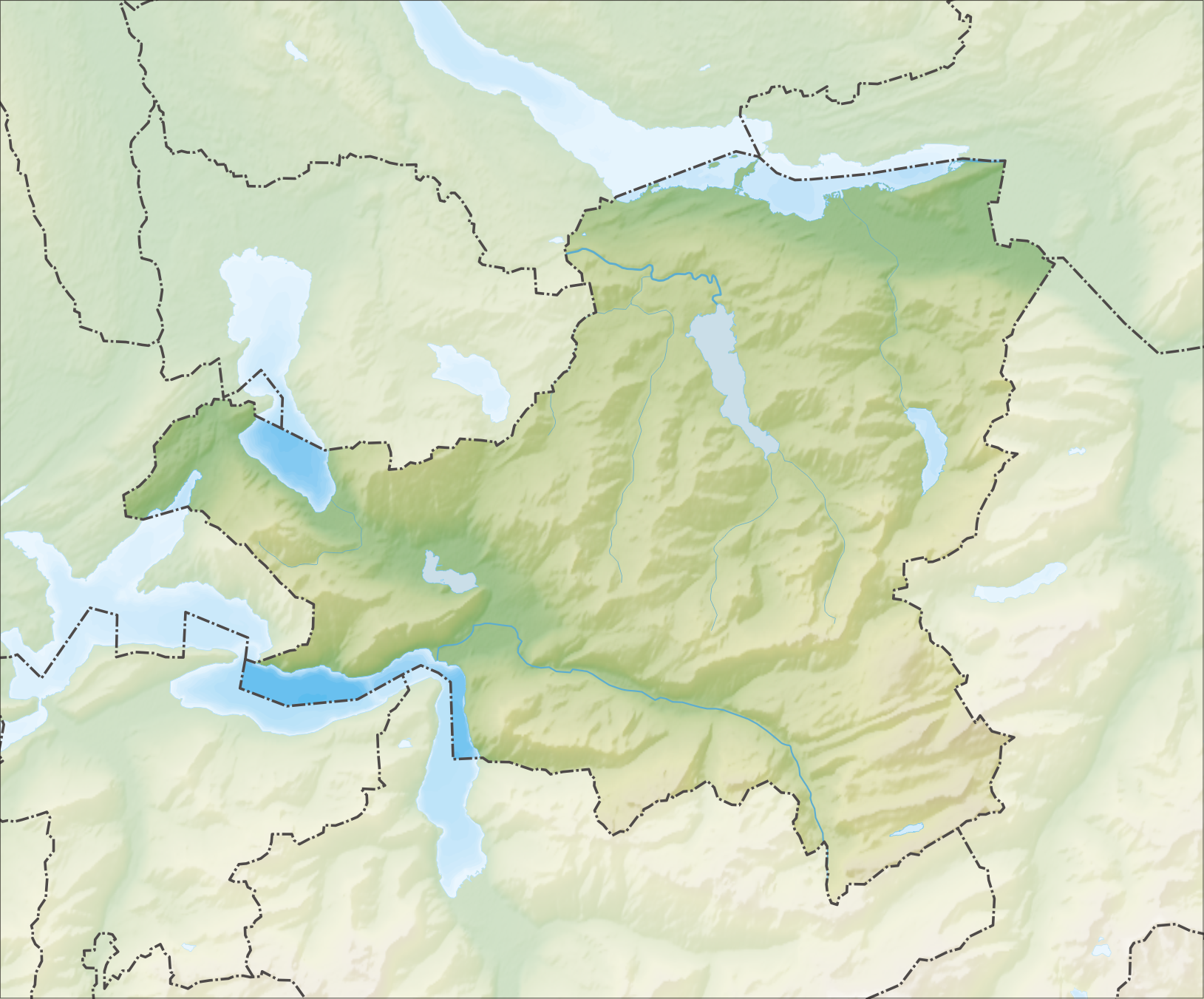
Freienbach–Hurden Rosshorn
Prehistoric and historic bridge remains site
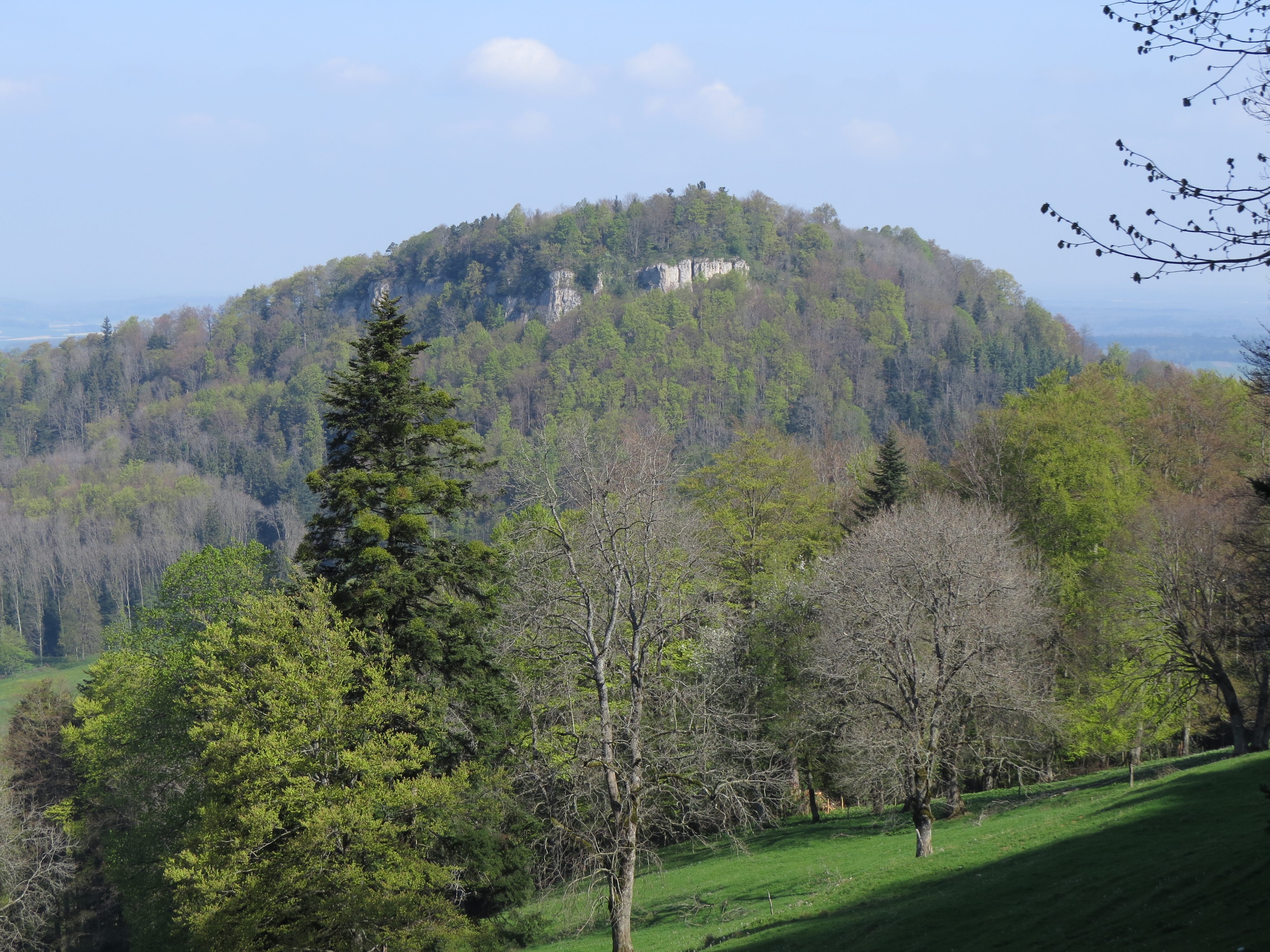
Mont-Terri Castle
Medieval castle on prehistoric hillfort plateau.
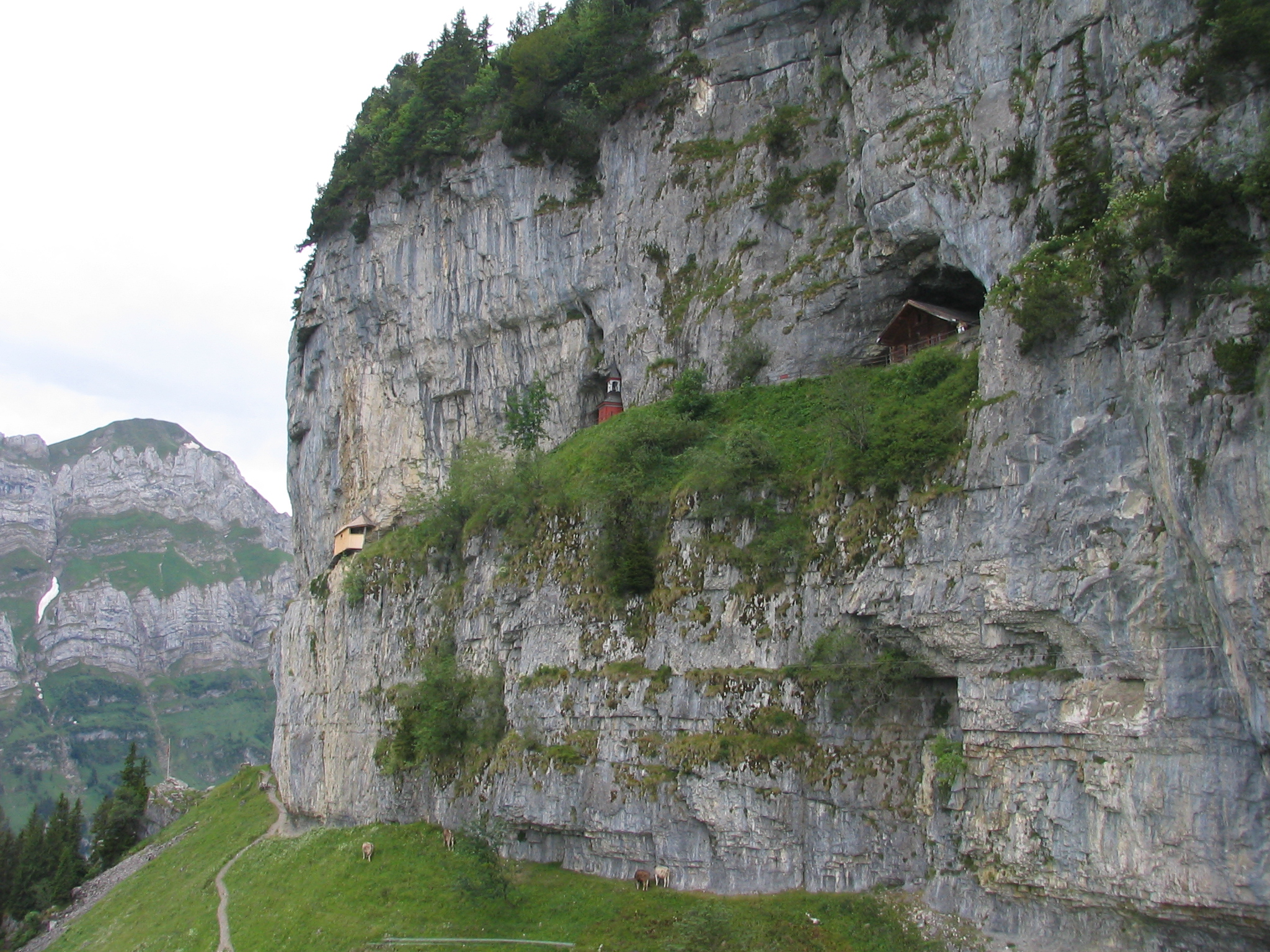
Wildkirchli
Interlinked caves with Neanderthal habitation evidence.
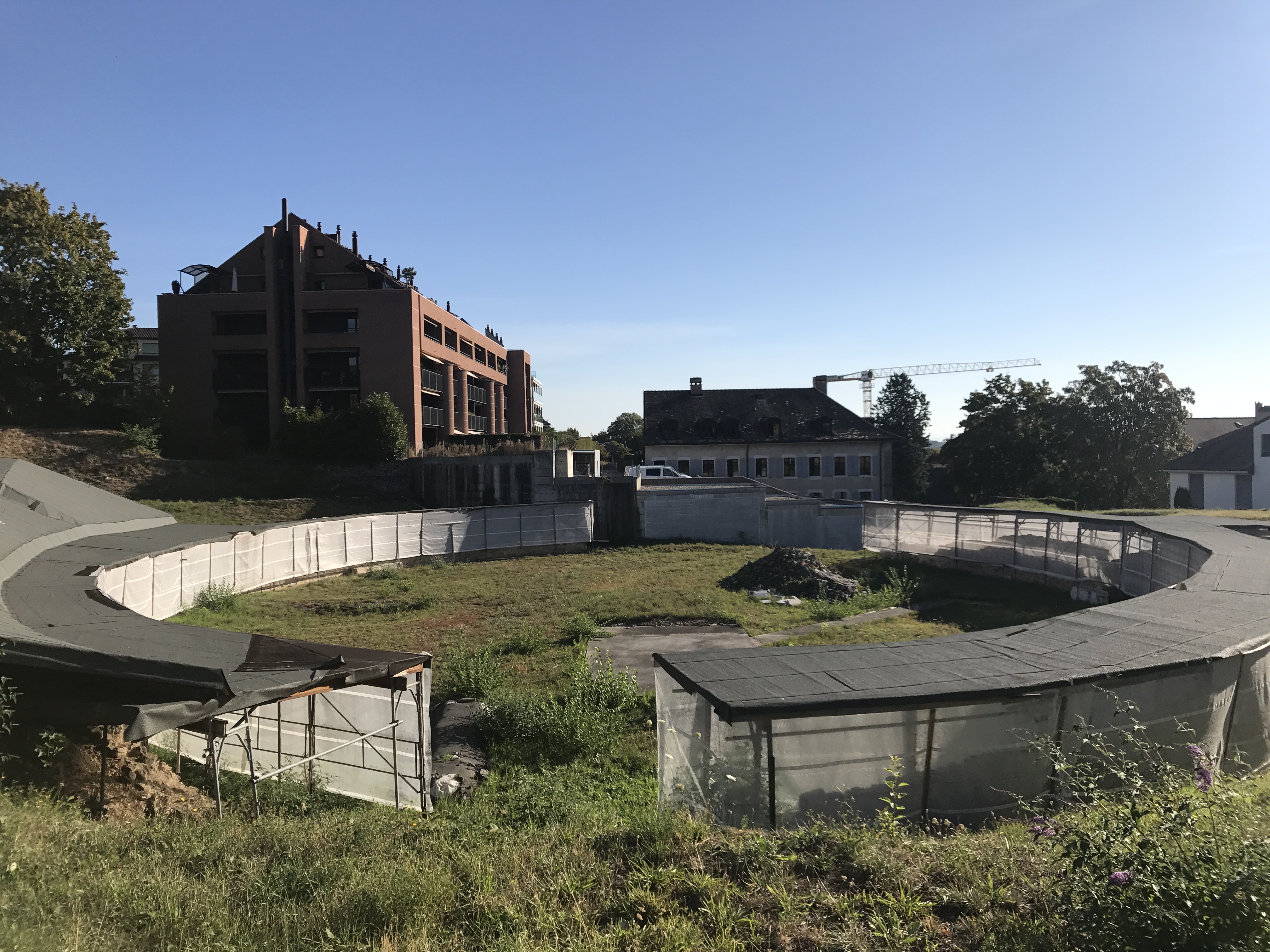
Noviodunum (Switzerland)
Roman settlement with urban and military structures