
Explore the Map
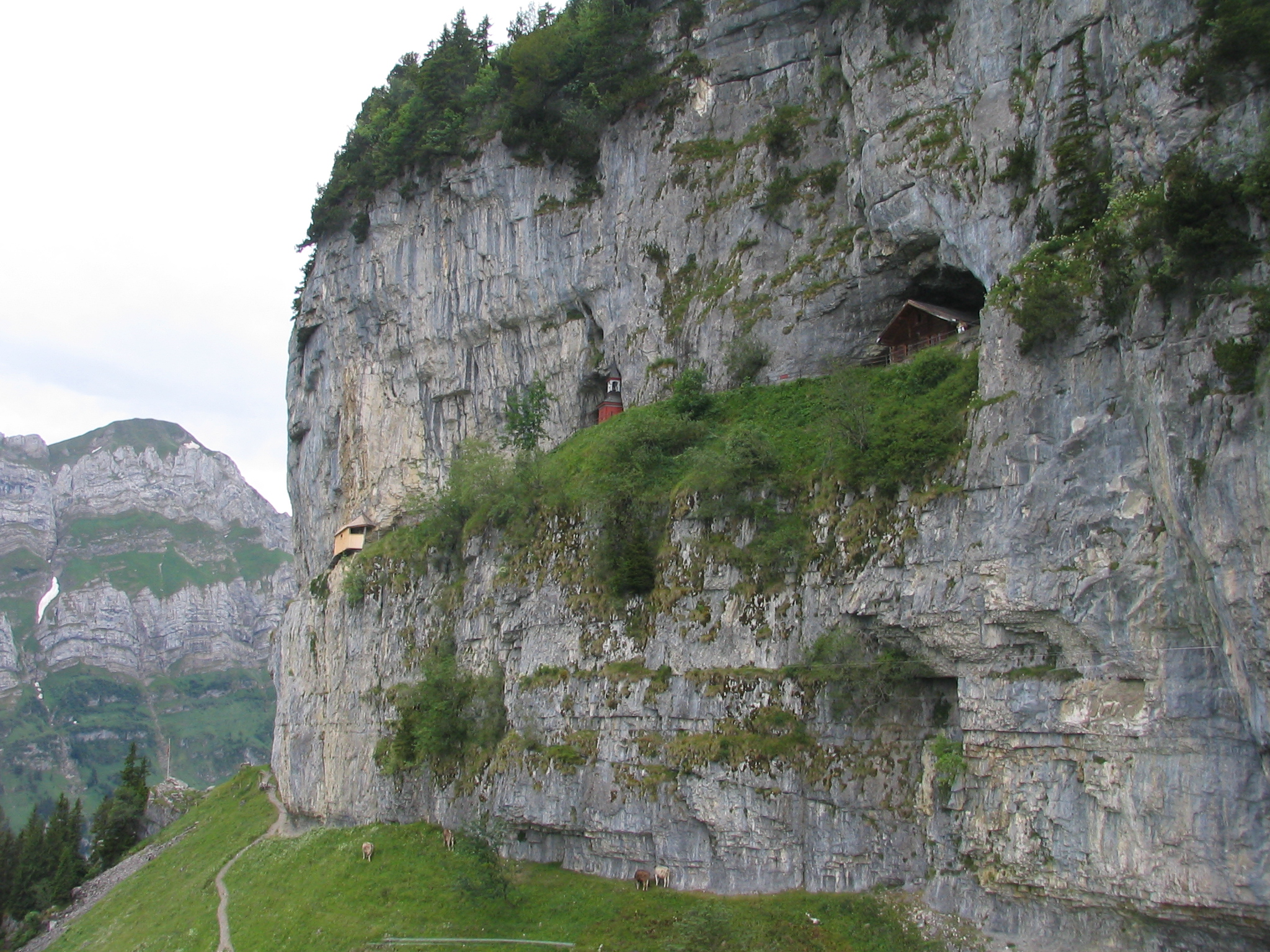
Wildkirchli
47.2819° N, 9.4081° E
About
The Wildkirchli caves, situated in the Alpstein massif of Switzerland, are a significant archaeological site known for evidence of Paleolithic Neanderthal habitation and an abundance of cave bear bones. These interlinked caves, including the Altarhöhle, Untere Höhle, and Obere Höhle, are located at elevations between 1,477 and 1,500 meters. They offer insights into the Middle to Upper Paleolithic periods, with flint tools identified as Mousterian, marking the presence of Neanderthals in the region around 40,000 BCE. The lower stratigraphic layers reveal a variety of animal remains, suggesting these caves served as seasonal hunting sites. Today, they attract tourists and historians alike, providing a glimpse into prehistoric life and human evolution.
Gallery
Explore photographs of ancient structures, artifacts, and archaeological excavations
Historical Timeline
Journey through time and discover key events in this site's history
Cave Bear Bones
90,000 BCE to 40,000 BCE
Neanderthal Habitation
c. 40,000 BCE
Archaeological Features
Unique architectural and cultural elements found at this historical site
Domestic and Habitation Structures
Environmental and Natural Features
Frequently Asked Questions
Plan Your Visit
Tours, travel arrangements, and practical information
More Sites in Switzerland
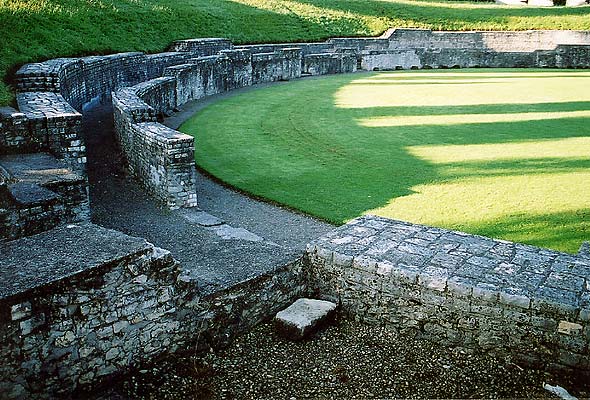
Vindonissa
Roman legion camp and settlement remains
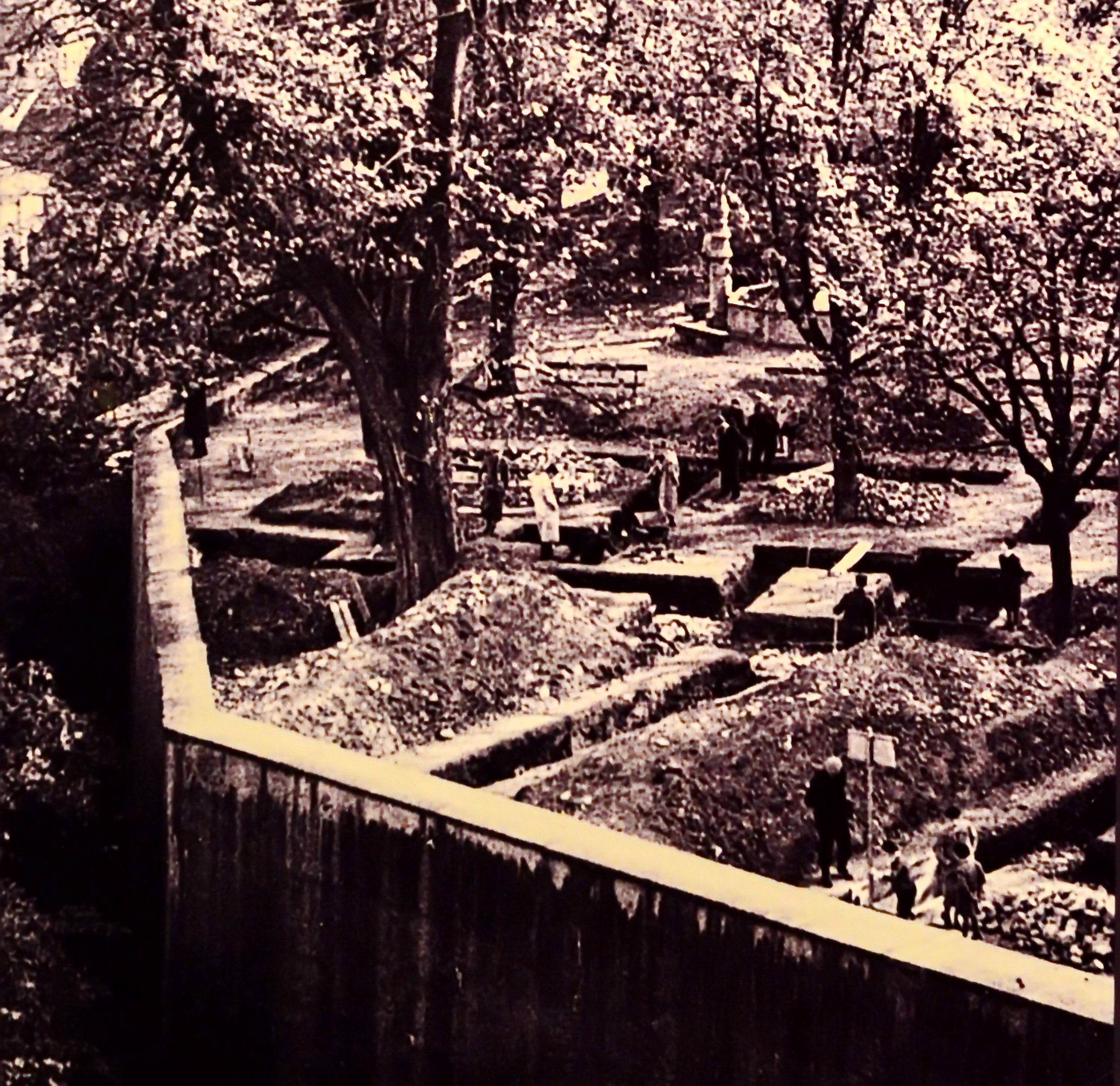
Turicum
Gallo-Roman settlement at Lake Zurich's end
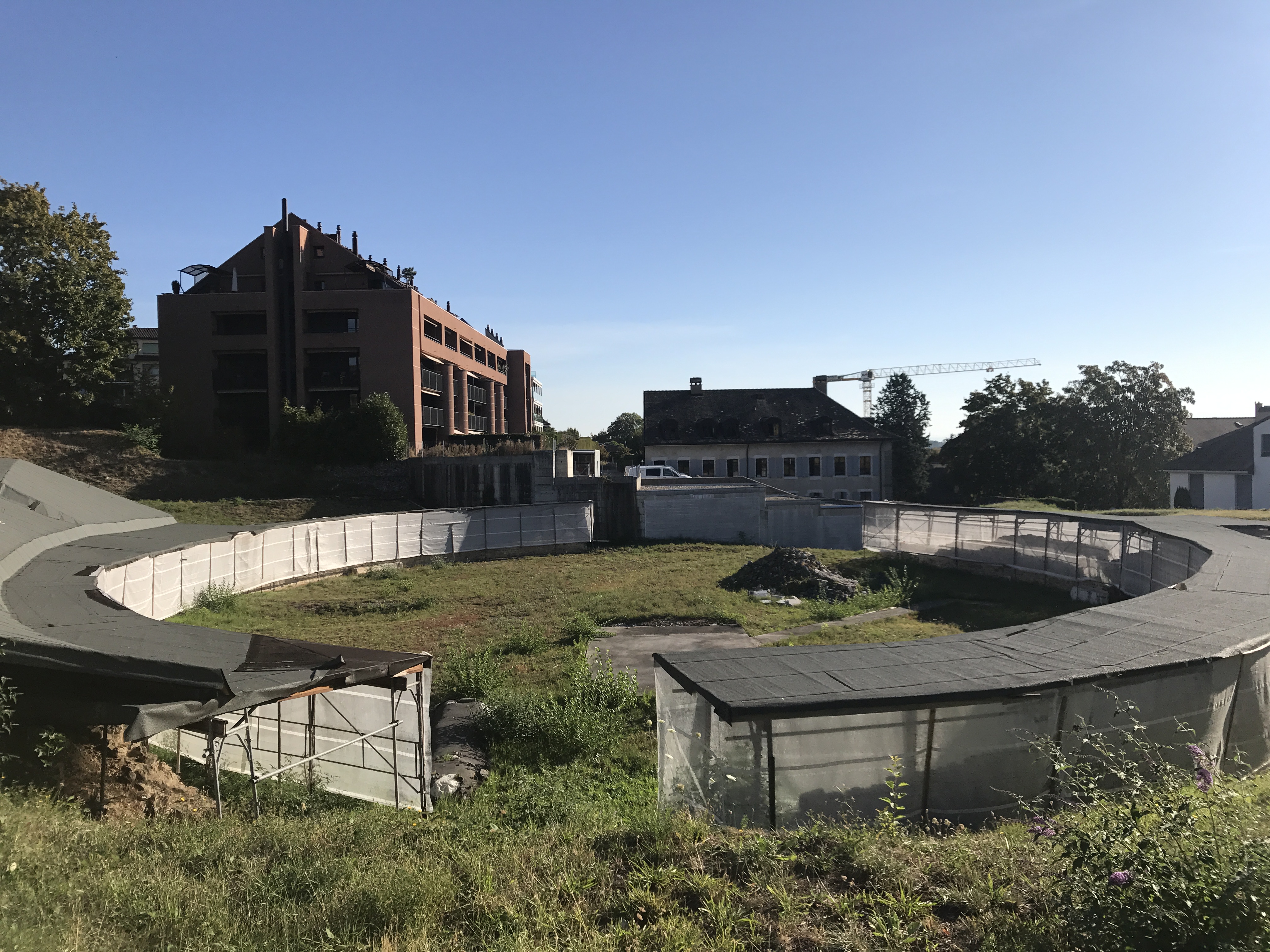
Noviodunum (Switzerland)
Roman settlement with urban and military structures
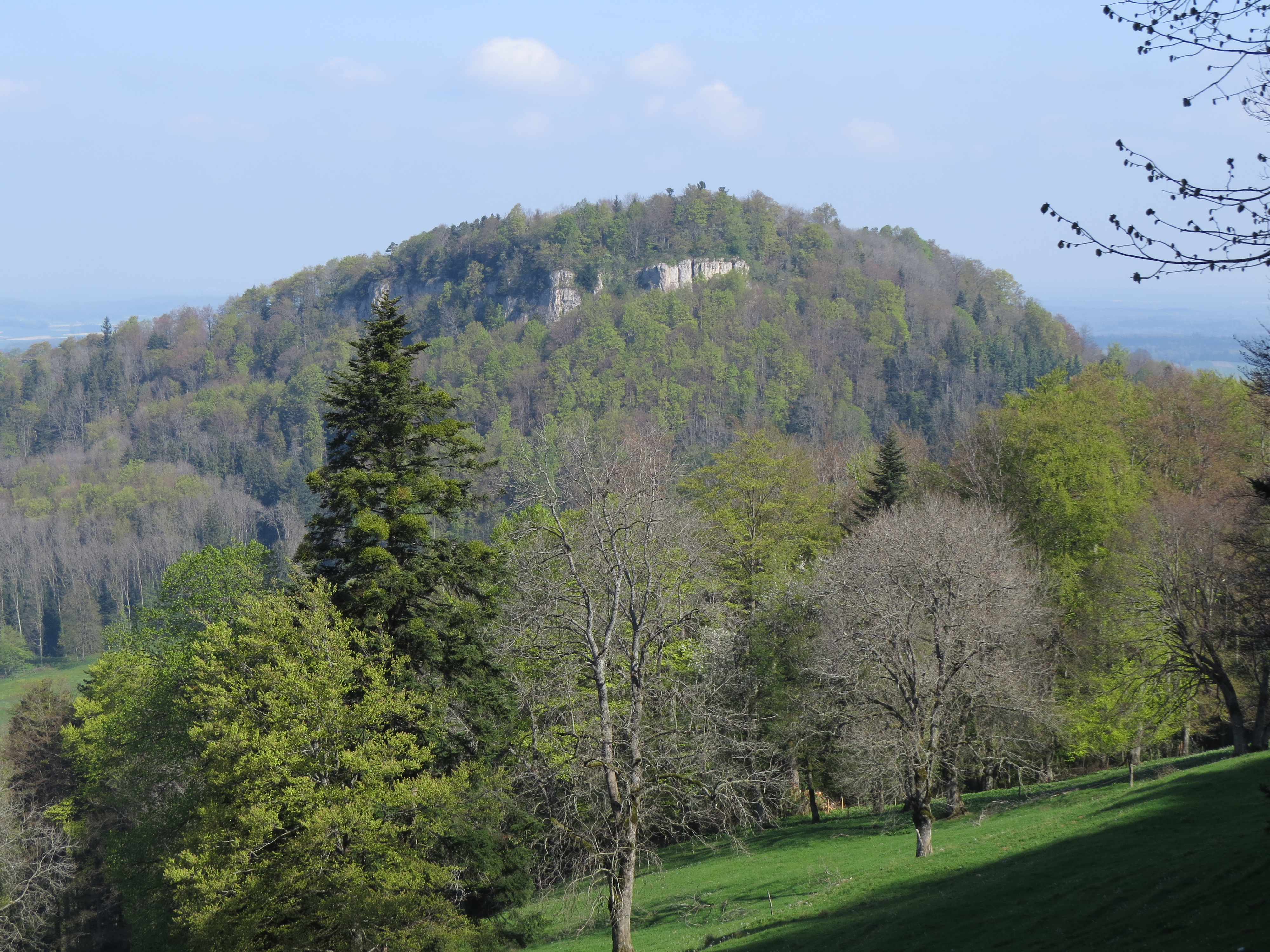
Mont-Terri Castle
Medieval castle on prehistoric hillfort plateau.
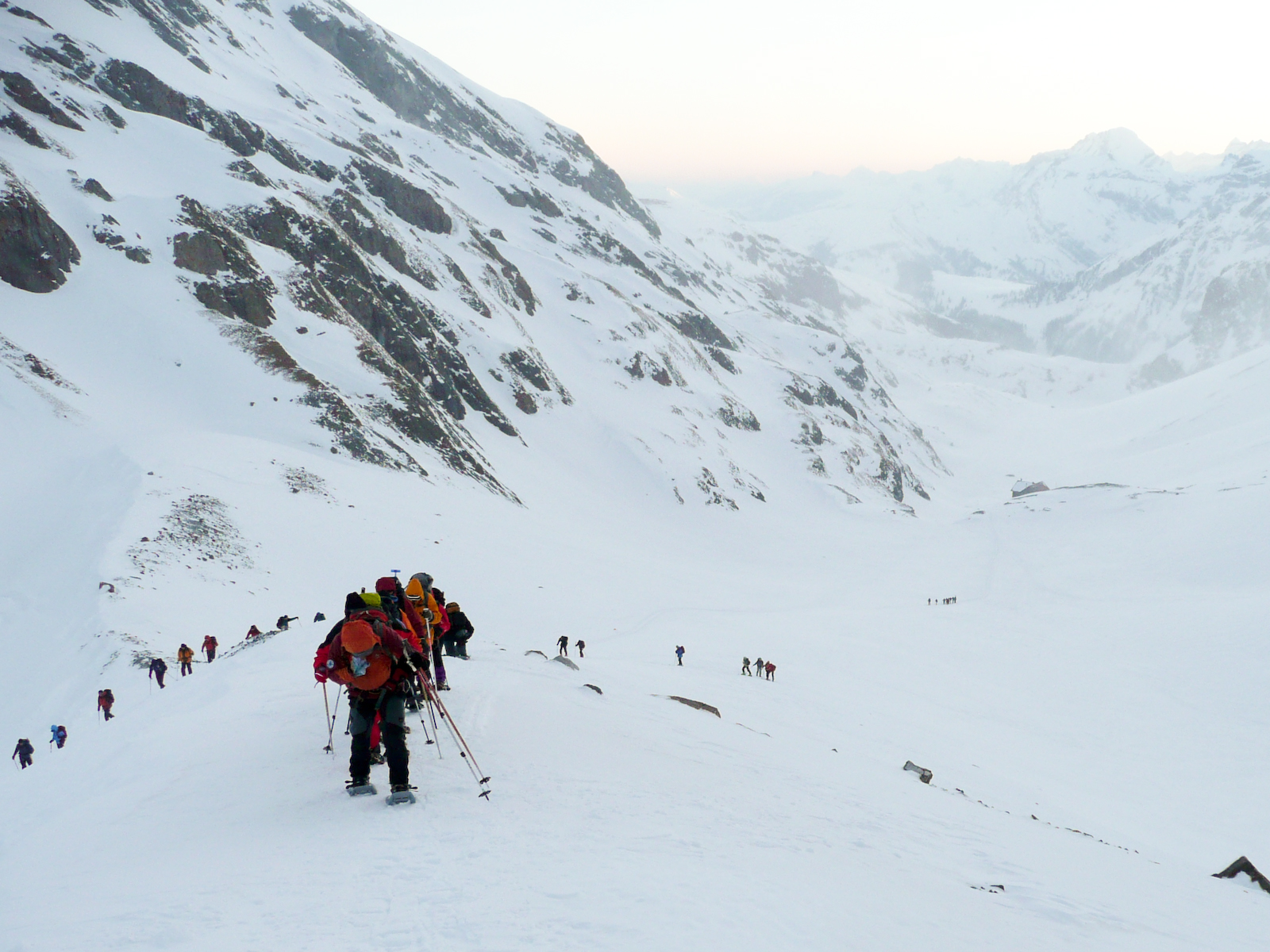
Schnidejoch
Mountain pass with ancient artifacts discovery
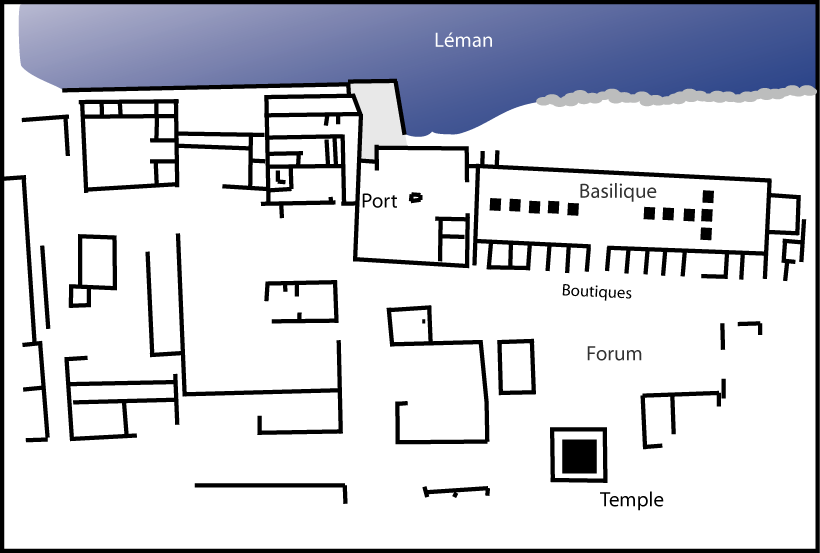
Lousonna
Roman military camp on Celtic settlement