Explore the Map
Laetoli
-2.9962° N, 35.3524° E
About
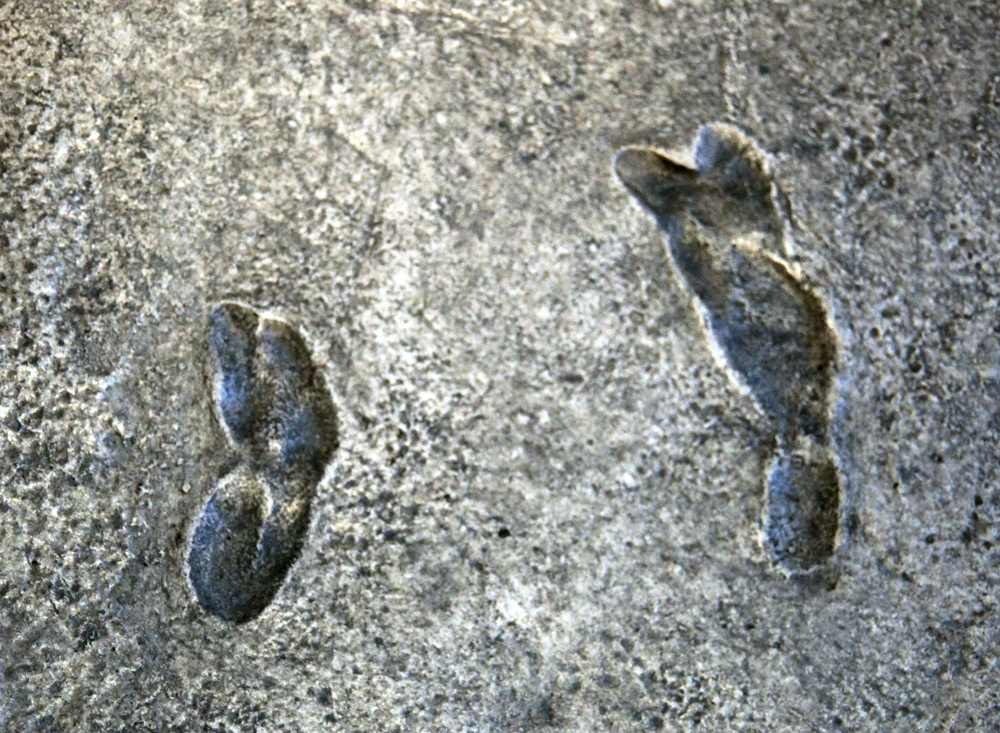
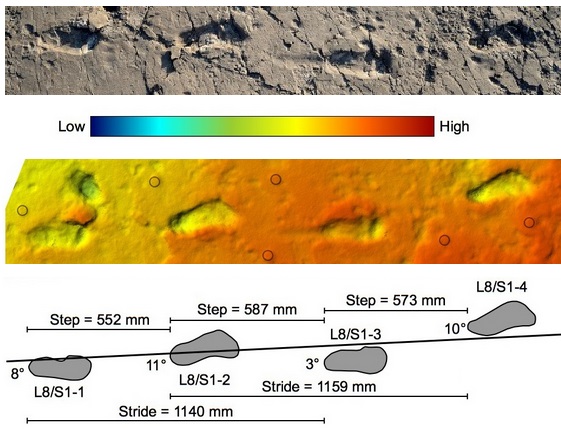
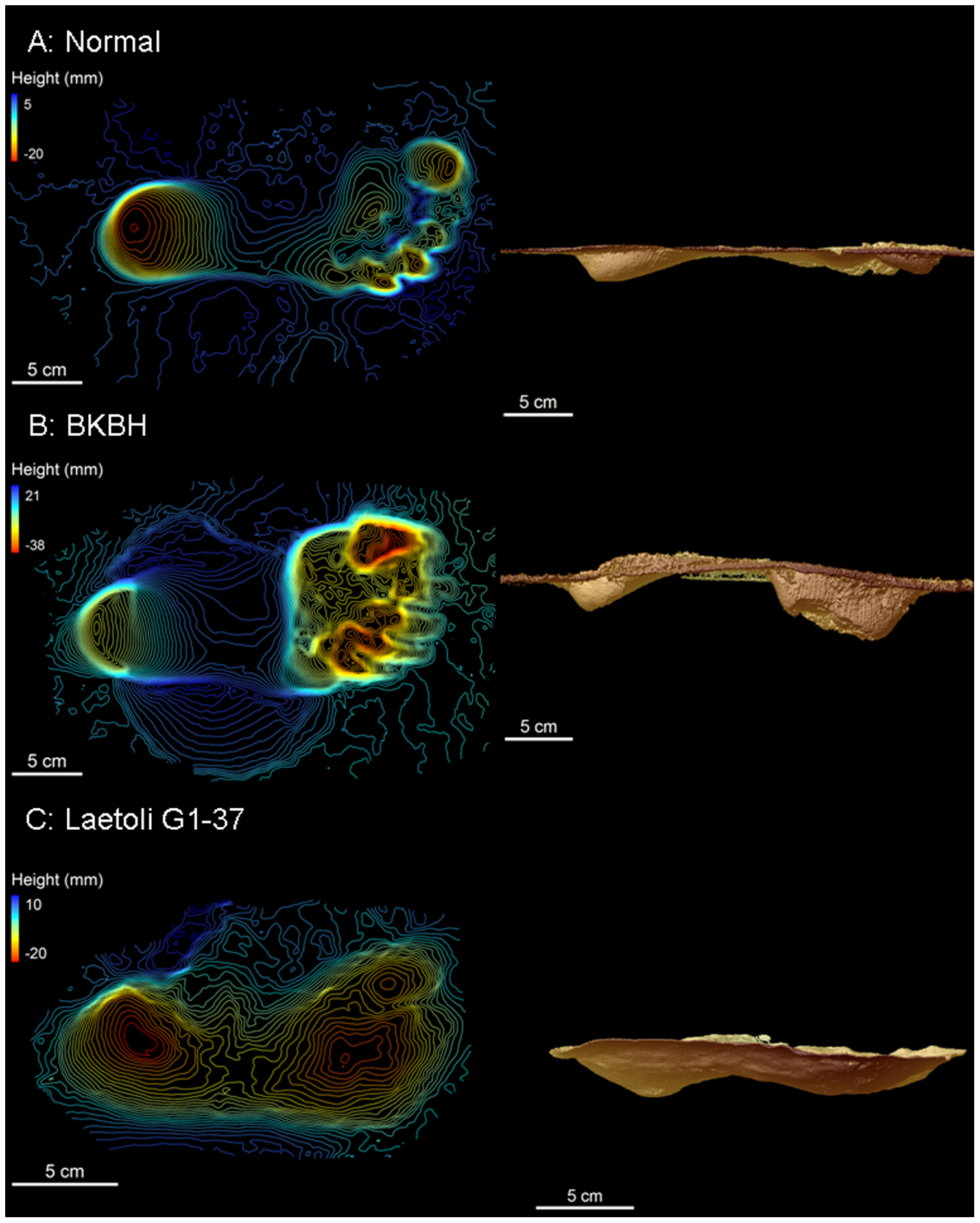
Laetoli is a pre-historic archaeological site in Tanzania, notable for its ancient Hominina footprints preserved in volcanic ash. Dated to approximately 3.7 million years ago, these footprints are among the earliest evidence of bipedalism in hominins, providing significant insight into human evolution. The impressions were initially discovered by Mary Leakey and her team in the 1970s. The site includes a notable trackway of footprints attributed to Australopithecus afarensis, alongside various animal tracks. Analysis of the footprints indicates a human-like gait, supporting theories of early bipedal locomotion preceding the development of larger brains in hominins. Laetoli's findings have fueled discussions on hominin behavior and environmental adaptation during the Pliocene era.
Gallery
Explore photographs of ancient structures, artifacts, and archaeological excavations
Historical Timeline
Journey through time and discover key events in this site's history
Laetoli Footprints Formation
3.7 million years ago
Archaeological Features
Unique architectural and cultural elements found at this historical site
Miscellaneous Features
Environmental and Natural Features
Transportation and Communication Structures
Frequently Asked Questions
Plan Your Visit
Tours, travel arrangements, and practical information
More Sites in Tanzania
Mumba Cave
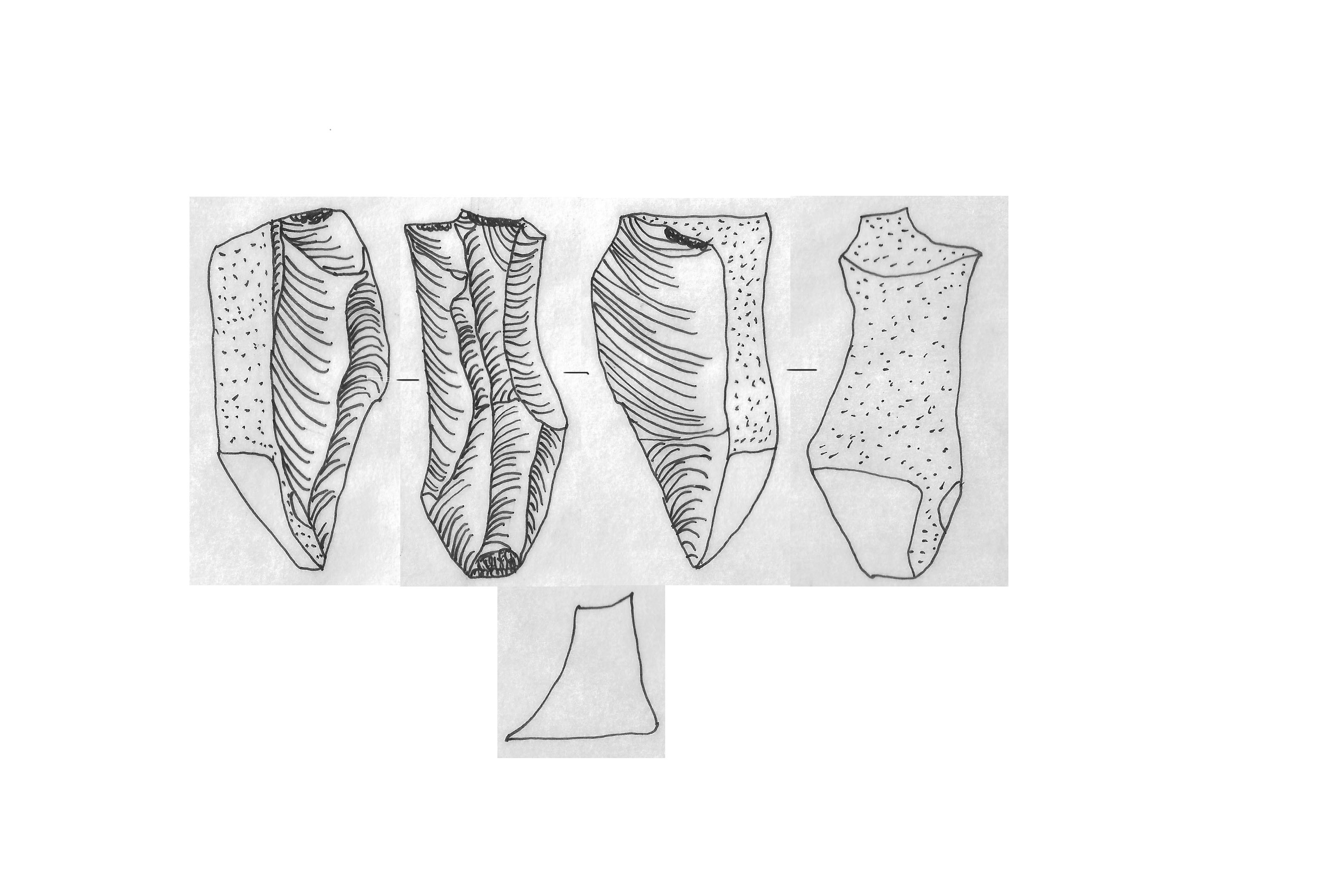
Transitional Middle to Late Stone Age cave
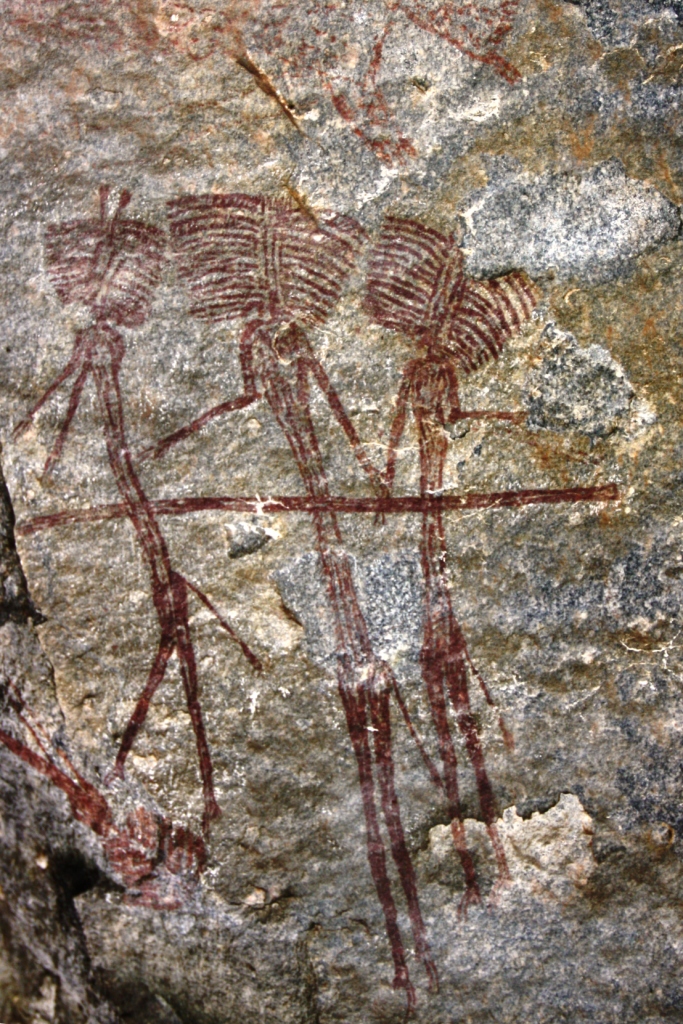
Kondoa Rock-Art Sites
Ancient rock paintings in Tanzania shelters.
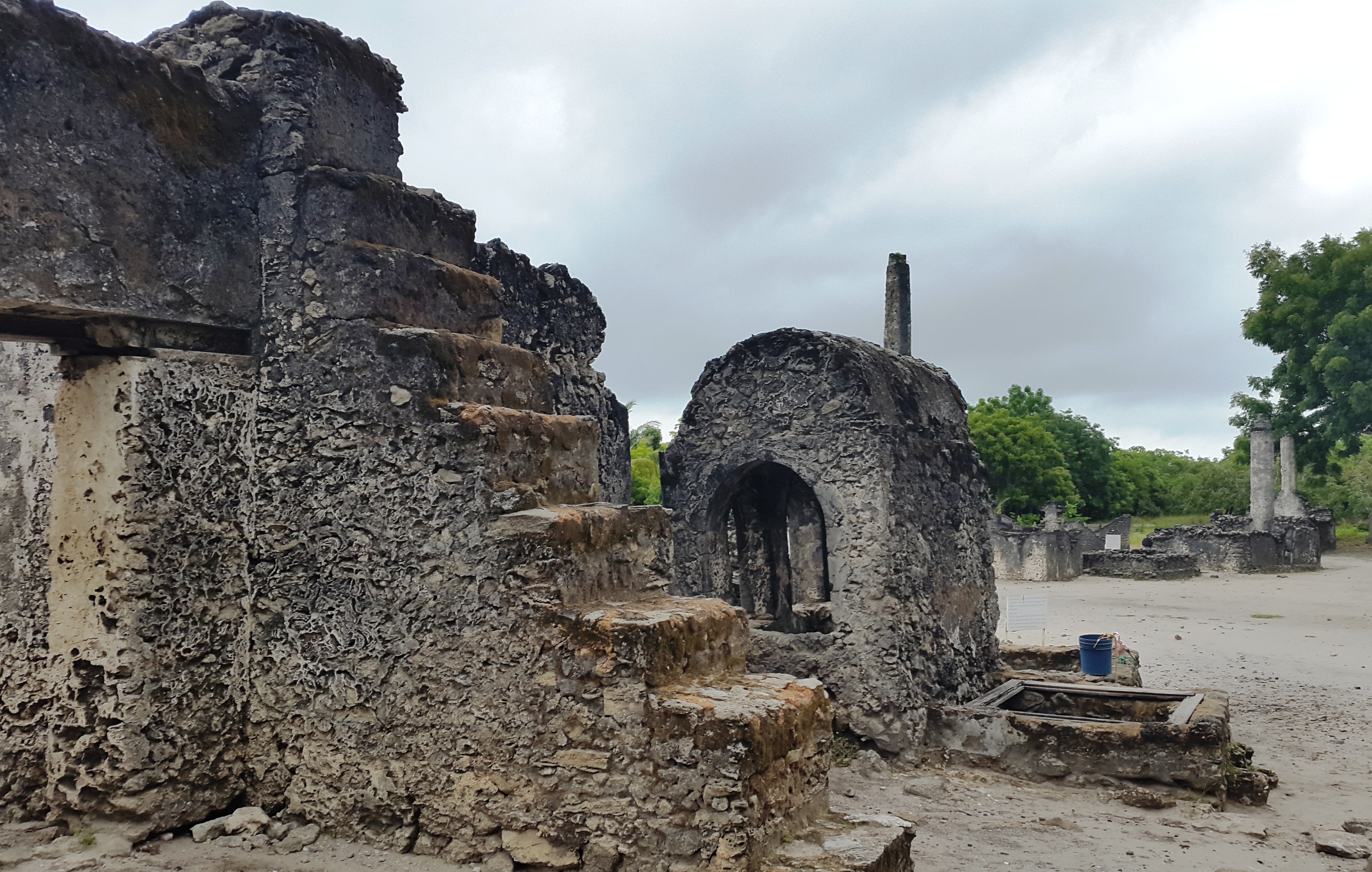
Kaole
Swahili ruins with mosques and tombs.

Tanga Island
Uninhabited island with medieval ruins
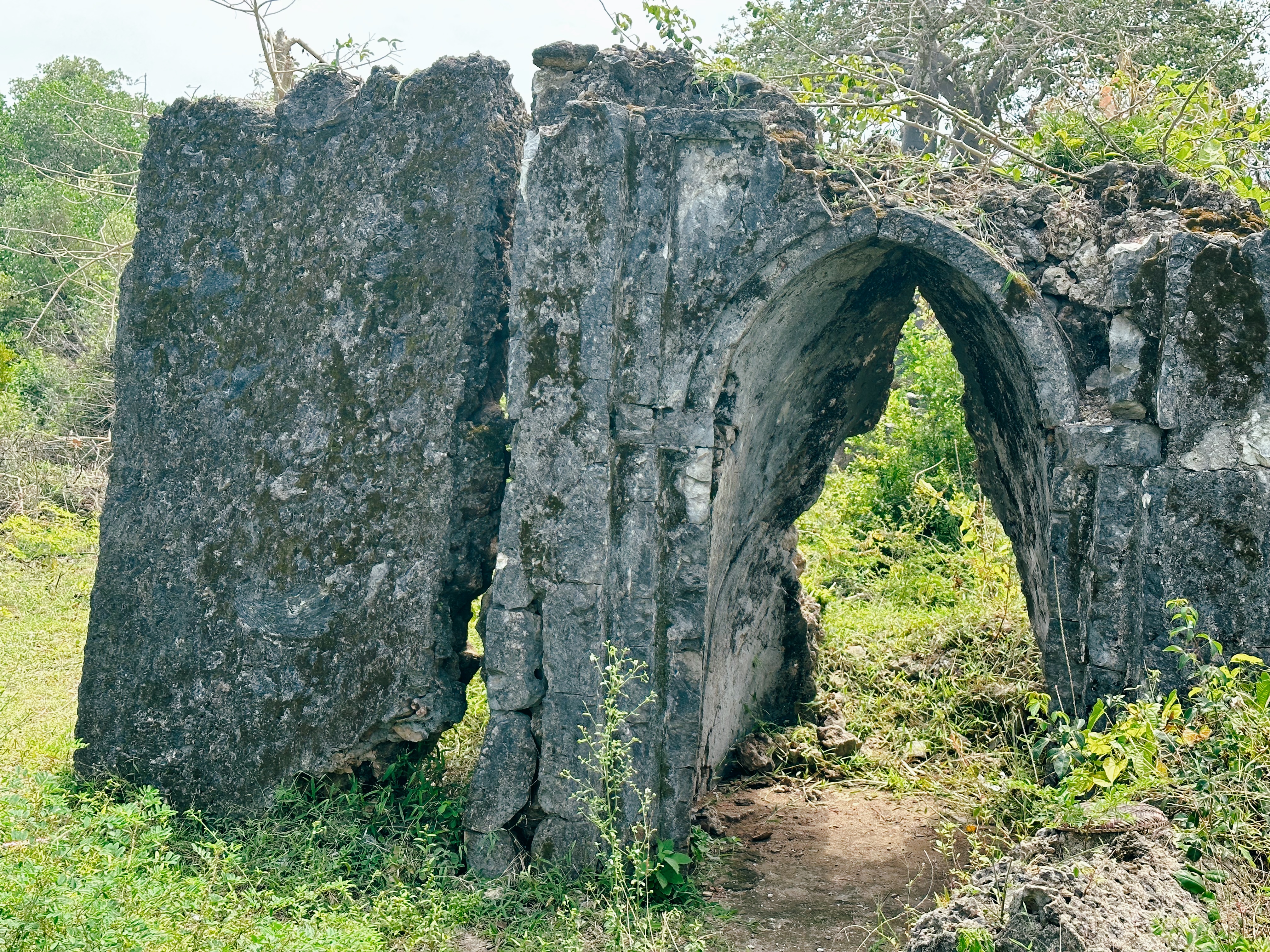
Mbutu Bandarini
Medieval Swahili ruins with mosque and artifacts
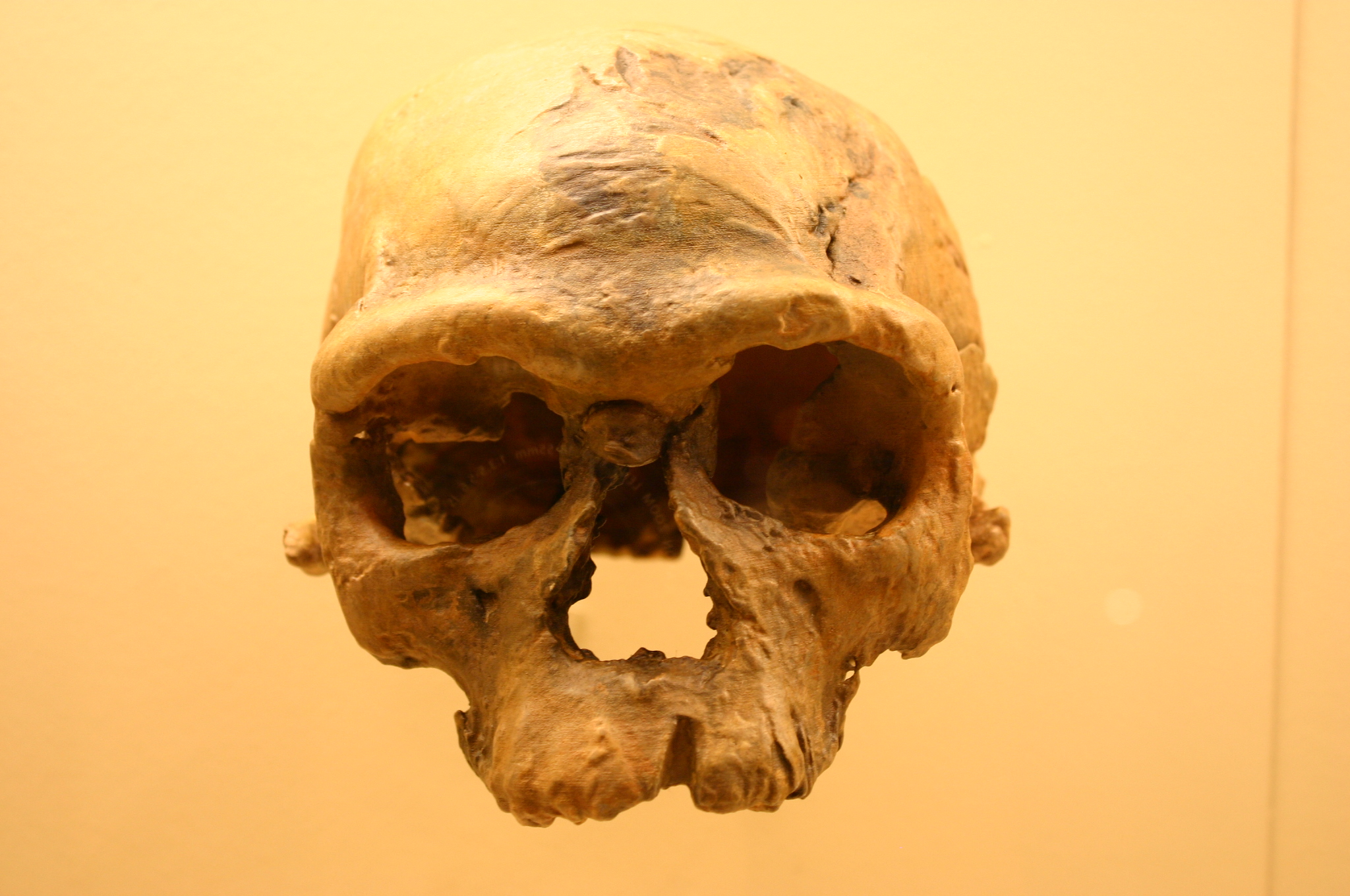
Ras Mkumbuu Ruins
Early Islamic ruins with large mosque